
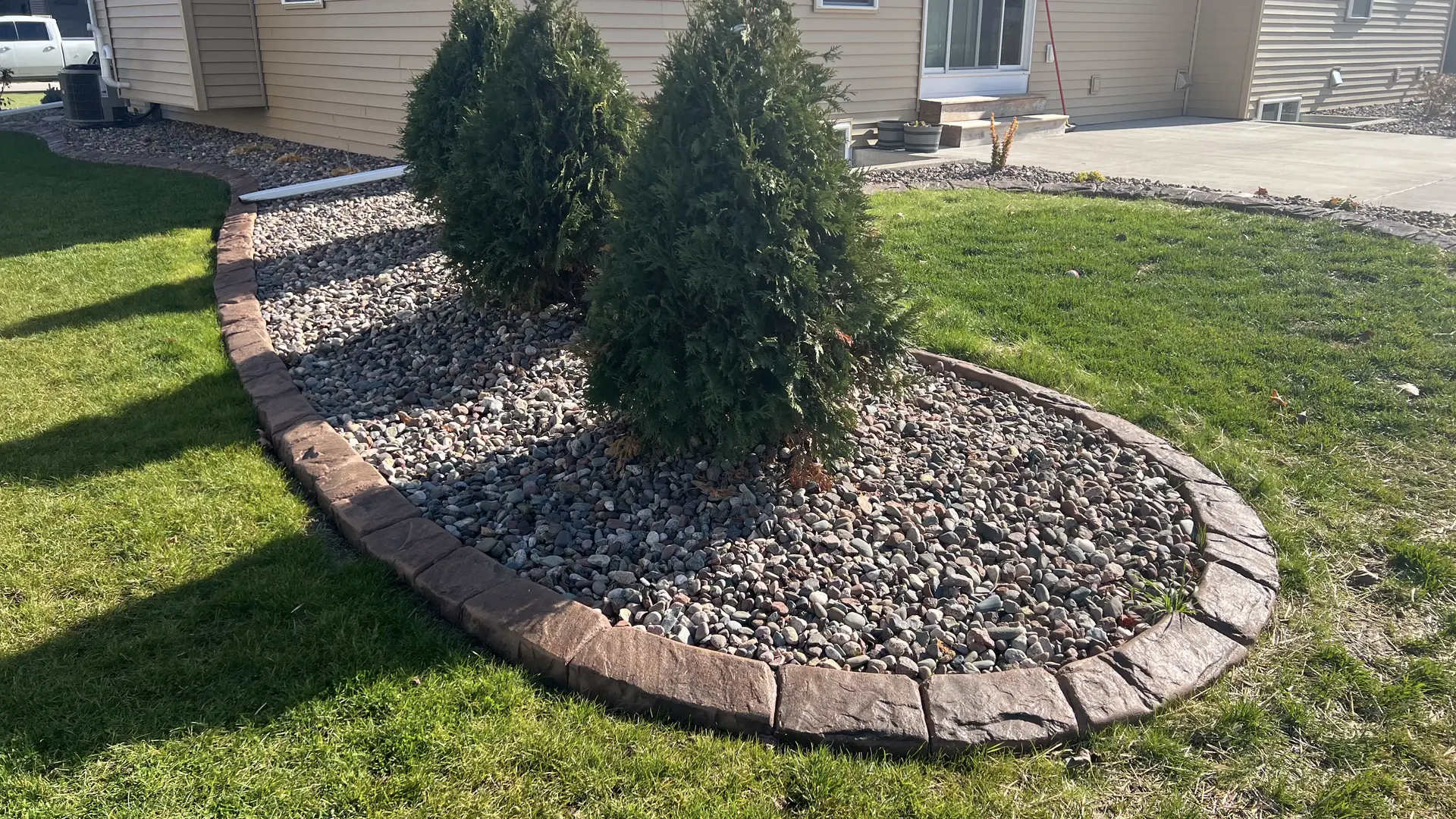
A curb run that shifts shade halfway down the job site is rarely a bad batch of pigment. It is almost always a process problem. Keeping integral color consistent from batch to batch comes down to repeating the same mix design every time: the same pigment proportion, the same raw materials, the same water, and the same mixing procedure. Finishing and curing matter too, since the final look depends on more than the pigment alone. Follow the instructions for the specific color product you are using, since procedures vary by manufacturer.
Start With a Repeatable Mix Design, Not a Repeatable Scoop
The most common cause of shade drift is dosing pigment by volume instead of weight. Pigment densities vary, so a scoop that looks consistent from batch to batch can actually be delivering a different dose each time. Measure pigment by weight relative to the cementitious material weight specified in the product instructions, not against the total sand-and-cement batch weight, and keep that proportion fixed whenever you change batch size. Davis Colors’ Architect’s Guide and manufacturer guidance on color consistency both point to the same root cause: weighing pigment, rather than scooping it, is what keeps the dose accurate.
Consistency also depends on what you are mixing the pigment into. Cement, sand, other aggregates, and admixtures all carry their own base color, and a change in source or proportion for any of them can shift the finished result even when the pigment dose is correct. Keep these materials consistent batch to batch, not just the colorant.
Water Is the Variable Crews Miss
Measuring the same amount of added water for every batch does not guarantee the same batch. Sand carries moisture that changes with weather, storage, and delivery, so identical added-water quantities can still produce different total water content from one batch to the next. Verifying aggregate moisture and adjusting your water accordingly is one of the production controls that separates consistent curb runs from ones with visible shade bands.
Adding Pigment and Mixing on a Curbing Machine
Ready-mix truck procedures do not translate directly to a curbing mixer, so it helps to follow guidance written for the equipment you are actually using. Curb Depot’s guide to mixing concrete for curbing recommends adding powdered integral pigment to the dry ingredients before water is introduced, then dispersing it thoroughly before mixing continues. Always defer to the specific pigment product’s instructions where they differ.
Undermixing is a common source of streaking and blotching. There is no single universal mixing time that applies to every pigment form and every mixer, since manufacturers specify different procedures for different products. What matters is picking a repeatable addition point and mixing duration for your crew and sticking to it on every batch, rather than judging “mixed enough” by eye.
A Simple Batch Record Catches Problems Before They Spread Down the Curb
One way to make shade drift traceable instead of mysterious is to log a few details with every batch. This is a production habit worth adopting, not a guarantee of a perfect match, but it gives you something to check when a batch looks off partway through a job. Consider recording:
- Pigment color and lot number
- Pigment weight relative to cementitious material weight
- Source and proportion of cement, sand, and other aggregates
- Total water used, including an adjustment for sand moisture
- Mix time and the point in the sequence pigment was added
If a batch comes out of step with the rest of the run, this record gives you a starting point for figuring out what changed instead of guessing.
When a Batch Looks Off, Check Finishing Before You Re-Dose the Pigment
Not every visible mismatch is a pigment problem. Added finishing water can pale or lighten the surface, and excessive or late troweling can create dark marks. Uneven curing and drying across a curb run can produce an uneven appearance even when the mix underneath was correct. Before changing your pigment dose on the next batch, rule out finishing and curing differences first. Residual pigment left in the mixer from a previous color can also contaminate an otherwise correctly proportioned batch, so clean the mixer thoroughly before starting colored production and whenever you switch colors.
It’s also worth evaluating a cured mock-up made with your actual materials and mixing procedure before committing to full production. A color card or sample chip shows you the pigment’s potential, not a guarantee of the finished look on your specific mix.
Where Curb Depot Fits In
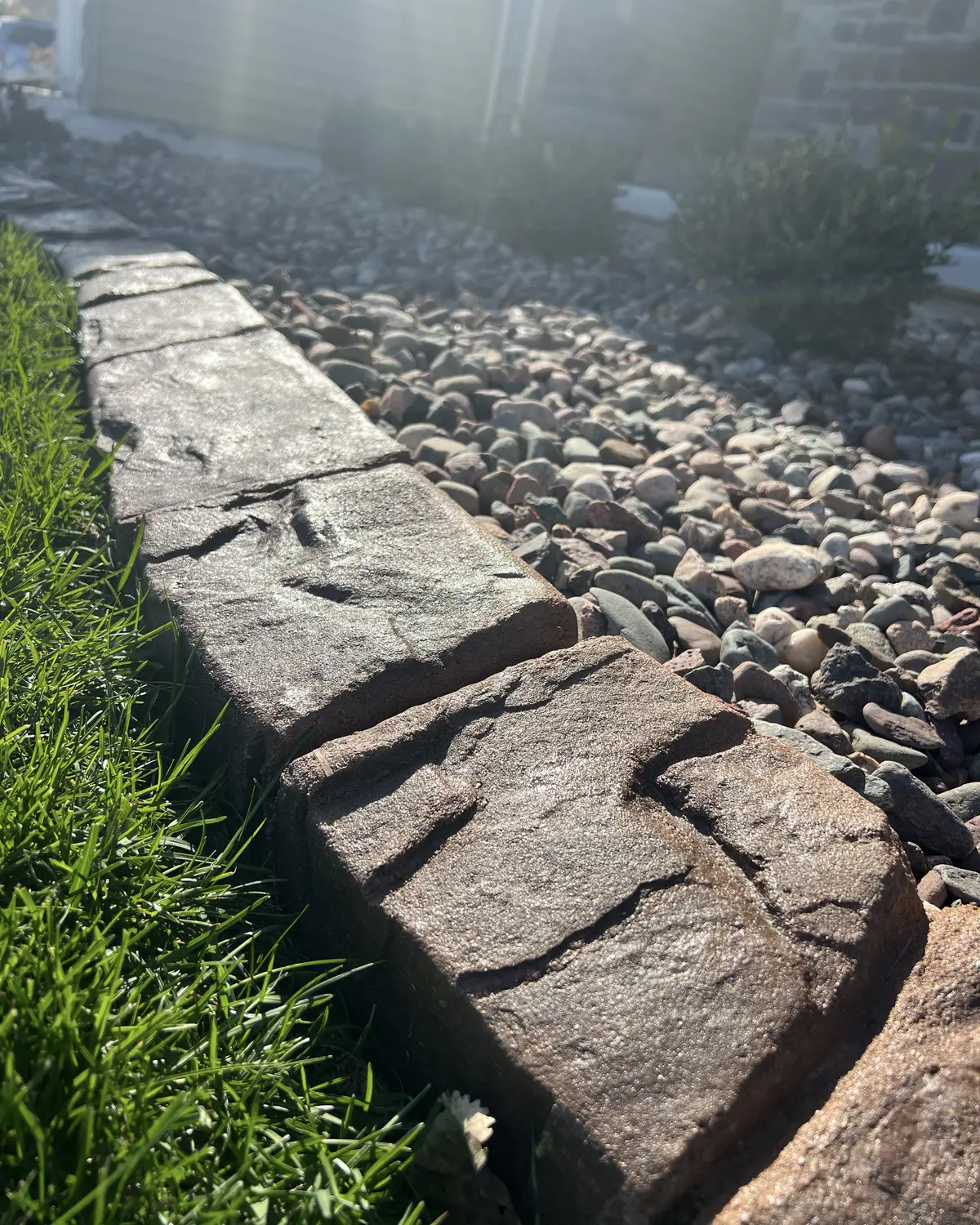
Curb Depot offers Concrete Integral Color and other decorative concrete coloring products for crews looking to standardize their batching. Assurance, a biodegradable lubricating admixture for low-slump concrete, is also available for crews working on extrusion and placement consistency. For crews that want to build these production habits into their standard operating procedure, Curb Depot’s in-person and online training covers concrete mixture, mixing, extrusion, and finishing.
Get Consistent Results on Every Curb Run
If shade drift is costing you callbacks and redo work, Curb Depot’s integral color products and basic curbing training can help your crew build a repeatable process from pigment dosing through finishing. Call Curb Depot at (920) 212-2872 to talk through your current mix setup, or stop by our Appleton, Wisconsin headquarters to see the equipment and training resources available to curbing professionals throughout the Fox Valley region and beyond.
Earn More With Natural Stone.

Click to Register
Create beautiful curb with unique stamps.
Looking to sell your equipment?
Let us help.




Ready to Order Your New Curbing Trailer? Request More Info.
Give us a call at (920) 740-2218 or simply fill out the form below to learn more about getting all the tools and training to get started. We make the process easy to start earning money in landscape curbing.