
If you install or maintain decorative landscape curbing, the sealer you choose affects more than shine. It affects jobsite odor, how much the color deepens, whether it bonds to a curb that was sealed years ago, and what the job actually costs once coats, prep, and cleanup are added up. Water-based acrylic sealers generally offer lower odor and an easier cleanup, while solvent-based acrylics tend to deepen color more. Carrier type alone does not decide gloss level, breathability, or whether a product is right for a resealing job. The specific product’s documented finish, application requirements, and compatibility with what is already on the concrete matter more than the general water-versus-solvent label.
As a supplier of landscape curbing equipment, materials, and professional training, Curb Depot works with contractors who need to get this kind of product decision right the first time, whether it is a new colored curb run or a resealing job for an existing customer.
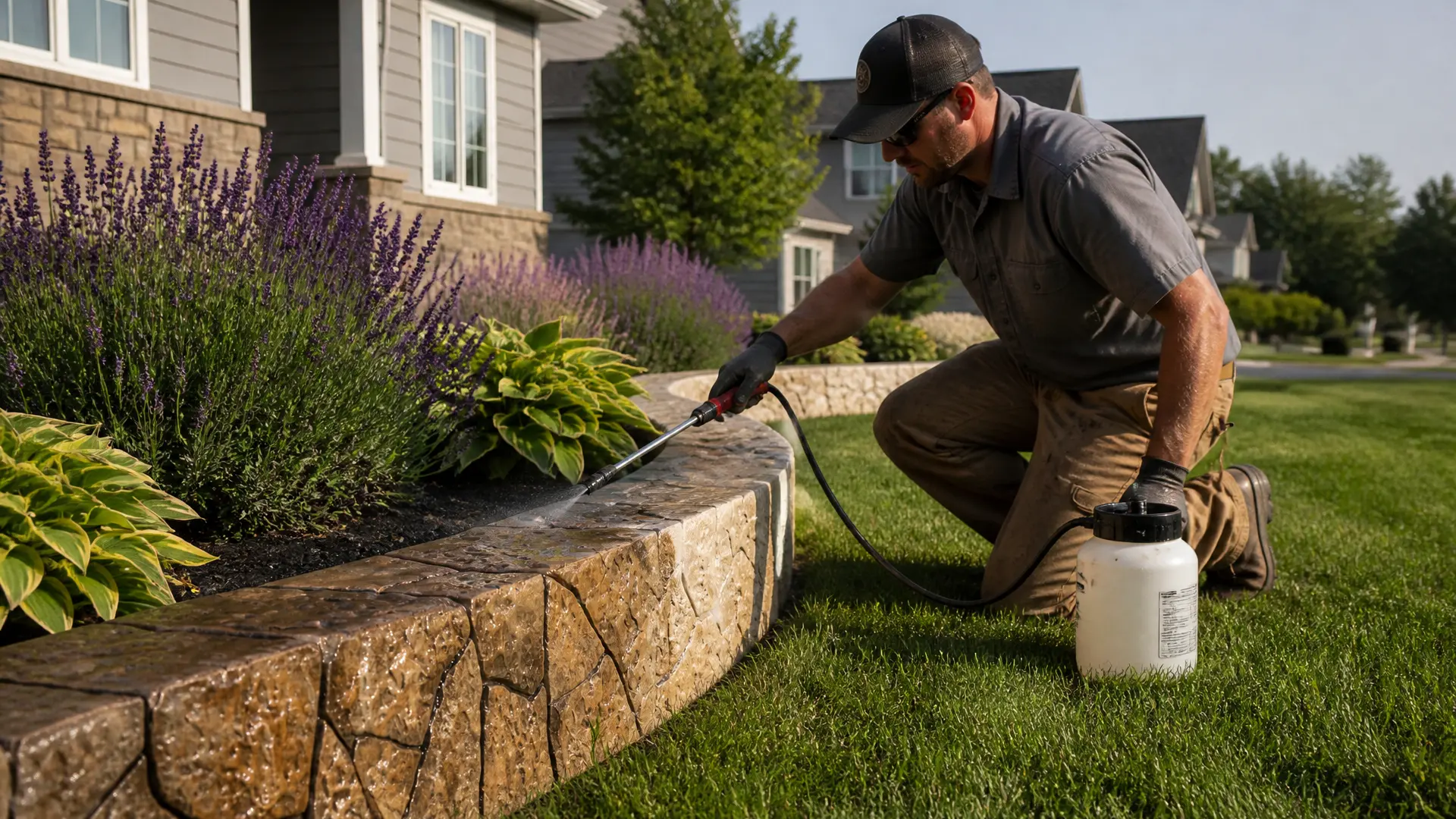
What “Water-Based” and “Solvent-Based” Actually Compare
Industry guidance on sealer selection draws an important line: a meaningful comparison is between like-for-like acrylic film-forming sealers. The American Society of Concrete Contractors and Decorative Concrete Council sealer selection guide notes that water versus solvent describes the carrier only, not the full sealer chemistry, and that penetrating sealers belong in a separate comparison entirely. A contractor comparing a water-based acrylic to a solvent-based penetrating product is not making an apples-to-apples decision, no matter how similar the labels look on the shelf.
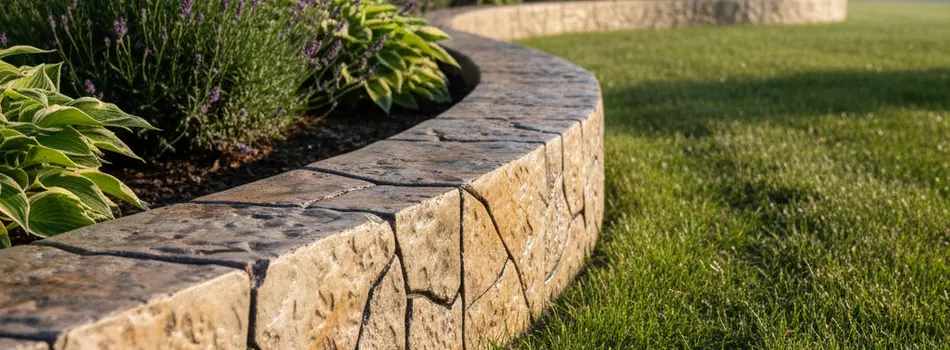
Checking Compatibility Before You Recoat
Resealing work raises a different question than a new pour: what is already on the concrete? A blanket rule that water-based and solvent-based carriers can never be mixed is not accurate. Technical data for Euclid Chemical’s EverClear VOX sealer lists approved use over some surfaces previously sealed with either carrier, but the manufacturer still directs installers to confirm compatibility and test any unknown existing coating before committing to a full job.
- Identify what sealer, if any, is already on the curb.
- Check the new product’s documentation to confirm it is approved over that existing coating.
- Test an inconspicuous section first when the existing coating is unknown or undocumented.
Skipping this step is a common reason a resealing job fails early, more often than the carrier type itself.
Weather, Temperature, and the Application Window
Carrier type also changes how forgiving a product is on application day. Euclid Chemical’s application guidance for water-based sealers points out that a water-based carrier does not mean the product is moisture-proof while curing. Cold temperatures, high humidity, rain before the film sets, or an overly thick application can produce a white, chalky, or poorly formed finish. Solvent-based systems carry a different risk: hot concrete and fast solvent evaporation can cause bubbling, and applying either acrylic system heavier than recommended only increases the chance of a problem. More product is not the same as more protection.
- Concrete surface temperature and ambient humidity on application day
- Rain or heavy fog protection for the window the manufacturer specifies
- Application thickness relative to the documented coverage rate
- Dry-to-touch and recoat timing, which varies by product rather than one universal rule
As one example, Euclid’s EverClear VOX technical sheet lists under one hour to dry-to-touch and a four to 24 hour recoat window under stated lab conditions, with at least 24 hours of rain or heavy fog protection recommended. Numbers like these come from the specific product’s data sheet, not a carrier-based shortcut, which is why reading the documentation for the product actually on the truck matters more than memorizing a general rule. Whatever product you select, review its safety data sheet for handling and protective equipment, since lower odor is not the same as a product that needs no precautions.
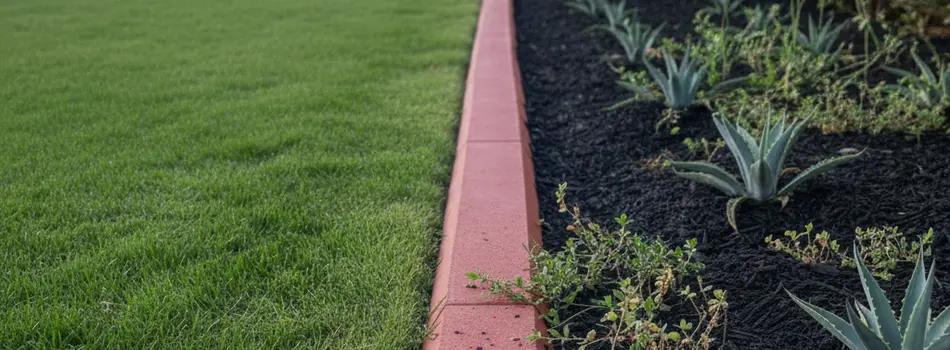
Comparing the True Cost of a Sealer Job
Purchase price per gallon rarely tells the full story. A fair comparison weighs the sticker price against coverage rate, number of coats required, surface prep, application tools, and cleanup. Texture and porosity change how far a gallon actually goes, and solvent-based systems can call for solvent-resistant equipment and solvent cleanup rather than water and soap.
| Cost Factor | What to Check |
|---|---|
| Coverage rate | Varies with curb texture and porosity, not just gallon size |
| Number of coats | Set by the manufacturer, affects total product needed |
| Surface prep | May include cleaning or removing an incompatible existing coating |
| Application tools | Solvent-based systems can require solvent-resistant equipment |
| Cleanup | Water and soap for water-based; solvent cleanup for solvent-based |
Treat this as a framework for evaluating a quote, not a fixed price comparison between carriers. The only way to know the real number for a job is to run it against the actual product’s coverage data and the measured length of curb being sealed.
Building the Training Side of a Consistent Seal
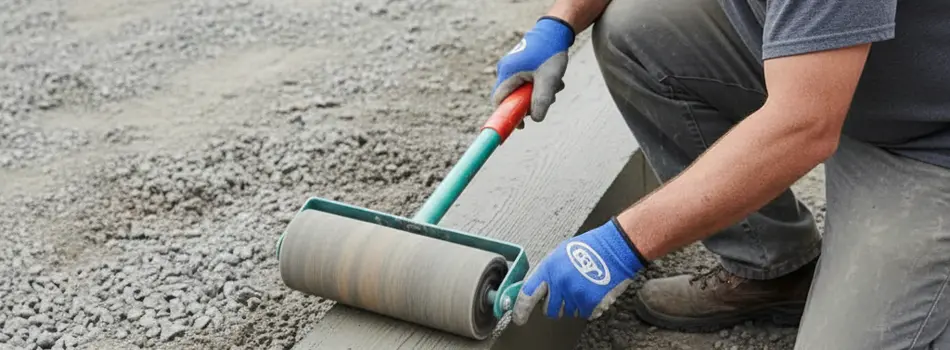
Sealer selection is only half of a consistent result. The other half is a crew that applies it the same way every time. Curb Depot’s Basic Curbing Training covers sealing alongside mixing, finishing, stamping, and jobsite systems, available through hands-on, in-person instruction or online and video training for crews who need flexibility. When a job involves integral color or another decorative finish, understanding how the chosen sealer interacts with the cured color is part of getting a predictable result, and our Concrete Integral Color page is a useful reference when that finish is part of the plan.
Ready to Strengthen Your Curbing Operation?
Choosing the right sealer, and training a crew to apply it consistently, both come down to having the right information and the right instruction. Curb Depot supplies the equipment, materials, and training that curbing contractors and curbing business owners rely on from our shop in Appleton, Wisconsin. If you have questions about matching a sealer to your next decorative or resealing job, or you want to look into hands-on or online training options, call us at (920) 212-2872.
Earn More With Natural Stone.

Click to Register
Create beautiful curb with unique stamps.
Looking to sell your equipment?
Let us help.



Ready to Order Your New Curbing Trailer? Request More Info.
Give us a call at (920) 740-2218 or simply fill out the form below to learn more about getting all the tools and training to get started. We make the process easy to start earning money in landscape curbing.