Curb Depot

5 Top Landscape Edging Solutions for Mulch Control

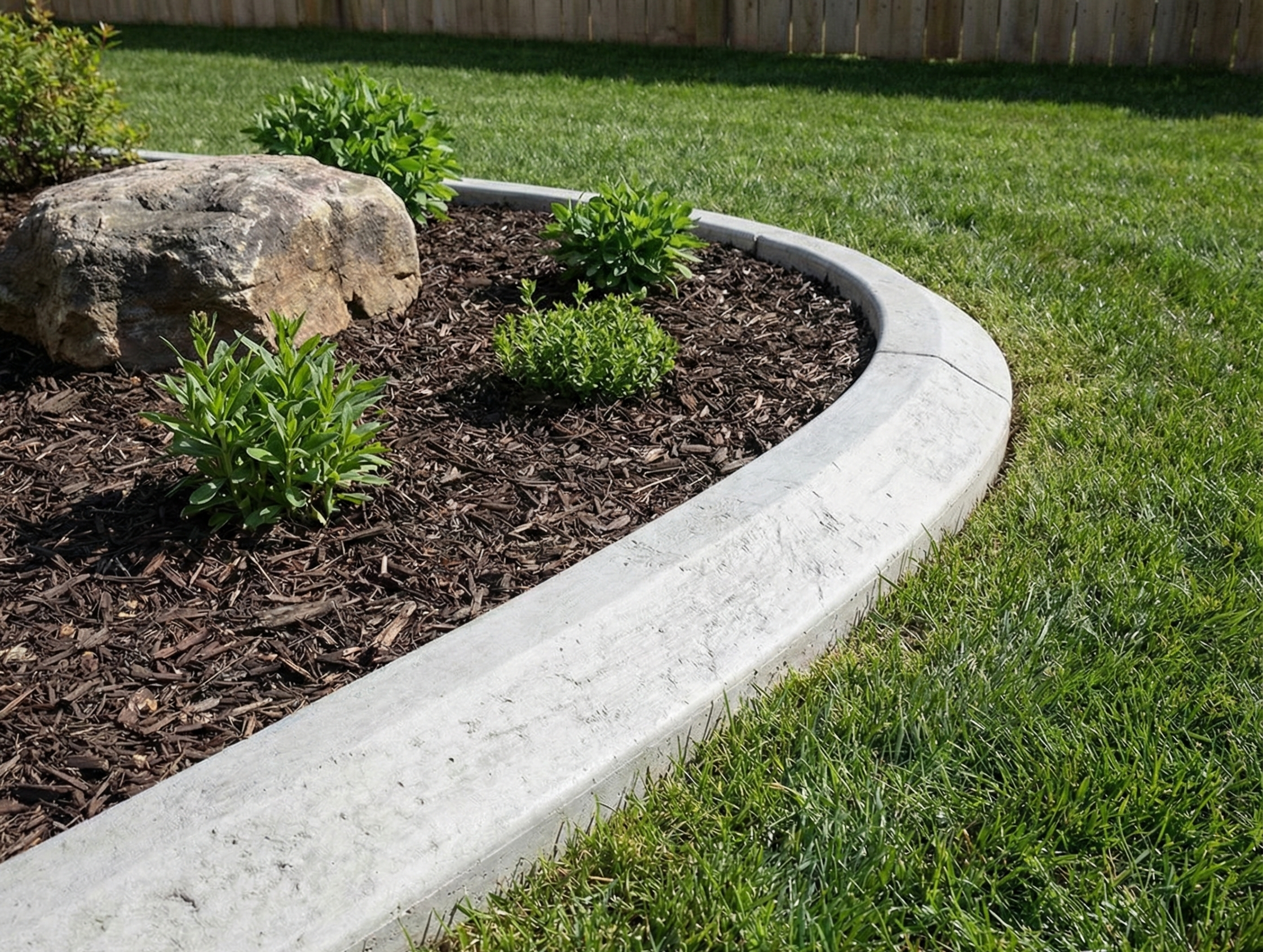
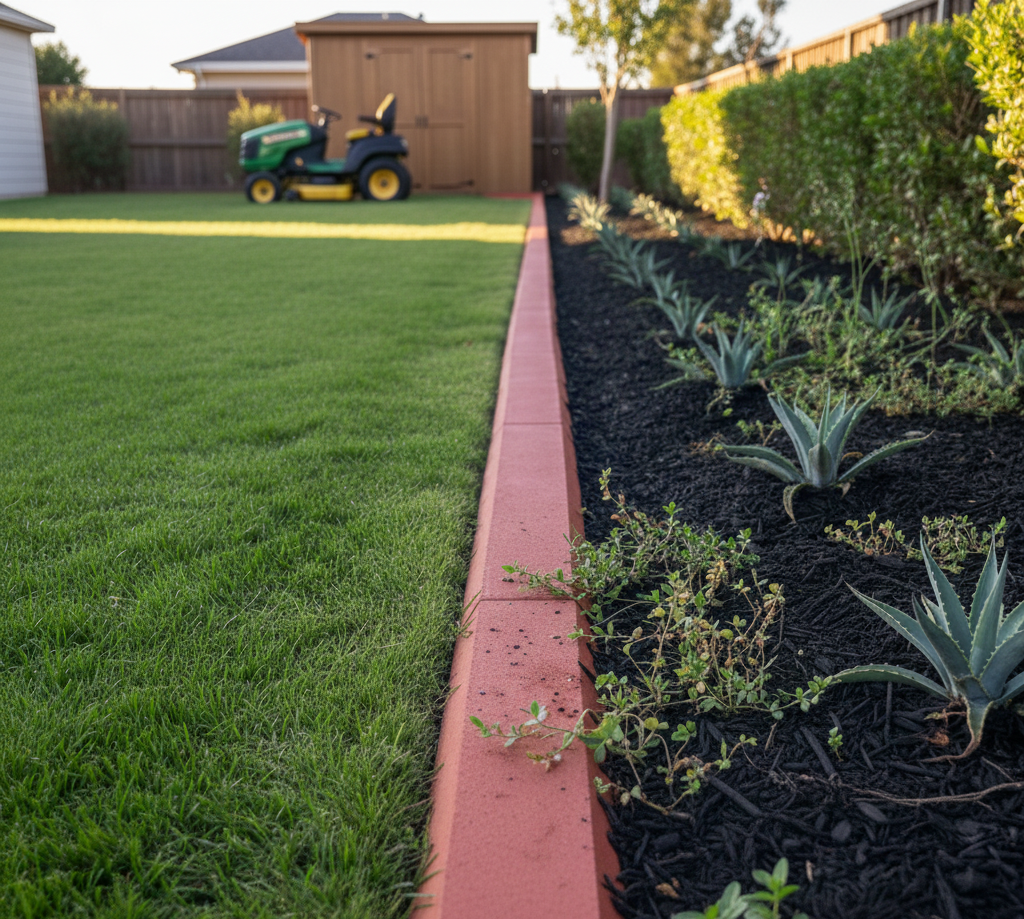
The best landscape edging for mulch is a continuous, gap-free physical barrier between mulched beds and the lawn. Plastic and rubber edging work in mild climates; metal edging holds a cleaner line; brick and stone look sharp but leave gaps. Poured concrete curbing is the most durable option for sealing the border long-term. Curb Depot’s equipment and training let contractors offer that permanent solution to every frustrated homeowner in their market.

Your best residential leads have something in common: they’ve already tried fixing their mulch problem themselves. They bought plastic strips from the hardware store, hammered in some stakes, and watched the whole thing fail within a season or two. By the time they search for a professional curbing contractor, they’ve spent money on solutions that didn’t last and they’re ready to pay for one that will. Understanding what they’ve already tried and why it failed makes you a sharper salesperson and a more credible expert on the job.

Here are the five edging options your prospects have likely tried, ranked from cheapest to most effective, so you can speak to each one with authority.

1. Plastic Edging
Startup costs and ROI

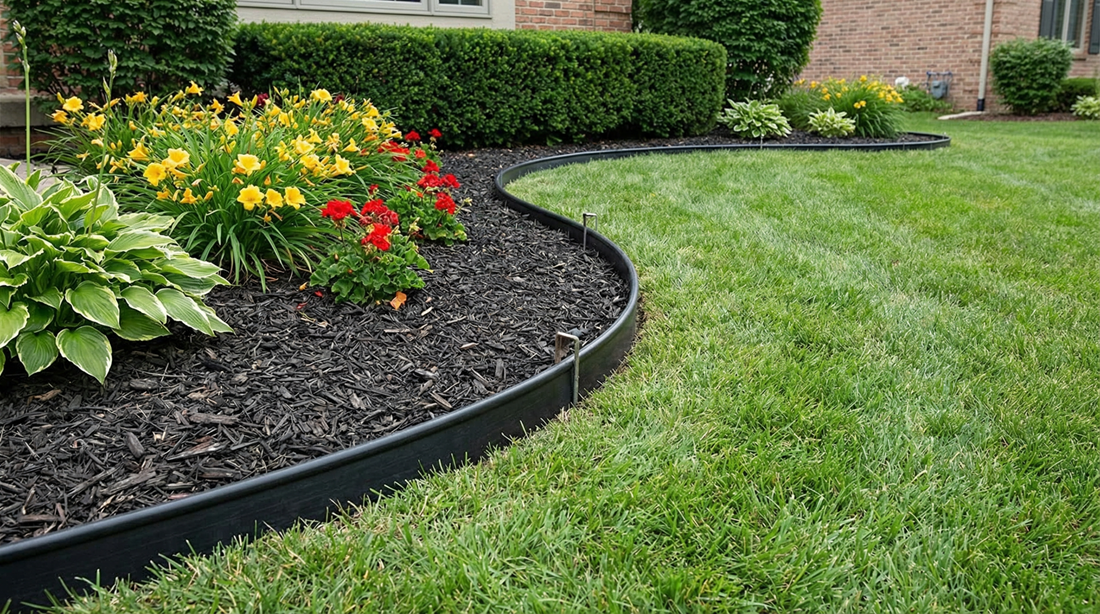
Plastic garden edging is the first thing most homeowners grab off the shelf. It’s cheap, it’s available everywhere, and it looks like it should work. For your business, that’s actually good news because it almost always fails, and that failure is what drives the phone call to you.

Plastic is vulnerable to freeze-thaw cycles. Soil expands when it freezes, then contracts when it thaws, and that repeated movement pushes plastic strips right out of the ground. In USDA zones 6 and colder, heaving is practically guaranteed within one or two winters. Even in milder climates, UV degradation makes the material brittle over time. The homeowner ends up with gaps at the soil line, mulch on their lawn, and a growing suspicion that the DIY approach was a mistake.

When a prospect mentions they’ve “already tried edging,” this is almost always what they mean. Acknowledge it, explain why it failed, and you’ve already built trust before you quote the job.

2. Rubber Edging
Startup costs and ROI

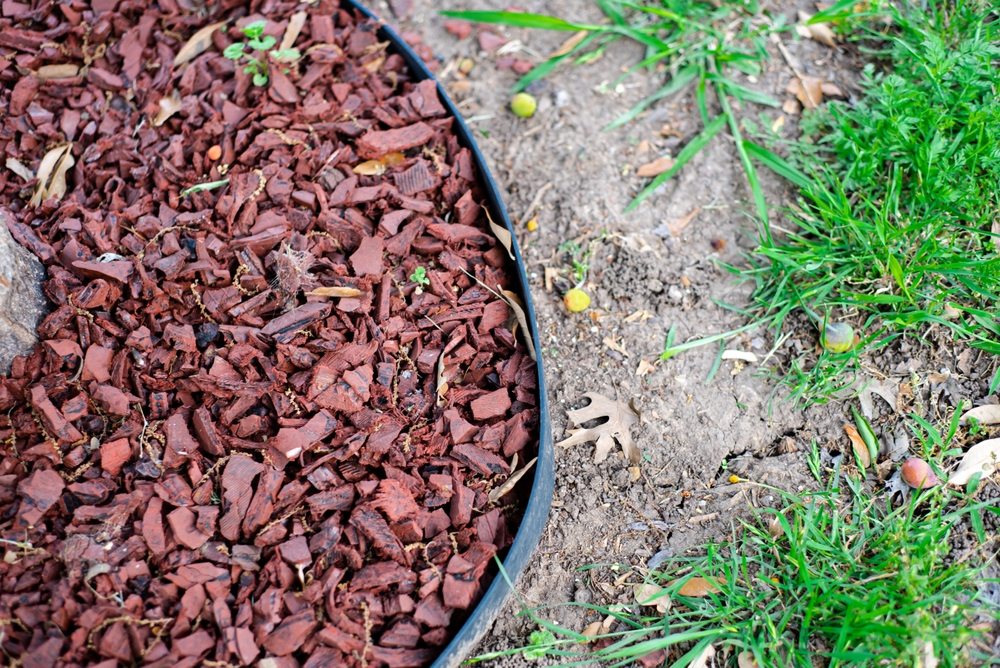
Rubber edging is the upgrade homeowners find after plastic disappoints them. It flexes instead of cracking, handles freeze-thaw movement better, and stays seated longer. It costs a bit more but still falls squarely in DIY territory.

The failure timeline is slower but just as certain. UV exposure and temperature cycling make rubber brittle over several years. It cracks, gaps open, and mulch escapes again. Homeowners who installed rubber edging often feel like they already spent “good money” on the problem, which makes them more receptive to a permanent fix, not less.

From a sales perspective, these are warmer leads than the plastic crowd. They’ve already proven they’re willing to spend more for a better result. Your job is to show them there’s one more step up that actually lasts.

3. Metal Edging (Steel or Aluminum)
Startup costs and ROI

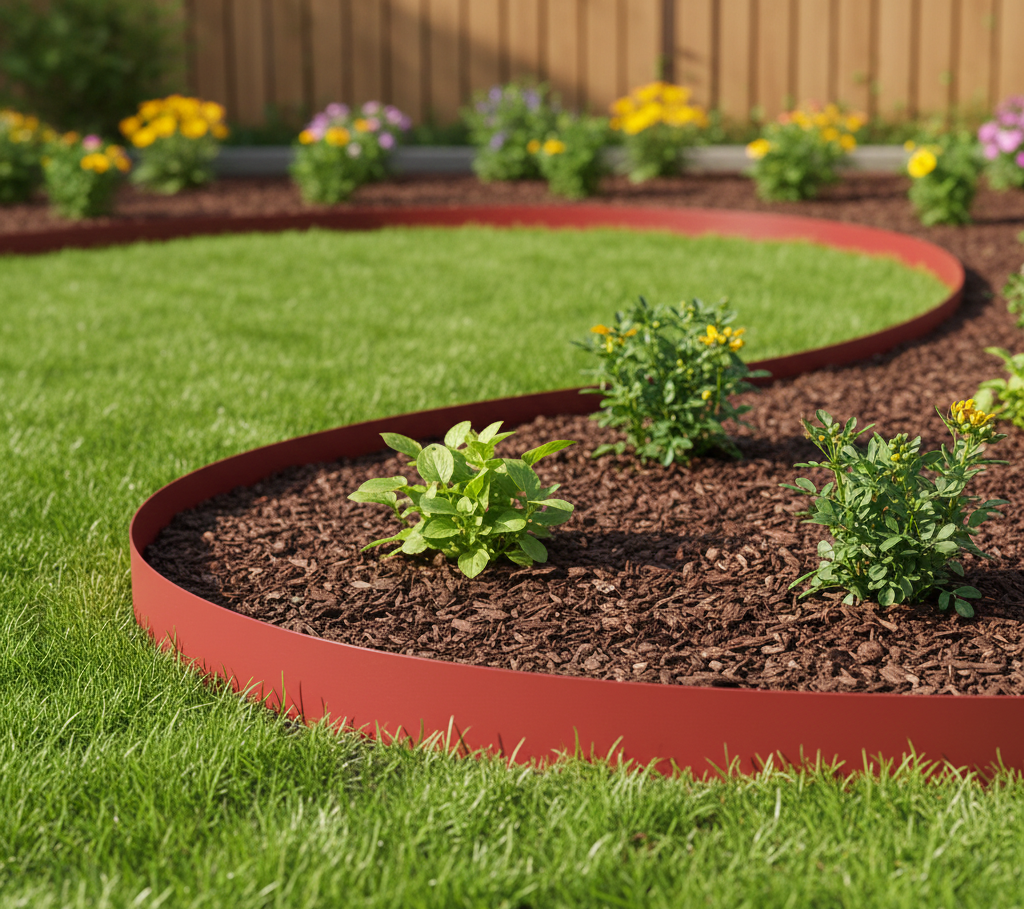
Metal edging is the first option on this list that functions as real containment. Steel strips driven into the ground with stakes create a firm, flush barrier that doesn’t shift the way lighter materials do. Aluminum resists corrosion better in wet climates. Both create a clean visual line between bed and lawn.

For contractors, metal edging is your most credible competitor. It works reasonably well, it looks professional, and it doesn’t fail as dramatically as plastic or rubber. The weakness is labor and longevity. Steel rusts without protective coating, aluminum bends, and neither option is truly permanent. Compared to brick edging alternatives, metal wins on containment but still can’t match a continuous pour.

When you’re quoting against a homeowner who’s considering metal edging, focus on the long game: your concrete curbing can outlast metal by decades and eliminates the maintenance cycle entirely.

4. Brick or Stone Edging
Startup costs and ROI

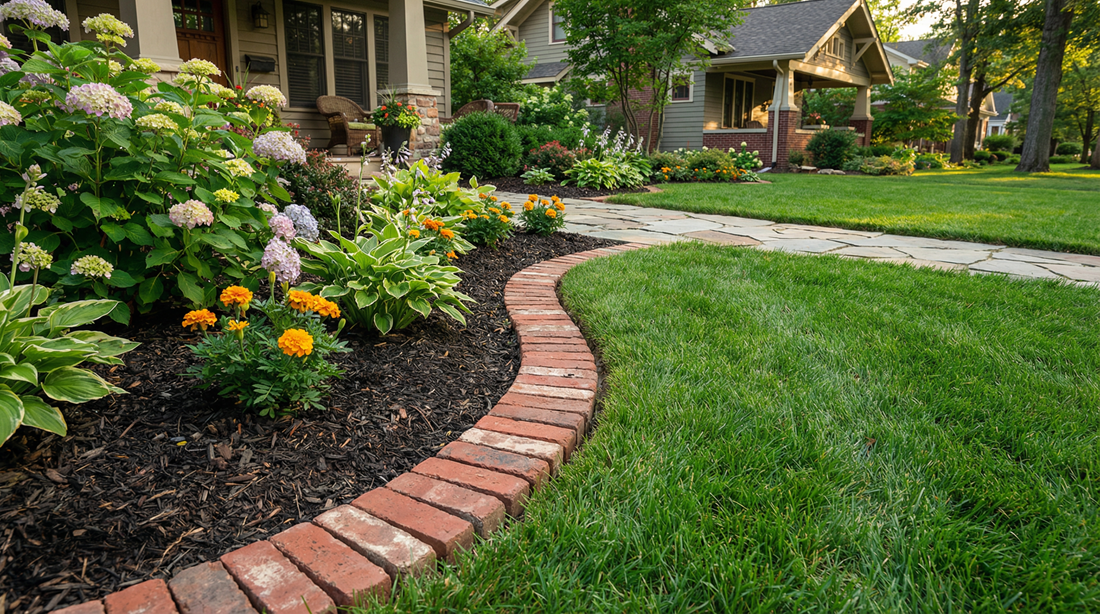
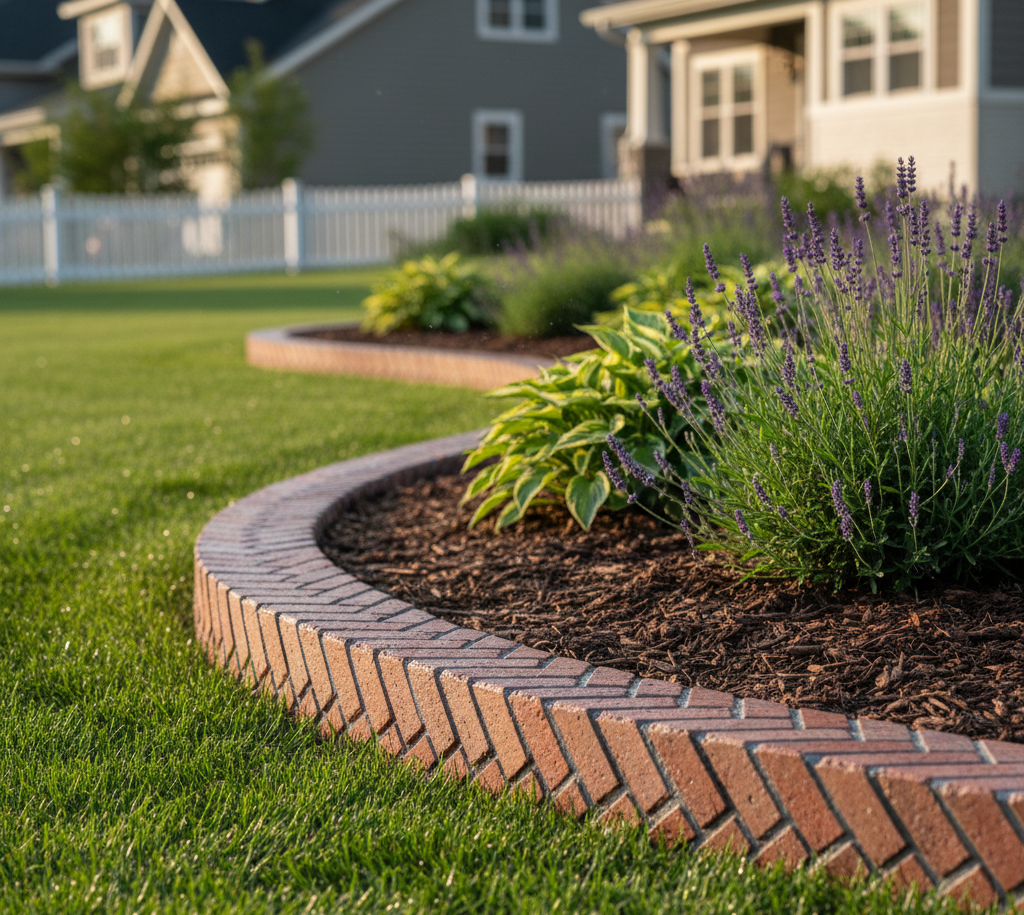
Brick and stone edging appeals to homeowners who care about aesthetics first. It photographs well, suits traditional home exteriors, and has real visual weight. Homeowners tend to love how it looks—right up until the mulch starts leaking through the seams.

The containment problem is structural. Individual pieces mean individual gaps, and those gaps widen with every frost cycle. Maintaining brick edging means resetting pieces each spring, repacking the base, and rechecking after hard rains. Most homeowners don’t sign up for that level of ongoing work.

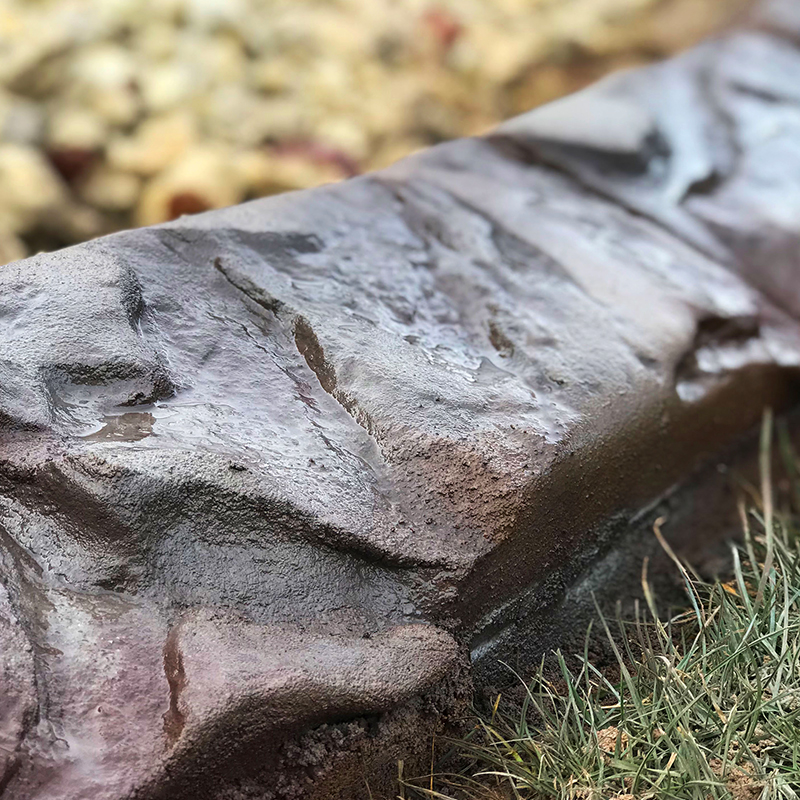
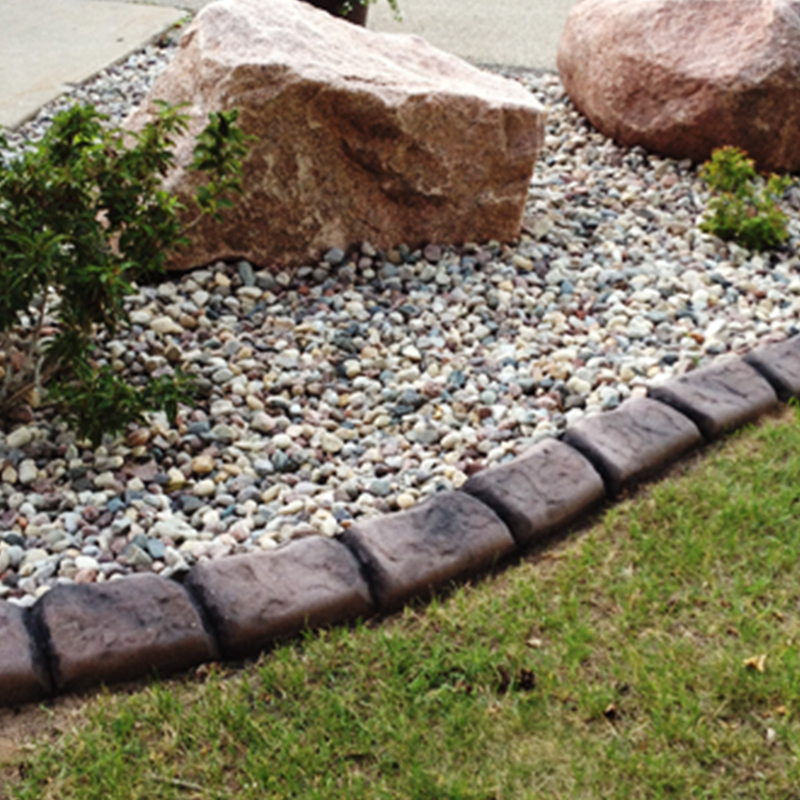
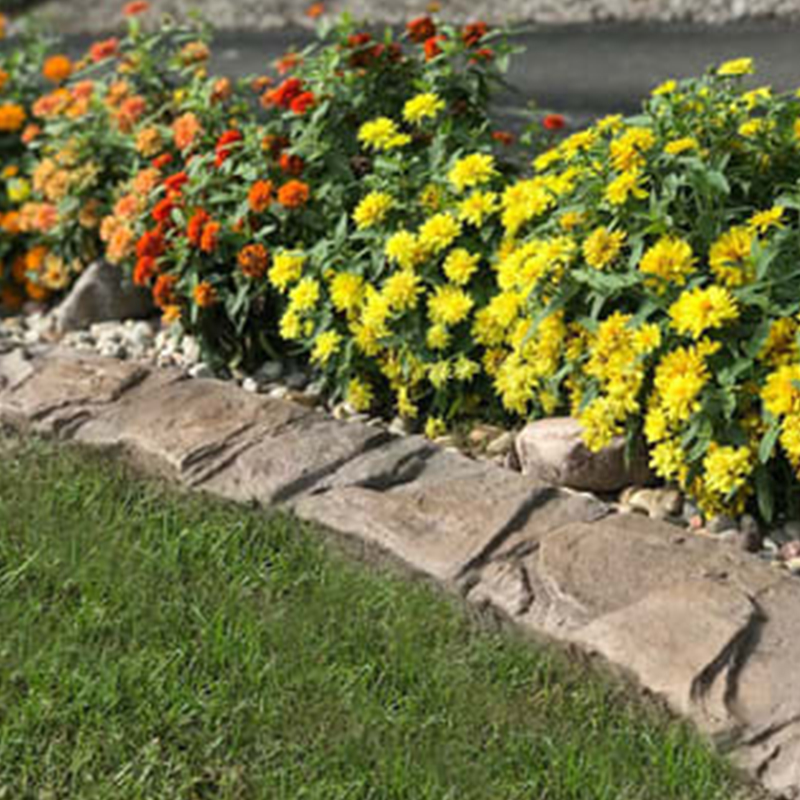
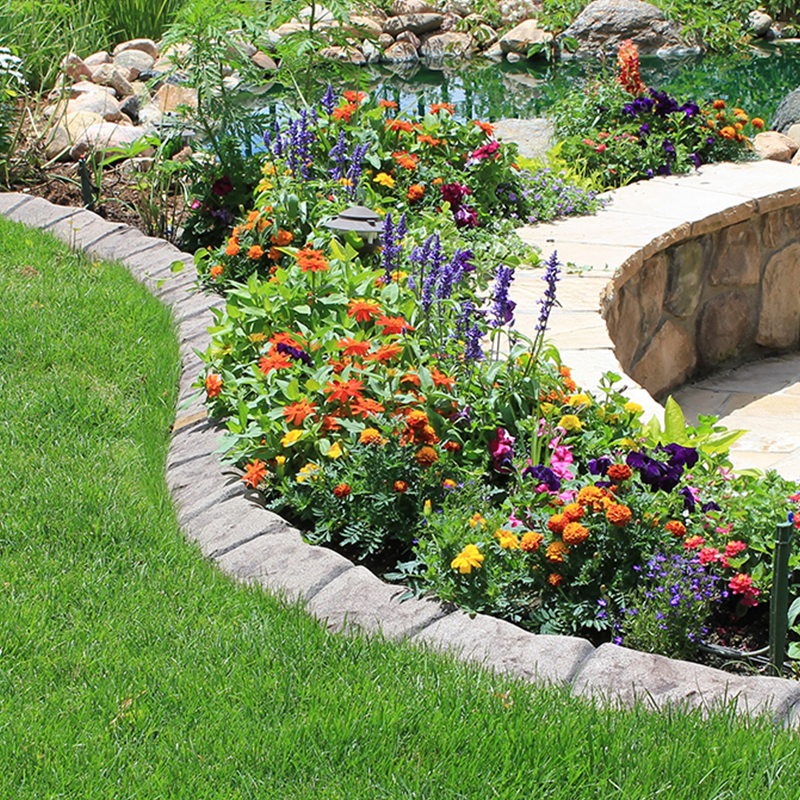
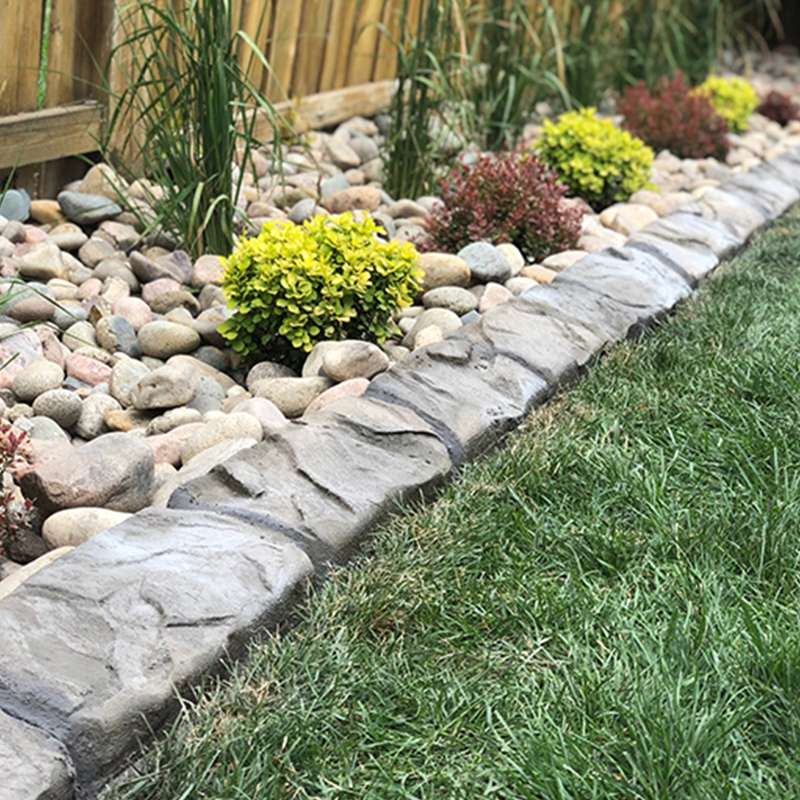
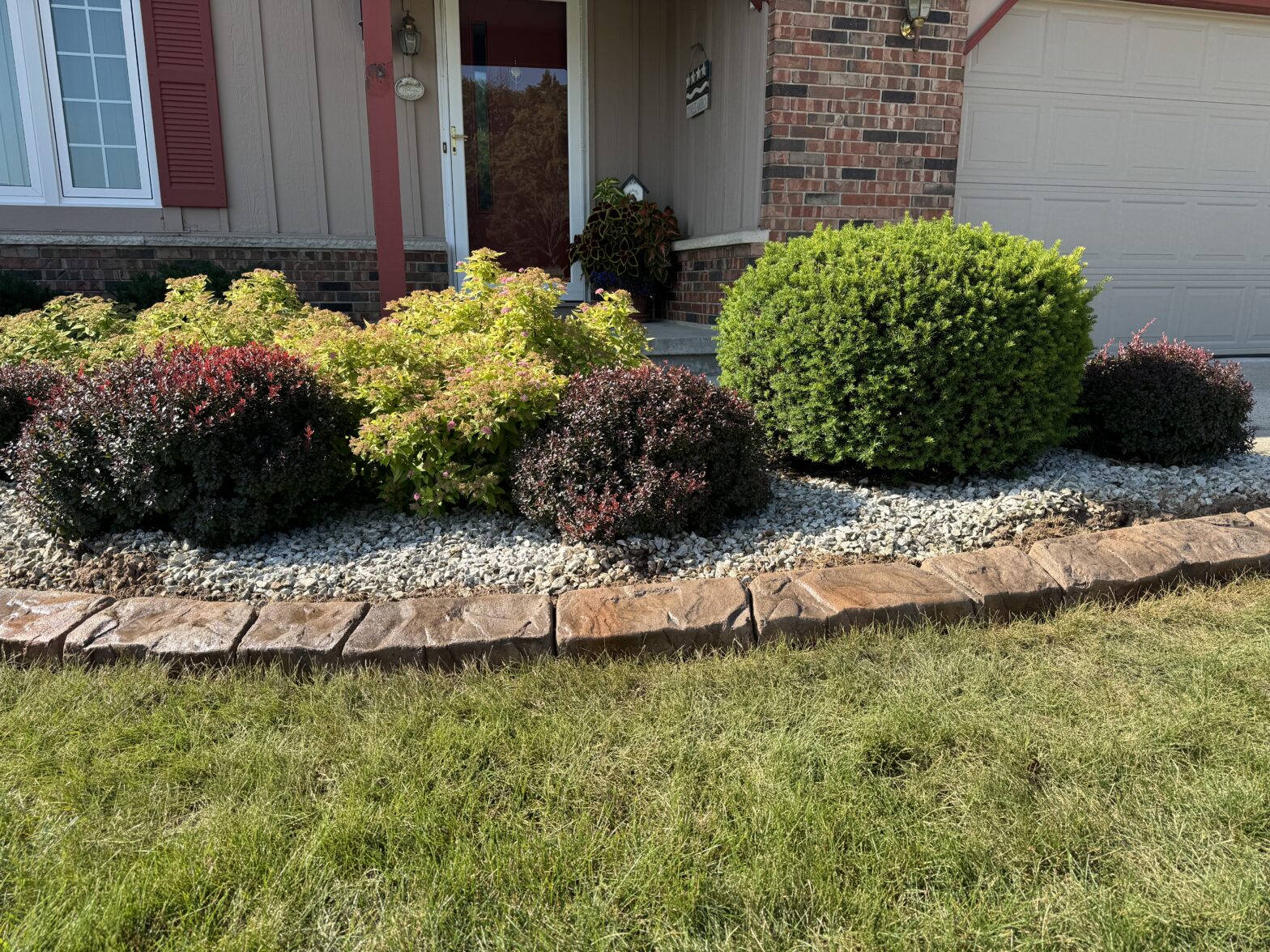
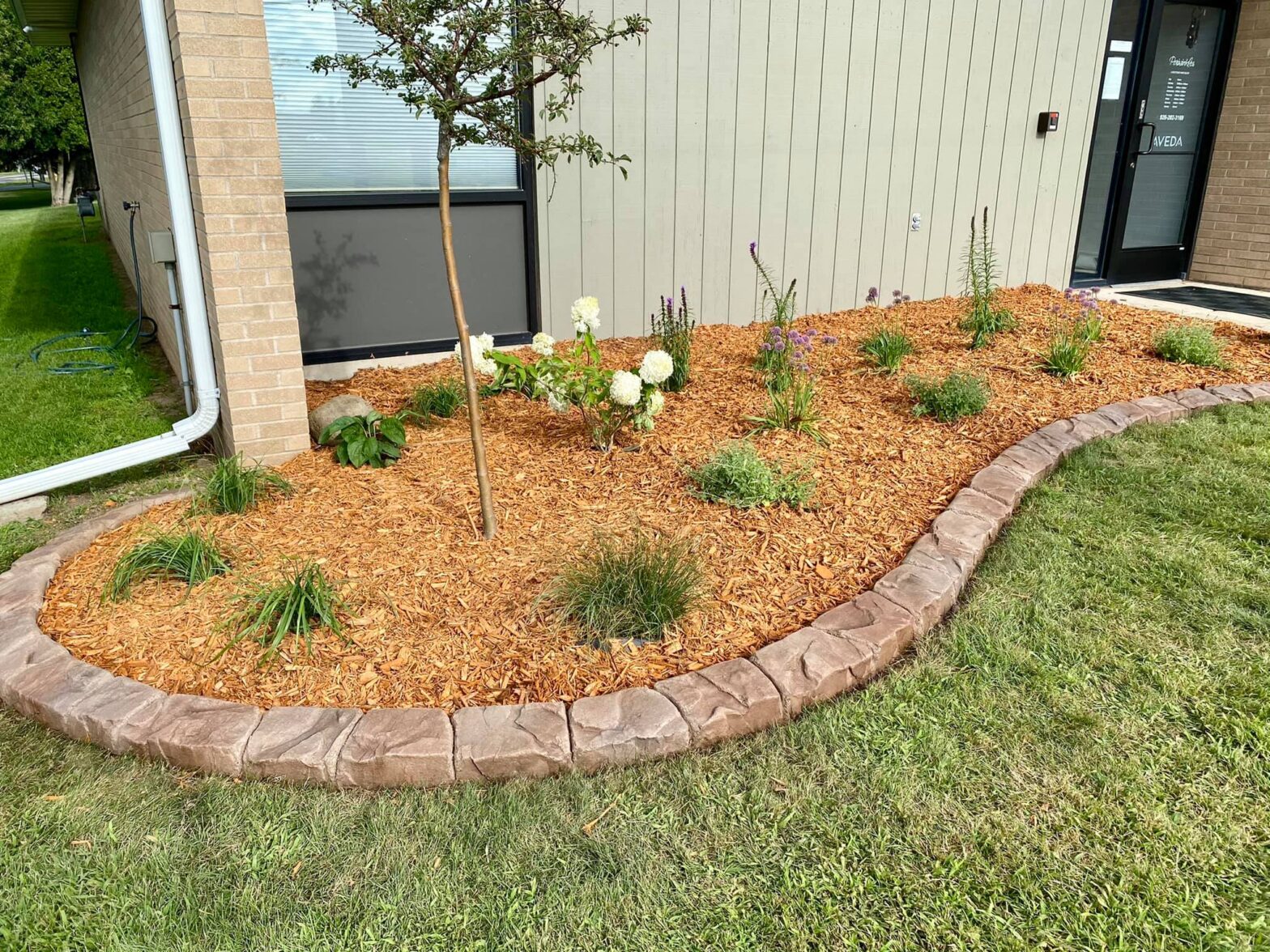
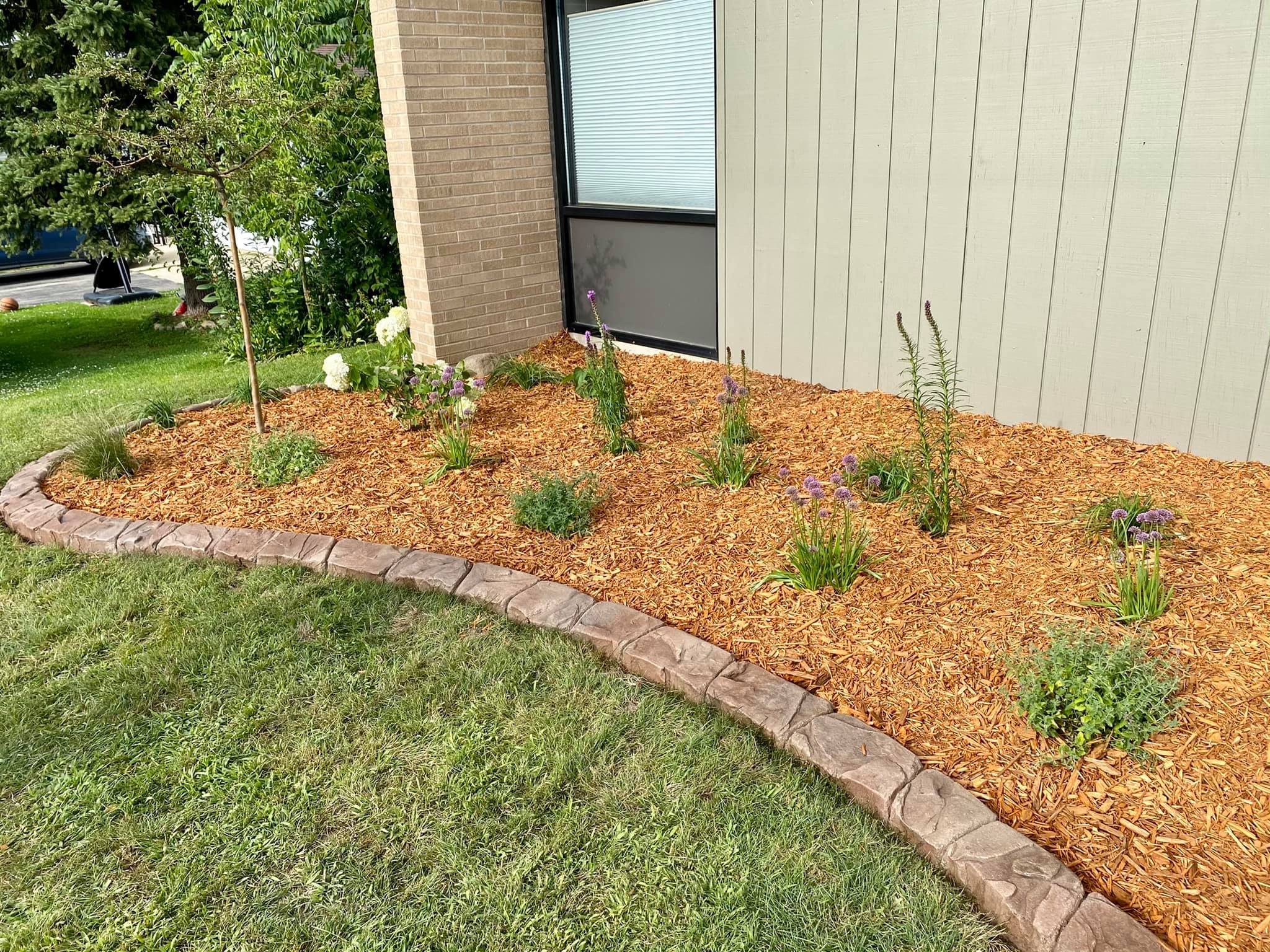
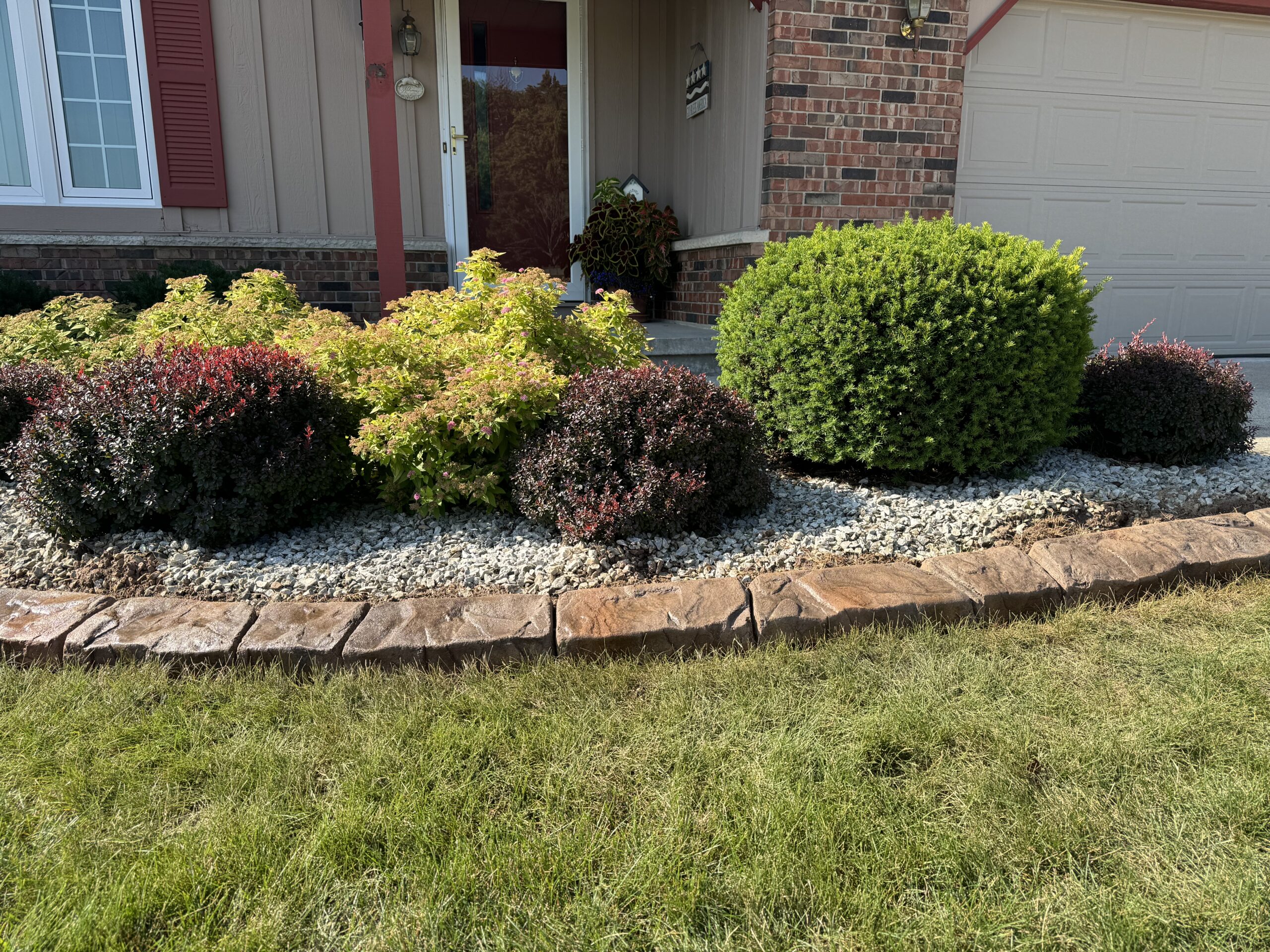
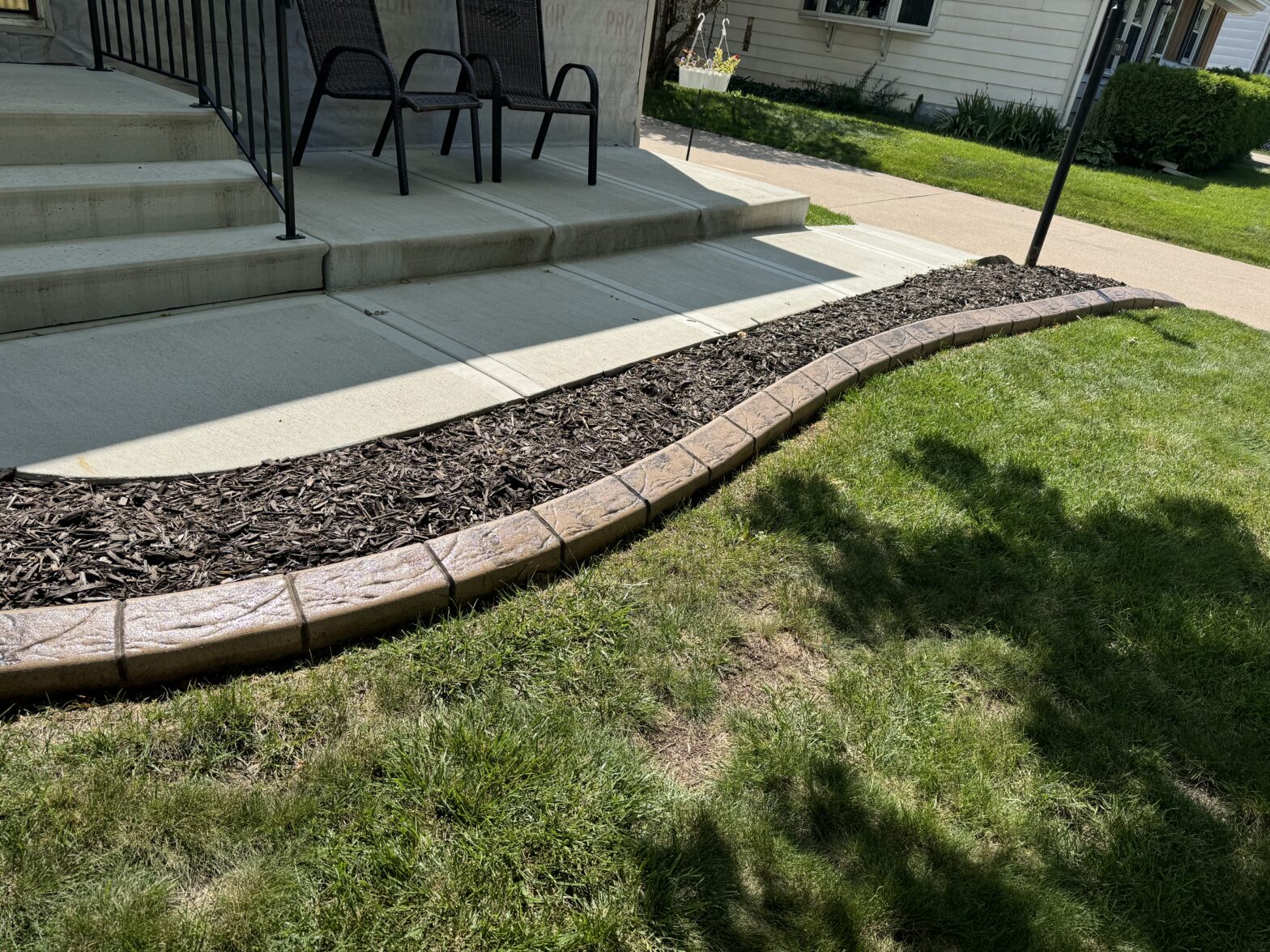
This is a strong selling point for your curbing business. Concrete curbing can be stamped and colored to mimic the stone aesthetic your customer wants, but without the seams that make stone edging fail as a mulch barrier. You’re offering the look they love with the performance they need.

5. Concrete Curbing

Startup costs and ROI

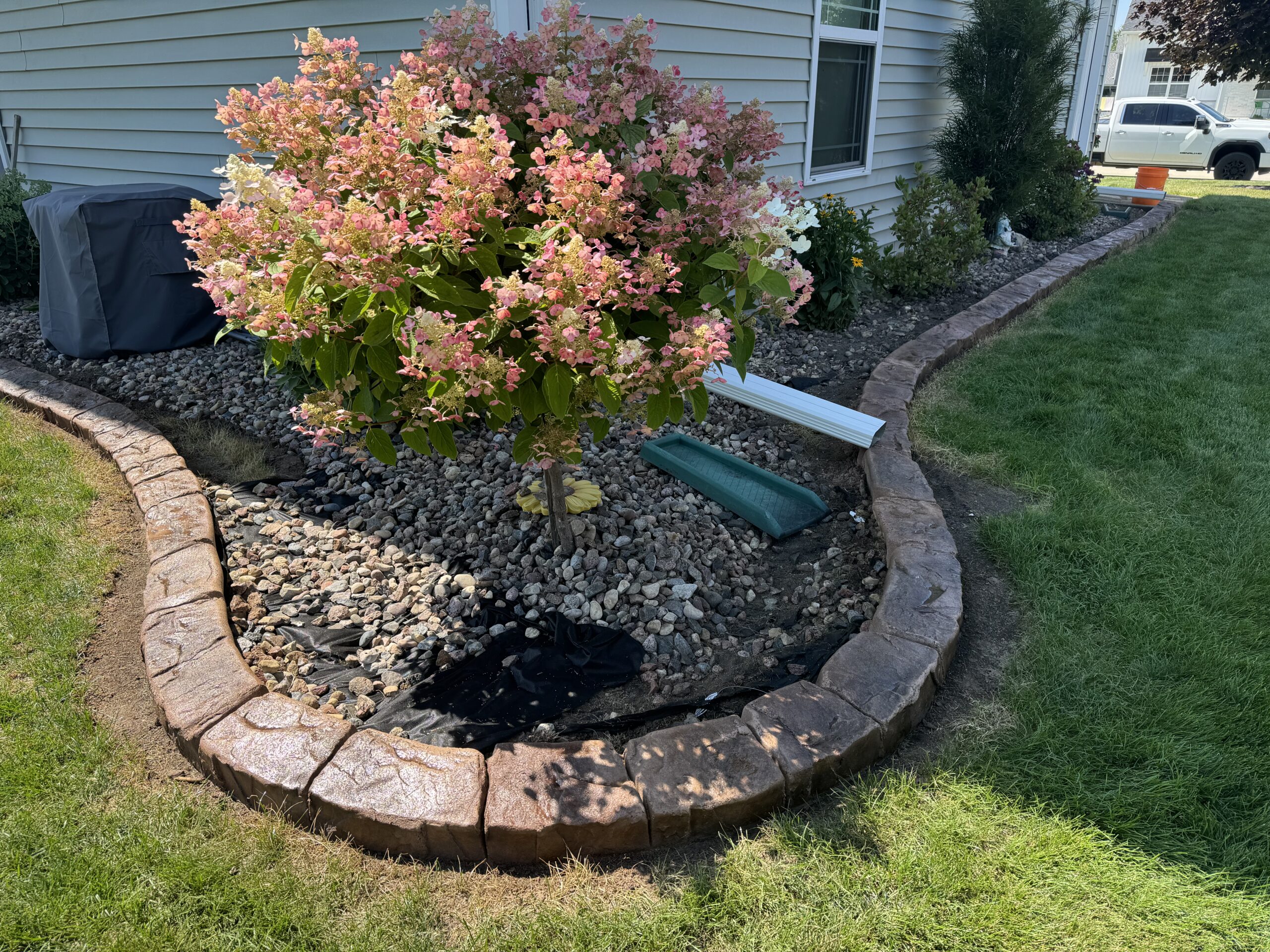
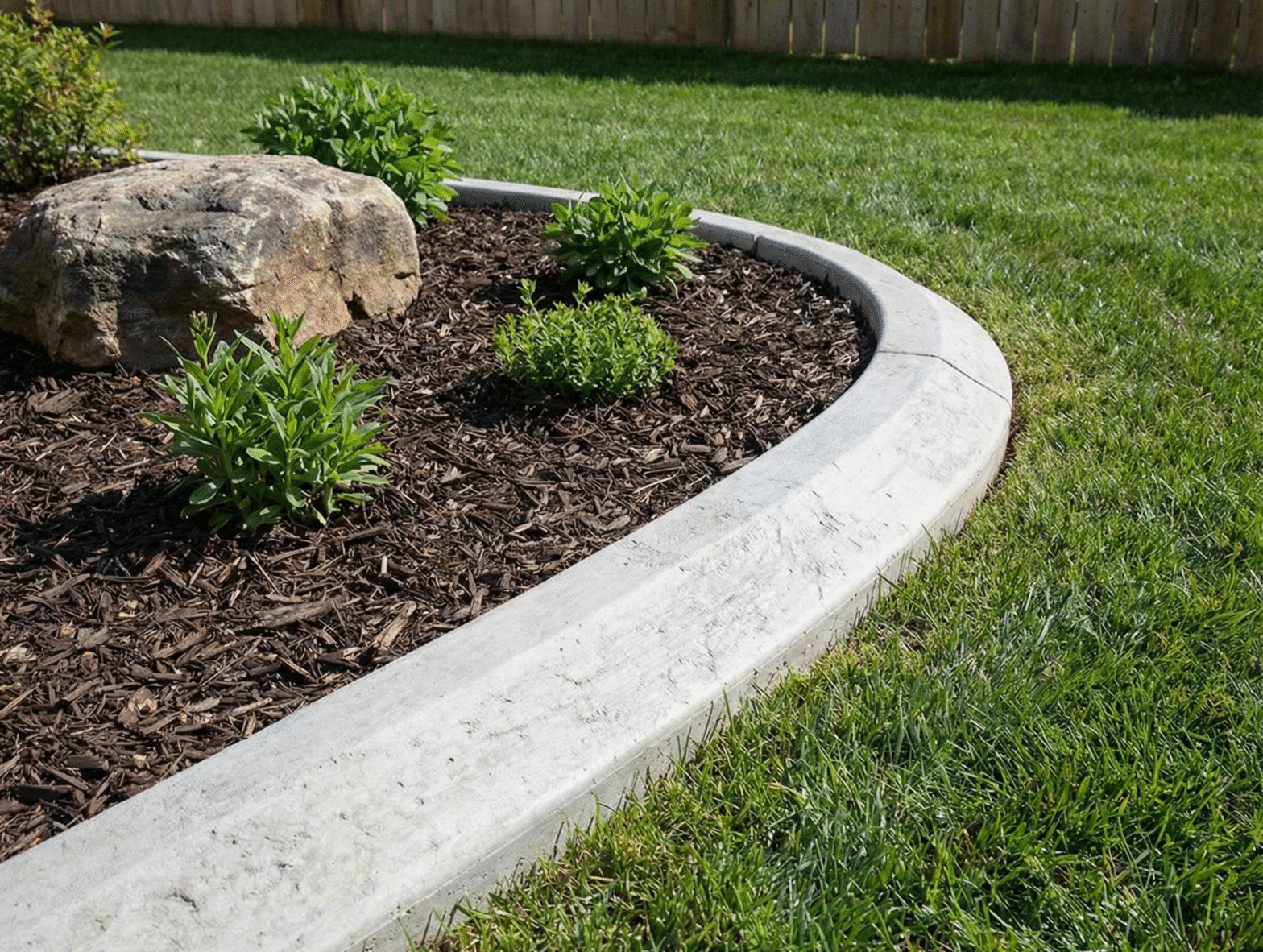
This is what you’re selling, and it’s the only option on this list that eliminates the gap problem entirely. Poured concrete curbing is extruded as a single continuous border: no seams, no joints, no places for mulch to escape. It doesn’t heave. It holds its color far longer than plastic or rubber, especially with periodic sealing. Once it cures, it’s there for decades.

For your business, mulch control is one of the strongest entry points into residential work. Every homeowner with failing edging is a potential curbing customer, and “mulch keeps spreading” is a problem they already understand. You don’t have to educate them on why they need you; they’ve already lived through the frustration. Residential mulch-control jobs frequently convert into repeat customers who come back for driveways, patios, and full-yard borders. You can see the kind of work that builds those relationships in contractor success stories from across the country.

Frequently Asked Questions

Why Is Mulch Control a Good Entry Point for a New Curbing Business?

Mulch containment is a problem homeowners already recognize and have already tried to solve with DIY products. By the time they contact a curbing contractor, they’ve spent money on failed solutions and are motivated to pay for something permanent. The jobs are relatively quick, the results are immediately visible, and satisfied customers frequently refer neighbors and come back for larger projects.

How Do I Sell Concrete Curbing Against Cheaper DIY Edging Options?

Walk the customer through the failure cycle they’ve already experienced. Most prospects have tried plastic or rubber edging and watched it fail. Acknowledge what they’ve spent, explain why those materials can’t hold up long-term, and position your curbing as the last time they’ll ever deal with the problem. Focusing on lifetime cost versus replacement cost reframes the conversation from “expensive” to “permanent.”

What Equipment Do I Need to Start Offering Residential Curbing Services?

Curb Depot offers complete curbing equipment packages that include the extruding machine, molds, and training to get you running jobs quickly. The startup investment pays for itself within the first handful of residential projects, especially in markets where mulch control and bed edging are common pain points for homeowners.

Your Competitive Advantage

Every failed plastic strip and cracked rubber border in your service area is a lead waiting to convert. Homeowners searching for the best landscape edging for mulch have already identified the problem. They just haven’t found the permanent answer yet. That’s where you come in.

Curb Depot gives you the equipment, training, and support so you can be that answer. Call (920) 740-2218 or browse through our curbing packages to see what it takes to start turning failed edging into your next curbing job.

Ready to Order Your New Curbing Trailer? Request More Info.

Give us a call at (920) 740-2218 or simply fill out the form below to learn more about getting all the tools and training to get started. We make the process easy to start earning money in landscape curbing.
 

    Starting a curbing businessThe Hartpen Curbing MachineThe Curbing TrailerNatural Stone or Basic Training

    Best Edging for Flower Beds: Budget to Premium Options

    The best edging for flower beds ranges from $0.50/foot plastic strip all the way to $8–$15/foot installed concrete curbing. Most homeowners start by searching this exact question online, comparing cheap options side by side. As a curbing contractor, understanding what your customers are looking at (and why they eventually call you) is how you close more jobs and position concrete curbing as the obvious upgrade.

    Curb Depot breaks down each tier below for contractors.

    What Your Customers Try First: Plastic and Rubber Edging

    Startup costs and ROI

    Plastic and rubber edging are the entry points nearly every homeowner hits before they ever search for a curbing contractor.

    Plastic Strip Edging

    Plastic strip edging costs $0.50–$1.50 per foot and only takes a Saturday afternoon to set up. It’s the most common DIY flower bed border in the country. But here’s the problem your future customers discover: it heaves, fades, and cracks within 3–5 years, especially in freeze-thaw climates across the Midwest and Northeast. That failure cycle is what drives phone calls to contractors like you. Homeowners get tired of re-staking and replacing cheap edging every few seasons, and they start searching for a permanent fix.

    Rubber Edging

    Rubber edging ($1–$3/foot) lasts a bit longer and handles curves better, but it still shifts in loose soil and needs maintenance. Neither product is a real competitor to what you offer; they’re feeder products.

    Every roll of plastic edging sold at a hardware store is a future lead for a curbing business. For a closer look at how these products perform and fail, our plastic garden edging guide covers what homeowners experience firsthand.

    The Middle Tier: Brick, Paver, and Metal Edging

    Startup costs and ROI

    Mid-range options are where homeowners spend real money without getting permanent results—and where your sales pitch gets sharper.

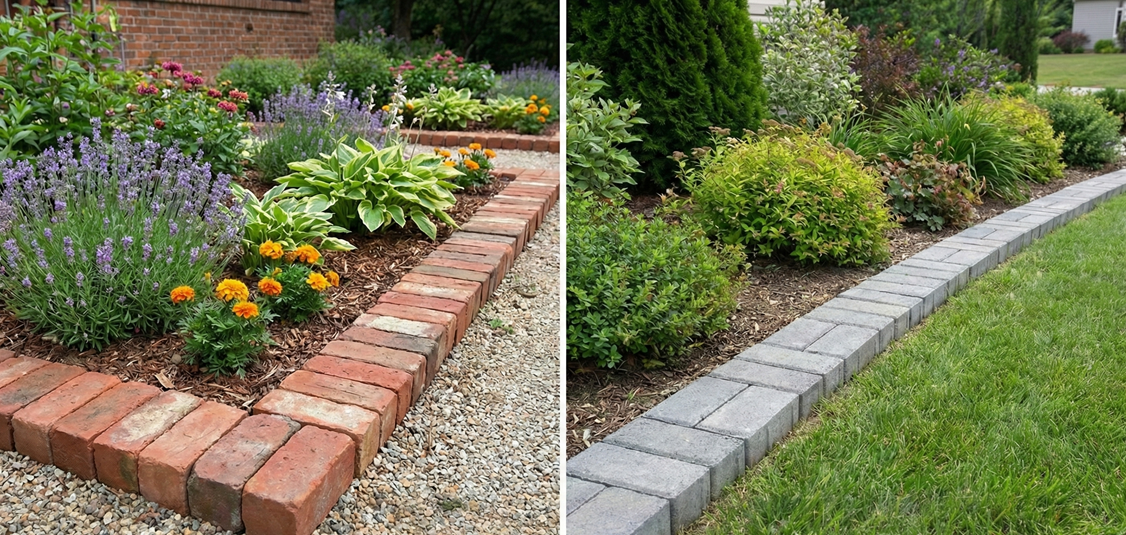
    Brick and paver edging runs $2–$5 per foot. It looks good initially, but individual units shift over time from root pressure, frost heave, and settling. Homeowners who install brick edging spend weekends resetting pieces that have popped out of alignment. After a few years of that, they’re ready to hear about a one-piece solution that doesn’t move. Our blog post, the best bricks for landscape edging breakdown shows what these products promise versus what they deliver long-term.

    Steel and aluminum edging ($3–$8/foot) is the strongest mid-range competitor to concrete curbing. It creates a clean, modern edge line and can last 15–20 years. But it can’t match the visual customization of stamped concrete, and it doesn’t offer you the same margin. Metal edging is a product sale. Concrete curbing is a service: your labor, your equipment, your expertise. That’s where the real business is.

    Your Premium Offering: Concrete Curbing

    Startup costs and ROI

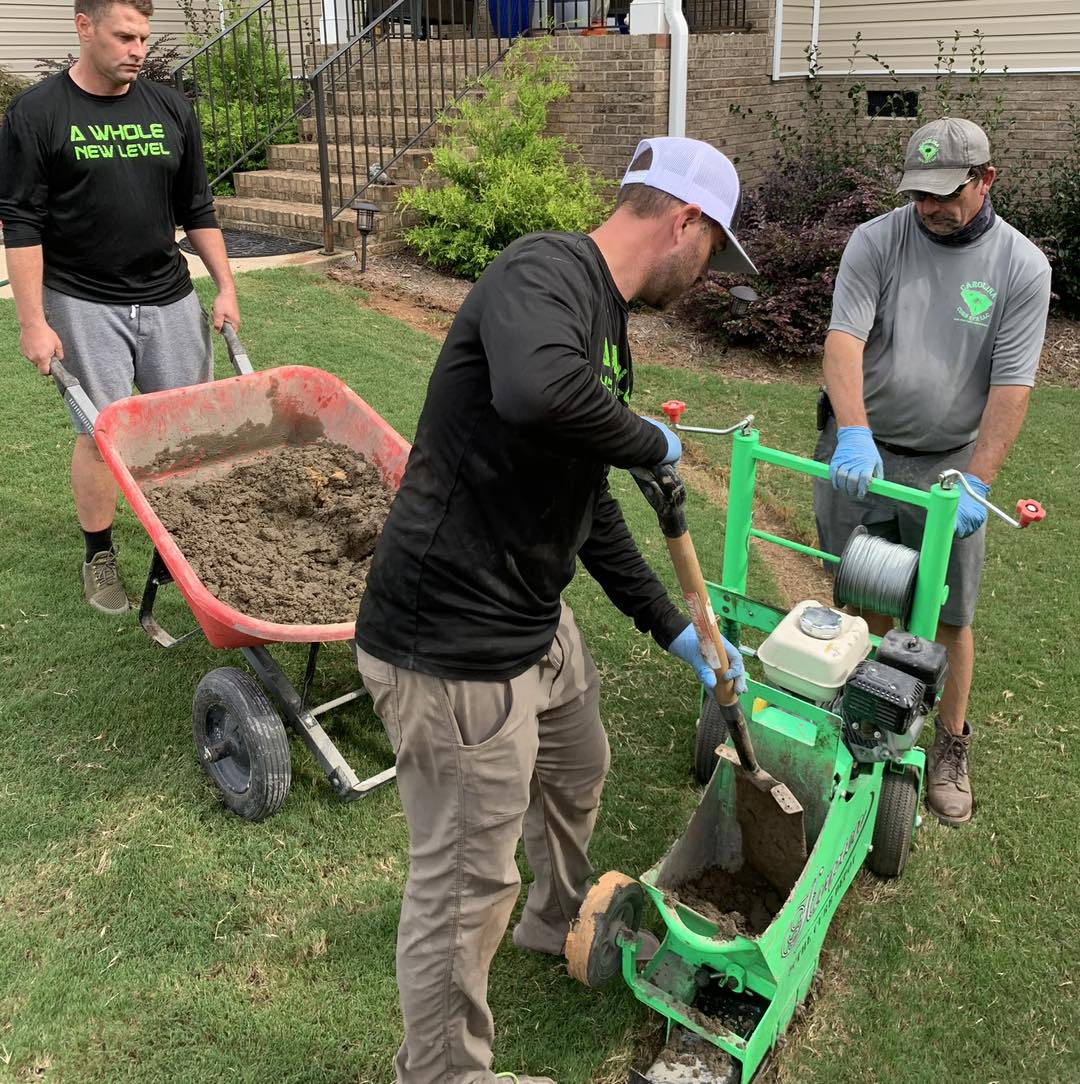
    This is the product you’re building a business around, and it’s in a category by itself. A machine-extruded concrete border is one continuous piece: no gaps, no joints, no individual components that shift or heave. You install it on-site with your curbing machine, stamp it with texture, and integrate color directly into the mix.

    Installed pricing runs $8–$15 per linear foot, and your material cost per foot is a fraction of that. The margin on concrete curbing is strong, especially on larger residential jobs with multiple beds. A single flower bed job might run 50–100 linear feet. A full property with front beds, tree rings, and driveway borders can push 300+ feet—and those upsells happen naturally once the customer sees the first section poured.

    Concrete curbing can last 20–30+ years with minimal maintenance, primarily periodic sealing every few years. In freeze-thaw regions, that durability argument closes deals by itself. The concrete is reinforced with steel cable, so it holds its position season after season while the neighbor’s plastic edging buckles every spring.

    For customers comparing concrete to natural stone pavers, the natural stone vs. concrete pavers comparison gives you a resource to share during the sales conversation.

    Frequently Asked Questions

    How Do I Sell Concrete Curbing Against Cheaper Edging Options?

    Lead with the replacement cycle. Plastic edging fails in 3–5 years, brick shifts and needs resetting, and even metal edging can’t match the finished look of stamped concrete. Show customers the total cost of ownership over 10–15 years. A $0.50/foot plastic border replaced three times costs more than a one-time concrete install (and looks worse every cycle). That math closes jobs.

    What Kind of Margins Can I Expect on Flower Bed Curbing Jobs?

    Material costs for concrete curbing typically run $1–$3 per linear foot depending on mix, colorant, and region. With installed pricing at $8–$15 per foot, your gross margins on a typical residential flower bed job are strong. A 100-foot job billed at $10/foot brings in $1,000 in revenue with roughly $200–$300 in materials. Labor and equipment overhead vary, but the per-job profit on flower bed work makes it a reliable bread-and-butter service line.

    Is Flower Bed Curbing a Good Entry Point for a New Curbing Business?

    Yes. Flower bed edging jobs are smaller in scope, faster to complete, and easier to sell than full hardscape projects. They’re ideal for building a portfolio, generating referrals, and getting comfortable with your equipment. Many successful curbing contractors started with flower bed and tree ring work before expanding into driveways, walkways, and commercial projects.

    Position Concrete Curbing as the Answer

    Startup costs and ROI

    Every homeowner searching for the best edging for flower beds is working through the same comparison you just read. They look at plastic, consider brick, maybe price out metal—and most of them end up frustrated within a few years. That frustration is your market.

    Your job as a curbing contractor is to show up as the permanent solution after the temporary ones fail. Know the products, know the failure timelines, and know the cost-over-time math. That positions you as the expert, not just a vendor.

    If you’re ready to start or grow a curbing business, Curb Depot’s Curbing Packages give you everything you need: machines, molds, business support, and the knowledge to turn every flower bed lead into a profitable job.

    Ready to Order Your New Curbing Trailer? Request More Info.

    Give us a call at (920) 740-2218 or simply fill out the form below to learn more about getting all the tools and training to get started. We make the process easy to start earning money in landscape curbing.
     

      Starting a curbing businessThe Hartpen Curbing MachineThe Curbing TrailerNatural Stone or Basic Training

      6 Tree Ring Edging Ideas That Boost Curb Appeal

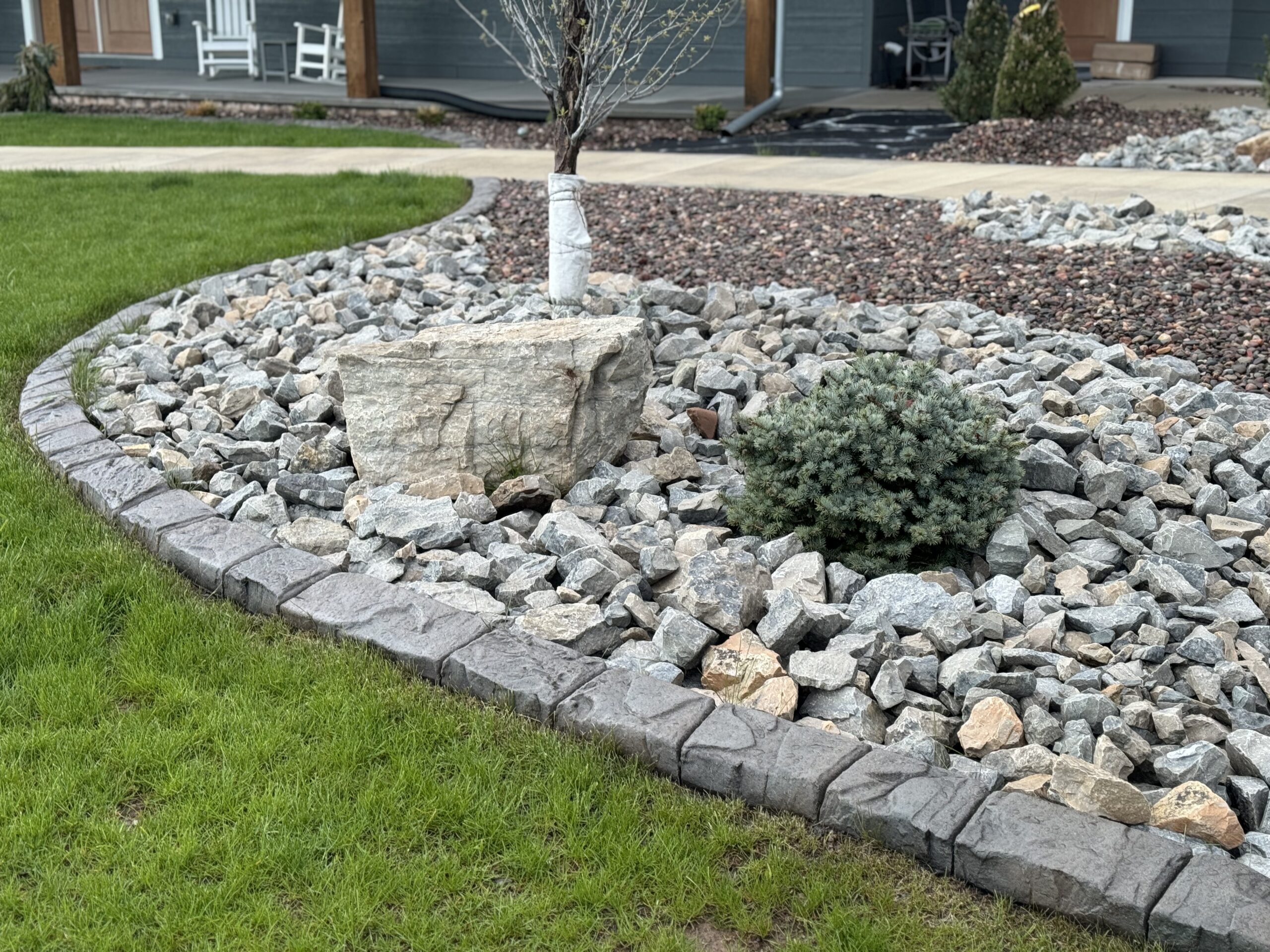
      Tree ring edging ideas are one of the most common requests curbing contractors field from residential clients. Knowing every option helps you sell the one that actually makes you money. From stamped concrete to loose river rock, homeowners browse Pinterest and show up with different ideas. Your job is to guide them toward the material that delivers lasting results and a strong profit margin.

      Curb Depot has trained curbing contractors across North America, and we’ve tracked which tree ring styles generate repeat business and referrals versus which ones lead to callbacks. The six options below are what your prospects are comparing. Understanding the strengths and weaknesses of each one lets you position concrete curbing as the premium solution with confidence. Here are the six styles, ranked from highest-margin to lowest.

      1. Stamped Concrete Curbing

      Startup costs and ROI

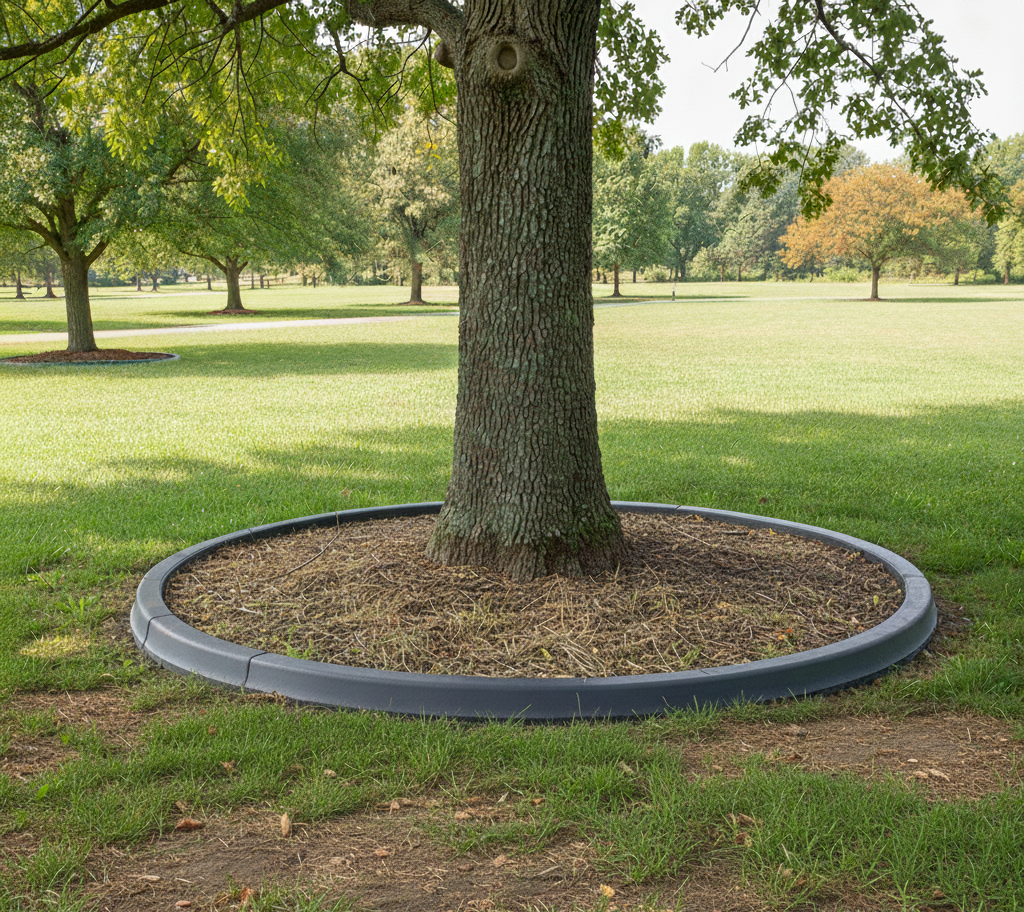
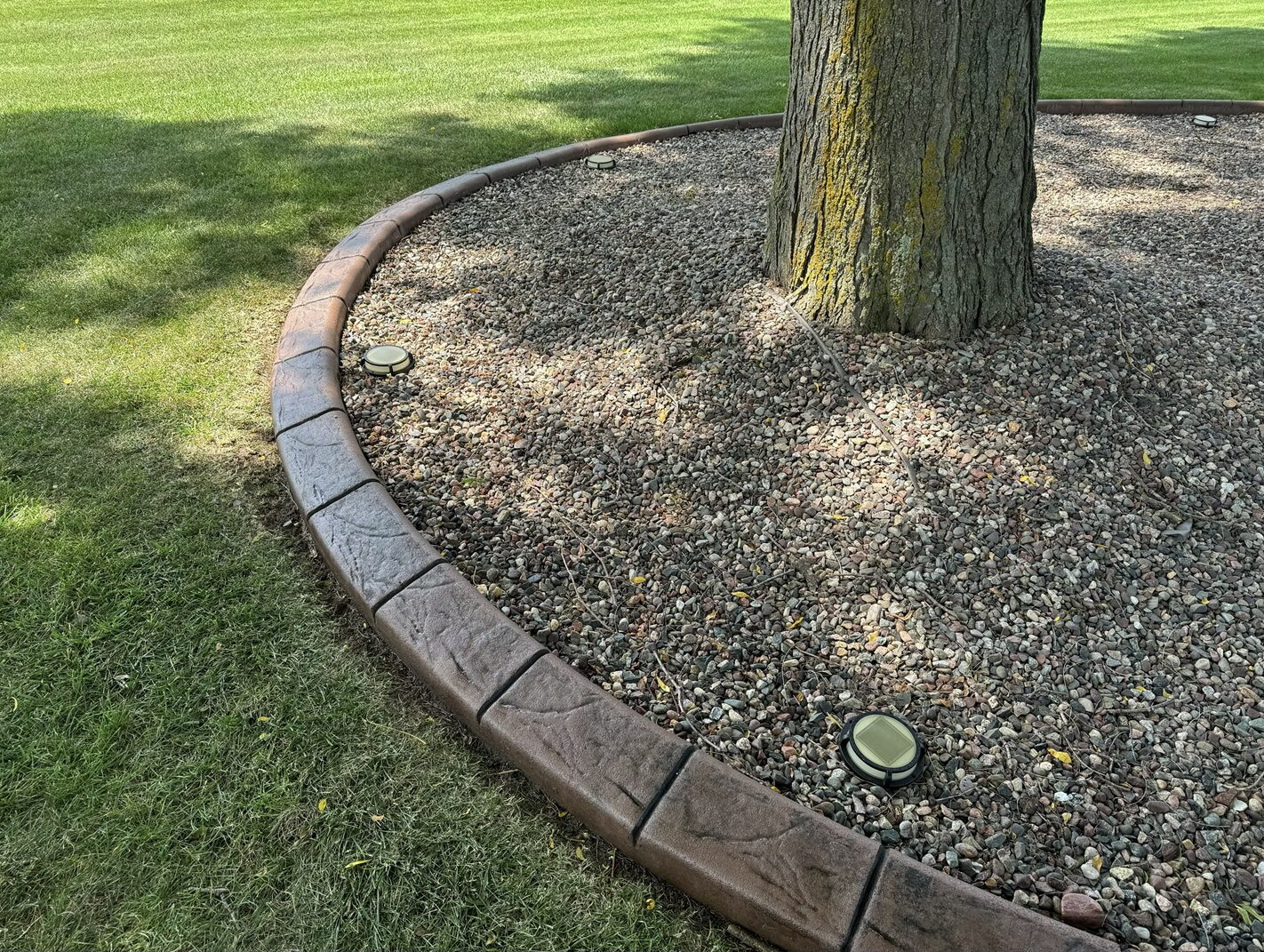
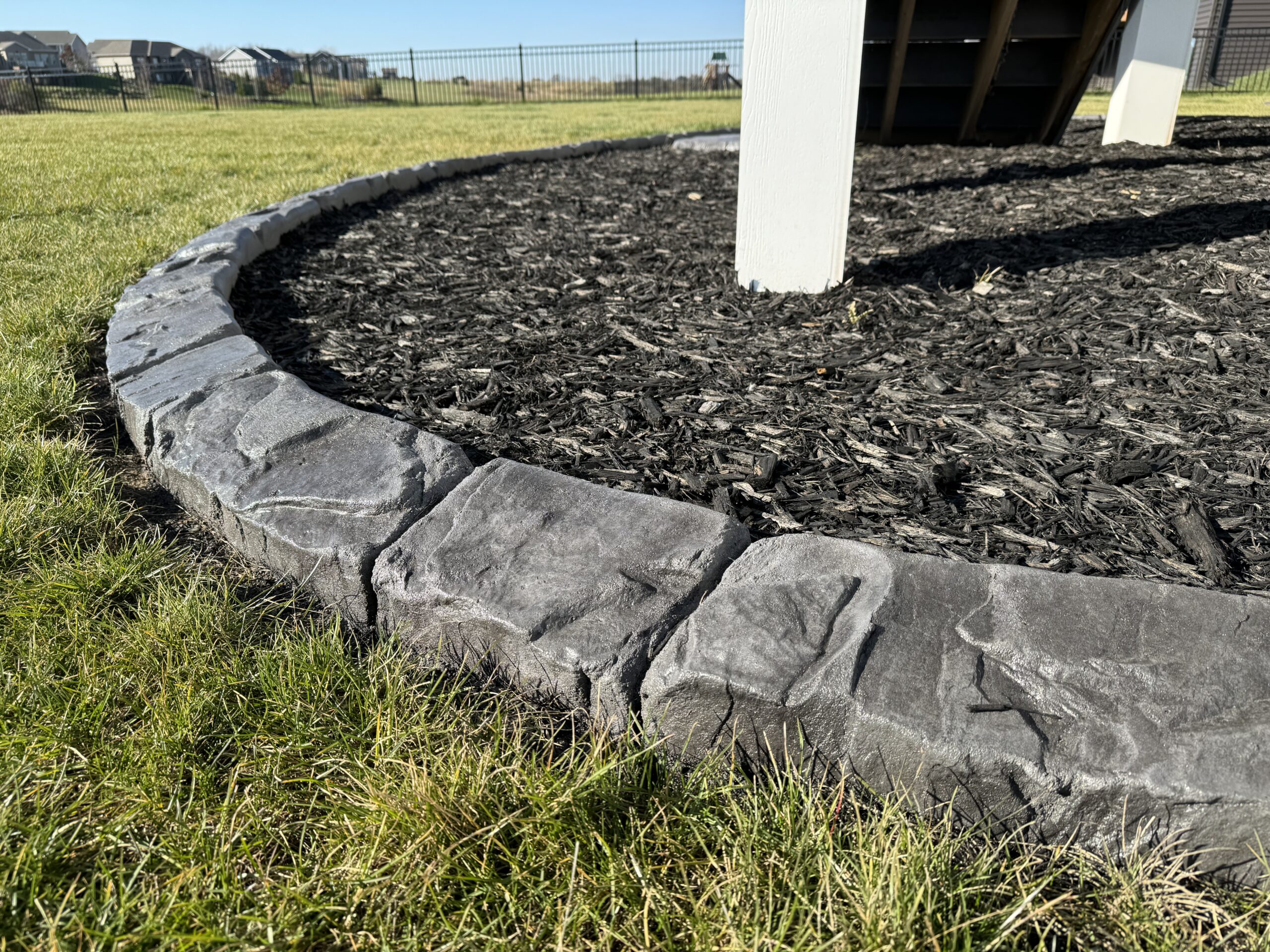
      This is your bread and butter. Stamped concrete tree rings are the highest-margin, lowest-callback option you can offer. You extrude a continuous ribbon of concrete on-site, forming a seamless ring with no joints where moisture can infiltrate and cause freeze-thaw damage. No gaps means no heaving, which means no angry phone calls in April.

      The upsell opportunity here is real. Once a customer sees your curbing stamps (flagstone, cobblestone, brick, slate), a basic tree ring turns into a premium job. You’re pressing texture into wet concrete that mimics hand-laid stone, and customers will pay significantly more for a stamped finish over a plain mow strip.

      A stamped concrete tree ring can last over 20 years with periodic sealing, so you’re selling a product you can stand behind without worrying about warranty issues down the road.

      2. Natural Stone Stamped Curbing

      Startup costs and ROI

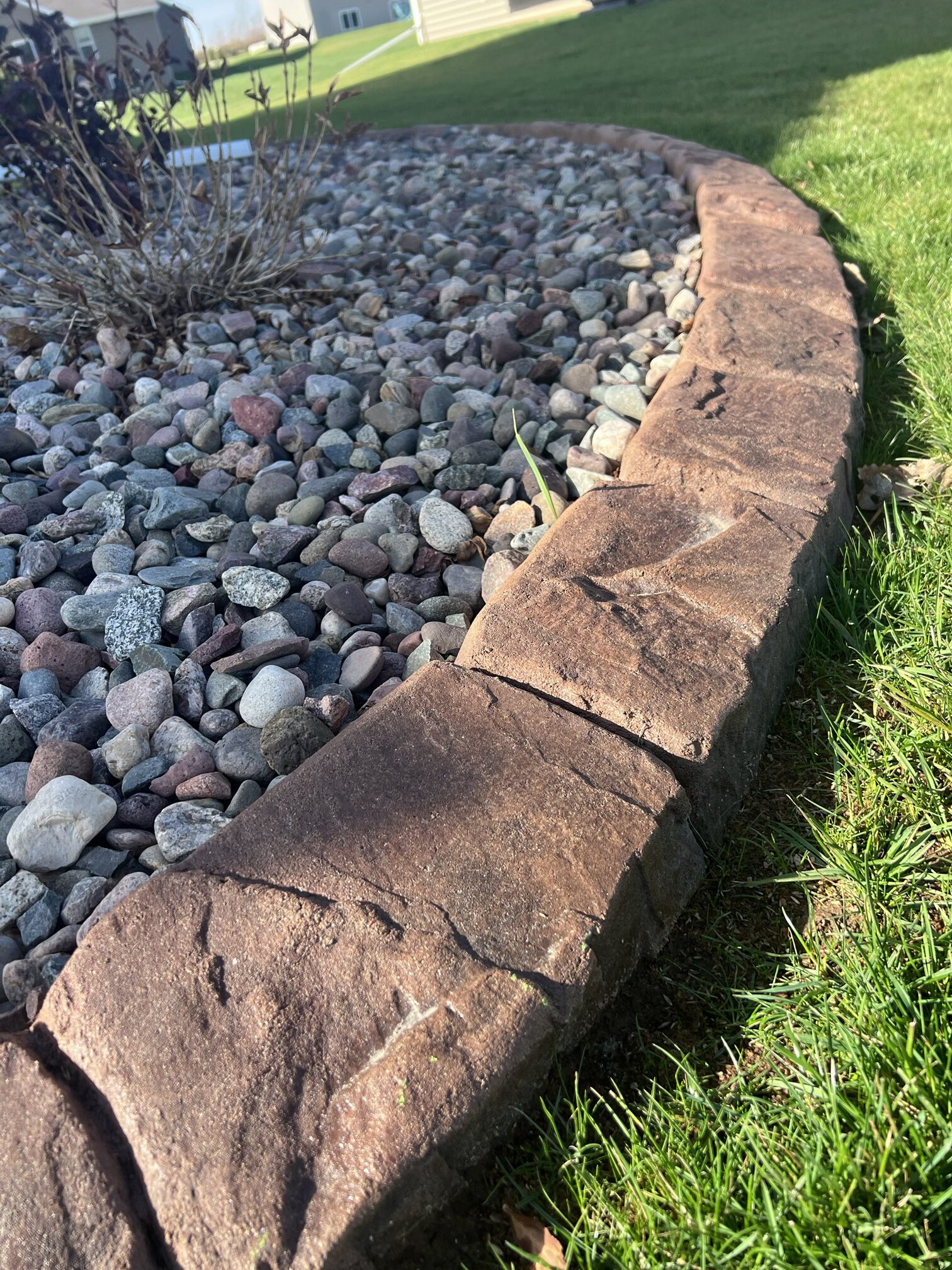
      Natural stone stamped curbing is poured concrete finished with a stone texture stamp, not actual fieldstone or stacked rock. That distinction is important when you’re talking to customers, because the performance gap is enormous. They get the warmth and organic look of real stone with the structural integrity of a continuous pour underneath.

      This is a strong upsell from standard stamped curbing. Curb Depot offers dedicated natural stone training that covers the specialized tooling and finishing technique. Customers who own older homes or have mature trees in their front yard often gravitate toward this look. Your pitch is simple: “You get the stone aesthetic without the stone maintenance.”

      In northern climates, this option sells itself once you explain that individual stones heave and shift while a continuous pour stays put. Higher perceived value, higher ticket price, same equipment.

      3. Brick or Paver Rings

      Startup costs and ROI

      You’ll hear about these constantly from customers who watch home improvement shows. Brick and paver tree rings have a classic look, they’re DIY-friendly, and that’s exactly the objection you’ll face: “Why would I pay you when I can do it myself?” Here’s how you handle it.

      Acknowledge the look: it is attractive. Then talk about what happens after the first winter. Individual bricks and pavers shift, tip, and pop when soil freezes and expands. A ring that looks sharp in September needs re-leveling by May, and most homeowners won’t do it. That’s your opening. You’re not trashing brick. You’re explaining the maintenance reality and offering a better-performing alternative.

      For customers who still lean toward brick, the guide on best bricks for landscape edging is a useful resource you can share. It keeps them in your sales funnel even if they don’t convert immediately.

      4. Metal Edging Rings

      Startup costs and ROI

      Steel and aluminum edging strips bent into a circle are the minimalist option your customers might bring up. The look is clean and modern: a thin, barely-visible border that holds mulch in place. Galvanized steel and powder-coated aluminum resist rust reasonably well, and the material cost is low.

      From a business standpoint, metal edging isn’t your competitor. It’s a different category. Customers who want metal edging are usually price-shopping for a quick fix, not investing in curb appeal. The profit margin on installing metal rings is thin, and the product doesn’t showcase your skills or equipment.

      If a prospect mentions metal edging, use it as a comparison point: show them what stamped concrete looks like next to a metal strip, and let the visual do the selling.

      5. River Rock Border

      Startup costs and ROI

      Loose river rock borders come up often because they look good in photos and the material is cheap. Rounded stones, typically 1 to 3 inches, sit in a ring around the tree, creating a natural, low-key look that appeals to cottage-style and woodland properties.

      The reality you can share with customers: river rock migrates. Foot traffic, mowing, and freeze-thaw cycles push stones out of the ring over time. Annual raking and top-ups are part of the deal, and weeds grow through unless there’s a barrier underneath. This isn’t a product you’d install, but knowing its weaknesses helps you redirect conversations.

      Comparing natural stone vs. concrete pavers gives customers a clear look at how loose materials stack up against poured options over time—another resource that supports your concrete curbing pitch.

      6. Timber or Railroad Tie Rings

      Startup costs and ROI

      Timber rings and railroad ties are the budget-rustic option. Customers see them at home improvement stores, they’re cheap, and they require zero specialized equipment to install. For farmhouse and craftsman-style homes, they deliver immediate visual impact.

      The lifespan conversation is where you win this one. Treated landscape timber lasts 5 to 10 years before rot and insect damage show up. Railroad ties last longer but contain creosote, which raises concerns near garden beds. When a customer mentions timber, you have a natural opening: “That’ll look great for a few years, but here’s what it looks like past year five. Let me show you something that lasts four times as long.” That contrast between a timber ring and a stamped concrete ring that can last over 20 years is one of the easiest closes in the curbing business.

      Frequently Asked Questions

      How Do I Price Tree Ring Edging Jobs for Maximum Profit?

      Tree ring jobs are high-margin add-ons to standard curbing work. Most contractors price per linear foot, with stamped finishes commanding a premium over plain concrete. The key is bundling. Offer the tree ring as part of a full-property curbing package rather than a standalone job. Your material cost per ring is low, the install time is short, and the perceived value to the homeowner is high. Curb Depot’s training programs cover pricing strategy alongside installation technique.

      What’s the Best Way to Sell Concrete Curbing Over DIY Brick or Paver Rings?

      Lead with maintenance, not materials. Most homeowners don’t realize that brick and paver rings need annual re-leveling in freeze-thaw climates. Show before-and-after photos of heaved paver rings versus stamped concrete rings after a hard winter. The visual comparison does the heavy lifting. Then reinforce the value: one professional installation that can last 20+ years versus a DIY project that needs attention every spring.

      Which Curbing Stamps Work Best for Tree Ring Jobs?

      Natural stone and flagstone stamps are the top sellers for tree rings because they complement the organic setting around a tree base. Cobblestone and brick stamps also perform well, especially in traditional neighborhoods. Curb Depot carries a full line of curbing stamps designed for tight-radius work, which is exactly what tree rings require. Having three or four stamp options in your trailer gives customers choices on-site and increases your average ticket.

      Turn Tree Rings Into a Profit Center

      Every residential property with a mature tree is a potential tree ring job, and most of your competitors aren’t even offering them. The six options above are what your customers are browsing online. Your advantage is knowing the performance and maintenance reality behind each one so you can confidently steer them toward stamped concrete curbing.

      Tree rings are fast to install, high-margin, and they make the rest of your curbing work look even better on the finished property. Curb Depot’s equipment packages and hands-on training give you everything you need to add tree rings to your service menu so you can start closing jobs this season.

      Ready to Order Your New Curbing Trailer? Request More Info.

      Give us a call at (920) 740-2218 or simply fill out the form below to learn more about getting all the tools and training to get started. We make the process easy to start earning money in landscape curbing.
       

        Starting a curbing businessThe Hartpen Curbing MachineThe Curbing TrailerNatural Stone or Basic Training

        Concrete Sealing for Landscape Curbing: When, Why, and How to Seal

        Sealing concrete landscape curbing protects integral color from fading, prevents surface spalling in freeze-thaw conditions, and can be the difference between curbing that lasts 10-15 years and curbing that lasts 25-30 years or more. For curbing contractors, sealing is one of the easiest recurring revenue streams. Curb Depot recommends applying a quality sealer 28-30 days after installation, then resealing every 2-3 years.

        Most concrete curbing doesn’t fail because of structural problems. It fails because of surface neglect. The most common cause of premature curbing deterioration is color loss and spalling (surface flaking) that set in when curbing goes unsealed year after year. The fix costs $50 to $100 in sealer material and a few hours of labor every couple of years, which means it’s a high-margin add-on for contractors and an easy sell to customers who want to protect their investment.

        Why Most Curbing Fails Before Its Time

        Startup costs and ROI

        The color in concrete landscape curbing comes from integral pigment, a dye mixed directly into the concrete before it’s extruded. That color isn’t a surface coating. Without a protective barrier on top, UV rays break down the surface of the concrete and accelerate fading. Within a few seasons, a rich terracotta or charcoal curb can look washed out and chalky.

        The other threat is moisture. In most of the country, temperatures swing above and below freezing dozens of times each winter. Unsealed concrete is porous, which means it absorbs water. When that water freezes, it expands—and that expansion is what causes spalling. Once spalling starts, it compounds quickly.

        Good concrete sealers block both pathways. They keep UV from degrading the surface and prevent moisture from penetrating the concrete in the first place. For contractors, offering sealer as a maintenance add-on protects your finished work—and your reputation—years after installation. It’s also a built-in callback: every 2-3 years, you’re back on the customer’s property with a reason to upsell additional curbing or repairs.

        When Is the Right Time to Seal Concrete Curbing?

        Startup costs and ROI

        Most contractors don’t emphasize timing enough when they talk to customers. Fresh concrete needs time to fully cure before any sealer is applied. That window is 28-30 days after installation. Sealing too early traps moisture inside the concrete and can cause the sealer to bubble, peel, or fail to bond entirely.

        After that first application, the rule of thumb is every 2-3 years. A simple field test tells you more than a calendar: pour a small amount of water on the curbing surface. If it beads up, the sealer is still doing its job. If it soaks in, it’s time to reseal. That bead test takes 30 seconds and removes all guesswork.

        How To Seal Concrete Curbing the Right Way

        Startup costs and ROI

        Applying sealer is a four-step process. Skipping or rushing any step is where most problems originate.

        Step 1: Clean the Surface

        Pressure wash or scrub the curbing with a concrete cleaner to remove dirt, mold, and efflorescence (the white mineral deposits that appear when water moves through concrete and leaves calcium or salt residue behind). Efflorescence must be removed before sealing; locking it in under sealer makes it permanent.

        Step 2: Let It Dry Completely

        Allow at least 24 hours of drying time after cleaning. Moisture trapped under sealer causes bubbling and adhesion failure. If rain is in the forecast, wait.

        Step 3: Apply a Thin, Even Coat

        Thin coats bond better than thick ones. Most sealers require only one coat; some two-coat systems are used for high-traffic areas. Apply evenly with a sprayer or roller, working in sections to avoid lap marks.

        Step 4: Allow Full Cure Time

        Keep foot traffic off for 24-48 hours. Wait 72 hours before any vehicle or equipment crosses the curbing.

        Which Sealer Type Is Right for Your Curbing?

        Startup costs and ROI

        Two main categories exist, and the right choice depends on your finish goals.

        Penetrating sealers soak into the concrete and harden from within. They don’t change the surface appearance much. The finish stays matte, making them a strong choice for natural stone stamped curbing where a glossy coat would look out of place. They’re also extremely durable because there’s no surface film to scratch or peel.

        Film-forming sealers sit on top of the concrete and are available in matte, satin, or gloss finishes. They enhance color and give the curbing a richer, more polished look. They tend to show wear more visibly over time and typically need reapplication more regularly than penetrating options. For slant-style curbing and other decorative profiles where color payoff is a selling point, a film-forming sealer with a satin finish is a popular choice.

        Curb Depot carries sealers formulated specifically for landscape curbing, not generic concrete sealers that may cure too hard for the rounded profiles curbing machines produce.

        Frequently Asked Questions

        Should Curbing Contractors Offer Sealing as a Separate Service?

        Yes, sealing is one of the highest-margin add-ons in the curbing business. Material cost runs $50-$100 per job, labor is minimal, and most customers readily agree when you explain the protection it provides. Offering a sealing package at installation plus a recurring reseal service every 2-3 years builds predictable revenue and keeps you connected to past customers for future work.

        What Happens if I Never Seal My Concrete Curbing?

        Unsealed curbing typically shows noticeable color fading within 3-5 years and becomes vulnerable to spalling as moisture and freeze-thaw cycles degrade the surface. Curbing that is never sealed may need replacement in 10-15 years. Properly sealed and maintained curbing can last 25-30 years or longer, making sealing services one of the highest-return maintenance tasks available.

        Does Sealing Affect How Much Curbing Installation Costs Overall?

        Sealing is a separate maintenance cost from installation, typically $50-$100 in material every 2-3 years. It doesn’t change the cost of concrete curbing per linear foot upfront, but it significantly affects long-term value. Curb Depot recommends factoring a sealer application into the first-year budget so the curbing gets its initial protection at the right time.

        The Easiest Maintenance Dollar You’ll Spend

        A quality sealer applied at the right time is the single most cost-effective thing you can do to extend the life of concrete landscape curbing. Clean it, dry it, apply a thin coat, and let it cure. Do that every 2-3 years and the color stays rich, the surface remains intact, and the curbing keeps doing its job for decades.

        For contractors, sealer application is also a natural upsell that protects your work long after installation day. Browse Curb Depot’s sealer options to find the right product for your project or customer base—or reach out to the team directly to talk through which formulation fits your work.

        Ready to Order Your New Curbing Trailer? Request More Info.

        Give us a call at (920) 740-2218 or simply fill out the form below to learn more about getting all the tools and training to get started. We make the process easy to start earning money in landscape curbing.
         

          Starting a curbing businessThe Hartpen Curbing MachineThe Curbing TrailerNatural Stone or Basic Training

          How To Write a Business Plan for a Concrete Curbing Company

          A curbing business plan is a written document that outlines what your business does, who it serves, what it costs to operate, and how you’ll make money. It doesn’t need to be long. Five focused sections are enough to protect you from the most common and costly mistakes new curbing owners make. Curb Depot has helped over 500 people across North America launch curbing businesses, and the ones who struggle almost always skip this step.

          Most new curbing businesses that fail in the first two years made the same mistake: they started selling jobs before they knew their real costs. They underquoted, undercharged, and worked long days for margins that couldn’t sustain the business. The good news is a curbing business plan is simpler than it sounds. You don’t need a 40-page document. You need five things figured out on paper before you start.

          Your Executive Summary: One Page That Proves You’re Ready

          Startup costs and ROI

          The executive summary is the first section of your plan. It answers three questions in plain language: What does your business do? Who are your customers? And what does year one look like financially?

          Write one paragraph on each. Your business installs decorative concrete landscape curbing for residential homeowners, commercial properties, and HOAs. Your customers are homeowners who want clean, permanent borders between their lawn and landscape beds—no more plastic edging that shifts, fades, or disappears under a mower. Your year-one revenue goal might be $60,000 or $120,000 (or somewhere in between) depending on your market, your pricing, and how many days per week you plan to work. Getting specific forces clarity. A vague goal doesn’t motivate action or help you evaluate if your business is on track.

          Services and Pricing: Know Your Numbers Before You Quote

          Startup costs and ROI

          This section lists what you’ll install and what you’ll charge. But before you can set prices, you have to know your cost per linear foot. Skipping this is where most new operators get into trouble.

          Curb Depot’s pricing page on concrete curbing cost per linear foot is a strong starting point for understanding market rates. Your core styles will likely include slant curb, mower curb, square, and natural stone. Slant and mower are the workhorses—fast to install, high volume. Natural stone commands a premium: roughly $14 per linear foot versus $8 for basic styles, with the same material margins.

          Here’s how a real job breaks down. A 200-linear-foot job priced at $12 per foot generates $2,400 in revenue. Materials run about $475. Labor, including yourself, costs around $500. That’s $1,425 in profit for roughly eight hours of work. Curb Depot’s target for a well-run job is $1,000 or more in profit. Write your own version of this math into your plan before you quote anything.

          Market Analysis: Is Your Area Open for Business?

          Startup costs and ROI

          Most curbing markets in the U.S. and Canada are underserved. That’s the single biggest advantage for new operators who move fast.

          Research your local competition the same way your customers will: search “concrete curbing” on Google and drive through neighborhoods on the weekend. If you find zero to one active competitors, that’s a green light. Identify your three customer segments: residential homeowners replacing plastic edging, commercial properties maintaining clean borders around parking lots and landscaping, and HOAs managing curb appeal across dozens of homes. Each segment has different sales cycles and job volumes. Knowing which one you’ll pursue first keeps your marketing focused.

          Operations Plan: How You’ll Actually Run Jobs

          Startup costs and ROI

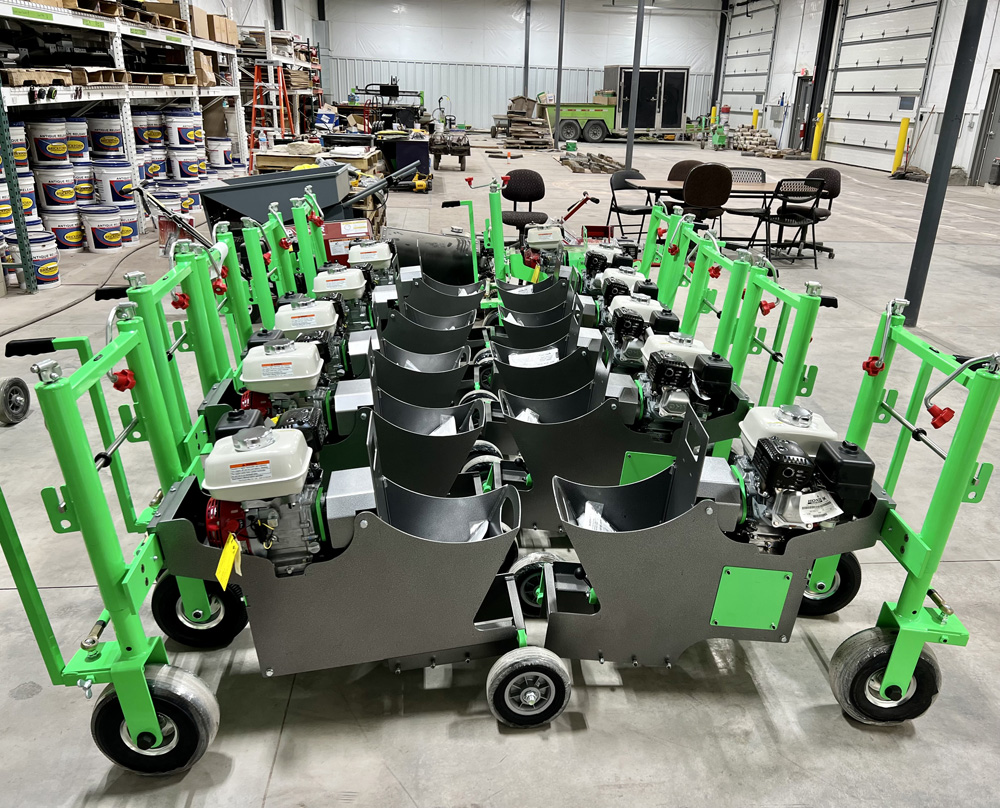
          The operations section covers your equipment, your daily workflow, and your capacity. Start with your equipment list and source. A basic starter package from Curb Depot runs $14,000 to $18,000. It includes the Harpten curbing machine, molds for multiple styles, and ground prep tools. The full business package, which includes a 23-foot trailer with four cubic yards of sand capacity, runs $45,000 to $50,000.

          Most solo operators can complete one to two jobs per day. Add a helper and that capacity increases. Note in your plan how you’ll handle scheduling and invoicing from day one. Those two things, neglected early, create chaos fast. Curb Depot’s in-person curbing training covers operations in detail, including concrete mixing ratios, machine setup, and job-site workflow. If you’re serious about starting, this training is the fastest way to get the operational piece right.

          Financial Projections: From Startup Costs to Break-Even

          Startup costs and ROI

          Your financial section answers one question that matters more than any other: when will you stop losing money and start making it?

          Startup costs for a curbing business typically include your equipment package ($14,000 to $50,000 depending on configuration), a vehicle or trailer if not included, and consumables like concrete admixture, color, and cable. If you’re not paying cash, equipment financing through Curb Depot’s lending partner offers credit decisions in under 30 minutes with no financial statements required—just a simple application.

          From there, model two scenarios. At five jobs per month averaging $1,200 profit each, you’re generating $6,000 per month. At ten jobs per month, that doubles to $12,000. Run those numbers against your monthly overhead (equipment payment, insurance, fuel, consumables) and you’ll see your break-even point clearly. Most operators who plan this out in advance hit profitability faster because they know exactly how many jobs they need to book each week.

          Having these five sections on paper before you launch isn’t bureaucracy. It’s the difference between building a business and buying an expensive hobby.

          Frequently Asked Questions

          How long does it take to write a curbing business plan?

          A basic curbing business plan covering all five sections can be completed in one focused afternoon. You don’t need software or financial expertise. You need honest numbers and a clear picture of your local market. Most people who complete it report that the process clarifies their thinking more than anything else they do before launch.

          Do I need a business plan to qualify for equipment financing?

          Formal business plans aren’t typically required for equipment financing through Curb Depot’s lending partner. The application is simple and credit-based, with decisions in under 30 minutes. However, having your numbers written out (especially your projected job volume and monthly revenue) puts you in a stronger position to evaluate whether financing makes sense for your situation.

          Can I start a curbing business part-time while keeping my current job?

          Yes. Many Curb Depot customers launch part-time, running jobs on weekends and evenings while keeping their existing income. One or two jobs per week at $1,200 to $1,400 profit each can generate $5,000 or more per month depending on volume and job size. Creating a business plan helps part-time starters set realistic targets and decide when full-time makes financial sense.

          One Afternoon That Pays for Itself

          A concrete curbing business plan takes one afternoon. The clarity it creates lasts for years. If you’re ready to take the next step, call (920) 740-2218 or visit the contact page to talk through your market, your numbers, and what getting started actually looks like.

          Ready to Order Your New Curbing Trailer? Request More Info.

          Give us a call at (920) 740-2218 or simply fill out the form below to learn more about getting all the tools and training to get started. We make the process easy to start earning money in landscape curbing.
           

            Starting a curbing businessThe Hartpen Curbing MachineThe Curbing TrailerNatural Stone or Basic Training

            Commercial Concrete Curbing: Opportunities in Parking Lots and Retail

            Commercial concrete curbing is one of the highest-revenue service categories available to landscape curbing contractors. Single parking lot jobs often run 2,000 to 10,000+ linear feet at $10 to $20 per foot depending on the scope and complexity. Most markets are still underserved, meaning contractors who position themselves for commercial work now face far less competition than they would in residential landscaping. Curb Depot has equipped and trained hundreds of curbing business owners across North America to pursue exactly this kind of growth.

            March through May is the window that matters. Property managers and facilities directors at strip malls, office complexes, and retail centers approved their landscaping and maintenance budgets in Q1. This means they’re actively scheduling installations before summer heat sets in and parking lot traffic peaks. Contractors who reach out to commercial property managers in early spring land the best jobs at the best pricing. Wait until July, and those contracts are already signed.

            Why Commercial Accounts Are Worth Pursuing

            Startup costs and ROI

            The math on commercial curbing looks different from residential, and in a good way. A typical residential job might be 150 to 300 linear feet. A single strip mall parking lot can run 3,000 to 8,000 linear feet, and a large retail center or office complex can push past 10,000. At $12 to $18 per linear foot, one commercial account can generate more revenue in a week than a full month of residential jobs.

            Repeat Business and Maintenance Needs

            Beyond individual job size, commercial clients offer something residential jobs almost never do: repeat business and maintenance contracts. Once a property management company trusts your crew and your work, they’ll call you for every property in their portfolio, and they often manage dozens. That kind of recurring relationship is how curbing businesses scale without constantly chasing new leads. Exploring curbing business opportunities in commercial markets starts with understanding why this segment is so consistently underserved.

            HOA and Municipal Contracts

            The market segment that gets overlooked most often is HOA (Homeowners Association) common areas and municipal contracts. These associations typically manage large shared landscapes with curbing needs that renew on a multi-year maintenance cycle. Municipalities regularly bid out curbing work for parks, medians, and public facilities. These accounts are less obvious than a strip mall, but they’re steady and they’re out there.

            What Property Managers Actually Want From a Curbing Contractor

            Startup costs and ROI

            Commercial property managers think differently than homeowners. A homeowner hires based on price and aesthetics. A property manager hires based on reliability, professionalism, and whether you can document your work and communicate clearly.

            Before contacting a property manager, understand what they evaluate:

            • ADA compliance awareness: Curbing near accessible parking and pathways must meet Americans with Disabilities Act requirements for slope and transition. Expect them to ask about your familiarity with ADA guidelines.
            • Drainage performance: Curbing that redirects water away from building foundations and paved surfaces is a functional selling point, not just aesthetics.
            • Durability specs: Commercial properties see heavy vehicle traffic. They need to know your concrete mix and installation process holds up.
            • Scheduling flexibility: Many commercial installations need to happen during off-hours or in phases so business operations aren’t disrupted.

            Review the cost of concrete curbing per linear foot before walking into any commercial bid. Property managers appreciate contractors who can speak about pricing with confidence.

            Where To Find Commercial Curbing Work

            Startup costs and ROI

            Most commercial curbing work isn’t advertised publicly. It gets awarded to contractors who show up, introduce themselves, and leave behind a professional proposal.

            Start by driving through commercial corridors in your area and noting properties with deteriorating or absent curbing. Strip malls built in the 1990s are particularly common candidates. Their original concrete curbing is reaching end of life, and property owners often haven’t thought about replacement yet. You’re identifying a real problem and offering a solution before a competitor does.

            Property management companies are your best long-term target. A single management firm may oversee 15 to 40 properties across a region. Adding landscape maintenance cost savings to your pitch (explaining how concrete curbing reduces ongoing mowing and edging costs) gives property managers a practical ROI that they can take to building owners.

            How To Bid on Commercial Jobs and Win Them

            Startup costs and ROI

            A written proposal is non-negotiable for commercial work. Property managers deal with multiple vendors and need documentation for internal approvals. Your proposal should include linear footage by zone, material specs, installation timeline, and total cost broken down clearly.

            Permits may be required depending on your municipality and scope of work. Verify local requirements before submitting any bid. Larger jobs may also call for a larger concrete mixer or a second crew member to maintain efficient output across a full parking lot in a single day.

            This is why curbing training that covers commercial applications pays for itself. Knowing how to sequence a large parking lot job, handle drainage grading, and manage concrete timing on hot pavement isn’t instinct—it’s learned. Contractors who arrive prepared win more bids and build better client relationships.

            Frequently Asked Questions

            How much does commercial concrete curbing cost per linear foot?

            Commercial concrete curbing typically runs $10 to $20 per linear foot installed, depending on job size, curbing profile, site complexity, and regional labor costs. Larger jobs often come in at the lower end of that range per foot, but total contract values are significantly higher—a 5,000-linear-foot parking lot job at $14/ft generates $70,000 in gross revenue.

            Do commercial curbing jobs require permits?

            Permit requirements for commercial curbing vary by municipality and project scope. Many standard parking lot curbing replacements do not require permits, but projects that alter drainage patterns, impact ADA-accessible areas, or are located in jurisdictions with strict commercial landscaping codes may need one. Always verify with your local building department before submitting a bid.

            How does Curb Depot’s training prepare contractors for commercial curbing work?

            Curb Depot’s training covers commercial applications, including large-volume job sequencing, concrete timing on hot surfaces, drainage grading, and the business development side of landing commercial accounts. Ryan Wolfrath has been running a curbing business since 1993 and built his own commercial client base. The training reflects real-world experience, not classroom theory.

            One Commercial Relationship Can Fill Your Schedule for Years

            A single property management firm can keep your crew busy across an entire portfolio. If you’re ready to position your business for commercial accounts, reach out to Curb Depot or explore the training programs that cover everything from installation techniques to the business side of running a curbing company.

            Ready to Order Your New Curbing Trailer? Request More Info.

            Give us a call at (920) 740-2218 or simply fill out the form below to learn more about getting all the tools and training to get started. We make the process easy to start earning money in landscape curbing.
             

              Starting a curbing businessThe Hartpen Curbing MachineThe Curbing TrailerNatural Stone or Basic Training

              Best Curbing Machines Compared: A Contractor and Buyer’s Guide

              The best curbing machine for landscape contractors delivers consistent output across varying terrain, changes molds fast enough to keep a multi-job day on schedule, and doesn’t eat your margins in maintenance costs. Three machines dominate the walk-behind landscape curbing market: the Lil’ Bubba Hornet EP, the Tygar Bengal, and Curb Depot’s Harpten. Each takes a different approach to motor, drive system, and mold design, and those differences show up in your daily output and long-term operating costs.

              A contractor bought his first machine based on price alone. Specs looked close enough on paper. What he didn’t account for was how a bolt-style mold system would slow him down mid-job—roughly 5 minutes per change, adding up to 50 minutes of dead time on a busy day with multiple mold changes. Tighter garden beds were a problem too: a narrow wheelbase tipped before it turned. He’s on his second machine now, and most contractors shopping for their second machine tell a version of the same story. This guide is meant to help you skip that expensive first lesson.

              Lil’ Bubba Hornet EP

              Startup costs and ROI

              Lil’ Bubba has been in the curbing equipment business since 1992, making the Hornet EP one of the most recognized machines on the market. It runs a Kohler Command PRO CH245 at 4.5 HP, uses a patented elliptical plunger drive that creates uniform, air-gap-free curbs, and can extrude walkways up to 24 inches wide. It gets within 2 inches of walls and fences, which helps on tight residential work.

              At well over $9,000 for the machine alone, it’s the most expensive option in this comparison. The Kohler motor is capable, but its speed is fixed. It doesn’t self-adjust when terrain changes. On slopes or soft ground, you’re compensating manually, and that shows up in curb consistency across longer runs. Lil’ Bubba also offers trailer packages that push the total investment significantly higher.

              The key question with the Hornet EP: does the brand recognition and elliptical drive justify the price premium over machines that include variable motors and quick-release mold systems as standard?

              Tygar Bengal

              The Bengal runs a Honda 3.0 HP fixed-speed motor, weighs 185 lbs, and has a 14-inch steering radius. Its standout feature is decorative range: over 30 stamp patterns and 25 curb shapes, the widest selection in this comparison. It also extrudes braided galvanized cable directly into the curb as a standard feature, adding reinforcement without a separate step.

              The 14-inch steering radius handles standard residential curves but requires more correction on complex garden bed shapes. At 3 HP fixed-speed, the motor works well on flat terrain; on slopes, the operator picks up the slack. The Bengal is currently listed at $7,200 for the machine.

              The Bengal is a solid choice if stamp variety and built-in cable extrusion are your priorities. Where it gives ground is motor power, wheelbase stability, and mold-change speed.

              Harpten by Curb Depot

              Startup costs and ROI

              The Harpten was designed by Ryan Wolfrath, who’s been running a curbing business since 1993. The design reflects problems he solved on his own jobs, not features chosen by a product team.

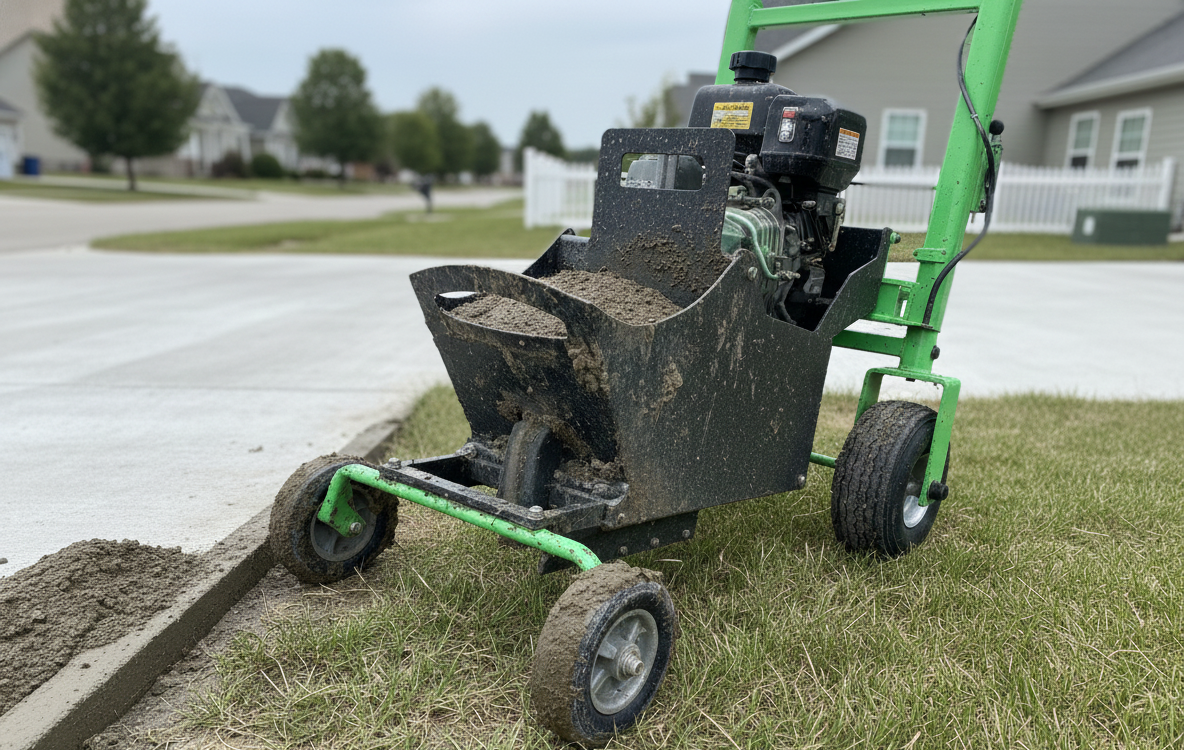
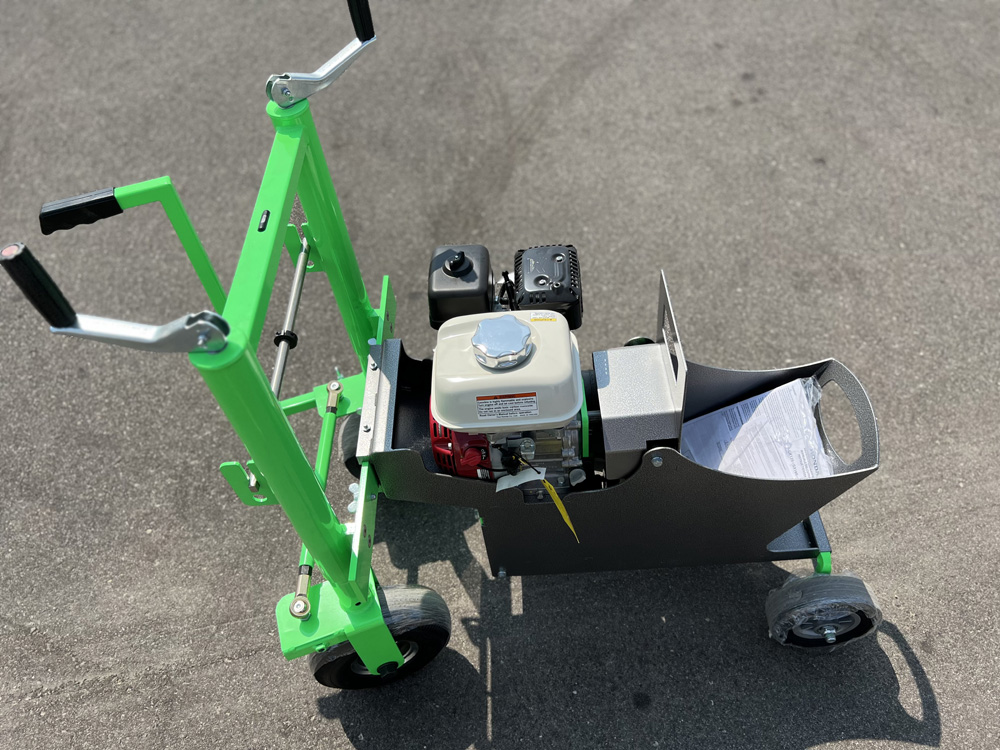
              It runs a Honda 4 HP variable-speed motor. Variable is the key word: the motor self-adjusts as terrain changes, so concrete comes out consistent whether you’re on flat lawn, a gravel approach, or a slope. You’re steering, not compensating. For contractors comparing gas versus electric curbing machines, the Harpten’s variable Honda offers terrain adaptability that fixed-speed electrics can’t match.

              At 190 lbs with a 24-inch wheelbase, it’s the heaviest and widest machine here. That weight keeps it planted on uneven ground, and the wider wheelbase tracks more predictably through tight curves—counterintuitively giving you better access to garden beds, not less.

              The boltless quick-release mold system swaps profiles in roughly 10 seconds. On a day with 5 mold changes, that’s under 2 minutes total versus 50+ minutes on a bolt system. The no-guts plunger design eliminates the auger, track, and trolley found in conventional machines, removing the parts that generate the most maintenance costs over a machine’s life.

              At $7,200, the Harpten matches the Bengal on price while including the variable motor, quick-release molds, and adjustable belt tensioner as standard.

              Buying New vs. Used

              Startup costs and ROI

              Both options work depending on where you are in your business. If you’re looking at used curbing equipment, check four things before you commit: plunger wear, belt condition, mold condition, and the gearbox for concrete ingestion. A used machine with worn consumables isn’t a deal; it’s a hidden parts bill.

              For new buyers, equipment financing through Curb Depot’s lending partner offers credit decisions in under 30 minutes with no financial statements required. Generating revenue before the machine is paid off changes the math on what you can afford.

              Frequently Asked Questions

              How Much Does a Professional Curbing Machine Cost?

              Professional landscape curbing machines range from $7,200 to over $9,000 new for the three machines in this comparison. Both the Harpten and the Bengal are currently listed at $7,200. The Harpten includes the boltless mold system, Honda variable motor, and belt tensioner as standard, not upgrades. Used machines from various brands can run $2,000 to $5,000 depending on age and condition.

              What Is the Best Curbing Machine for a New Contractor?

              The best machine for a new contractor minimizes your learning curve while delivering consistent results from day one. A variable-speed motor, quick-release mold system, and low-maintenance plunger design let you focus on installation quality instead of troubleshooting equipment. The less time you spend adjusting your machine, the more jobs you complete in a week.

              Can a Curbing Machine Handle Sloped or Uneven Terrain?

              Fixed-speed motors on machines like the Hornet EP and Bengal require manual compensation on slopes, which can affect curb consistency. A variable-speed motor like the Honda 4 HP on the Harpten self-regulates power delivery as conditions change. Combined with a 24-inch wheelbase, it tracks true on slopes without constant correction.

              The Right Machine Pays for Itself in the First Season

              Three machines, three approaches. The Lil’ Bubba Hornet EP brings brand history and a patented plunger drive at a premium price. The Tygar Bengal offers the widest stamp selection with built-in cable extrusion. The Harpten delivers the most field-practical features: variable motor, wide wheelbase, boltless molds, no-guts design—at a price that matches the Bengal and comes in well below the Hornet EP.

              The best way to decide is to match the machine to how you’ll actually use it day to day. If you’re running multiple jobs across varying terrain with frequent mold changes, the Harpten was built for that workflow. Reach out to the Curb Depot team to talk through your setup, or explore the full Harpten specs to see how it stacks up against what you’re running now.

              Ready to Order Your New Curbing Trailer? Request More Info.

              Give us a call at (920) 740-2218 or simply fill out the form below to learn more about getting all the tools and training to get started. We make the process easy to start earning money in landscape curbing.


                Starting a curbing businessThe Hartpen Curbing MachineThe Curbing TrailerNatural Stone or Basic Training

                How Long Does Concrete Curbing Last? Lifespan and Durability Guide

                With proper installation and regular sealing, concrete curbing can last 20 to 30 years or more. The key variables are concrete mix quality, reinforcement, and how consistently the curbing is sealed over time. Curb Depot has helped 500+ curbing business owners across the U.S. and Canada install curbing that holds up for decades. The difference always comes down to a few decisions made at the start.

                Two curbing jobs. Same neighborhood, same week. Ten years later, one is still holding its color, its edge is clean, and you could run a chalk line along it without a single deviation. The other has gone chalky gray, with spalling and hairline cracks. Same climate. Different outcomes.

                What separated them wasn’t luck. It was mix design, reinforcement, and whether anyone picked up a sealer within the first two years of installation. As a curbing contractor, those are decisions entirely within your control.

                What Factors Determine How Long Concrete Curbing Lasts?

                Startup costs and ROI

                Several factors influence whether an installation survives a decade or starts showing trouble in three to five years.

                Concrete Mix Quality

                A mix that’s too wet produces concrete with higher porosity, meaning water gets in more easily. In climates with freeze-thaw cycles, that porosity becomes the mechanism for early cracking and spalling.

                Curb Depot’s Assurance Curbing Admixture is specifically formulated for extruded curbing, improving workability and density without sacrificing strength. The right admixture from the start means jobs that still look good ten years later.

                Reinforcement Cable

                Steel cable running through the curbing holds sections together despite:

                • Soil movement
                • Tree root pressure
                • Seasonal ground shifting

                Without it, an unsupported run of curbing is working against itself every time the ground beneath it moves. Curbing installed with proper cable as the foundation tends to outlast installations that cut corners on reinforcement.

                Ground Preparation

                Soft or poorly compacted soil shifts, and curbing shifts with it. That movement introduces stress that can eventually crack sections of concrete even if they were properly mixed. It’s a variable that’s easy to underestimate in a job estimate—and expensive for the customer when it isn’t accounted for.

                How Sealing Makes or Breaks Longevity

                Startup costs and ROI

                Here’s the number that tells the real story: unsealed concrete curbing can start showing visible wear—fading, surface roughness, minor cracking—within a few years in harsher climates. Properly sealed curbing, resealed every two to three years, can maintain its appearance and structural integrity well beyond what unsealed curbing typically achieves.

                Why Sealing Works

                Concrete is porous. Without a sealer, two things happen simultaneously:

                • UV exposure bleaches integral color from the surface and degrades the binder in the concrete paste
                • Water infiltration works its way into the curbing. In northern states and Canada, that water expands as it freezes, creating internal pressure that breaks the concrete apart from the inside out

                A quality sealer closes those pores, protects the color, and acts as a barrier against freeze-thaw damage.

                The Contractor Angle

                Sealing is worth building into every quote. Customers get better results, and you get a recurring revenue stream—the same customer, every two to three years, no sales call required. The math is simple: a job that still looks sharp at year eight sends you referrals. One that’s faded and cracking at year four sends you callbacks.

                Choosing the Right Sealer

                Not every sealer is designed for the narrow profile and textured surface of extruded curbing. The two main types, film-forming and penetrating, behave differently. Choosing the wrong one creates problems that show up months after the job is done. Here’s how they compare:

                Sealer Type How It Works Risk to Watch
                Film-forming Bonds to surface, creates protective layer Can trap moisture if applied before full cure — causes adhesion failure
                Penetrating Works from within the concrete surface Slower visible result, but more reliable in high-traffic, high-exposure environments

                One thing to flag for customers: rock salt and calcium chloride-based de-icers applied near curbing accelerate surface degradation and can reach the concrete even when the target is the driveway or sidewalk nearby.

                Signs Curbing Is Aging Faster Than It Should

                Startup costs and ROI

                Before you quote a repair, replacement, or maintenance visit, you need to know what you’re actually dealing with. Here’s what each sign means and what to do about it:

                Sign What It Means Recommended Action
                Fading color First visible sign; usually cosmetic Clean and reseal — easy upsell, high customer satisfaction
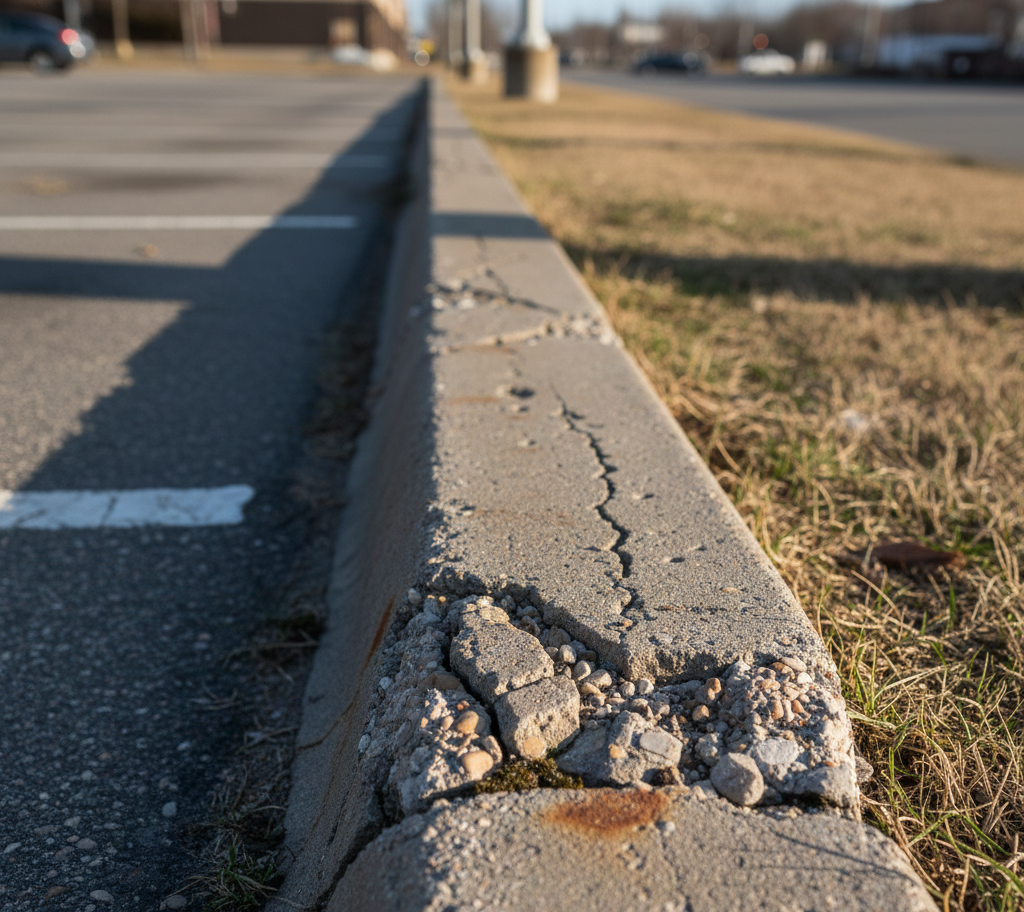
                Hairline cracks Surface cracks, not deeply penetrating Reseal to stop water infiltration and slow progression
                Spalling Freeze-thaw damage or mix was too wet at installation Resealing buys time but doesn’t reverse damage; replacement is often the honest call
                Full-depth cracks with displacement Significant soil movement beneath the curbing Replacement; use cost per linear foot to set accurate expectations

                Curbing Longevity Starts With Installation

                Startup costs and ROI

                No amount of maintenance can fully compensate for a poor installation. Installation quality sets the ceiling on how long any curbing job lasts. Maintenance just determines how close you get to that ceiling.

                Profile Selection

                • Slant-style curbing sheds water off the face more effectively than a square profile, reducing the pooling that accelerates surface wear
                • Square-profile curbing holds more water at the face, a meaningful difference in wet climates or low-drainage areas
                • Getting the profile right for the specific application—garden border, driveway edge, commercial property—is part of installation quality, not just a design choice

                Expansion Joint Placement

                Joints cut at regular intervals give the concrete somewhere to expand and contract without cracking unpredictably. Skip the joints, and the curbing creates its own cracks—usually in the least convenient locations.

                Curb Depot has equipped and trained curbing business owners across North America since 1993 so they get these decisions right from the first job. That training investment pays off in every installation that’s still holding up a decade later.

                Frequently Asked Questions

                Can concrete curbing be repaired instead of replaced?

                Yes, depending on the type and extent of the damage:

                • Hairline cracks and minor spalling: Typically manageable with cleaning, crack filler, and resealing
                • Deep cracking, displacement, or widespread spalling: Usually better candidates for full replacement

                Repair is cost-effective when the damage is isolated. When it isn’t, replacement is the more honest recommendation and the one that protects your reputation.

                Does the curbing profile style affect how long the curbing lasts?

                Profile style does affect durability in practical ways. Profiles with angled faces, like slant-style designs, direct water away from the surface and reduce moisture pooling at the base. Square-profile curbing holds more water at the face. The differences in how curbing profiles manage water become meaningful in wet climates or areas with poor drainage.

                How does climate affect concrete curbing lifespan in northern states?

                Climate is one of the most significant variables for concrete curbing’s lifespan. In northern states and Canada, curbing endures repeated freeze-thaw cycles. Water enters the concrete, freezes, expands, and creates internal pressure that fractures the surface over time. A dense, low-water mix design and consistent sealing every two to three years are the most effective defenses against freeze-thaw damage in cold-climate installations.

                What 30-Year Curbing Actually Takes

                Startup costs and ROI

                Concrete curbing that reaches 20 to 30 years doesn’t happen by accident. It requires:

                • A quality, purpose-built mix
                • Proper cable reinforcement
                • Correct installation technique and ground prep
                • A consistent sealing schedule maintained every two to three years

                Skip any one of those, and the lifespan shortens measurably. As a contractor, every one of those variables is within your control—and each one is something Curb Depot’s equipment, consumables, and training are built around.

                The jobs that hold up longest are also the jobs that generate referrals, repeat maintenance visits, and the kind of reputation that makes you the only curbing company a homeowner ever calls. Whether you’re just getting started or looking to sharpen an existing operation, that foundation starts with the right equipment and training. Reach out through our contact page or explore our landscape curbing equipment packages to get started.

                Ready to Order Your New Curbing Trailer? Request More Info.

                Give us a call at (920) 740-2218 or simply fill out the form below to learn more about getting all the tools and training to get started. We make the process easy to start earning money in landscape curbing.
                 

                  Starting a curbing businessThe Hartpen Curbing MachineThe Curbing TrailerNatural Stone or Basic Training

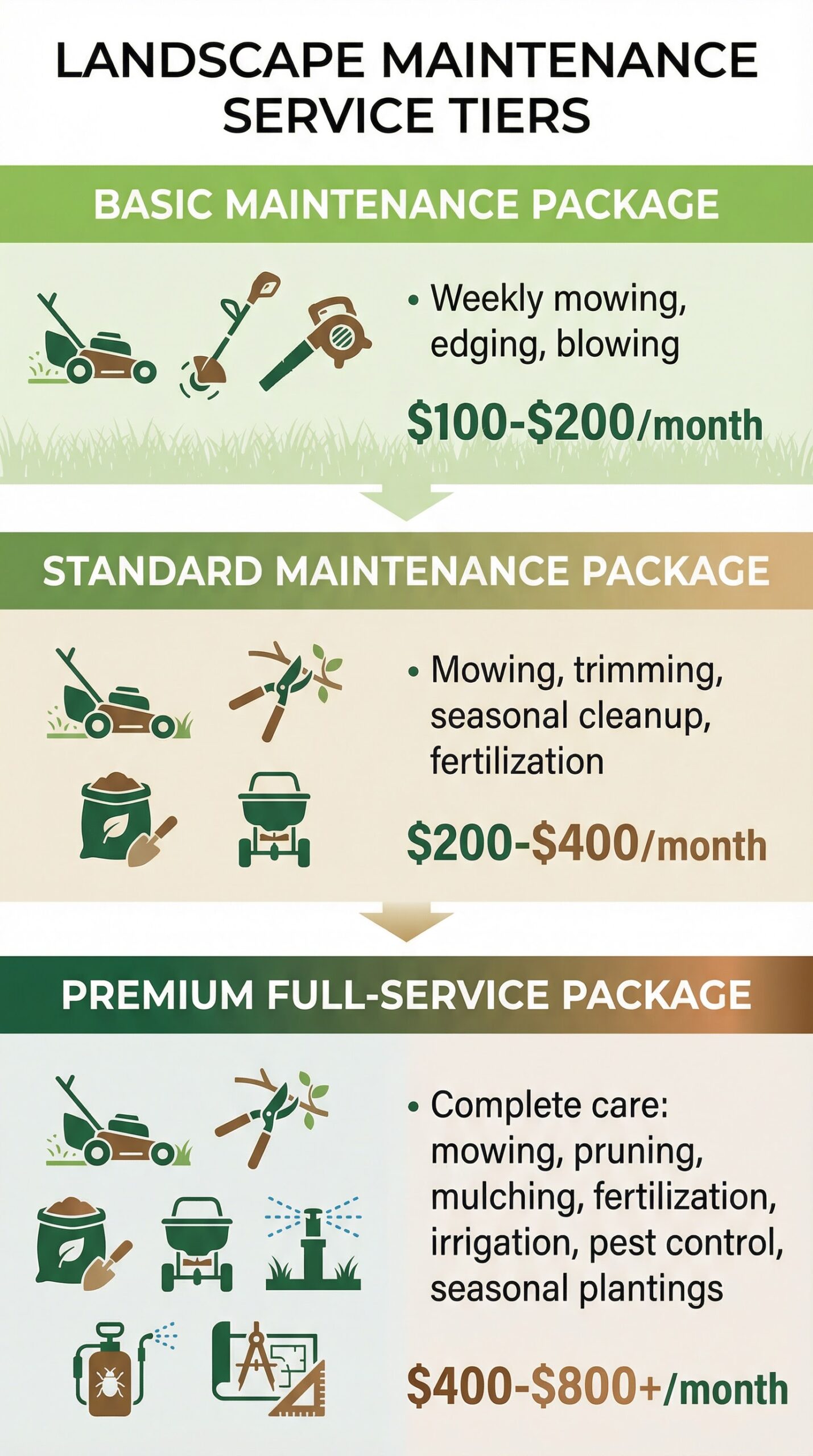
                  What Does Landscape Maintenance Include — and Is It Worth It for Your Curbing Business?

                  You’ve built a solid concrete curbing business, creating those crisp, defined edges that make properties stand out. You know that feeling when you finish a job, and the transformation is immediate: clean lines, professional edges, instant curb appeal. But here’s what you’ve probably also noticed: homeowners who invest in quality curbing often want more. They’re looking for someone they can trust to maintain their entire landscape, not just install one feature.

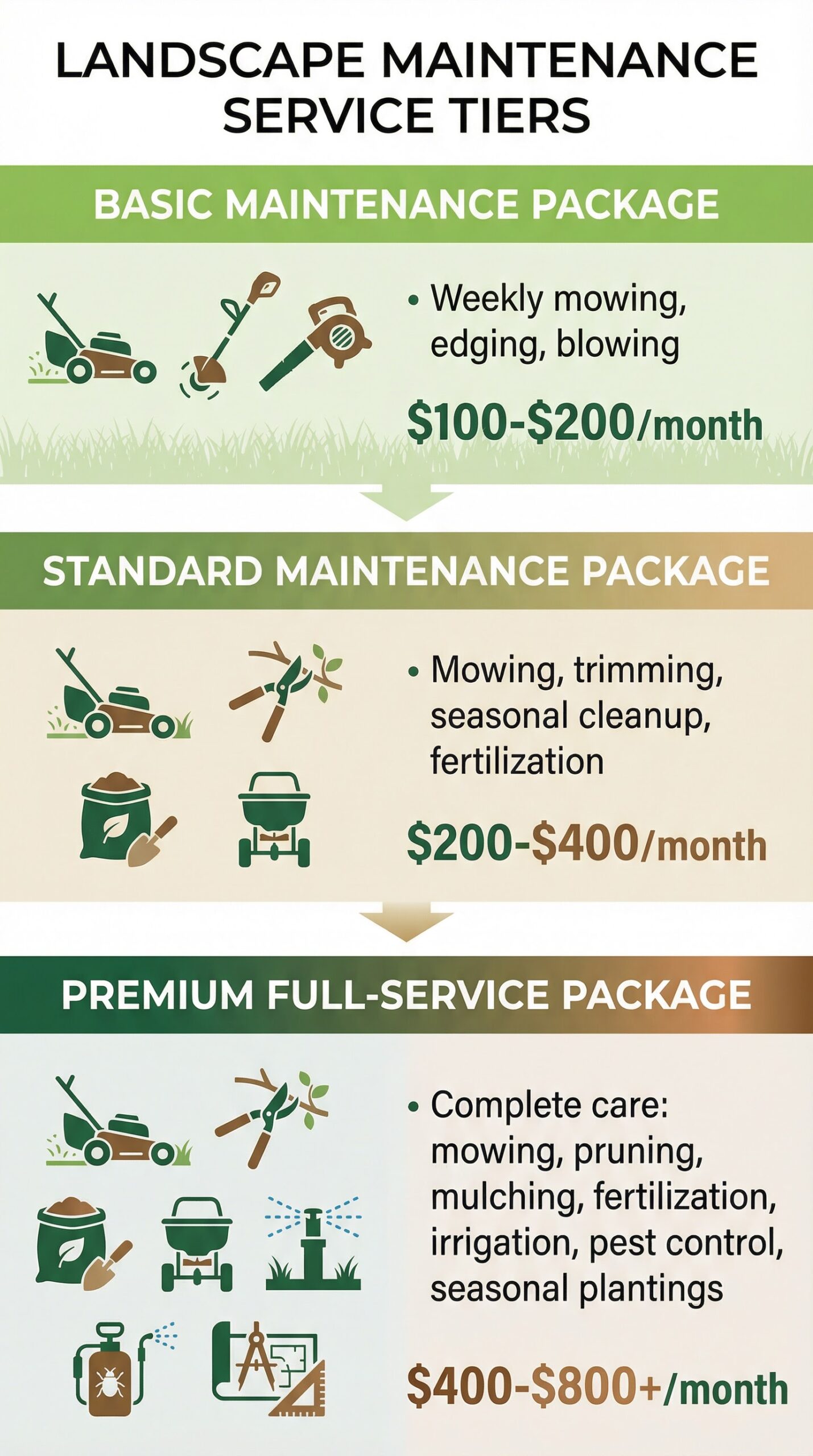
                  This is where adding professional landscape maintenance services to your roster comes in. As a supplier to pros like you, we at Curb Depot want to pull back the curtain on what a full-service maintenance offering typically includes, so you can decide if it’s a worthwhile expansion for your business.

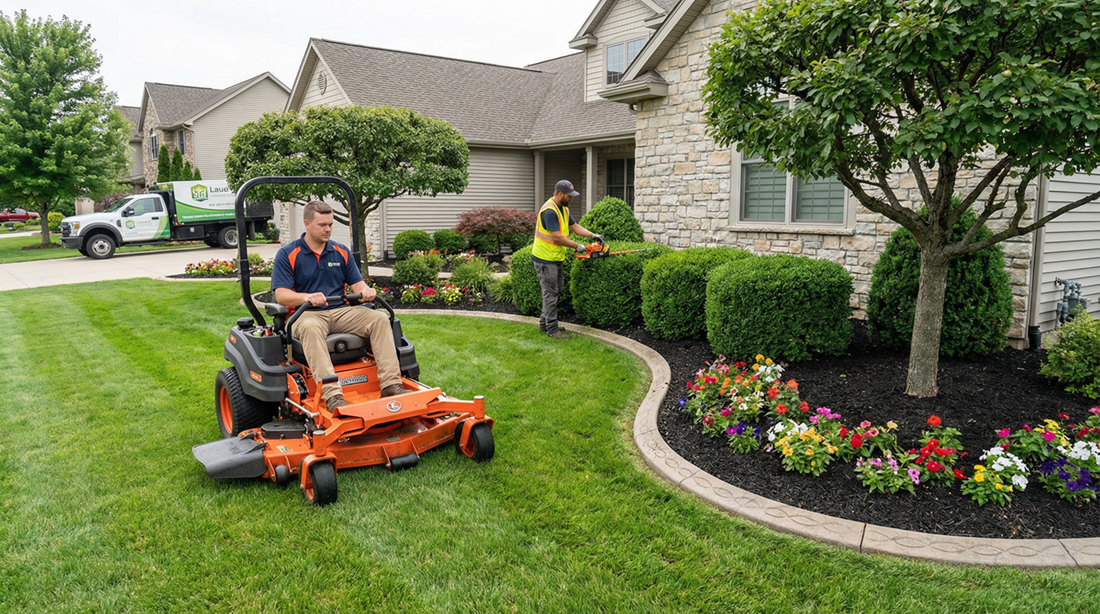
                  Core Lawn Care Services

                  Core lawn care services

                  This is the foundation of any maintenance program. A healthy, thriving lawn requires consistent attention, especially in the Midwest. Core services go far beyond just a quick mow.

                  Mowing and Edging

                  You’ll use high-quality, commercial-grade mowers with sharp blades to ensure a clean cut that promotes healthy growth. You’ll also create sharp, defined edges along walkways, driveways, and garden beds. This is where your curbing expertise gives you a natural advantage, as you already understand how to create clean lines against hardscape like concrete curbing.

                  Fertilization and Weed Control

                  A key part of professional services is a tailored fertilization schedule. Based on the season and the lawn’s specific needs, you’ll apply the right nutrients to encourage thick, green growth. This is often combined with pre-emergent and post-emergent weed control to keep invasive plants at bay.

                  Aeration

                  In areas with clay soil, core aeration is performed to reduce compaction. This process pulls small plugs of soil from the lawn, allowing air, water, and nutrients to penetrate deeper into the root zone, resulting in more resilient turf.

                  Garden and Planting Bed Maintenance

                  Garden and planting bed maintenance

                  Garden and planting bed maintenance is where the details truly shine. Well-tended garden beds are the difference between a nice yard and a stunning landscape. A comprehensive maintenance plan addresses every aspect of planting areas.

                  Weeding and Mulching

                  You’ll regularly patrol and remove weeds from all planting beds. You’ll also refresh mulch annually to help retain soil moisture, suppress weed growth, and maintain a clean, uniform appearance.

                  Seasonal Color

                  Many services include the installation of seasonal annuals. This ensures gardens have vibrant color from spring through fall, with new plants being swapped in as the seasons change.

                  Perennial Care

                  This includes deadheading spent blooms to encourage new growth, dividing overgrown perennials, and cutting back plants at the appropriate time of year to prepare them for winter dormancy.

                  Tree and Shrub Care

                  Tree and shrub maintenance

                  Caring for a property’s largest investments—trees and shrubs—is crucial for their health and longevity. It’s also a key safety consideration since knowing which types of trees are safe to plant near a home is vital.

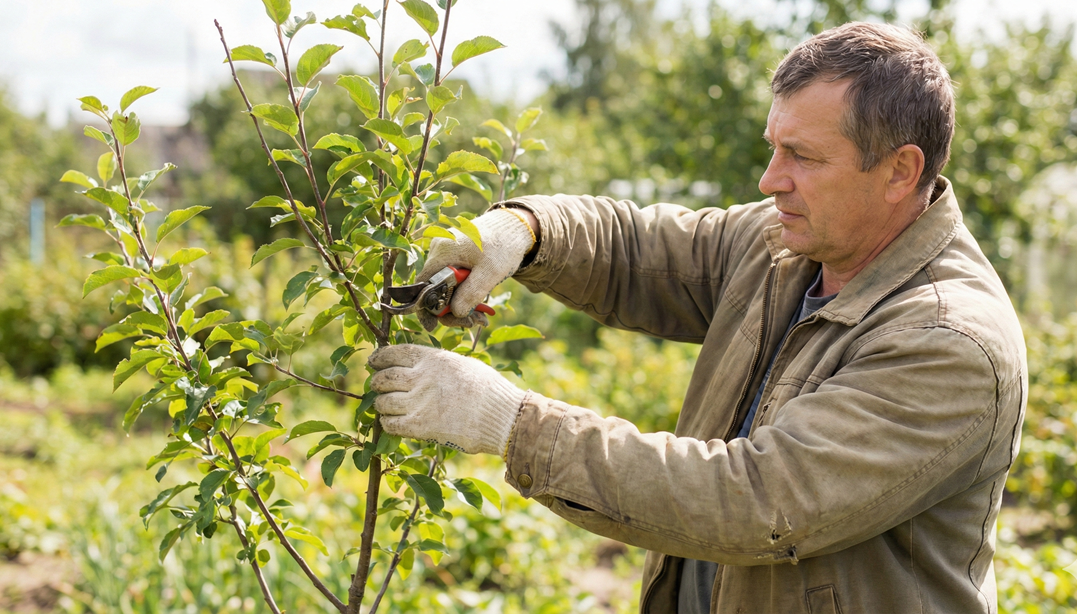
                  Pruning

                  You’ll need to know the right time and technique to prune different species. This includes structural pruning for young trees to encourage good form, removing dead or diseased branches, and shaping shrubs to maintain their size and promote flowering.

                  Pest and Disease Monitoring

                  A trained eye can spot the early signs of insect infestations or diseases, allowing for prompt treatment before significant damage occurs.

                  Is Adding Maintenance Services Worth It for Your Business?

                  Benefits of maintenance services

                  For many curbing contractors, the answer is a resounding yes. Here’s why:

                  Recurring Revenue

                  Unlike one-time installations, maintenance contracts provide steady, predictable income month after month, season after season. You already have the truck, the trailer, and the work ethic. Many of the skills transfer naturally from your curbing work: attention to detail, an understanding of landscape design, and the ability to transform outdoor spaces.

                  Convenient Market Access

                  You’re already on-site. When you install curbing, you’re building relationships with clients who clearly care about their property’s appearance. They trust your work. Offering maintenance is a natural next conversation, and it keeps you top-of-mind for future hardscape projects.

                  Manageable Equipment Investment

                  Commercial mowers, edgers, and basic care equipment are straightforward compared to curbing machinery you already operate. A well-maintained landscape, often born from a thoughtful landscape design that includes your curbing work, significantly enhances a home’s curb appeal and market value—and you can be the partner who delivers that complete package.

                  Ready To Expand Your Service Offerings?

                  Expanding landscape services

                  Landscape maintenance is a comprehensive service that covers every aspect of outdoor space, from the lawn underfoot to the trees overhead. For curbing contractors, it’s a strategic business expansion that builds on your existing expertise and client relationships while creating predictable, recurring revenue.

                  Curb Depot has watched countless contractors successfully make this transition. We’re here to support you with the durable curbing machines and tools you need for installations, the foundation that makes you stand out in the landscape market. Whether you decide to add maintenance services or stay focused on what you do best, we’re your partner in concrete curbing excellence.

                  Check out our curbing machines and curbing packages or contact us to discuss which tools are right for your operation.

                  Ready to Order Your New Curbing Trailer? Request More Info.

                  Give us a call at (920) 740-2218 or simply fill out the form below to learn more about getting all the tools and training to get started. We make the process easy to start earning money in landscape curbing.
                   

                    Starting a curbing businessThe Hartpen Curbing MachineThe Curbing TrailerNatural Stone or Basic Training

                    Best Bricks for Landscape Edging and Garden Borders Explained

                    Not all bricks can handle what Mother Nature dishes out, and in climates with harsh winters, that reality becomes expensive for anyone who chooses the wrong ones. As a supplier to professional landscape and curbing contractors nationwide, we’ve seen countless brick edging projects: the ones that still look pristine after twenty winters and the ones that crumbled after three.

                    The difference isn’t luck or installation skill; it’s understanding brick grades, weathering ratings, and which specifications actually matter for outdoor exposure. This guide from Curb Depot shares professional-grade knowledge that distinguishes permanent, beautiful brick borders from the disappointments homeowners replace every few years, particularly critical for anyone working in freeze-thaw regions like Wisconsin.

                    Key Points: Brick Selection and Installation

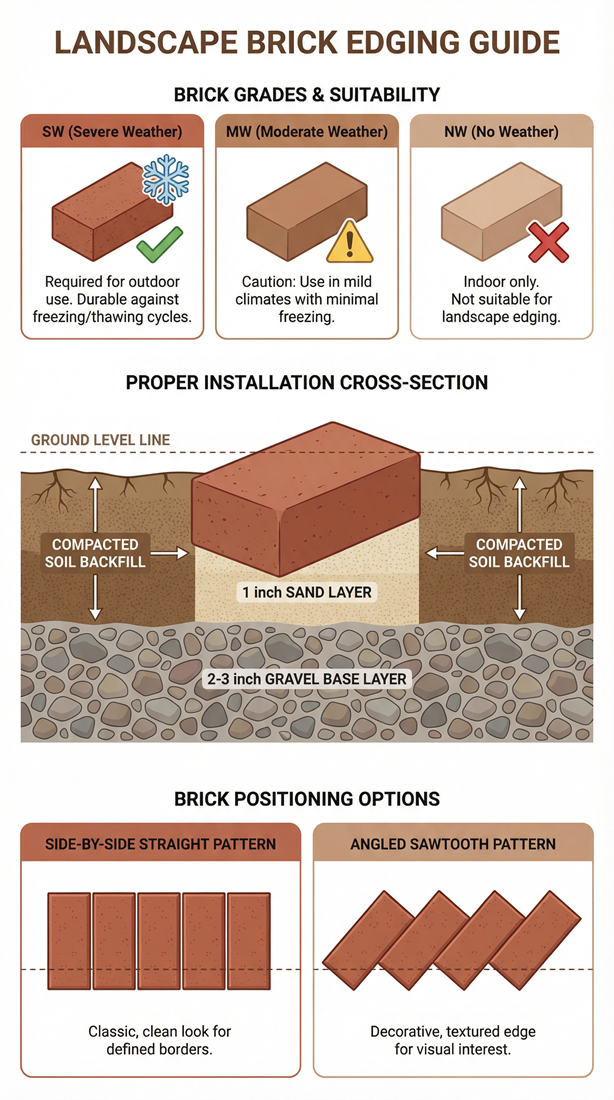
                    The best bricks for landscape edging and garden borders are those rated for severe weathering (SW), especially in freeze–thaw climates like Wisconsin. SW-rated clay bricks and concrete paver bricks are dense, low-porosity materials that resist cracking and spalling caused by moisture absorption and freezing.

                    Proper installation—including a compacted gravel base, sand bedding, and edge restraint—is essential for long-term stability. For projects requiring maximum durability and design flexibility, professionally installed concrete curbing offers a seamless, long-lasting alternative that resists shifting and heaving while allowing customized shapes and finishes.

                    What Brick Grades Are Suitable for Outdoor Use?

                    Severe-weather-rated bricks

                    The most important factor to consider when choosing bricks for landscape edging is the brick’s grade. Bricks are classified based on their ability to withstand weathering and freezing temperatures. For any outdoor project, particularly in regions with harsh winters, you should use bricks rated for severe weathering (SW).

                    SW-rated bricks are fired at higher temperatures, resulting in denser, less porous bricks. This reduces water absorption, helping prevent freeze-thaw damage such as cracking or spalling (surface flaking). Using bricks that aren’t rated for outdoor or severe-weather exposure is a common and costly mistake we see when working with landscape contractors across the Midwest.

                    What Are the Best Types of Bricks for Landscape Edging?

                    Clay and concrete paver bricks

                    Once you’ve confirmed that the materials you’ve selected are severe-weather-grade bricks, there are two primary options to consider for brick landscape edging:

                    Clay Bricks for Garden Borders

                    Traditional clay bricks are a classic choice for brick garden borders. They provide a warm, timeless aesthetic that complements a wide range of architectural and landscape styles.

                    Clay bricks are durable, long-lasting, and available in various colors, including traditional reds, browns, and buff tones. When properly installed using SW-rated bricks, a clay brick edging system can last decades.

                    Concrete Paver Bricks for Landscape Edging

                    Concrete paver bricks are a versatile and cost-effective alternative to clay bricks. Manufactured in a wide range of sizes, colors, and finishes, many concrete pavers are designed to mimic natural stone.

                    Their consistent dimensions make them easier to install, and their strength makes them well-suited for outdoor brick edging applications. Concrete paver bricks are ideal for clean, modern designs or more intricate border patterns.

                    Installation Tips for a Professional-Looking Border

                    Installing brick landscape edging

                    Proper installation is essential for creating a stable, long-lasting brick landscape edge. Here are a few professional installation tips:

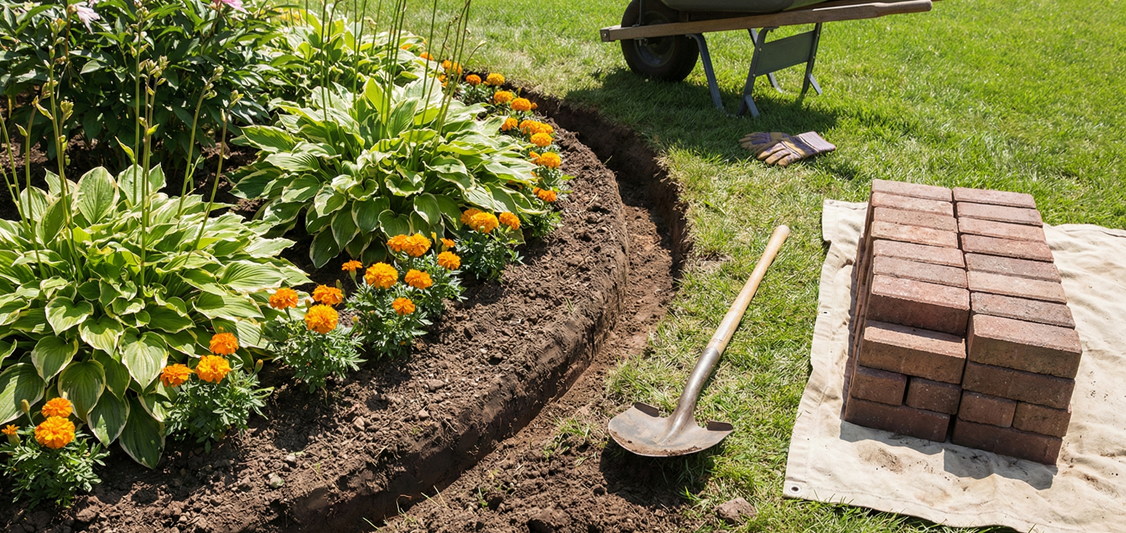
                    • Dig a Trench: Excavate a trench wide enough to accommodate the brick and deep enough so roughly half of the brick sits below grade. This provides stability and helps prevent movement over time.
                    • Create a Solid Base: Add a 2 to 3-inch layer of compacted gravel or crushed stone, followed by a 1-inch layer of sand. This base promotes drainage and creates a level setting surface.
                    • Set the Bricks: Place bricks tightly together in the trench, using a level to ensure consistent height. Bricks can be installed straight or angled for a decorative sawtooth effect.
                    • Secure the Edging: Backfill soil on both sides of the bricks and tamp firmly. For added stability, especially in freeze–thaw climates, a plastic paver edging restraint can be installed along the outside edge.

                    An Alternative To Brick: Concrete Curbing

                    Concrete curbing alternative to brick

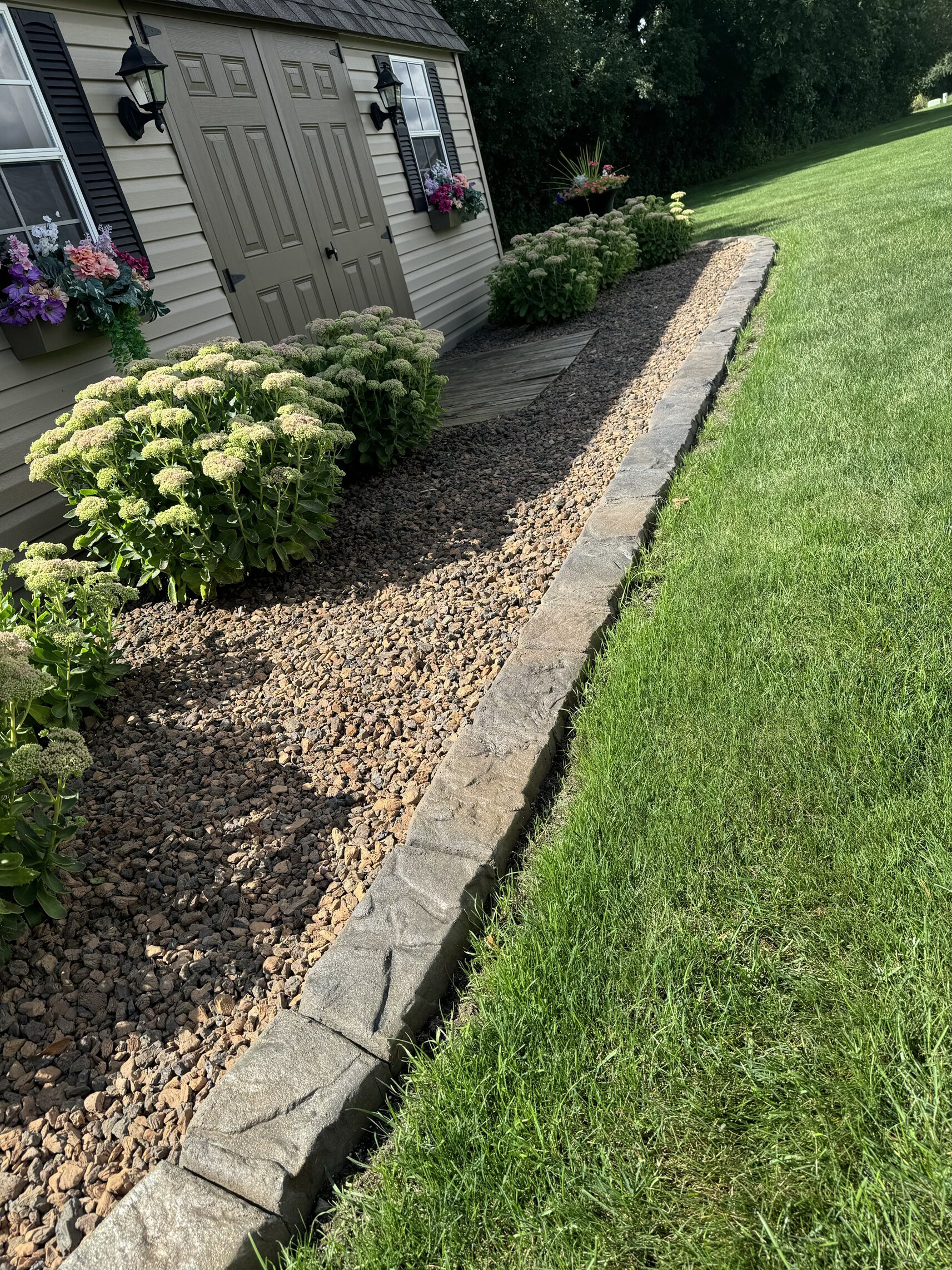
                    While brick edging is an excellent option, contractors seeking maximum durability and design flexibility may consider continuous concrete curbing. Using professional curbing equipment, such as the Harpten from Curb Depot, allows you to create seamless borders that can be extruded in virtually any shape or color.

                    When professionally installed, concrete curbing is a long-term solution that resists shifting and heaving. It can also be stamped or textured to resemble brick or natural stone, offering a high-end aesthetic with minimal maintenance.

                    For many landscapes, concrete curbing produces a permanent, polished finish that elevates the entire property.

                    Equip Your Projects With the Right Landscape Edging Solutions

                    Professional landscape edging solutions

                    Choosing the best bricks for landscape edging starts with selecting severe-weather-rated materials and using proven installation techniques. Whether you prefer the traditional appeal of clay bricks or the versatility of concrete paver bricks, the right choice will define your garden borders for years to come.

                    If you’re a contractor seeking durable, professional-grade landscape edging solutions, contact Curb Depot today. We provide the equipment, training, and industry expertise you need to deliver consistent, high-quality results on every project.

                    Ready to Order Your New Curbing Trailer? Request More Info.

                    Give us a call at (920) 740-2218 or simply fill out the form below to learn more about getting all the tools and training to get started. We make the process easy to start earning money in landscape curbing.
                     

                      Starting a curbing businessThe Hartpen Curbing MachineThe Curbing TrailerNatural Stone or Basic Training