Curb Depot supplies the equipment and training that operators use to install the kind of finished concrete edging that shows up in appraisal notes and listing photos. This blog post shares what university and industry studies actually measured, how real estate agents quantify the impact on sale price, and how contractors can turn this data into a stronger close rate during client conversations.
What the Research Says About Curb Appeal and Home Value
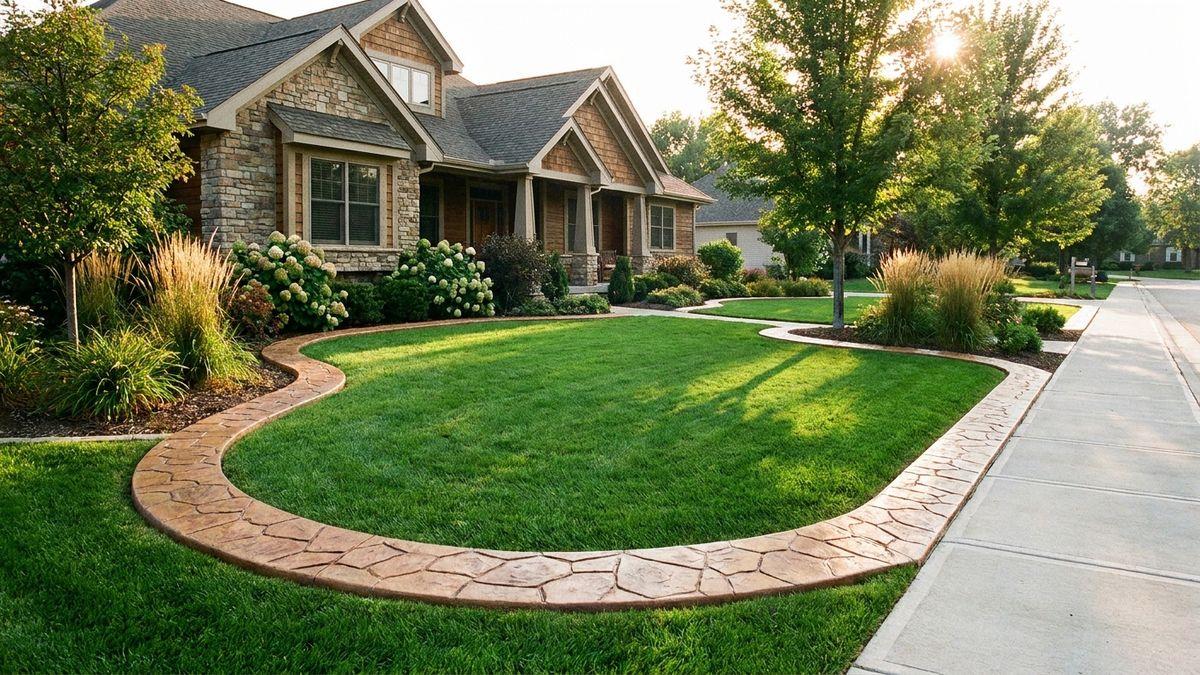
The connection between landscaping and property value has been measured repeatedly, and the results hold up across markets and price points.
University and Industry Studies
Virginia Tech researchers found that homes with well-designed landscaping, including defined borders and clean bed lines, sold for 5.5% to 12.7% more than comparable homes without those features. A separate Phys.org review concluded that curb appeal alone can raise a sale price by roughly 7%.
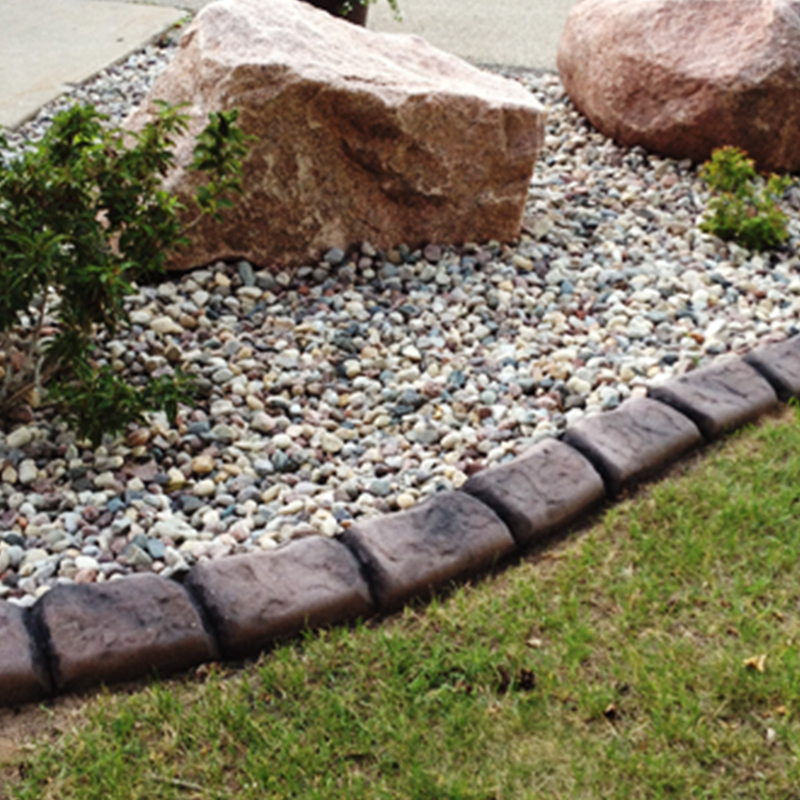
Concrete curbing sits at the center of both findings because it creates the sharp separation between lawn, mulch, and hardscape that buyers notice in photos before they ever schedule a showing. The impact on value is even stronger in new construction curbing markets, where builders factor landscaping costs into the home’s list price from the start.
What Real Estate Agents Report
According to the National Association of Realtors, 97% of agents believe curb appeal is important when attracting buyers, and 71% say that a well-maintained landscape can add 1% to 10% to the final sale price.
For a contractor, you can use these percentages to prove the project pays for itself. For example, if a $1,500 curbing job helps boost the selling price of a $300,000 home by just 5%, the homeowner gains $15,000 in equity—making it much easier for them to say yes to your quote.
How Contractors Can Use Property Value Data to Sell More Jobs
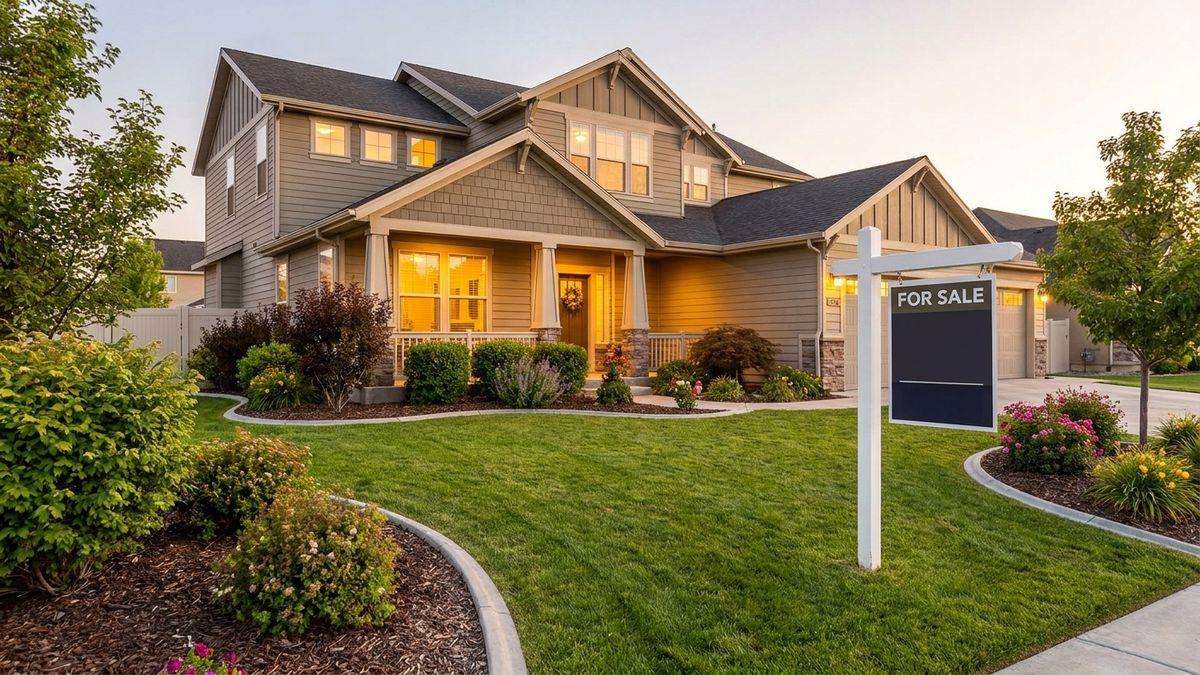
Knowing the data is useful, but knowing how to present it during a sales conversation is what actually moves the needle on your close rate.
Build a One-Page Leave-Behind
Create a printed sheet that lists two or three statistics from the studies above, a before-and-after photo from your own work, and your contact information. Hand it to the homeowner at the end of the estimate and let the numbers do the follow-up. Contractors who attach a dollar figure to curb appeal report fewer price objections because the customer views the job as an investment rather than an expense.
Frame the Conversation Around Resale
Not every homeowner is selling tomorrow, but most are thinking about equity. Start the conversation by asking how long they plan to stay in the home, then connect curbing to the long-term return. A line like “this curbing will still look sharp when you list in five years” shifts the conversation from cost to value. Pair this approach with the objection-handling scripts on the Curb Depot blog and you’ll have a repeatable pitch that works across neighborhoods and price ranges.
Frequently Asked Questions
Does landscape curbing increase property value?
Research from Virginia Tech shows that professional landscaping with defined borders can raise a home’s perceived value by 5.5% to 12.7%. Concrete curbing provides the clean edges that appraisers and buyers associate with a well-maintained property.
How much does curb appeal add to a home sale?
Industry data suggests curb appeal can add roughly 7% to a home’s sale price. The National Association of Realtors found that 71% of agents say a well-maintained landscape contributes 1% to 10% to the final price, depending on the market and the condition of the rest of the exterior.
How do I use property value data when quoting curbing jobs?
Create a one-page leave-behind with two or three statistics, a before-and-after photo, and your contact information. Present it at the end of the estimate so the homeowner can review the numbers after you leave. Framing curbing as an investment rather than an expense reduces price objections and improves close rates.
Sell the Value, Close the Job
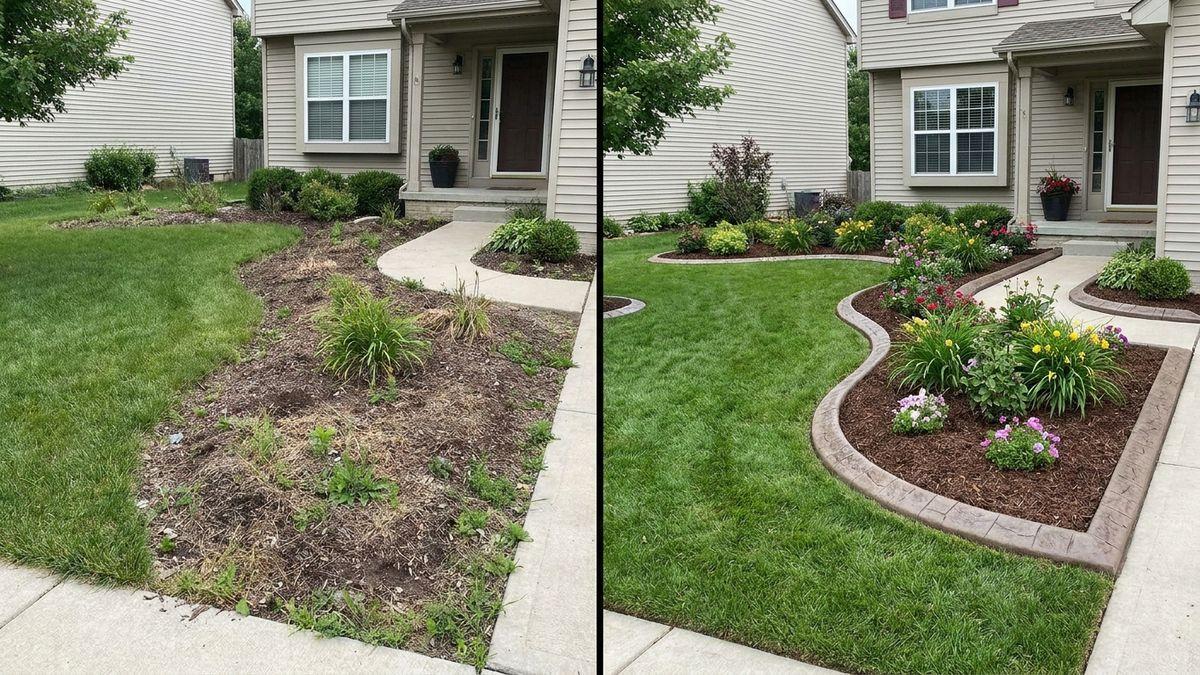
The data is clear: professional landscaping with defined concrete borders raises what a home is worth, and buyers notice the difference from the street. As a curbing contractor, your job is to make sure the homeowner sees those numbers before you hand over the quote.
Print the stats, show your portfolio, and let the investment argument close the deal. When you’re ready to add curbing to your service lineup or upgrade your current equipment, visit Curb Depot’s contact page or call (920) 740-2218 to talk through packages and training options.
Earn More With Natural Stone.

Click to Register

Create beautiful curb with unique stamps.
Looking to sell your equipment?
Let us help.


Ready to Order Your New Curbing Trailer? Request More Info.
Give us a call at (920) 740-2218 or simply fill out the form below to learn more about getting all the tools and training to get started. We make the process easy to start earning money in landscape curbing.