“It’s Too Expensive”: Reframe the Value
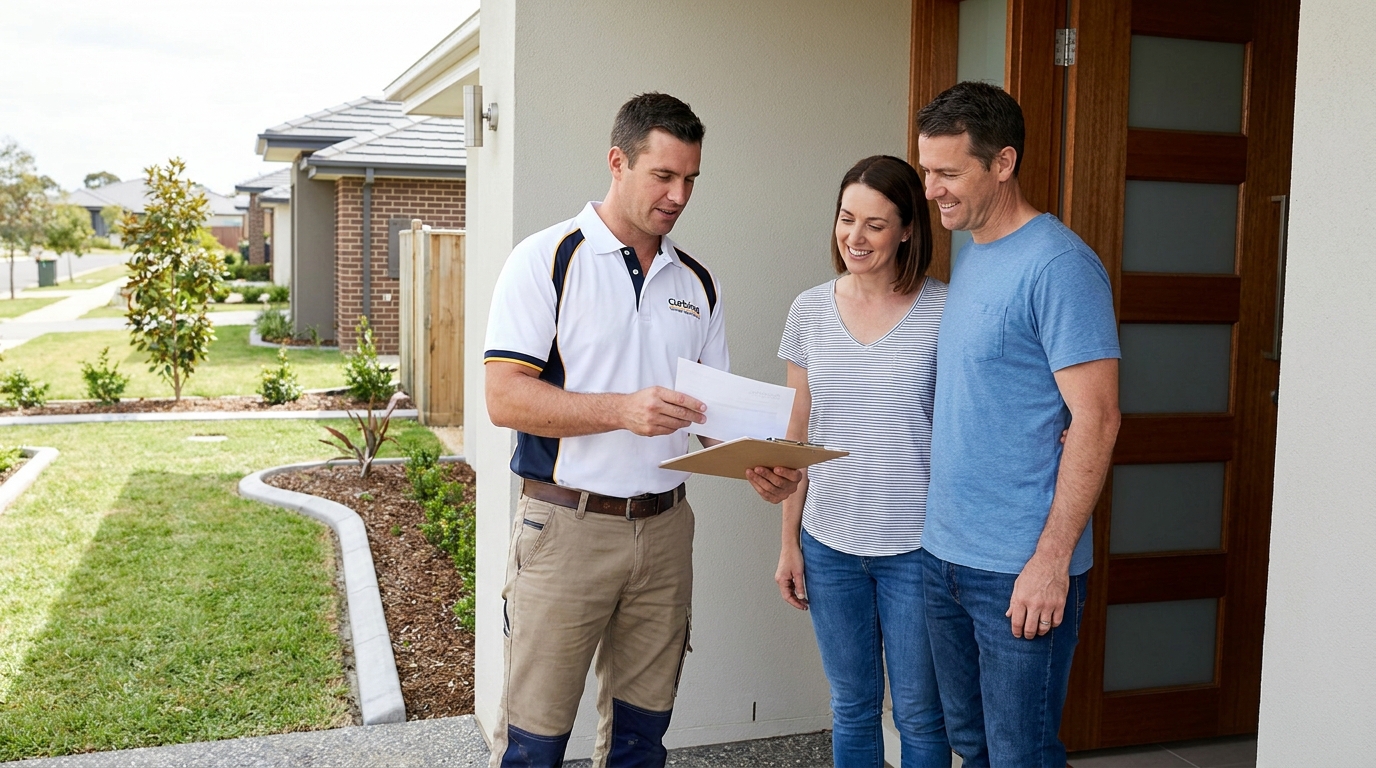
Price is the most common objection, but homeowners rarely mean the total is too high. They mean they don’t understand what they’re paying for.
Break Down the Per-Year Cost
A 200-foot curbing job at $12 per linear foot costs $2,400. Over a typical 15-year lifespan, that’s $160 per year for permanent landscape definition. Frame it against what the homeowner spends annually on mulch replacement, edging repairs, and lawn maintenance time. A clear cost-per-foot breakdown makes the comparison concrete.
Compare To Alternatives
Plastic edging costs $1 to $3 per linear foot but typically lasts 3 to 5 years before cracking and shifting. Over 15 years, a homeowner replaces plastic edging 3 to 4 times, spending $600 to $1,800 plus labor each cycle. Compared to plastic edging, concrete curbing is often the cheaper option over any window longer than 5 years.
Anchor To Home Value
Well-designed landscaping can increase resale value by up to 20%. Curbing is one of the most visible improvements a homeowner can make at the lowest cost per linear foot compared to hardscaping alternatives like pavers or retaining walls.
“I Can Just Use Plastic Edging”: Show the Difference
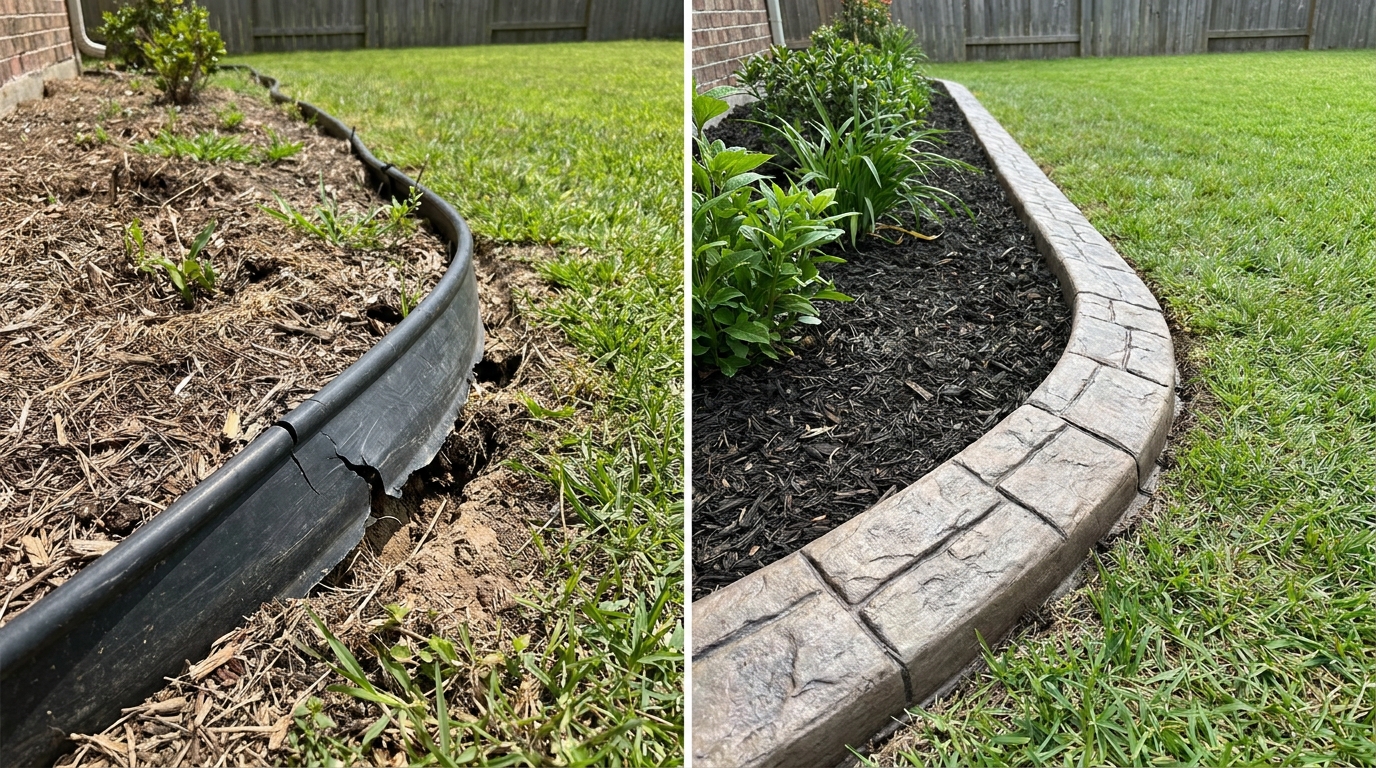
This objection gives you a direct opening to position concrete curbing as the premium solution.
- Durability. Plastic edging shifts, cracks, and pops out of the ground within 3 to 5 years. Concrete curbing is designed to remain in place for 15 to 20 years with proper installation and reinforcement.
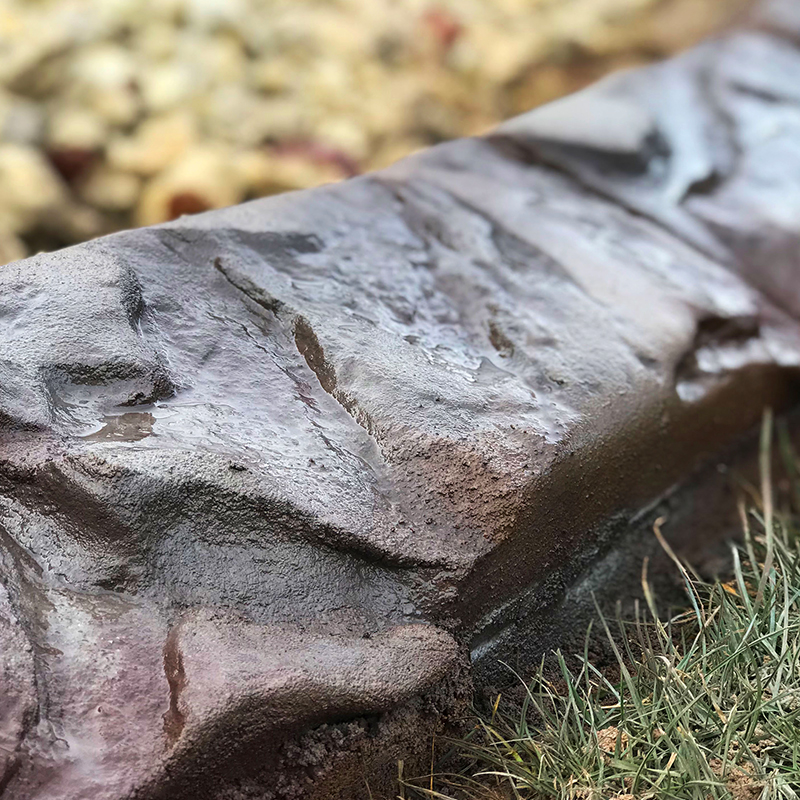
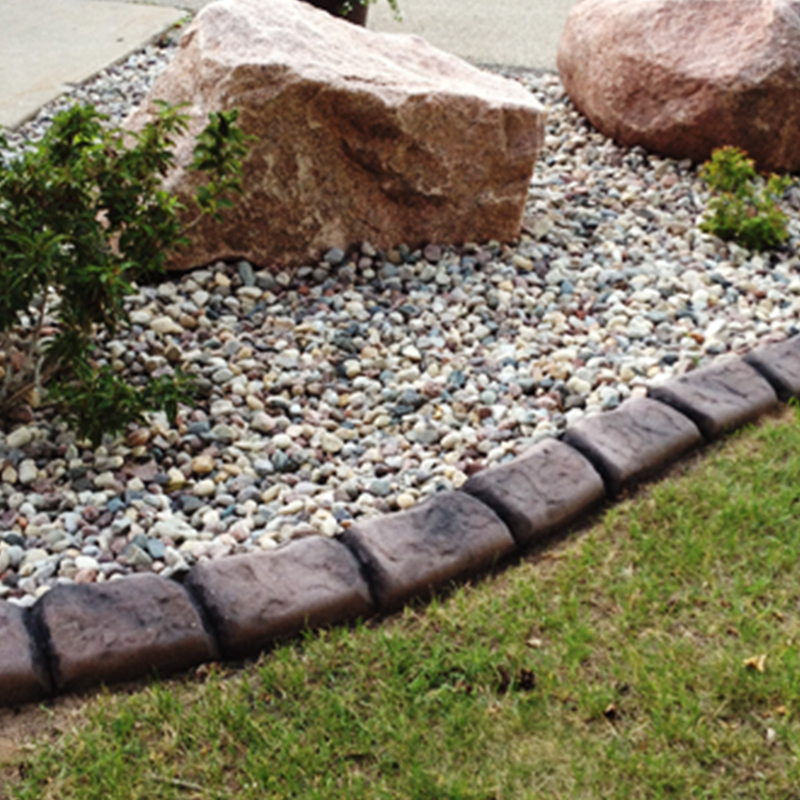
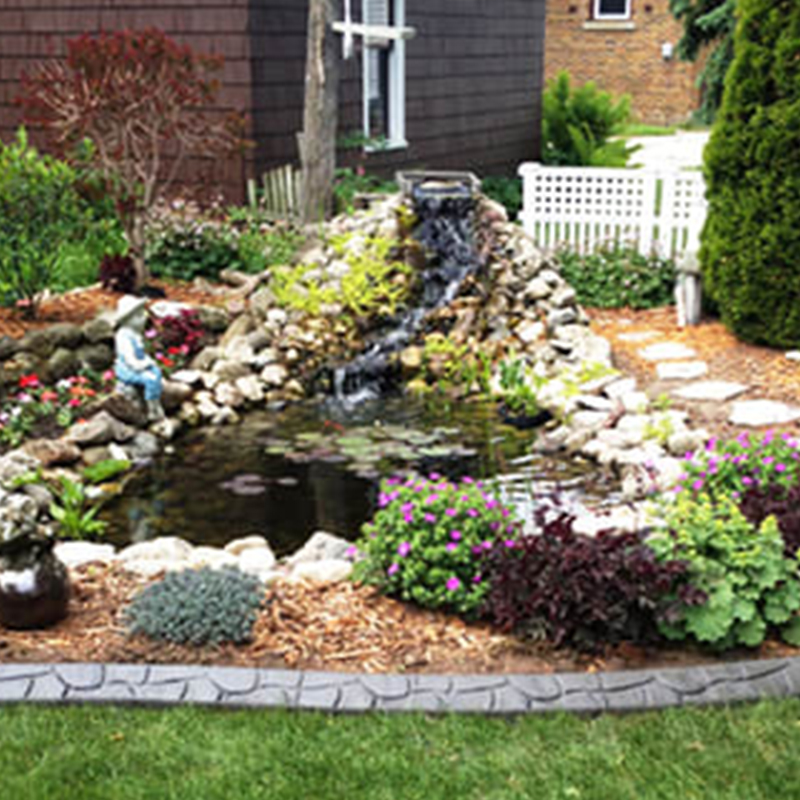
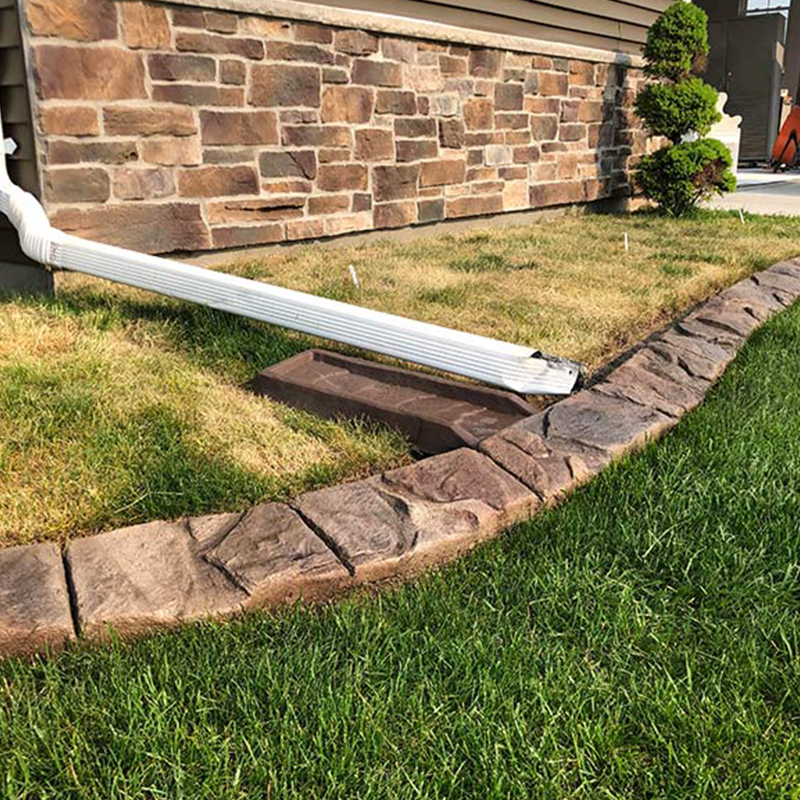
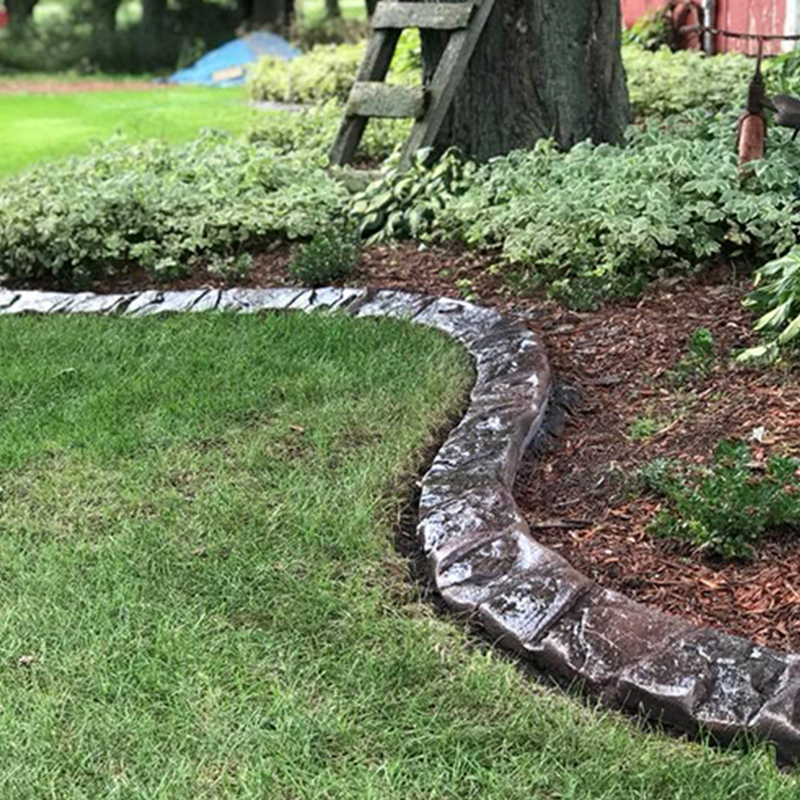
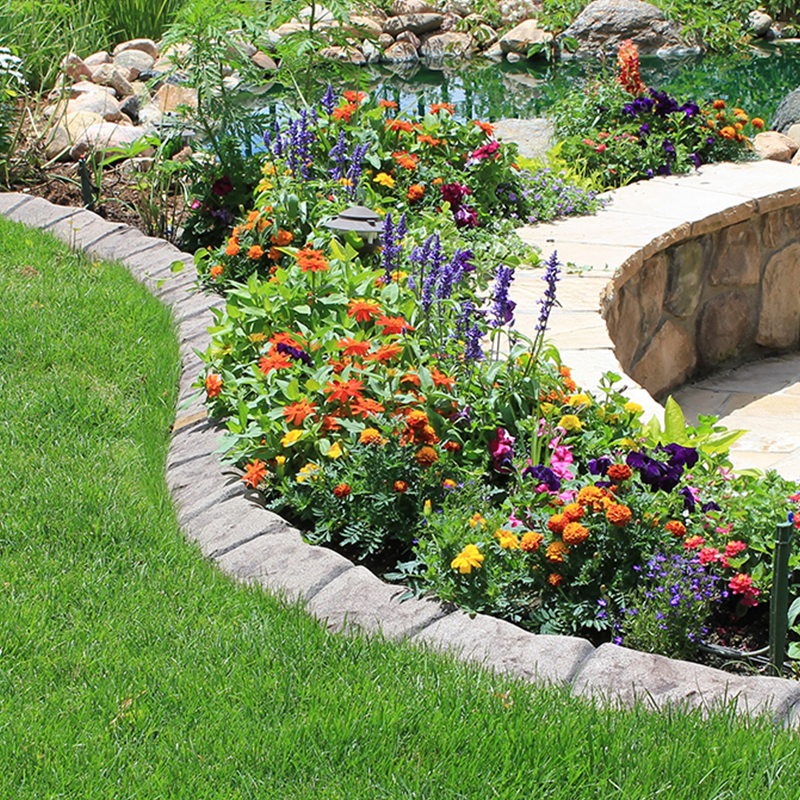
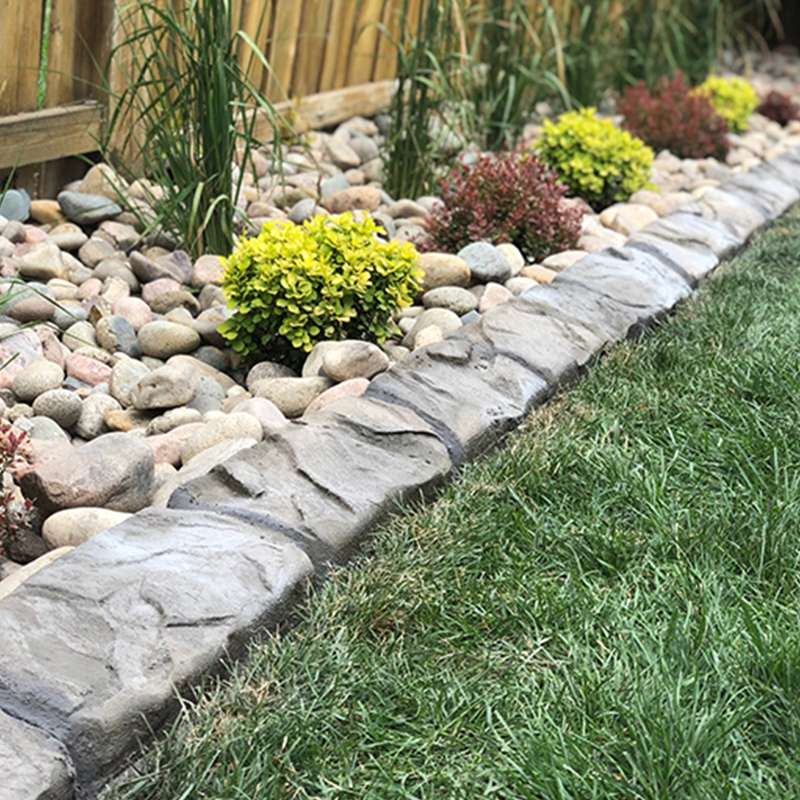
- Appearance. Plastic edging looks functional. Stamped concrete curbing looks like natural stone, brick, or flagstone. The visual difference is obvious from the street.
- Maintenance. Plastic requires annual repositioning and replacement of broken sections. Concrete curbing needs only occasional sealer reapplication every 2 to 3 years.
The strongest response to this objection is visual. Show before-and-after photos from past jobs on your phone. A side-by-side of plastic edging next to stamped curbing closes this objection faster than any script. Building a strong curbing business means mastering these conversations.
“I Need to Think About It”: Create Urgency Without Pressure
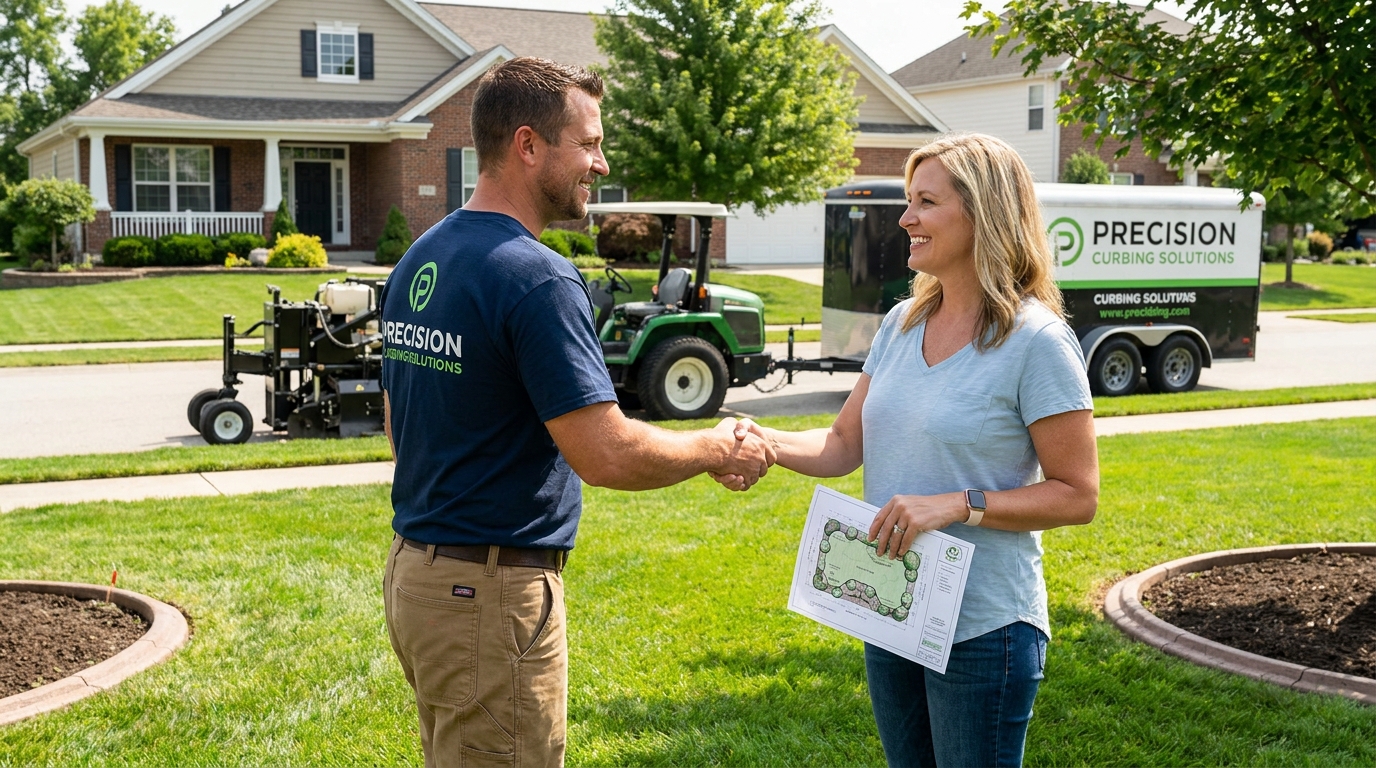
Decision delay kills more curbing sales than price objections. The homeowner isn’t saying no. They’re saying not right now, and most never call back.
- Set a follow-up date. Before you leave, ask: “When would be a good time for me to check back in?” A specific date creates accountability without pressure.
- Seasonal framing. “We’re booking through the next two months. If you want installation before summer, we’d need to schedule by this date.” This creates real urgency based on your actual calendar.
- Leave behind a one-page estimate with your business card, a before-and-after photo, and a clear expiration date. Estimates that sit on a kitchen counter with a valid-through date close more often than open-ended quotes.
Avoid offering discounts to close sales. Dropping your price trains customers to negotiate and cuts into margins you need to grow.
Frequently Asked Questions
What is the most common objection in curbing sales?
Price resistance is the most frequent objection. Homeowners compare the upfront cost of concrete curbing to cheaper alternatives without considering concrete curbing’s lifespan. Breaking the total into a per-year cost and comparing it to annual edging replacement usually resolves the concern within the same conversation.
How do I sell curbing against cheaper edging options?
Focus on total cost of ownership over 10 to 15 years, not the upfront price. Plastic edging at $1 to $3 per foot needs replacement every 3 to 5 years. Curb Depot’s training covers how to build this comparison into your presentation so homeowners can appreciate the full picture.
Should I offer discounts to close a curbing sale?
Avoid routine discounting. Dropping your price signals that your original estimate was inflated. Instead, offer added value: a free expansion joint upgrade, a complimentary sealer application, or priority scheduling. These protect your per-foot margin while giving the customer a reason to commit today.
Close More Jobs With Better Conversations
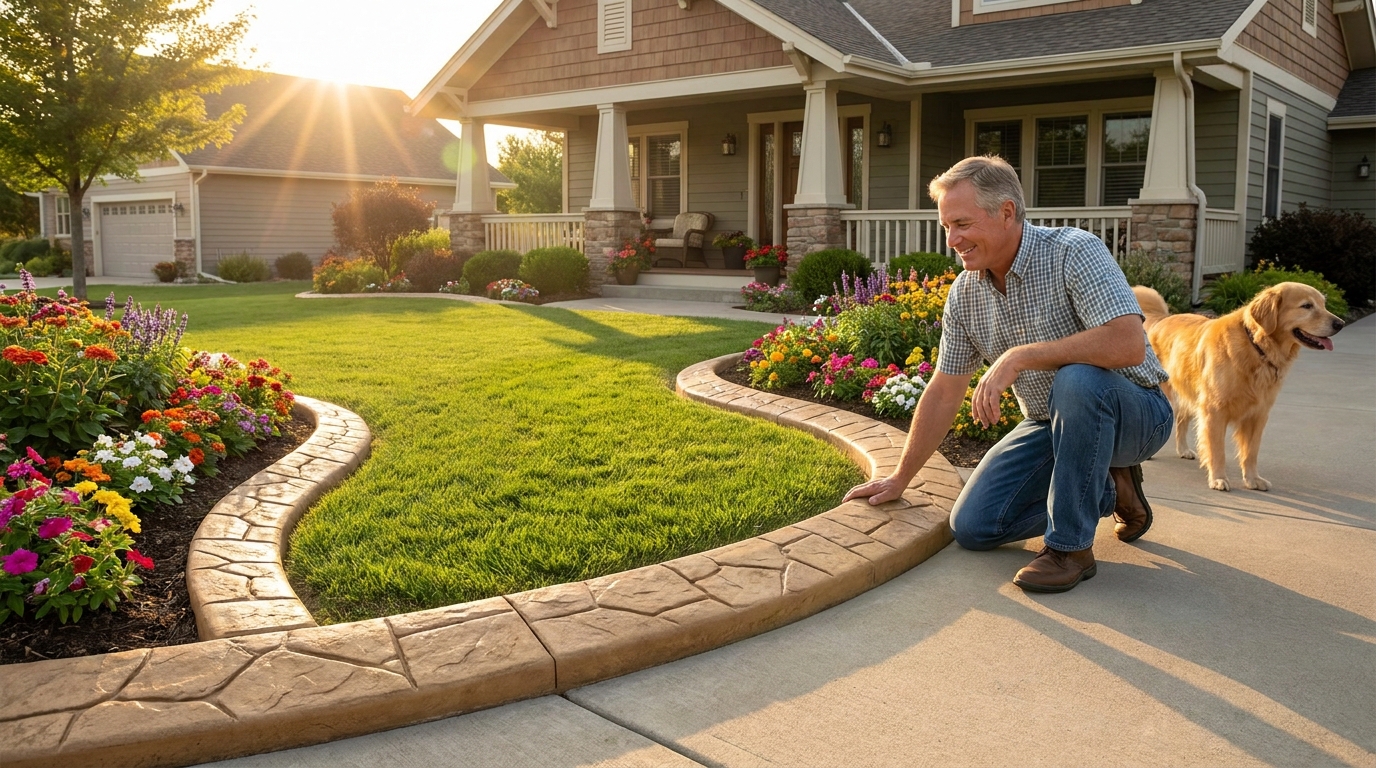
Every objection is a question the homeowner hasn’t asked directly. “It’s too expensive” means “what am I getting for this?” “I need to think about it” means “I’m not sure yet.” Answering the real question behind each objection closes more jobs than any high-pressure technique.
Contact Curb Depot for training that covers sales strategies alongside installation technique and equipment operation.
Earn More With Natural Stone.

Click to Register

Create beautiful curb with unique stamps.

Looking to sell your equipment?
Let us help.



Ready to Order Your New Curbing Trailer? Request More Info.
Give us a call at (920) 740-2218 or simply fill out the form below to learn more about getting all the tools and training to get started. We make the process easy to start earning money in landscape curbing.