The difference between a tree that enhances your property value and one that costs you thousands in foundation repairs often comes down to a single decision made when you planted it. Root systems you can’t see cause the most expensive problems, yet these issues are completely avoidable when you know which species to choose—and which to skip.
At Curb Depot, our partnerships with landscaping and curbing professionals nationwide have given us front-row seats to both cautionary tales and success stories, and we’re sharing that knowledge to help you make choices that protect your investment.
Why Does Tree Selection Matter for Your Foundation and Hardscape?
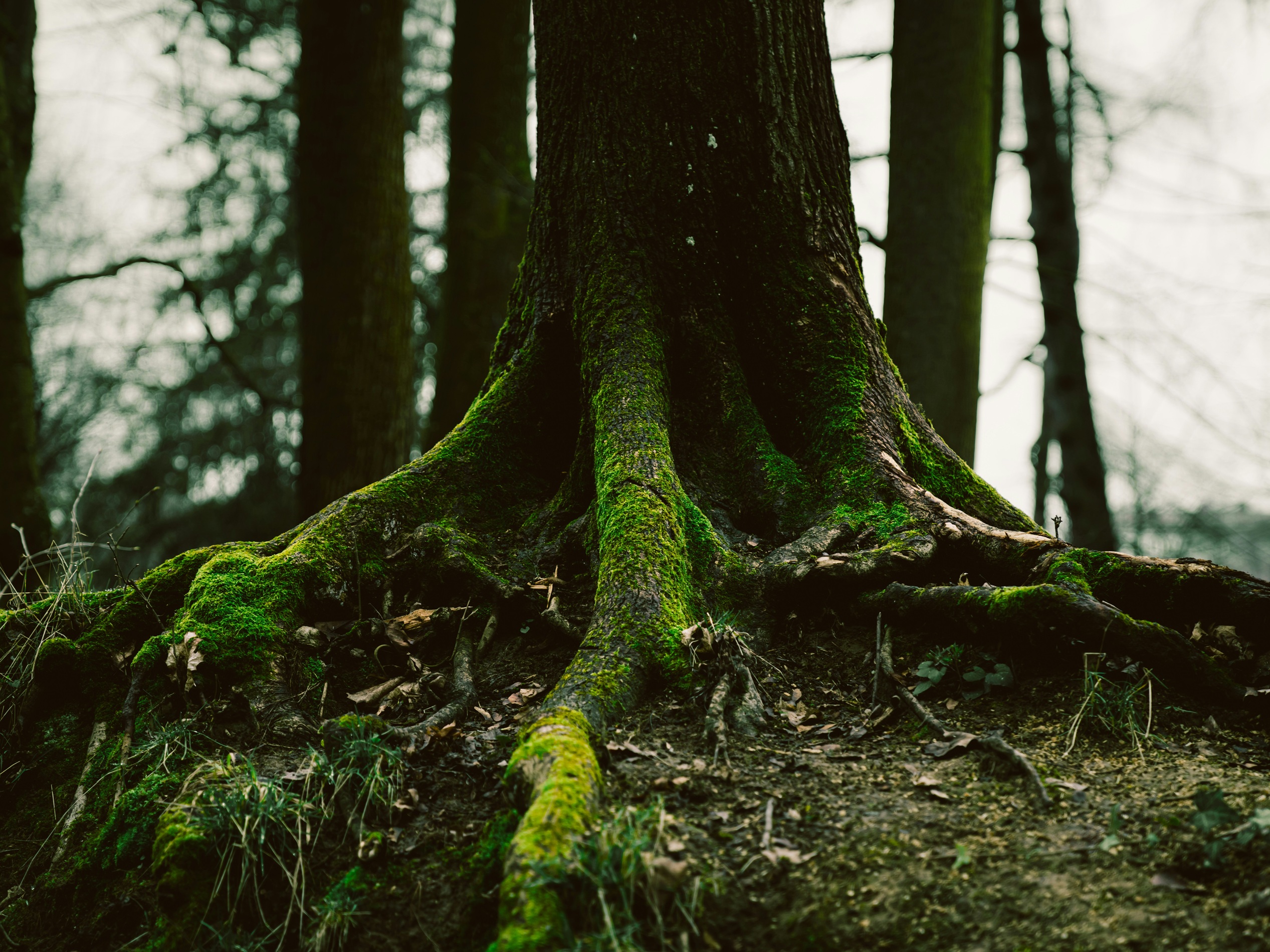
The biggest threat from improperly placed trees is their root system. Trees with aggressive, fast-spreading roots actively seek moisture and can infiltrate existing cracks or weak points in your home’s foundation or concrete curbing. Over time, these roots expand, turning small fissures into more serious structural concerns.
In our home state of Wisconsin, seasonal freeze-thaw cycles already place stress on concrete, and invasive root systems can exacerbate this process, increasing the likelihood of costly repairs that could often be avoided with proper planning.
What Should You Look for in a “House-Safe” Tree?
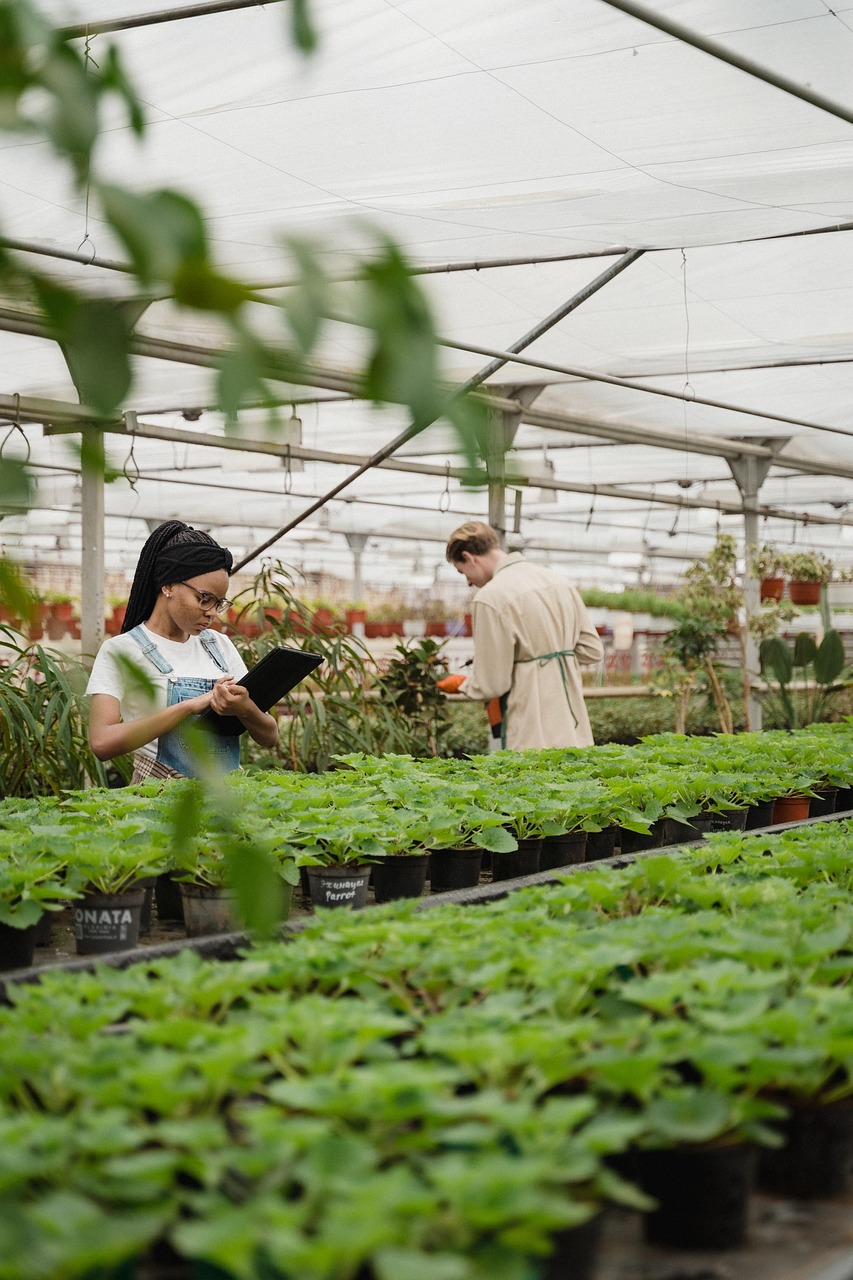
When selecting a tree to plant near your home, there are a few key characteristics to consider. First, look for species with compact, non-aggressive root systems that are less likely to spread near foundations or hardscapes.
Second, consider the tree’s mature size. A tree that appears small and manageable at the nursery can eventually outgrow its space, causing overhanging branches and a larger root zone. Finally, choose species recognized for strong wood structure and resistance to common diseases, as this reduces the risk of falling limbs during storms and severe weather.
Our Top 5 Safe Tree Choices for Midwest Homes
Based on our experience working with landscape professionals, here are five reliable and attractive trees that are generally safe to plant relatively close to your home as long as they’re properly spaced.
1. Serviceberry (Amelanchier spp.)
This small, often multi-stemmed tree is a four-season standout. It offers delicate white flowers in the spring, edible berries in the summer, vibrant fall color, and attractive bark in the winter. Its root system is typically non-aggressive, making it a strong choice for planting near patios, walkways, and concrete curbing.
2. Eastern Redbud (Cercis canadensis)
Known for its striking magenta blooms in early spring, the eastern redbud is a smaller deciduous tree that rarely exceeds 30 feet in height. Its root system isn’t considered invasive, and it’s well-suited to the temperature swings common throughout the Midwest.
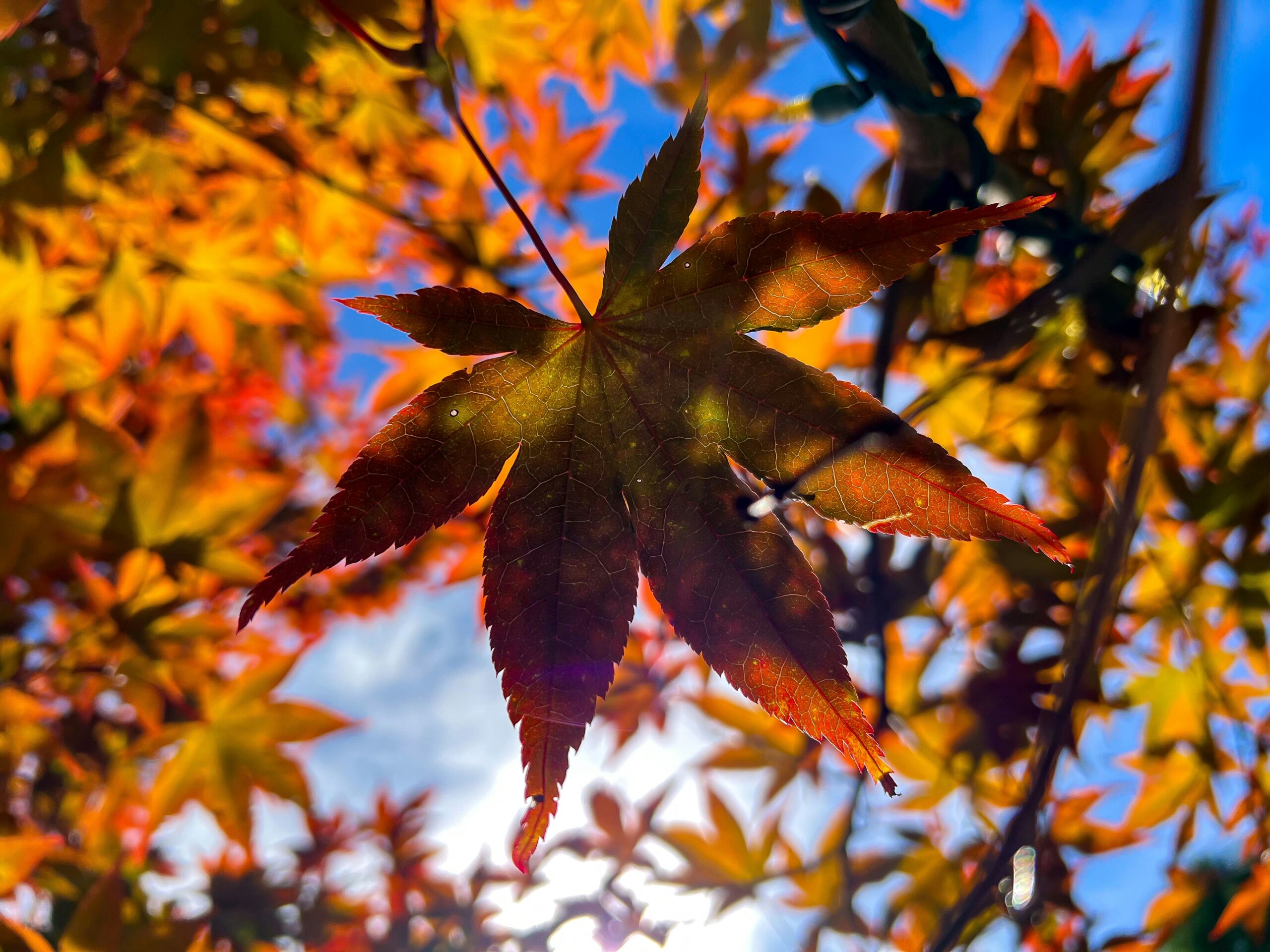
3. Japanese Maple (Acer palmatum)
For homeowners looking for a refined focal point, the Japanese maple is an elegant option. With hundreds of cultivars available, it can fit a wide range of spaces and design styles. Japanese maples generally have fibrous, non-aggressive root systems, making them suitable for planting near foundations when provided with proper drainage and adequate space.
4. Crabapple (Malus spp.)
Modern crabapple varieties are bred for improved disease resistance and a smaller, more manageable mature size. They deliver a stunning floral display in the spring, and their root systems are typically well-behaved, making them a classic and dependable choice for residential landscapes.
5. American Hornbeam (Carpinus caroliniana)
Also known as musclewood for its distinctive fluted bark, the American Hornbeam is a slow-growing, resilient, native tree. Its roots are generally not problematic near structures, and it tolerates a variety of soil conditions, making it a low-maintenance and structurally sound option.
Which Trees Should You Avoid Planting Near Your Home?
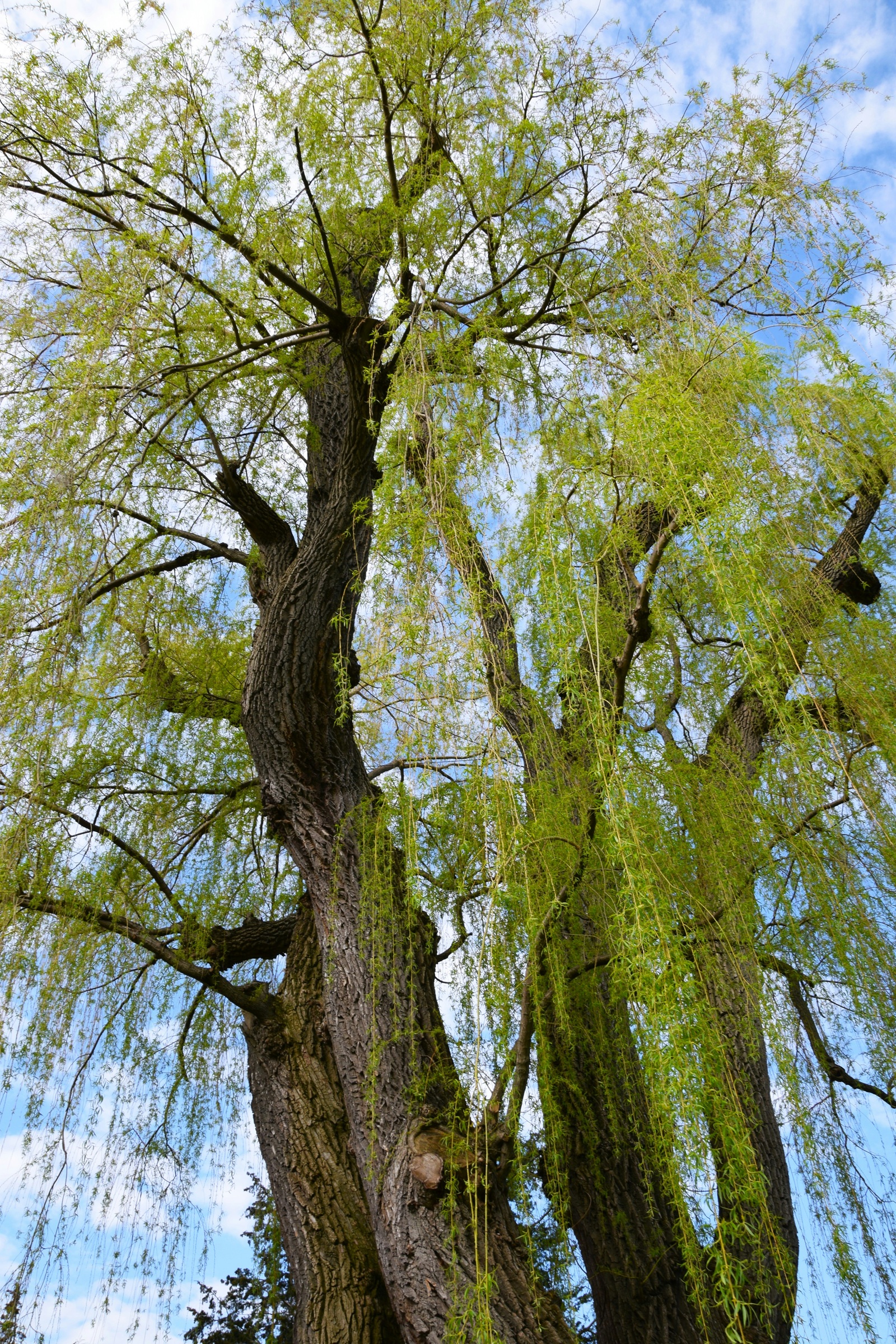
Just as important as knowing which trees to plant is knowing which ones to avoid. Large, fast-growing species such as silver maple, weeping willow, and American elm develop extensive root systems that seek moisture over wide areas and can interfere with foundations, underground utilities, and concrete hardscapes.
While visually appealing, these trees are best suited for parks, large yards, or open spaces well away from structures.
Protect Your Investment With Trees and Curbing That Work Together
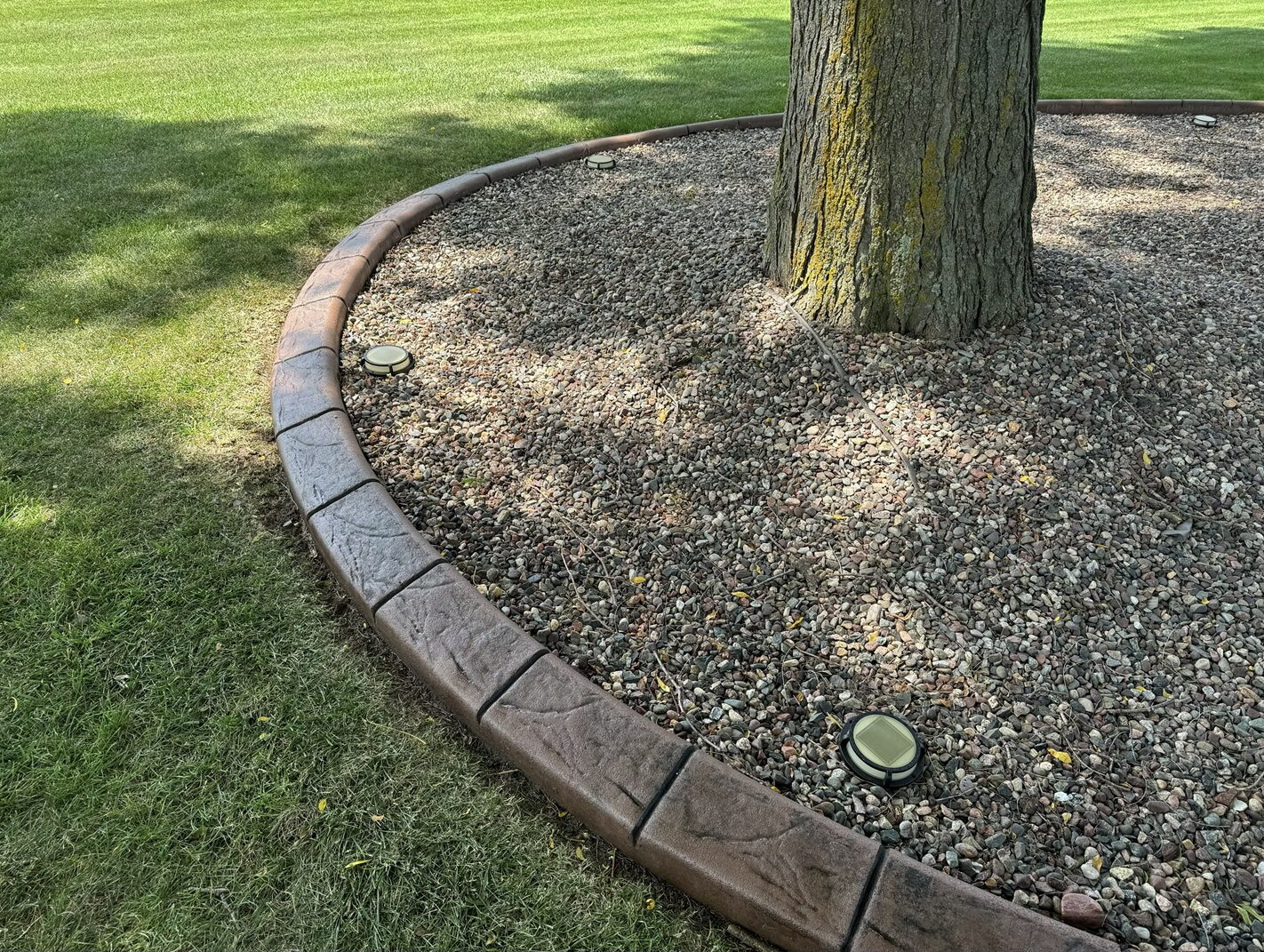
Thoughtful tree selection is a critical part of responsible homeownership and landscape design. By choosing species with less aggressive root systems and appropriate mature sizes, you can enhance your home’s appearance without compromising its structural integrity. When you pair safe tree choices with quality concrete curbing, you create a landscape that’s both beautiful and built to withstand the test of time.
At Curb Depot, we supply professional-grade curbing equipment and training that contractors use to install durable landscape borders that coexist with your trees for decades, not compete with them underground.
Contact us today for expert guidance on curbing equipment and hardscape solutions that complement smart landscaping decisions.
Earn More With Natural Stone.

Click to Register
Create beautiful curb with unique stamps.
Looking to sell your equipment?
Let us help.



Ready to Order Your New Curbing Trailer? Request More Info.
Give us a call at (920) 740-2218 or simply fill out the form below to learn more about getting all the tools and training to get started. We make the process easy to start earning money in landscape curbing.