Landscape edging is a crucial element in garden design, serving aesthetic and functional purposes. It defines boundaries, contains materials, and adds a polished finish to your outdoor spaces. With numerous options available, choosing the right edging can seem overwhelming.
Curb Depot champions the superior benefits of concrete curbing, but we understand that different projects and budgets call for different solutions. This guide explores garden and landscape edging options to suit diverse styles and budgets, helping you find the perfect fit for your property.
Diverse Landscape Edging Options
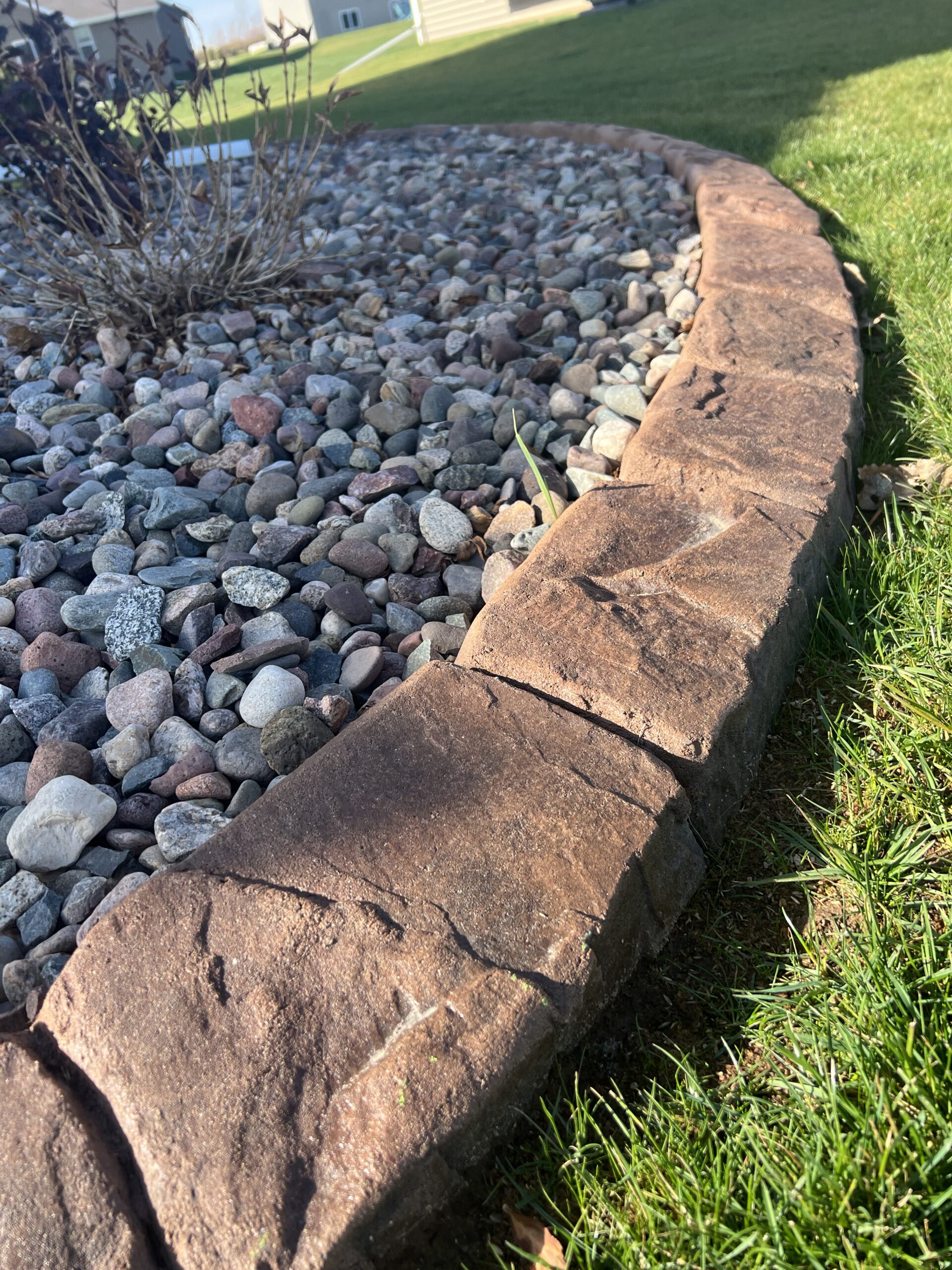
1. Concrete Curbing (Best for Durability & Aesthetics)
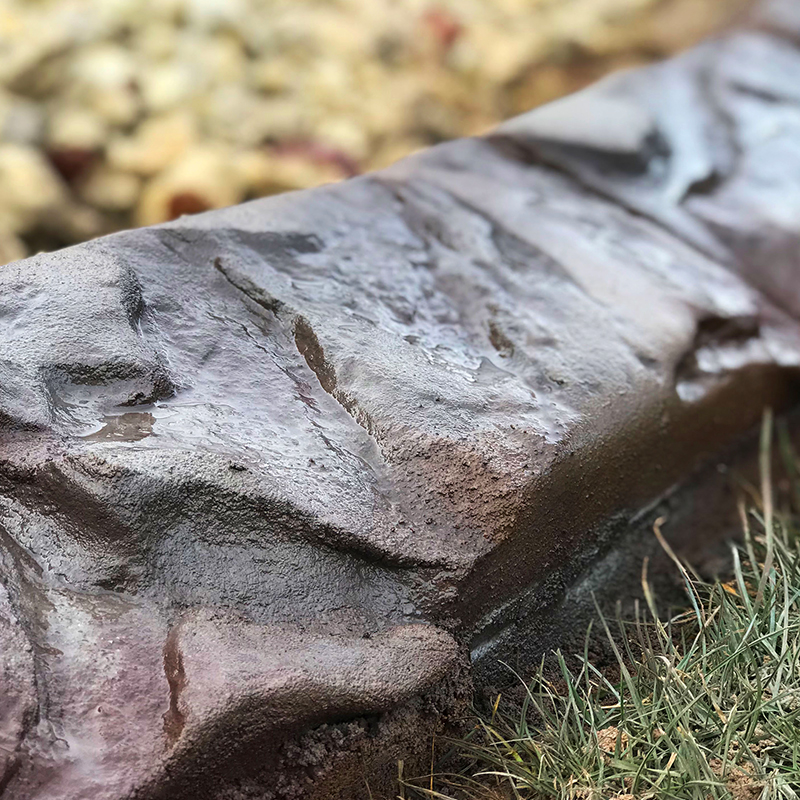
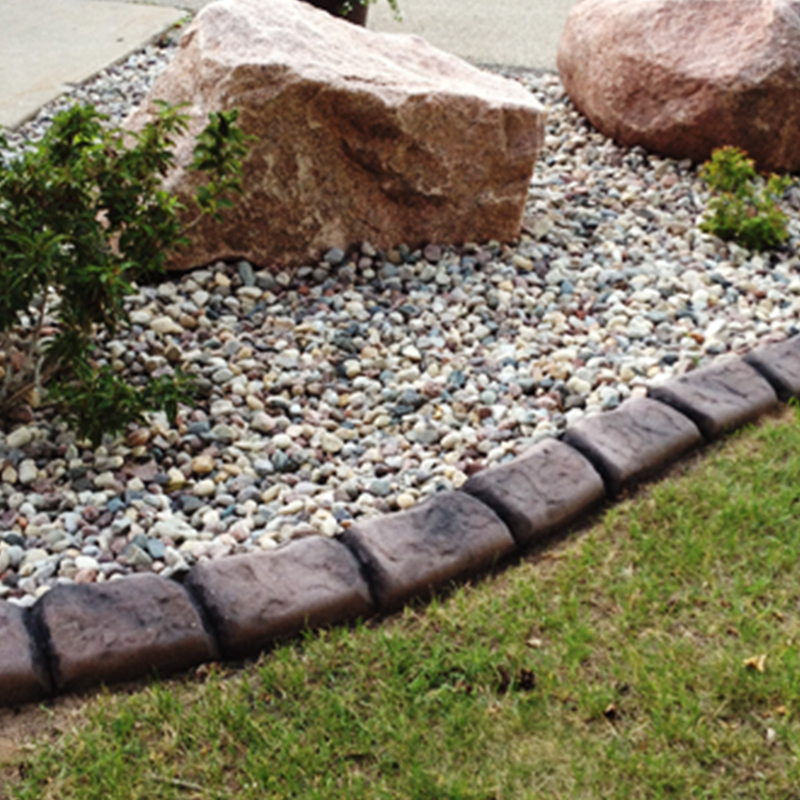
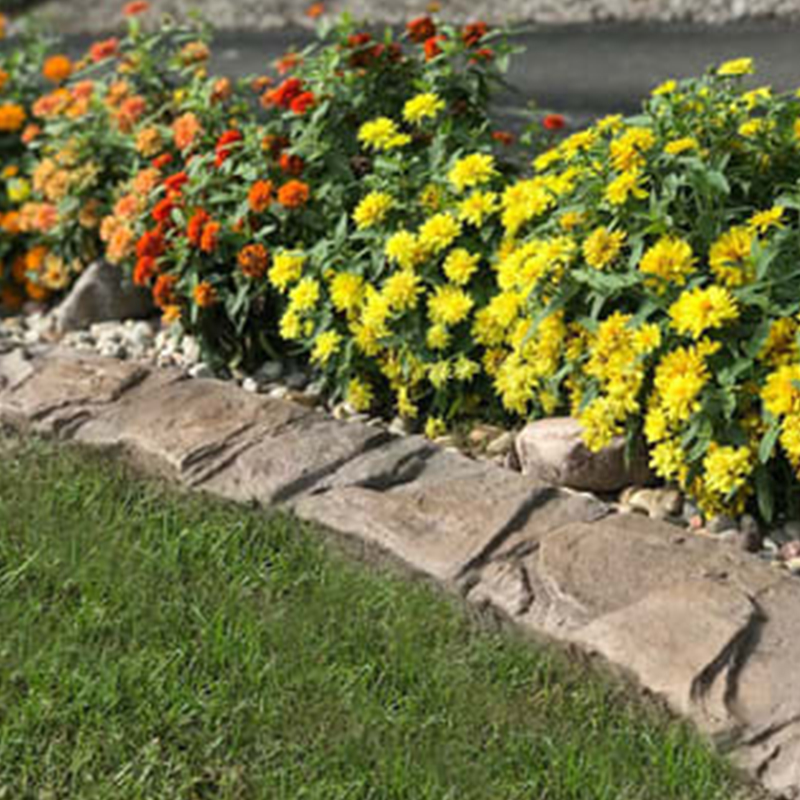
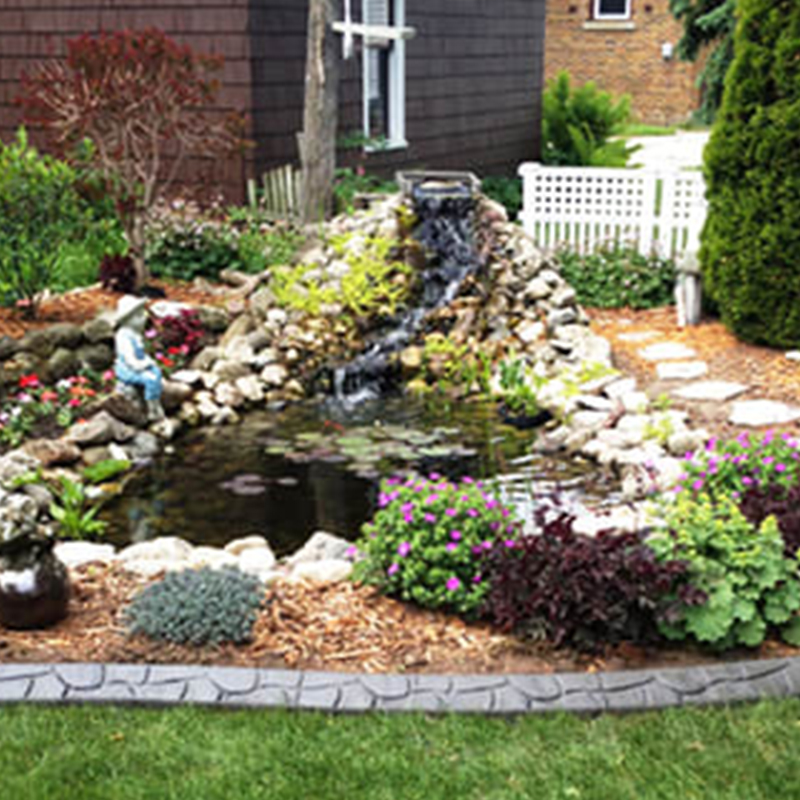
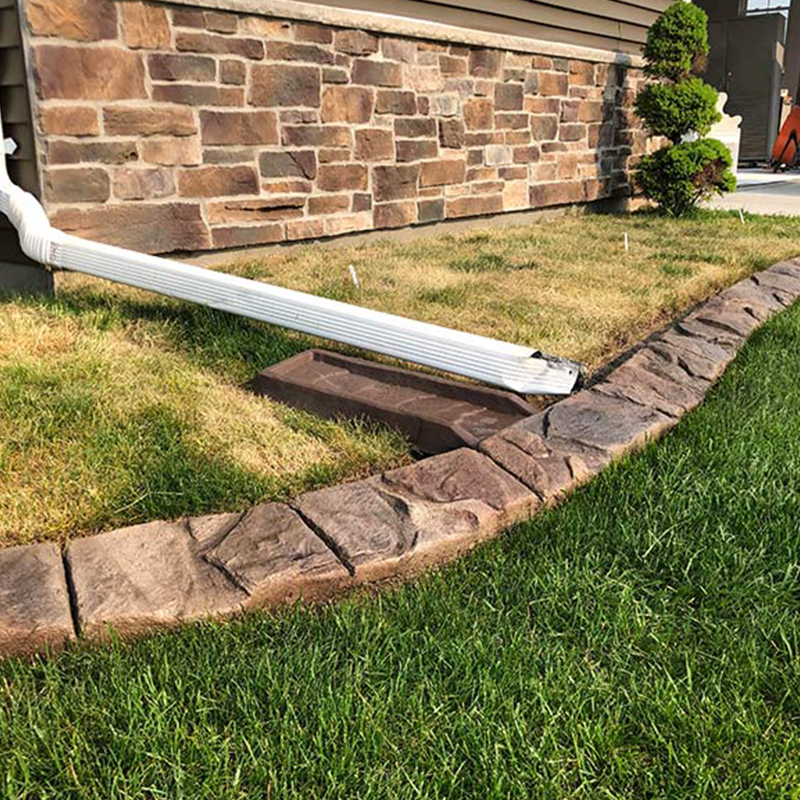
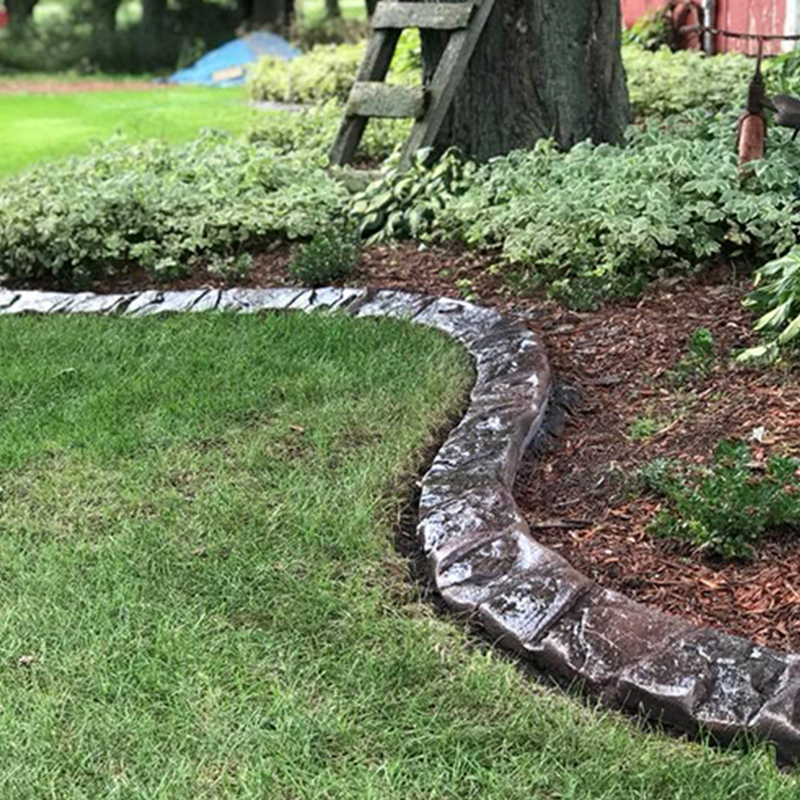
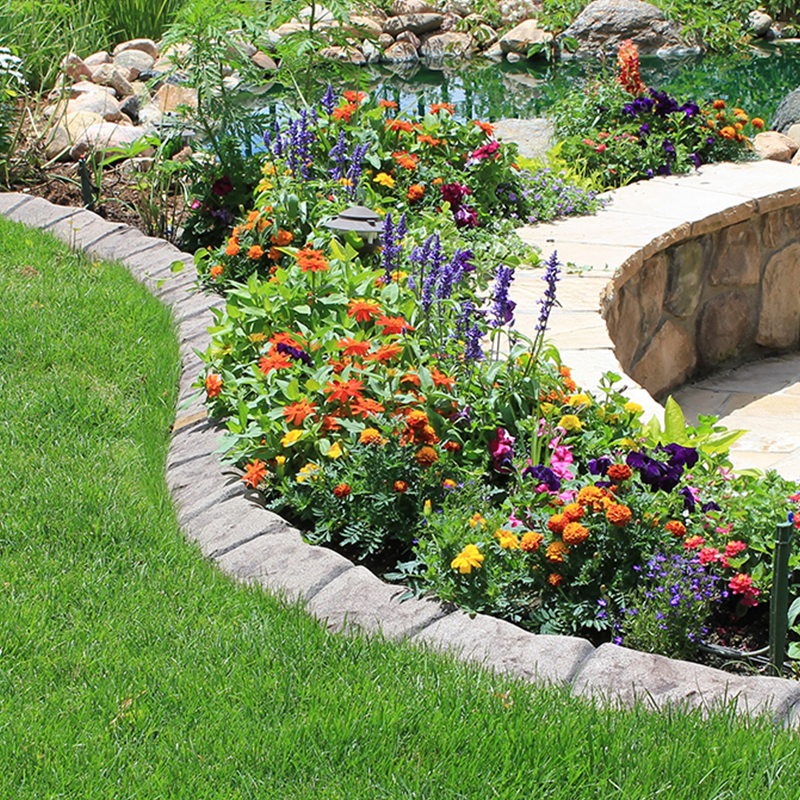
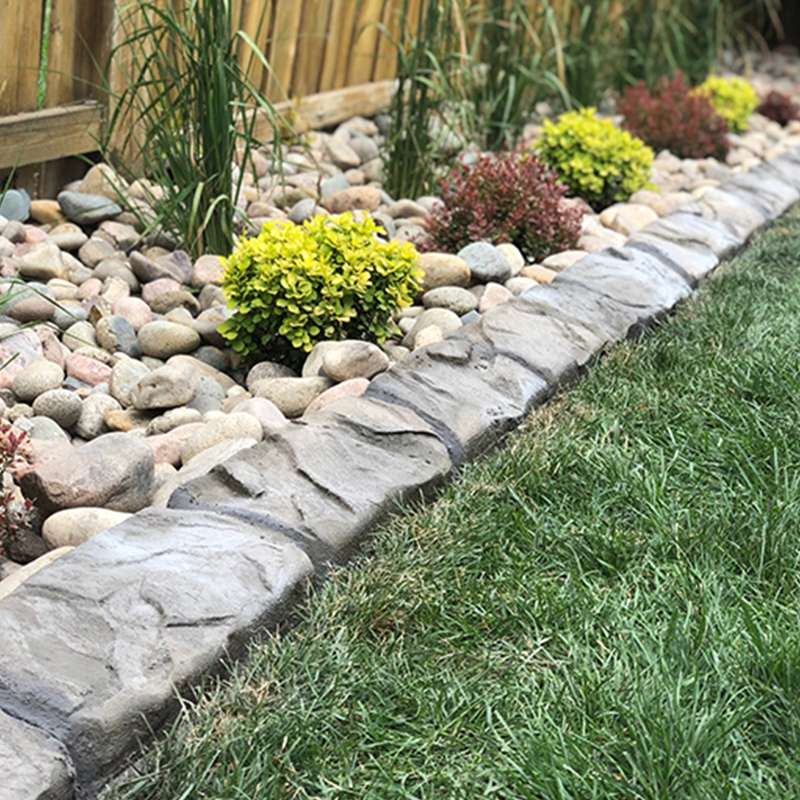
Concrete curbing is a premium, permanent solution. Extruded on-site, it offers unparalleled durability, longevity, and design versatility. It can be customized with various profiles, colors, and stamps to mimic natural stone or brick.
Concrete curbing helps limit grass and shallow root intrusion, withstands heavy impact, and requires minimal maintenance. While the initial investment is higher than some alternatives, its long-term value, aesthetic appeal, and functional benefits make it a top choice for those seeking a sophisticated and lasting edge.
2. Brick or Stone Edging (Classic & Timeless)
Brick or natural stone edging offers a classic, timeless look that complements many architectural styles. Individual bricks or stones are laid in a trench, often with mortar for stability. This option is durable and aesthetically pleasing, offering a natural, rustic charm.
Installation can be labor-intensive. Over time, individual units can shift or become dislodged, requiring occasional resetting. Weeds can also grow between joints if the mortar cracks or deteriorates over time.
3. Metal Edging (Sleek & Modern)
Metal edging, typically made from steel, aluminum, or composite materials, delivers a sleek, minimalist, and modern look. It’s thin yet strong, creating a subtle boundary that doesn’t detract from the plants.
Metal edging is durable, rot-resistant, and can be bent to create smooth curves. Installation involves driving stakes into the ground to secure it. While generally more expensive than plastic, it offers a more refined appearance and better longevity. However, steel can rust over time, and aluminum is prone to bending under significant impact.
4. Plastic Edging (Budget-Friendly & Flexible)
Plastic edging is often the most cost-effective and easiest DIY installation option. Available in rolls or sections, it’s flexible and can easily conform to curved garden beds.
Its main drawbacks are durability and aesthetic appeal. Plastic can become brittle, crack, fade, and shift over time, often requiring frequent adjustments or replacement. It rarely provides the polished look of more substantial materials and is less effective at containing aggressive grass roots or heavy mulch.
5. Wood Edging (Natural & Rustic)
Wood edging, such as treated lumber, railroad ties, or logs, provides a natural, rustic aesthetic. It’s relatively easy to install and can be a cost-effective option, especially if using reclaimed materials.
However, wood is susceptible to rot, decay, and insect infestation, particularly in moist environments. It requires more frequent replacement than concrete or stone, and its appearance can degrade over time. Regular maintenance, such as sealing or staining, can extend its lifespan.
6. Rock or Cobblestone Edging (Natural & Permeable)
Loose rock or cobblestone edging creates a natural, informal boundary. It’s excellent for rustic or naturalized garden designs and allows for good drainage. Installation can range from simply laying stones to more intricate dry-stacking.
Though aesthetically pleasing, loose rocks can shift, and weeds can grow between them. It may not produce the clean lines that other options offer. Plus, it can be challenging to mow around without scattering the stones.
7. Gabion Walls (Unique & Industrial)
For a more unique and robust edging solution, consider gabion walls. These rock-filled wire cages create sturdy and visually interesting borders. Gabion walls offer excellent drainage and can be a striking feature in modern or industrial-inspired landscapes.
They are highly durable and long-lasting, but require a significant initial investment in materials and labor. This option is better suited for larger landscapes where edging is meant to stand out.
Curb Depot: Start With the Right Equipment and Support
When selecting landscape edging, consider:
- Your Budget: Initial cost versus long-term value and maintenance.
- Desired Aesthetic: The overall style you want to achieve for your garden and home.
- Practical Needs: How effectively does it need to contain materials, prevent grass invasion, or facilitate mowing?
- Maintenance Tolerance: How much time and effort are you willing to invest?
- Climate: Will the materials withstand local weather conditions?
Curb Depot believes that continuous concrete curbing offers the best balance of durability, aesthetics, and low maintenance for most applications. Our products and training empower you to create beautiful and functional landscape edges that stand the test of time. Explore our curbing packages and equipment to start your journey towards a perfectly edged landscape.
Earn More With Natural Stone.

Click to Register

Create beautiful curb with unique stamps.
Looking to sell your equipment?
Let us help.


Ready to Order Your New Curbing Trailer? Request More Info.
Give us a call at (920) 740-2218 or simply fill out the form below to learn more about getting all the tools and training to get started. We make the process easy to start earning money in landscape curbing.