
Start With the Failed System, Not the Worn Part
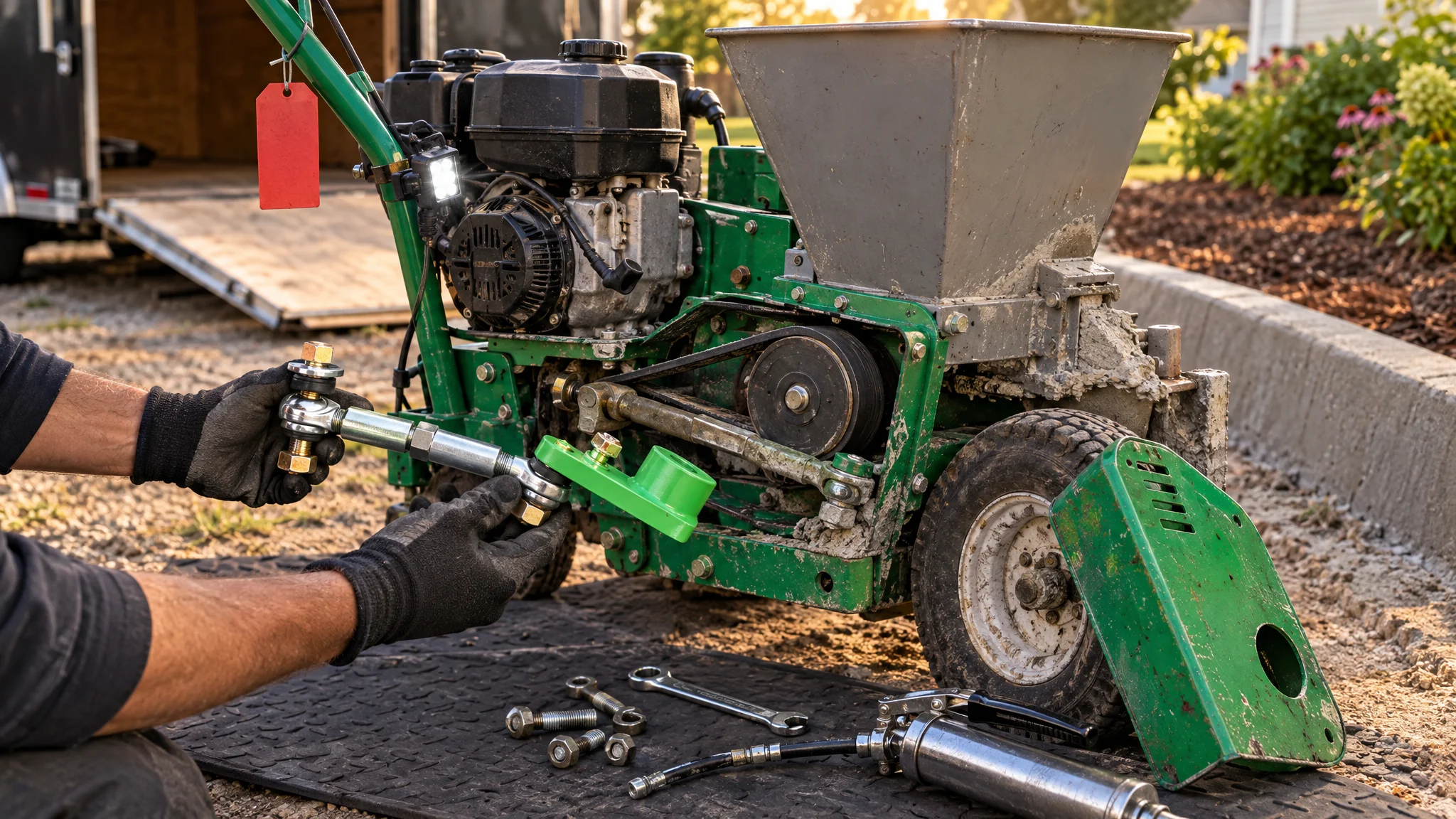
The correct part decision begins with identifying the system that actually failed, whether that is the plunger, link arm, gearbox attachment, belt drive, mold, cable-feed path, engine, or related support equipment. A visibly worn part is not always the root cause. It can be a symptom of a neighboring component, loose hardware, dried concrete buildup, or a poor adjustment elsewhere on the machine. Ordering a replacement before locating the actual fault often means the same failure shows up again later.
A few conditions are worth ruling out before any part comes off the machine:
- Dried concrete left on the mold and plunger assembly, which can harden and score surfaces over time. Clearing concrete after every job helps determine whether a part truly needs replacing or just needs cleaning.
- Belt condition and tension, since fraying, glazing, or slack can affect machine operation and even contribute to cable-feed problems that look like a separate issue.
- Loose hardware or dry fittings near the point of failure, which can mimic the symptoms of a worn component.
Confirm Machine Model and Assembly Compatibility
Curbing machines vary by model and assembly style, so the same-looking part is not always a direct fit. On Harpten curbing machines, for example, the design includes a no-guts layout, link-arm technology, a belt and drive guard, a belt tensioner, and a bolt-free quick-release mold system. Those design details matter when selecting a replacement, since a part built for one assembly style may not align correctly with another.
Before placing an order, confirm:
- The exact machine model and assembly type.
- The specific component location, such as the plunger arm, link arm, or gearbox attachment point.
- Any related components that should be inspected or replaced at the same time, so the repair is not undone by a part that was overlooked.
Once the model and failure point are confirmed, you can browse curbing machine replacement parts with confidence that the component matches the equipment.
Routine Checks That Catch Problems Before They Become Repairs
Many part failures are easier to prevent than replace. A short routine of inspections can catch issues while they are still minor:
- A weekly, empty-machine cable check can reveal snags, kinks, or debris before a pour. Uneven cable feed can create wavy curb and uneven reinforcement placement, so this is a useful companion check before replacing feed-related parts.
- Weekly checks are meant to catch what daily checks miss, including loose wheel and axle hardware and dry fittings on the plunger arm and wheel assemblies.
- Start-of-season inspection should include the drive belt and mold surfaces, while off-season storage should protect exposed metal and help prevent fuel-related engine problems. Seasonal inspection often reveals replacement needs before the first job of the season.
These checks are covered in more detail in Curb Depot’s curbing machine maintenance checklists, which pair well with parts selection since many of the same inspection points determine whether a part needs replacing at all.
Safety Before Any Service Work
Before servicing powered equipment, unexpected startup and stored energy need to be controlled. Under OSHA’s standard, employers covered by the rule must use energy-control procedures for servicing and maintenance whenever unexpected energization or release of stored energy could cause injury. Confirming the machine is fully de-energized and cannot start unexpectedly should happen before any part is removed or installed.
Keeping the Right Spares on Hand
For contractors running a tight schedule, it can make sense to keep a small stock of commonly worn or job-stopping parts available rather than waiting on an order after a breakdown. The right spares to keep depend on the specific machine, workload, and how quickly replacement parts can be sourced, so this is worth evaluating against your own equipment rather than following a generic list. Operators who are newer to curbing equipment may also benefit from Curb Depot’s online and in-person training, which includes machine maintenance among its core topics and can build confidence in diagnosing issues before they become costly downtime.
Frequently Asked Questions
How do I know whether a worn plunger or link arm is actually causing the problem?
Check the systems around it first, including belt tension, cable feed, hardware, and buildup on the mold and plunger assembly. If those are in good condition and the symptom persists at that specific point, the plunger or link arm is a more likely candidate for replacement.
What should I inspect before replacing a curbing machine belt?
Look for fraying, glazing, or slack, and check whether belt tension issues could be contributing to a cable-feed problem rather than a belt problem on its own.
Which curbing machine parts are worth keeping on hand to reduce jobsite downtime?
That depends on your machine model, workload, and how fast you can get a replacement part when you need one. A short list of the components that fail most often on your specific equipment is a reasonable starting point.
Get the Right Part the First Time
Based in Appleton, Wisconsin, Curb Depot supplies curbing contractors across the Fox Valley area, including Appleton, Neenah, Menasha, and Kaukauna, as well as customers throughout the United States and Canada. If you have identified the failed system on your machine and need a compatible plunger, link arm, gearbox attachment, or Harpten assembly, call (920) 740-2218 to talk through your machine model and get the correct part the first time.
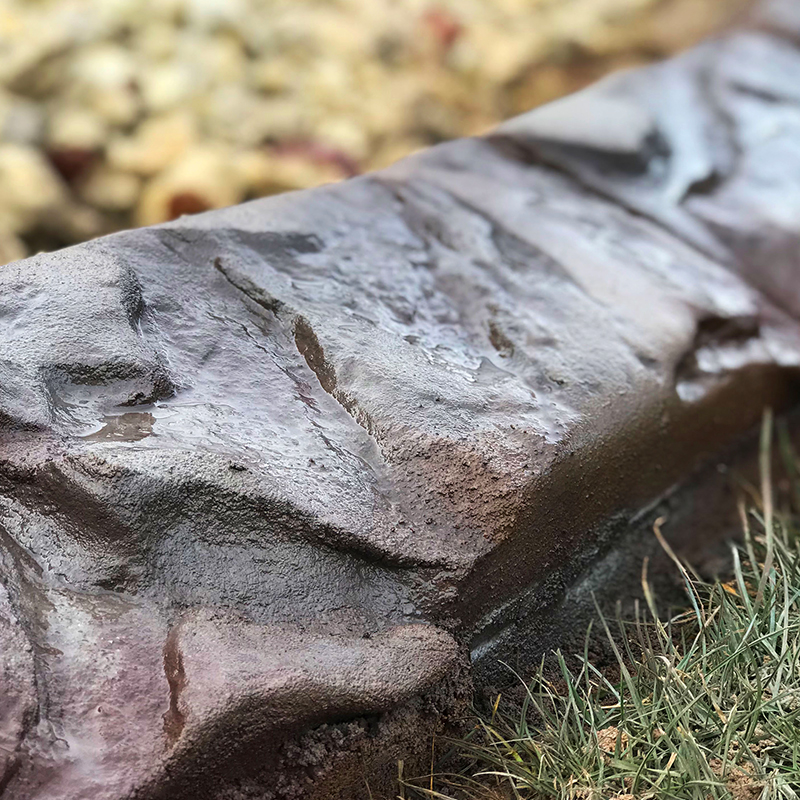
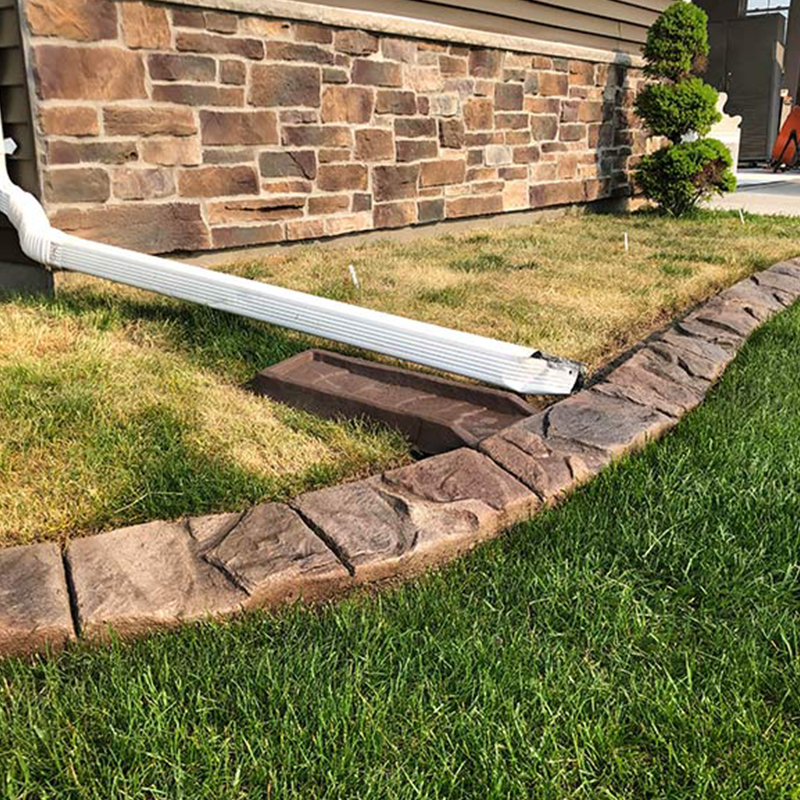
Earn More With Natural Stone.

Click to Register

Create beautiful curb with unique stamps.

Looking to sell your equipment?
Let us help.







Ready to Order Your New Curbing Trailer? Request More Info.
Give us a call at (920) 740-2218 or simply fill out the form below to learn more about getting all the tools and training to get started. We make the process easy to start earning money in landscape curbing.