Contractors in the upper Midwest scrape frozen concrete residue off machine components as early as October. Southeast operators deal with humidity-driven corrosion year-round. Your maintenance schedule needs to account for the climate you operate in, not just hours logged. This guide breaks it into daily, weekly, and seasonal checklists that adapt to both.
Daily Checks Before and After Every Job
Every job starts and ends with the same routine. Before you start the engine, take care of these three tasks:
- Check engine oil level. Honda GX engines need an oil check before every start. Low oil triggers the sensor shutoff mid-pour, which stops your run and wastes a partial concrete batch.
- Inspect the belt. Look for fraying, glazing, or slack. The Harpten’s adjustable belt tensioner lets you correct tension mid-job, but catching wear before you start prevents cable feed problems.
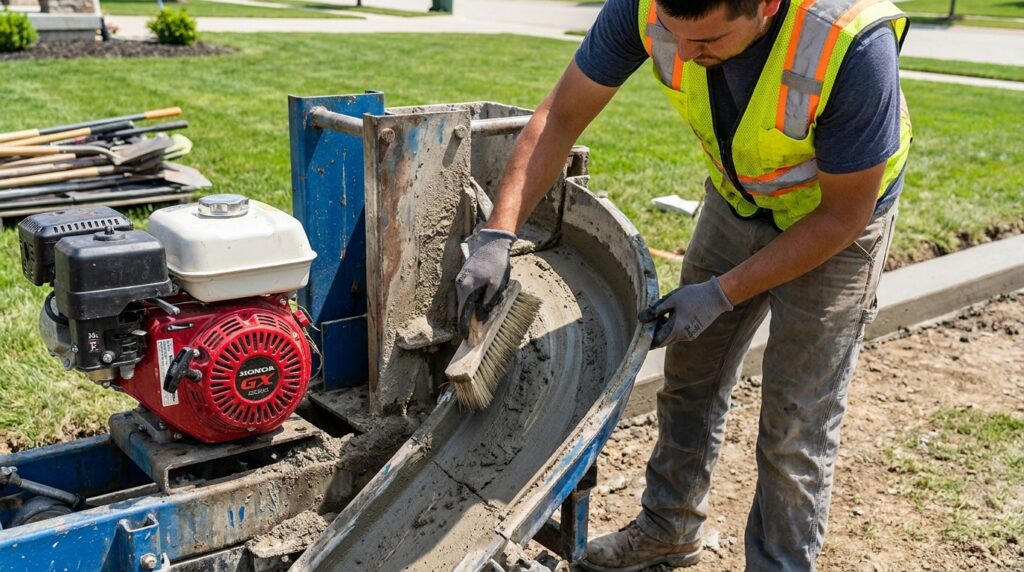
- Clear the mold and plunger. Dried concrete left overnight hardens further and scores the mold surface. A stiff nylon brush and a quick water rinse take two minutes.
After the job, scrape all remaining concrete from the mold, trowels, and plunger arm. Blow or brush debris from the engine air intake area. Wipe down the frame to prevent aggregate buildup from locking adjustment points.
Weekly Maintenance Between Jobs
Weekly checks catch problems that daily routines miss. Set aside 30 minutes at the end of your last job each week.
- Engine air filter. Inspect and clean the foam or paper element. Curbing kicks up fine dust that clogs filters faster than most small-engine applications. A clogged filter reduces power and increases fuel consumption.
- Cable feed path. Run 10 feet of cable through the machine with no concrete loaded. Watch for snags, kinks, or uneven feed. Uneven cable creates wavy curb and weak reinforcement points in the finished product.
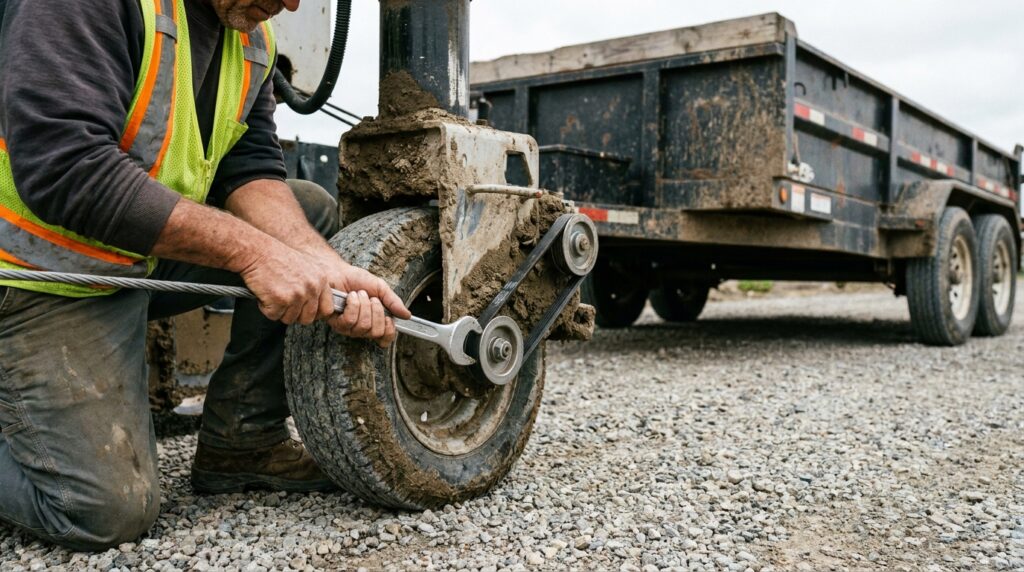
- Wheel and axle hardware. The Harpten’s 24-inch wheelbase handles rough terrain, but loose bolts develop after a full week of vibration. Torque-check all axle fasteners.
- Lubrication. Grease any zerk fittings on the plunger arm and wheel assemblies. Dry joints accelerate wear on the gearbox attachments.
Seasonal Maintenance and Off-Season Storage

Twice a year, at the start and end of your season, your machine needs a deeper service. Contractors who understand their equipment fundamentals catch more issues during these inspections.
Start-of-Season Checklist
- Change engine oil. Honda recommends every 100 hours or six months, whichever comes first. Use 10W30 for most climates or 5W30 if your season starts in freezing temperatures.
- Replace the spark plug.
- Inspect and replace the drive belt if fraying or glazing is visible.
- Check all mold surfaces for scoring or dents. Scored molds leave marks in finished curb that homeowners notice.
End-of-Season Checklist
- Drain or stabilize fuel. Untreated gasoline breaks down within 30 days and gums the carburetor.
- Remove the belt to prevent flat spots during storage.
- Coat exposed metal surfaces with a light oil film to prevent rust on the plunger, mold interior, and frame bolts.
- Store in a dry, covered area. Humidity corrodes internal engine components even when the machine sits idle.
Frequently Asked Questions
How often should I change the oil in my curbing machine?
Change the oil every 100 hours of operation or every six months, whichever comes first. Heavy-duty conditions like extreme heat or dusty job sites call for a shorter 25-hour interval. Use 10W30 for most climates. Curb Depot’s training programs cover full engine care and maintenance as part of every course.
What causes cable feed problems during a pour?
Dried concrete buildup inside the feed path is the most common cause. Debris restricts the cable’s movement through the machine, creating an uneven feed and a wavy finished curb. Running 10 feet of cable through the empty machine during your weekly check reveals blockages before they affect a paying job.
Can I store my curbing machine outside during the off-season?
Outdoor storage exposes the engine, belt, and mold surfaces to moisture damage even under a tarp or covered shed. Condensation corrodes internal engine parts and promotes rust on exposed steel. A climate-controlled garage or shop protects your investment better and reduces the start-of-season repairs you need.
Build the Habit Before the Machine Builds the Problem
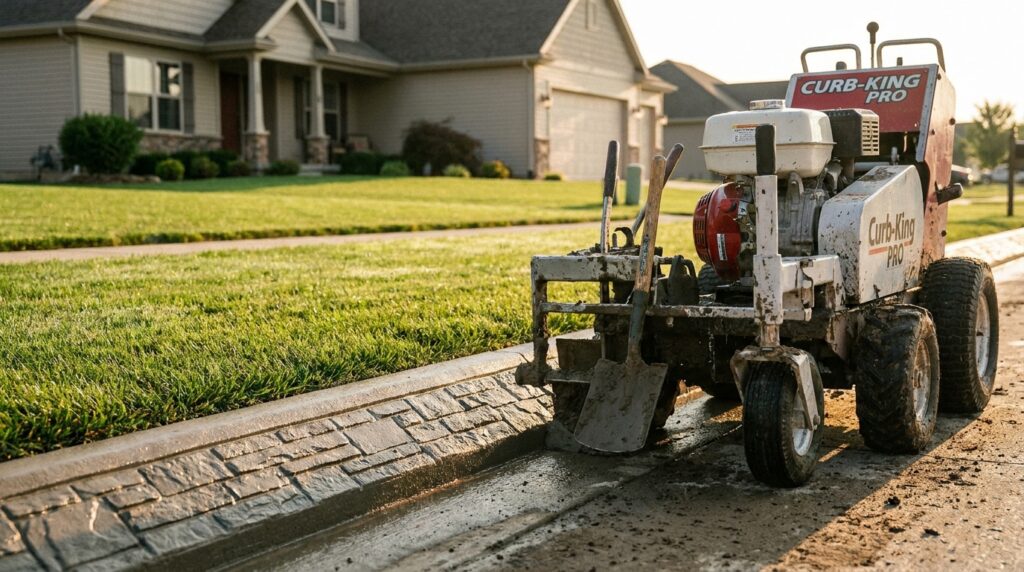
The difference between a contractor who finishes every job on schedule and one who cancels mid-pour usually comes down to five minutes of daily maintenance. Daily checks catch oil leaks and belt wear. Weekly inspections catch cable and hardware issues. Seasonal service prevents the kind of failures that sideline your machine for weeks.
Choosing the right curbing machine matters, but maintaining it is what keeps jobs profitable. Contact Curb Depot to get your equipment, training, and maintenance plan started right.
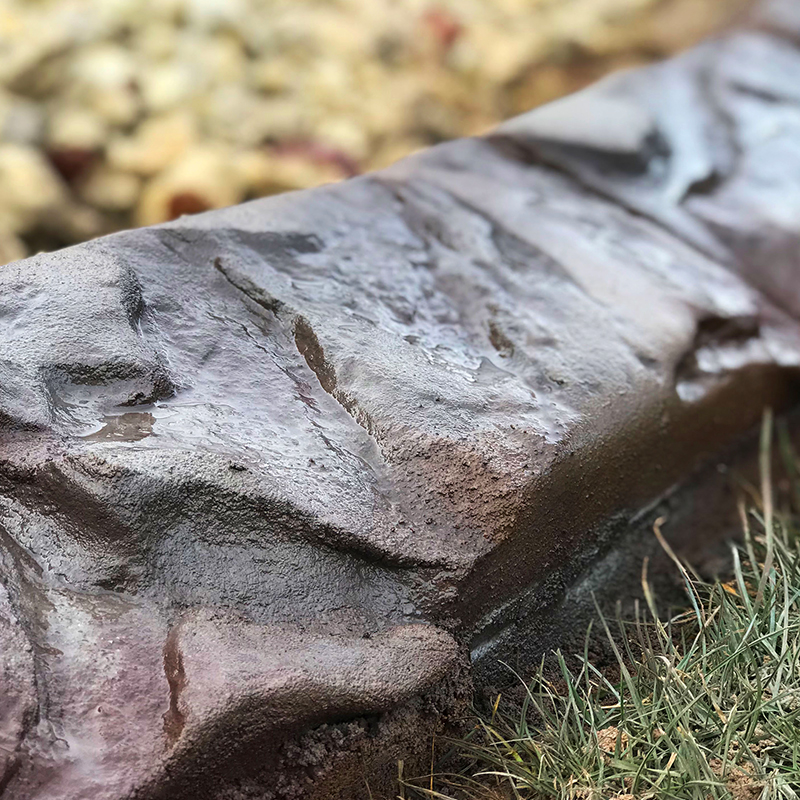
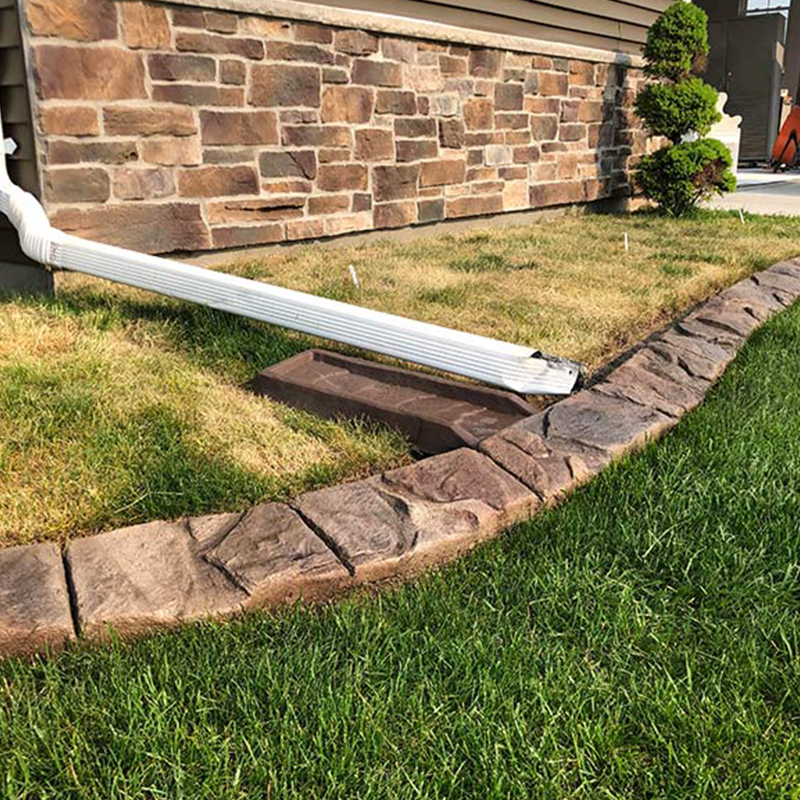
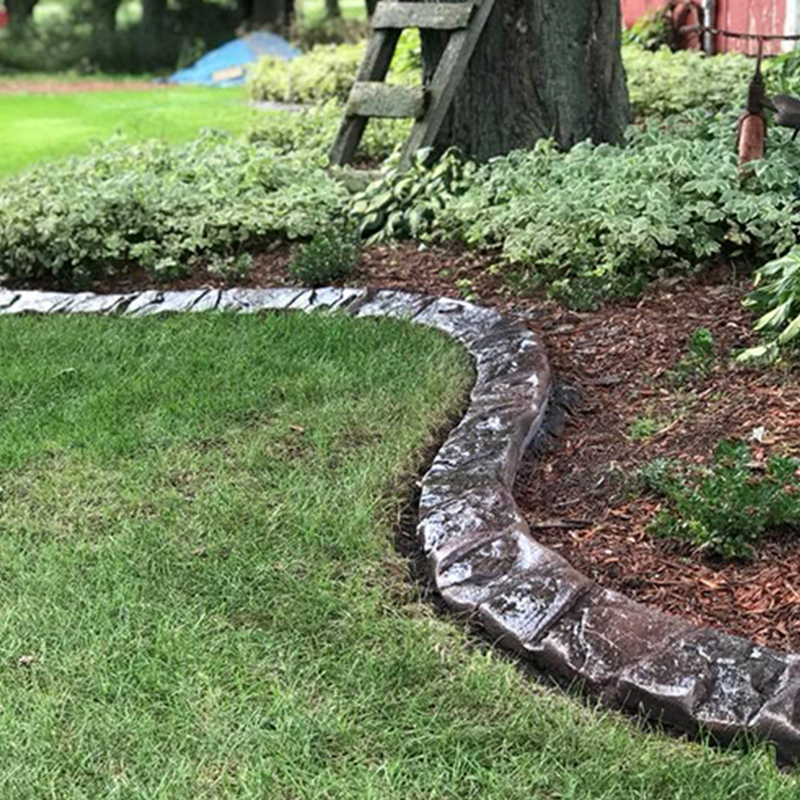
Earn More With Natural Stone.

Click to Register

Create beautiful curb with unique stamps.

Looking to sell your equipment?
Let us help.







Ready to Order Your New Curbing Trailer? Request More Info.
Give us a call at (920) 740-2218 or simply fill out the form below to learn more about getting all the tools and training to get started. We make the process easy to start earning money in landscape curbing.