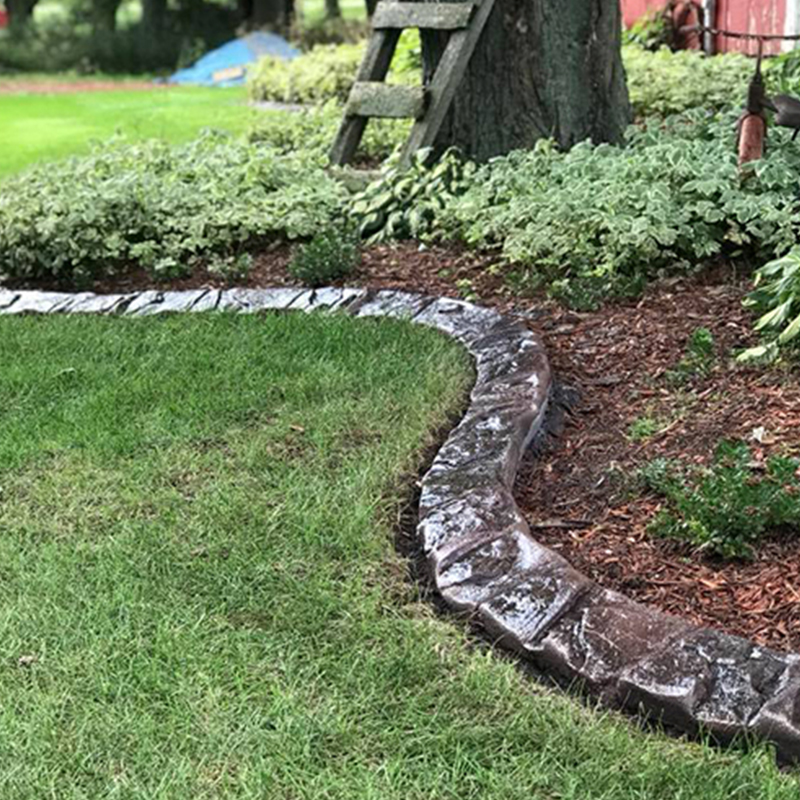
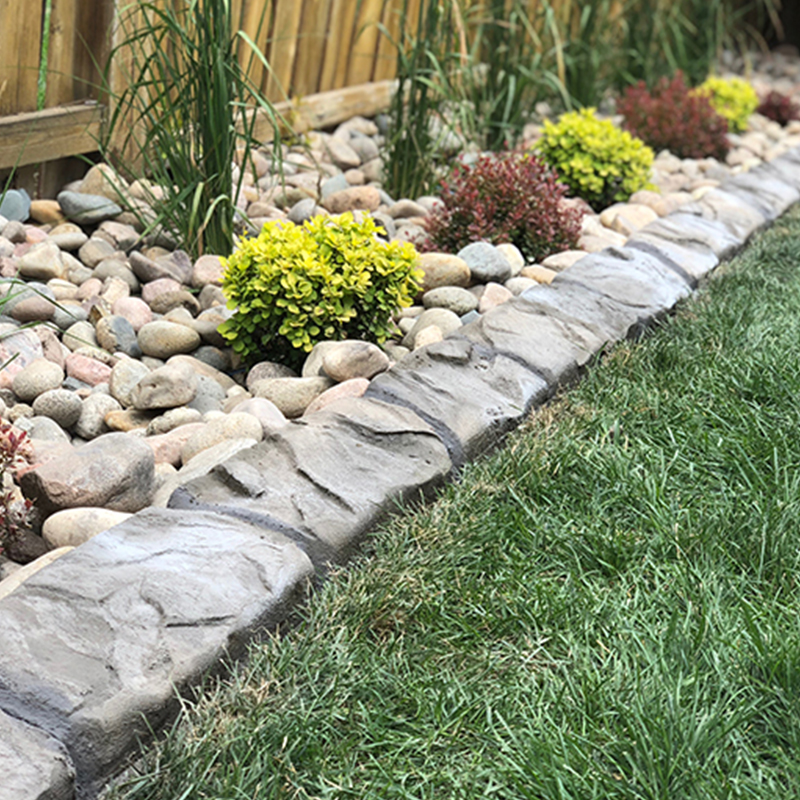
Rollers and hand stamps solve different parts of the same decorative curbing job. Rollers move quickly along a continuous run and work well for repeating texture, while hand stamps let a crew place an individual impression exactly where it is needed. Many crews end up using both, since rolling, stamping, and joint touch-up each handle a different part of the finish. The right mix depends on the pattern you want, how much working time the mix gives you, and how your crew likes to divide the work.
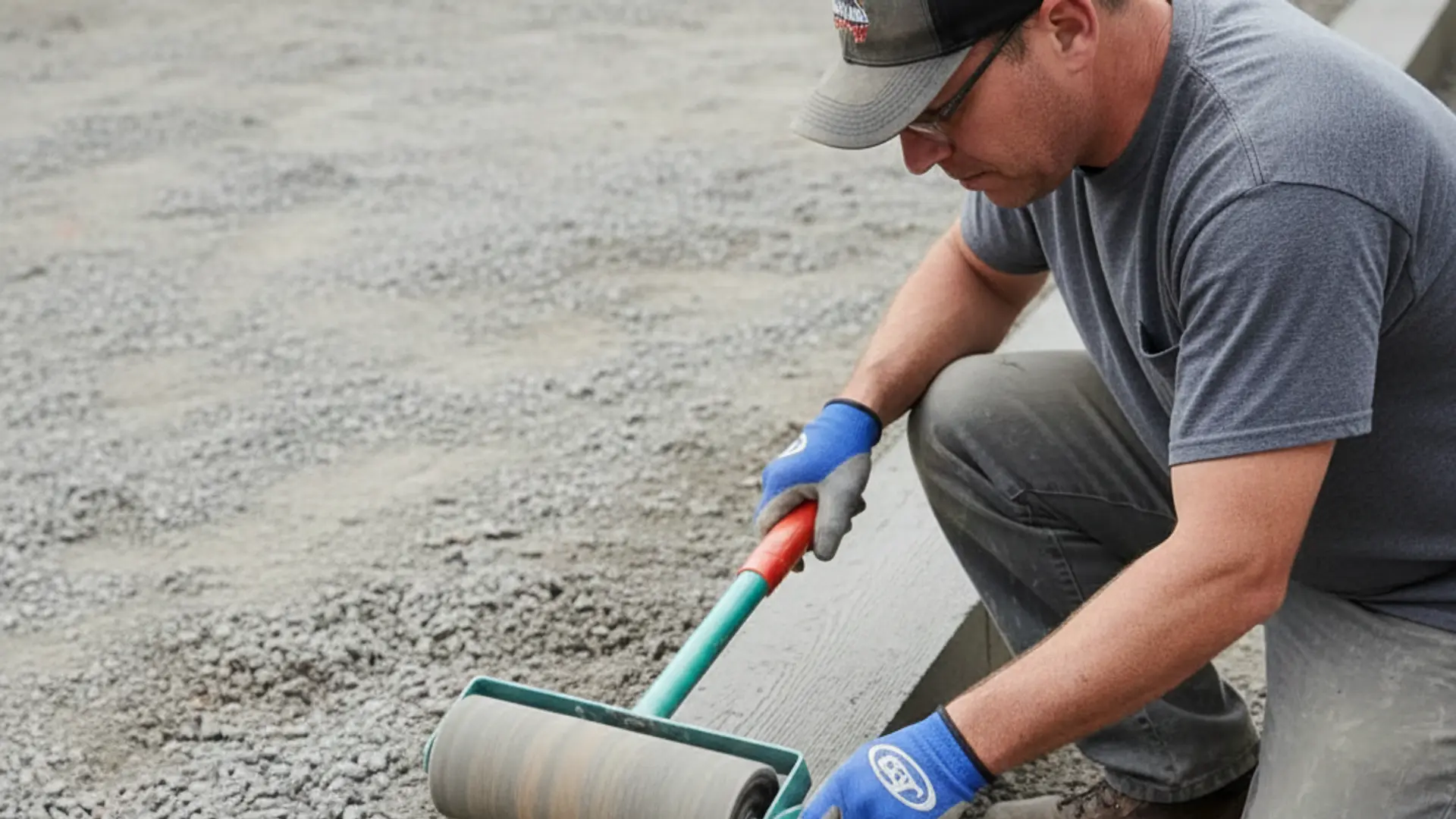
What Rollers and Hand Stamps Each Do Well
Curb Depot supplies equipment, products, and training to entrepreneurs and existing contractors building out a curbing operation, so the toolkit options below cover both texture-focused rollers and individually placed stamps.
Curb Depot’s curbing roller lineup includes:
- Slate Texture
- Random Rock
- Limestone
- Cultured Stone
- Soldier Course
- Flagstone
- H-Brick
- Belgium
- Woodgrain
- Cobblestone
- Spanish Roller
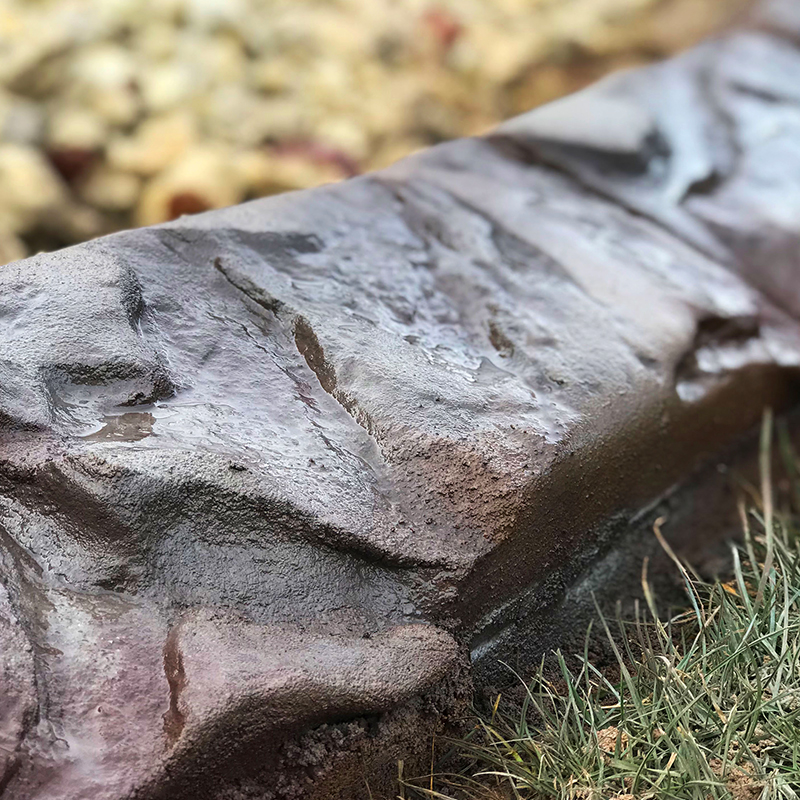
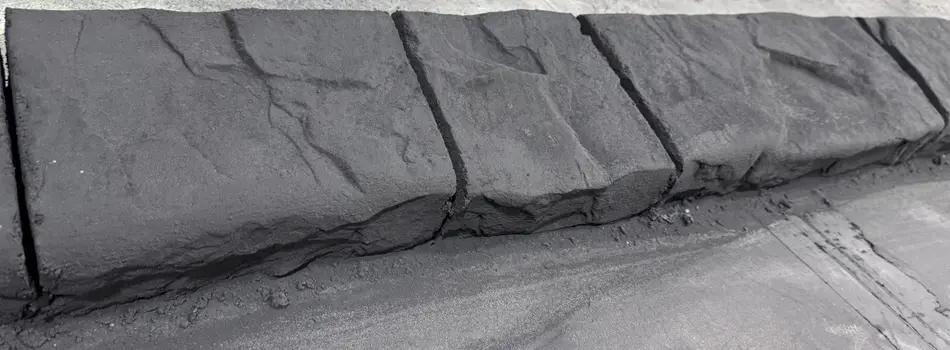
For jobs that call for an individually placed impression, Curb Depot also offers organic and natural stone curbing stamps, including an Organic Stamp Complete Kit and single stamps such as Blast Stone, Arctic Stone, Fractured Limestone Bantam, Granite Peak, Pacific Basalt, and Subtle Slate.
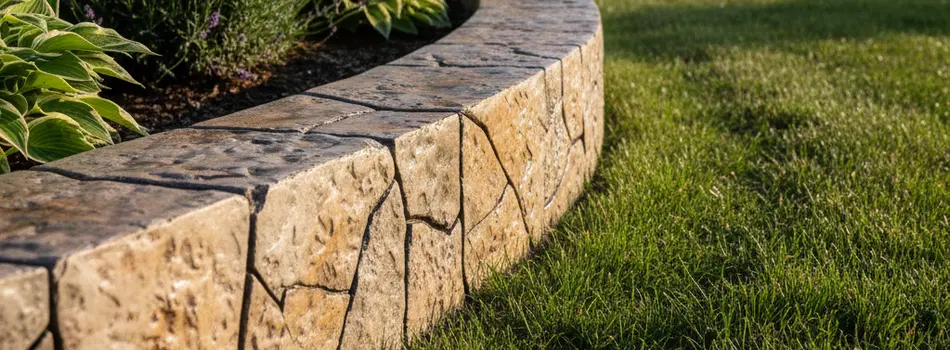
Matching Pattern and Texture to the Job
The two tool types serve different purposes, and the difference often comes down to how the finish repeats.
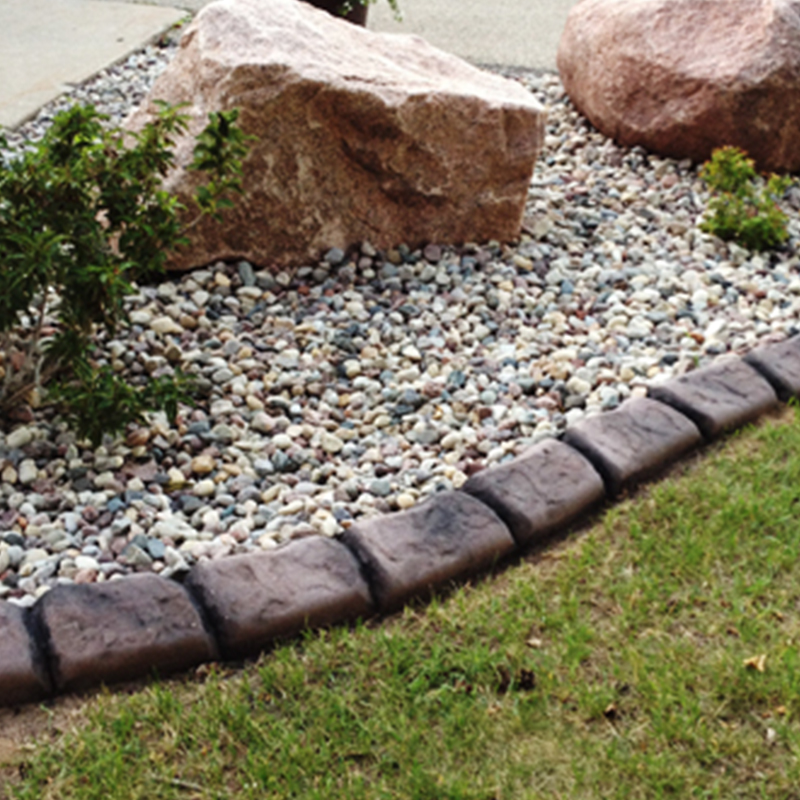
Pattern rollers create repeating impressions as they move along the curb. Depending on the design, the crew may need to pay attention to pattern alignment and transitions so the finished run looks consistent.
Seamless texture rollers are designed for a more continuous surface texture rather than an obvious repeating pattern. Hand stamps allow more deliberate placement of individual impressions, which can be useful for irregular stone designs, accent areas, and locations where a roller would be difficult to position.
That distinction matters when choosing tools for a long, visible run versus a shorter decorative section.
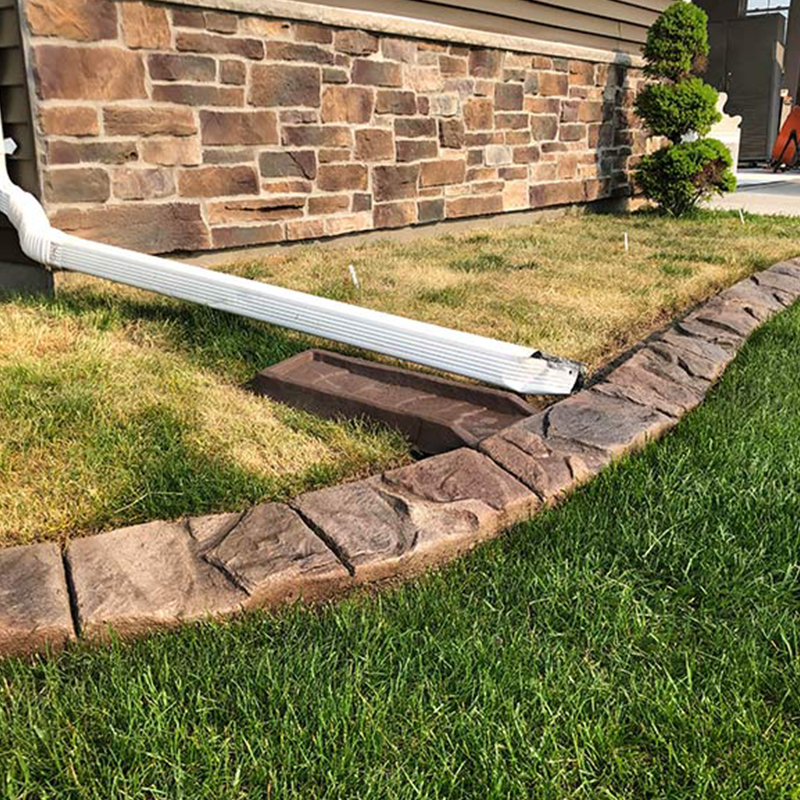
Curves are not automatically a reason to switch to hand stamps either. Some rollers can follow curved borders effectively, depending on the roller design, curb profile, and radius of the curve.
The right choice depends on the specific tool and curb geometry rather than the presence of a curve alone.

Crew Workflow: Rolling, Stamping, and Detail Work
Rolling and stamping both benefit from a workflow that separates the main impression from the detail work.
For longer curbing runs, one worker may handle the primary rolling while another follows behind to refine impressions, clean up joint lines, and correct small inconsistencies. Smaller crews may divide those responsibilities differently.
The goal is to keep the finishing process moving while the concrete is still workable, rather than waiting until the entire run has been textured before addressing areas that need attention.
Curb Depot’s Basic Curbing Training covers rolling, stamping, troweling, finishing, and correcting imperfections during decorative curbing work.
For the cleanup and detail stage, Curb Depot carries Natural Stone Grout Tools along with 1/4-inch, 3/8-inch, and 1/2-inch Grout Touch-Up Wheels.
These tools help crews refine grout lines, improve transitions, and correct details after the main roller or stamp has made its impression.
Reading the Concrete and Avoiding Finish Problems
Tool choice will not fix a finish issue caused by bad timing.
Concrete needs to be firm enough to hold an impression while still remaining workable enough to accept texture. Stamping too early can leave poorly defined or distorted patterns, while stamping too late can make it difficult to achieve the intended depth and detail.
The correct timing depends on the concrete mixture, weather, temperature, and finishing method rather than a fixed number of minutes after placement.
Crews should evaluate the actual material conditions before rolling or stamping and adjust their workflow as the concrete begins to set.
Release agents also play a role in how clean the final texture looks, regardless of which tool makes the impression.
Curb Depot offers concrete release agents designed to act as bond breakers when stamping and texturing fresh concrete. Depending on the product selected, release agents can also contribute secondary color to decorative finishes.
However, applying more release than necessary does not automatically produce a better result. Excessive powdered release can reduce texture detail and complicate cleanup, so application quantities and removal procedures should follow the selected manufacturer’s instructions.
For crews working with multiple patterns, colors, and finishing techniques, practicing the complete process helps maintain more consistent results from job to job.
Building Skill Alongside Your Toolkit
A new roller or stamp set is only part of getting a consistent finish.
Curb Depot offers both in-person and online or video curbing training, with basic training covering equipment, concrete mixing, finishing, stamping, and jobsite systems.
The company also offers a separate Natural Stone Training program focused on creating more detailed decorative stone appearances, including texturing, coloring, grout detailing, and finishing techniques.
Pairing new tools with the matching training can help a crew get comfortable with a technique before relying on it on a paying job.
For businesses looking to expand their decorative options, the combination of rollers, stamps, grout tools, and training makes it possible to offer different curbing styles without treating every project as the same finishing process.
Get the Right Tools and Training from Curb Depot
Whether your crew needs a new roller, a natural stone stamp set, detail tools for cleanup, or training to go with them, Curb Depot can help you put together the right combination for your next decorative curbing job.
Call (920) 740-2218 to talk through your options, or explore the curbing stamps and rollers and training pages to see what fits your crew.
Earn More With Natural Stone.

Click to Register

Create beautiful curb with unique stamps.
Looking to sell your equipment?
Let us help.