
Income from a curbing business depends on job volume, service mix, and pricing. A solo operator running two to three jobs per week can earn $60,000 to $100,000 across a full season. A single 200-linear-foot natural stone job at $12 per foot clears $1,425 after $500 labor and $475 in materials. Curb Depot has helped over 500 operators set realistic expectations before investing.
Spring is when this question gets serious. Every April, entrepreneurs start researching outdoor service businesses. Curbing keeps coming up because the math is transparent and startup costs are lower than most trades. Here’s the actual income picture: including the per-job profit, seasonal volume, and how natural stone changes the numbers.
What Curbing Business Owners Actually Earn Per Job

Per-job profit is where to start. It’s the number you can verify before committing to anything.
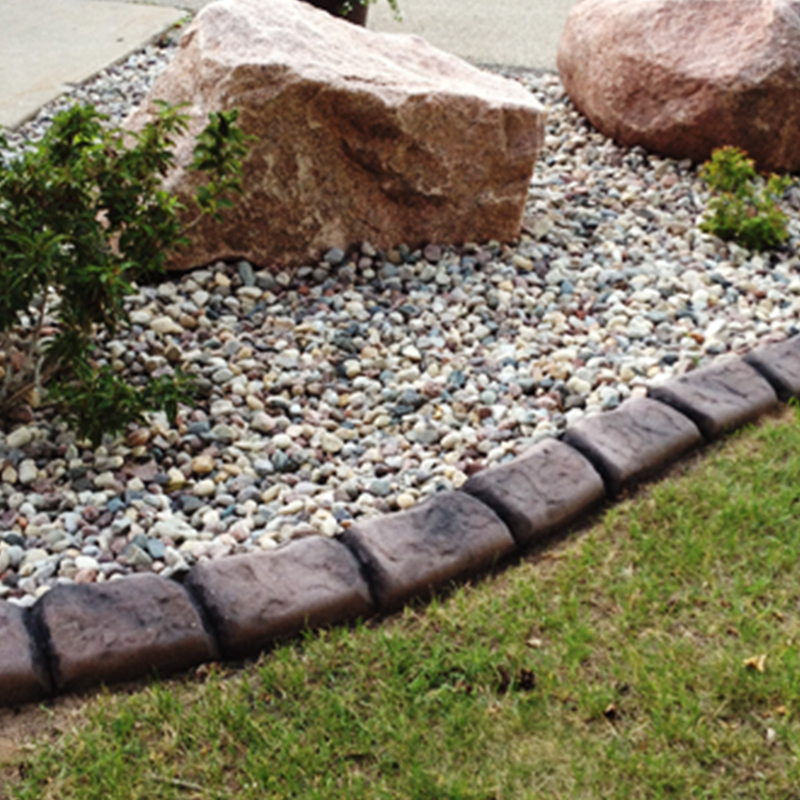
Curb Depot founder Ryan Wolfrath completed this job in Appleton, Wisconsin:
- 200 linear feet, natural stone style
- $12 per linear foot — $2,400 total revenue
- $500 labor, $475 materials
- $1,425 profit in 8 hours on site
That works out to roughly $178 per hour. A basic curb job at $8 per foot on similar footage produces closer to $875 to $1,000 in profit.
The $1,000-per-job target is achievable for operators who price confidently. New operators often undercut in the first season. That correction typically happens within a few invoices once they see what the market will bear.
How Volume Translates to Annual Income

One job per week over a 20-week season generates roughly $20,000 to $28,000 in profit at basic curb rates. Two jobs per week doubles it. Full-time operators running two to three jobs weekly across a 24-week Midwest season (late March through October) realistically land between $60,000 to $100,000 before equipment payments and overhead.
Southern operators in Texas, Florida, and Arizona work closer to year-round, which pushes annual numbers higher. A crew adds capacity but also payroll. Most owners find the best return comes from mastering solo production before adding help.
The Natural Stone Income Difference
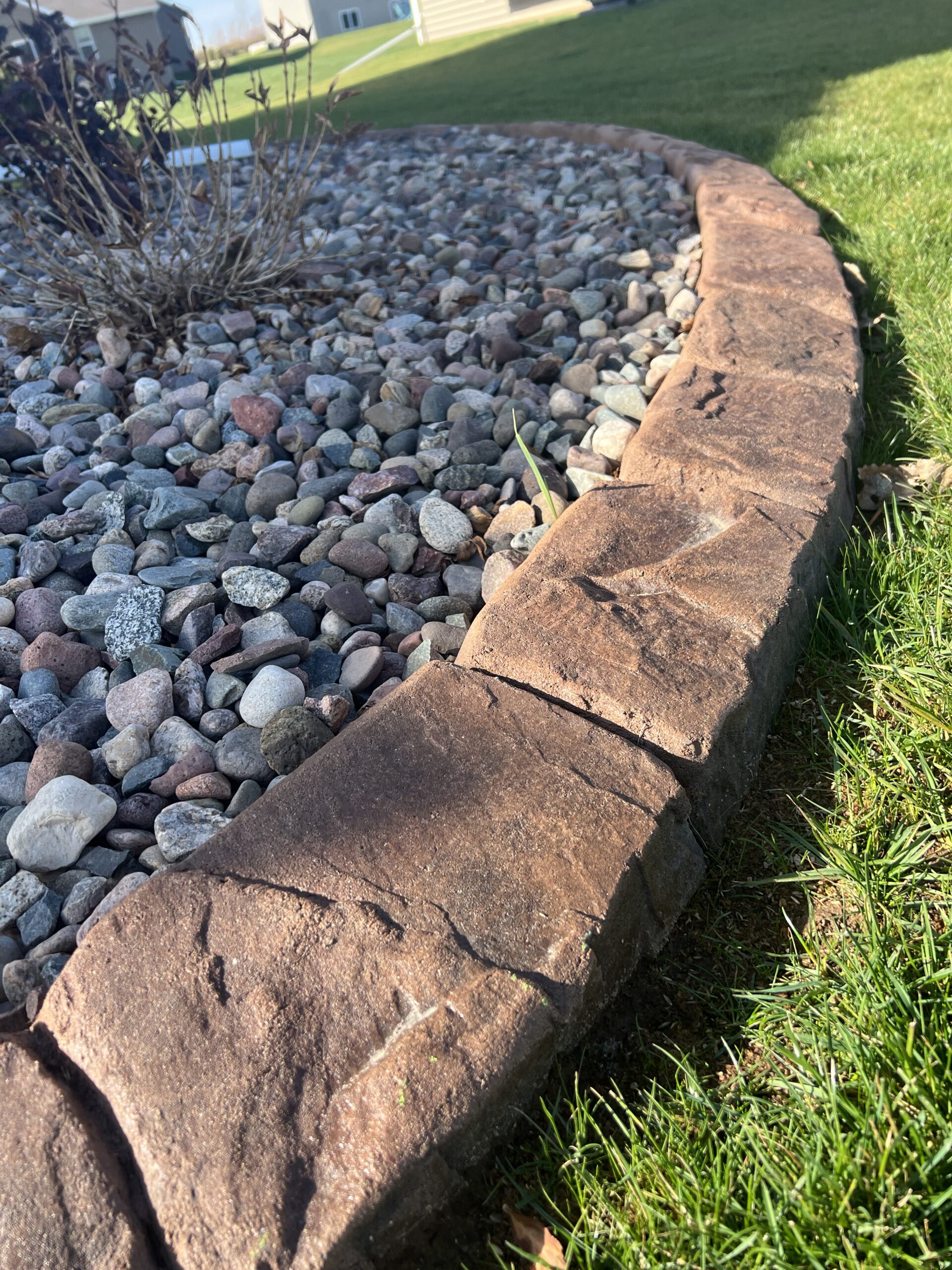
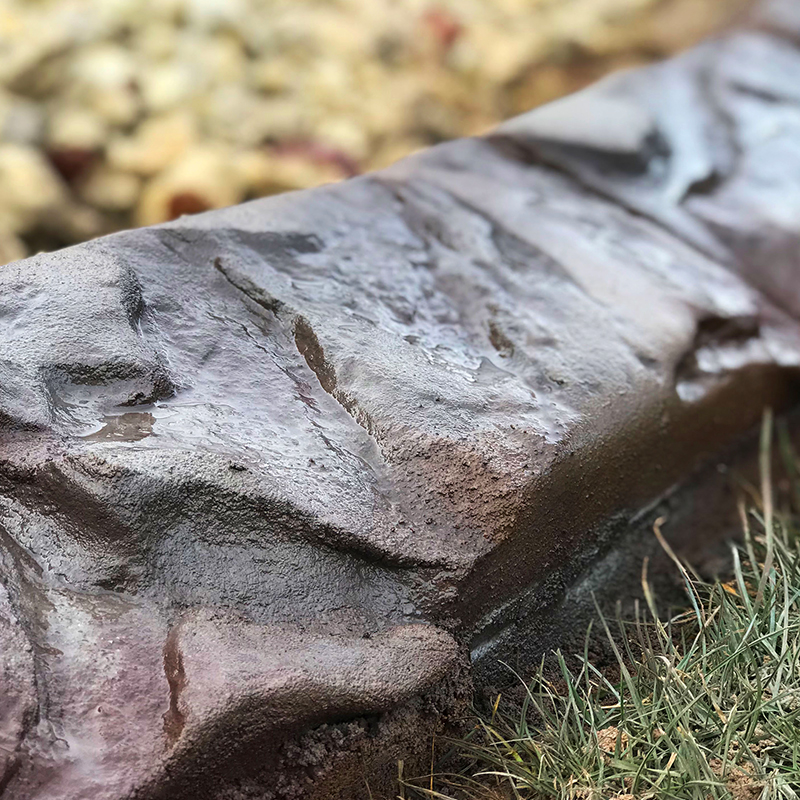
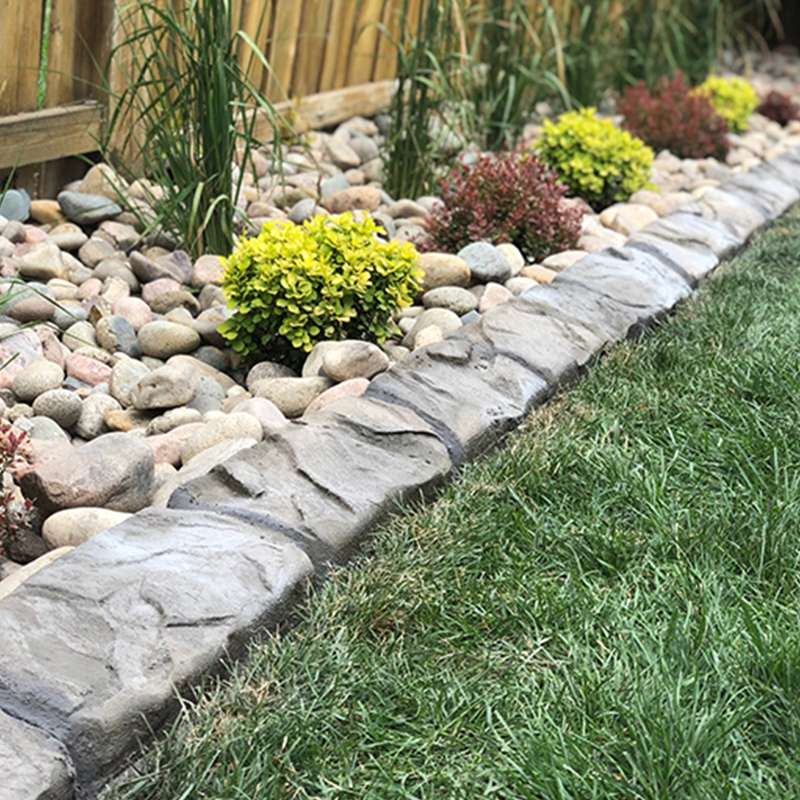
Natural stone curbing typically earns operators around $14 per linear foot versus $8 for basic curb, and margins hold consistently across both. On a 200-foot job, that’s roughly $500 to $600 more per installation. Across a full season at two jobs per week, the gap between offering natural stone and not can exceed $25,000.
Natural stone training through Curb Depot runs $2,699. At the premium natural stone commands, most operators recover the training cost within their first few jobs. It’s one of the strongest return-on-investment upgrades available to an active curbing operator.
Part-Time vs. Full-Time: The Honest Range
Not every curbing business starts full-time. Part-time operators running one job per week over 15 weeks typically generate $15,000 to $20,000 in profit, which is solid supplemental income for someone from landscaping or concrete where curbing fills schedule gaps.
Full-time solo operators running two to three jobs per week over a 24-week season land between $60,000 to $100,000. Operators at the high end are almost always offering natural stone and running on referrals rather than heavy marketing spend.
Curb Depot’s curbing business opportunity resources cover what scaling beyond solo production looks like financially and operationally. For operators ready to start, complete curbing packages cut out the mismatched equipment that slows production and shrinks margins.
Frequently Asked Questions
How much does it cost to start a curbing business?
Entry-level curbing packages run $14,000 to $18,000, covering the machine, molds, and training. Full turnkey setups with a trailer run $45,000 to $50,000. Curb Depot’s equipment financing partners require no financial statements and return a credit decision in under 30 minutes, making the entry threshold lower than most comparable trades.
Can you make money curbing part-time before committing full-time?
Yes, and many operators do exactly that. One job per week over 15 weeks typically generates $15,000 to $20,000—enough to validate the business model before making a full commitment. The equipment investment pays off faster at full-time volume, but the part-time option is a legitimate and common way to start.
Is there enough demand to stay busy as a curbing contractor?
Demand isn’t the limiting factor in most markets. Curbing operators are often the only provider in their area, so the competition that exists in landscaping or concrete largely doesn’t apply. Curb Depot connects trained operators with homeowner and property manager inquiries when they come in.
See What Your Market Could Generate
Curbing business income ranges from solid part-time earnings to a six-figure solo operation. The variables are knowable before you spend anything.
Reach out through Curb Depot’s contact page and we’ll walk through what a realistic first season looks like in your market, including how natural stone changes the numbers from day one.
Earn More With Natural Stone.

Click to Register
Create beautiful curb with unique stamps.
Looking to sell your equipment?
Let us help.




Ready to Order Your New Curbing Trailer? Request More Info.
Give us a call at (920) 740-2218 or simply fill out the form below to learn more about getting all the tools and training to get started. We make the process easy to start earning money in landscape curbing.