The homeowner asks for stone edging, gets a quote around $20 to $33 per foot installed for granite, and starts calling around. The next quote is for stamped concrete curbing at less than half the price. That’s when the real question surfaces: was the customer buying stone or the look of stone? For most residential jobs it’s the second. Read on for the sample-based sales approach that turns most stone edging inquiries into signed stamped concrete jobs.
What Loose Stone Edging Actually Delivers
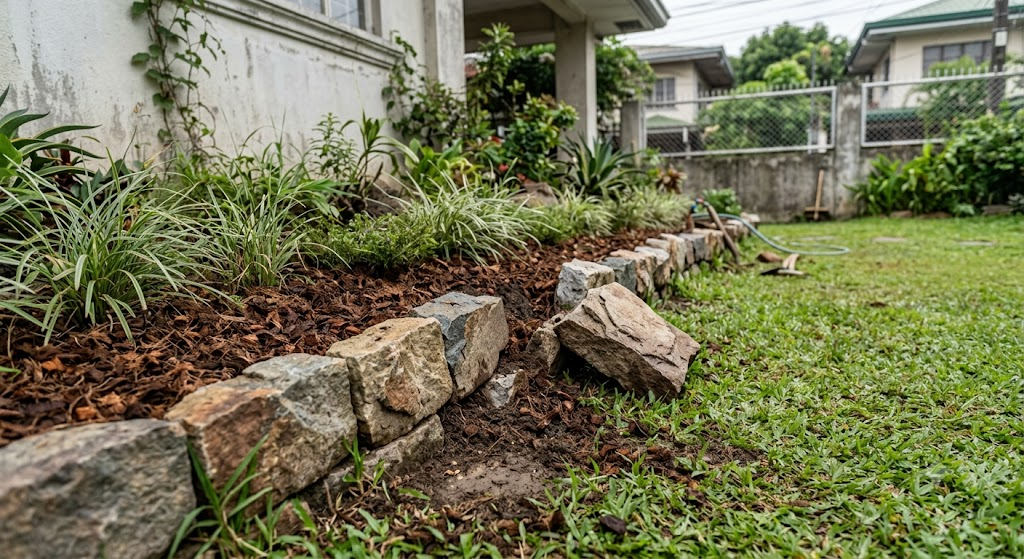
Stone edging usually means one of three things: loose fieldstone piled along the bed, dry-set cobbles or pavers, or mortared granite curb sections. All three carry maintenance costs that don’t show in the first quote.
Loose stone shifts every spring as the ground settles. Dry-set pavers heave in freeze-thaw and need to be reset annually. Mortared granite ages well but costs $20 to $33 per foot installed, plus it takes time to source, deliver, and set each stone individually. That’s before the mortar joints start weathering. Year-one appearance is genuinely beautiful. Year five, with settling and joint erosion, is where the customer’s opinion tends to change.
Why Stamped Concrete Curbing Wins on Cost per Year
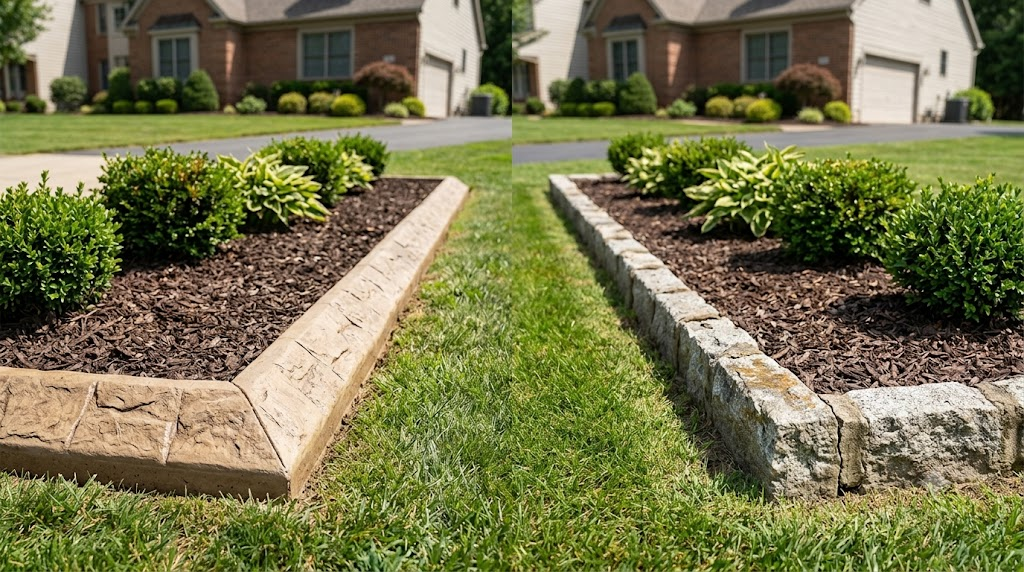
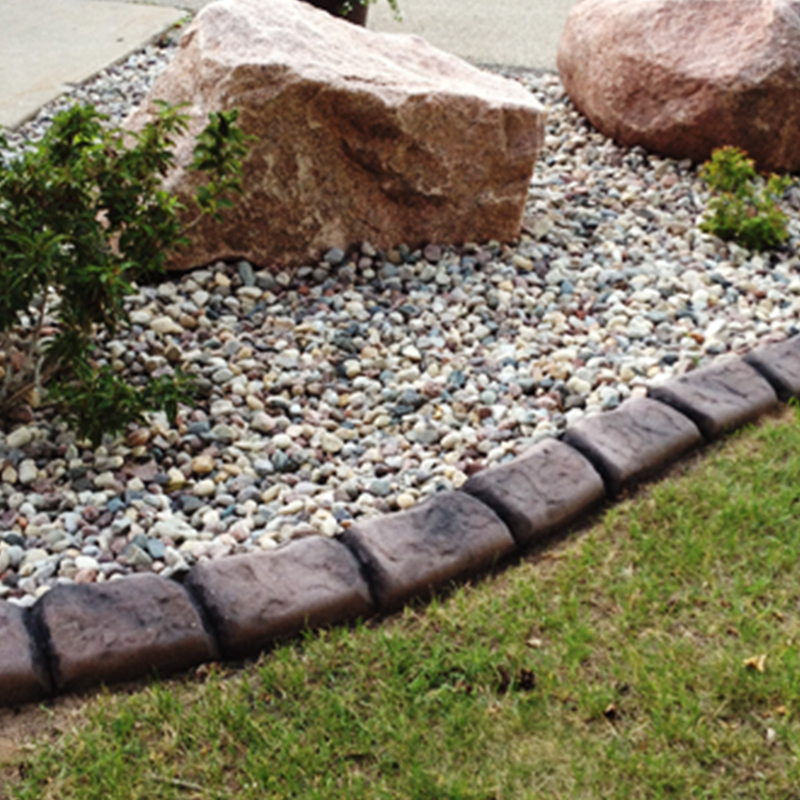
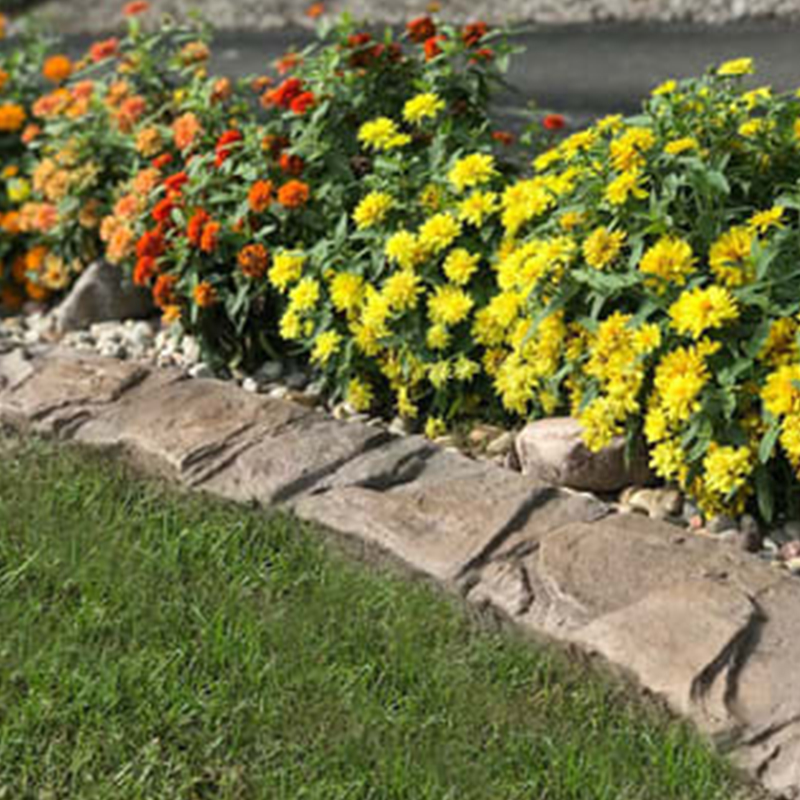
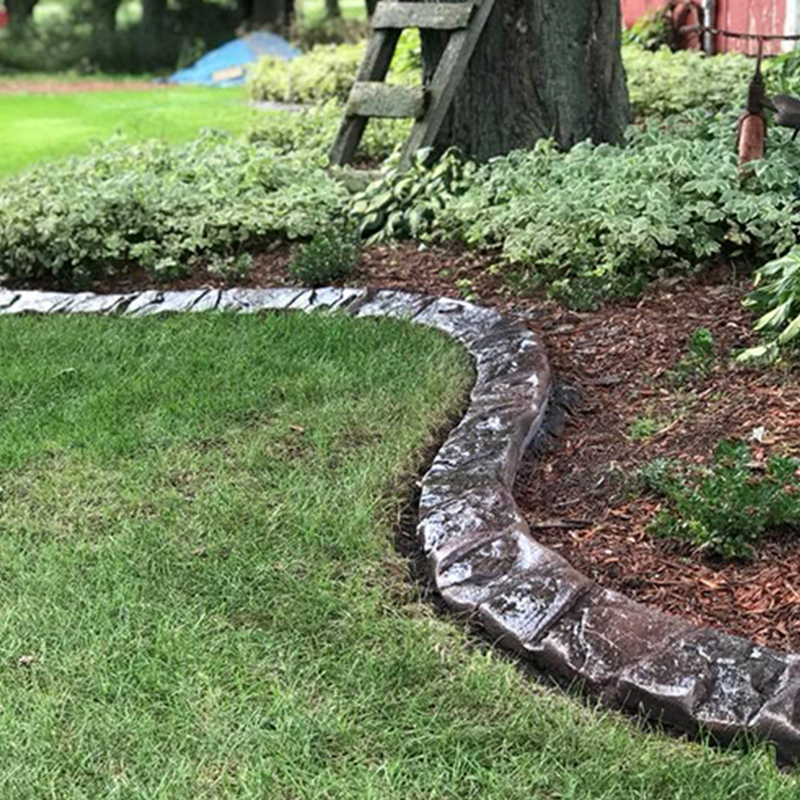
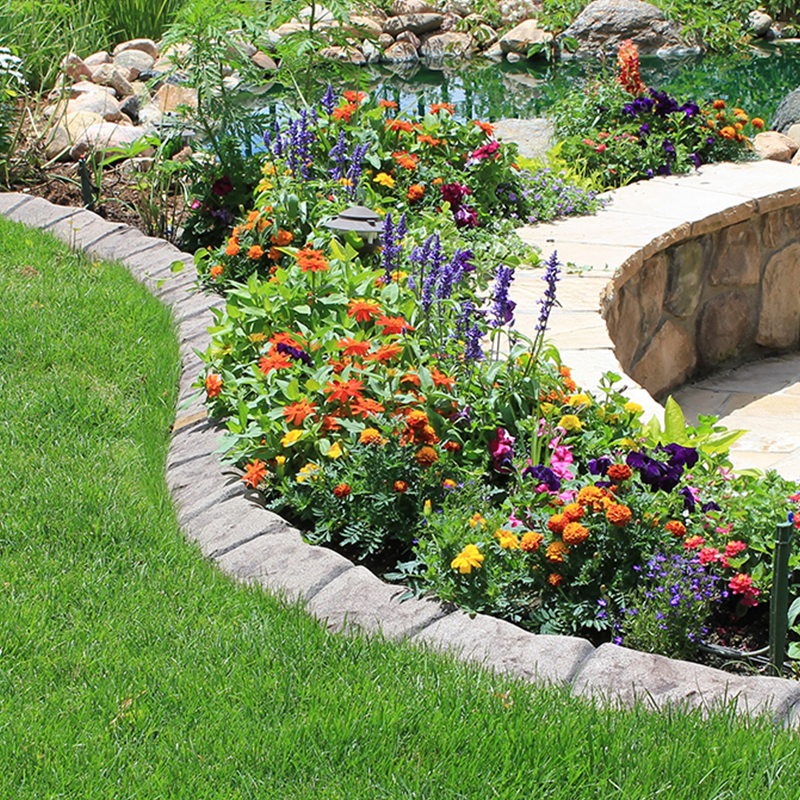
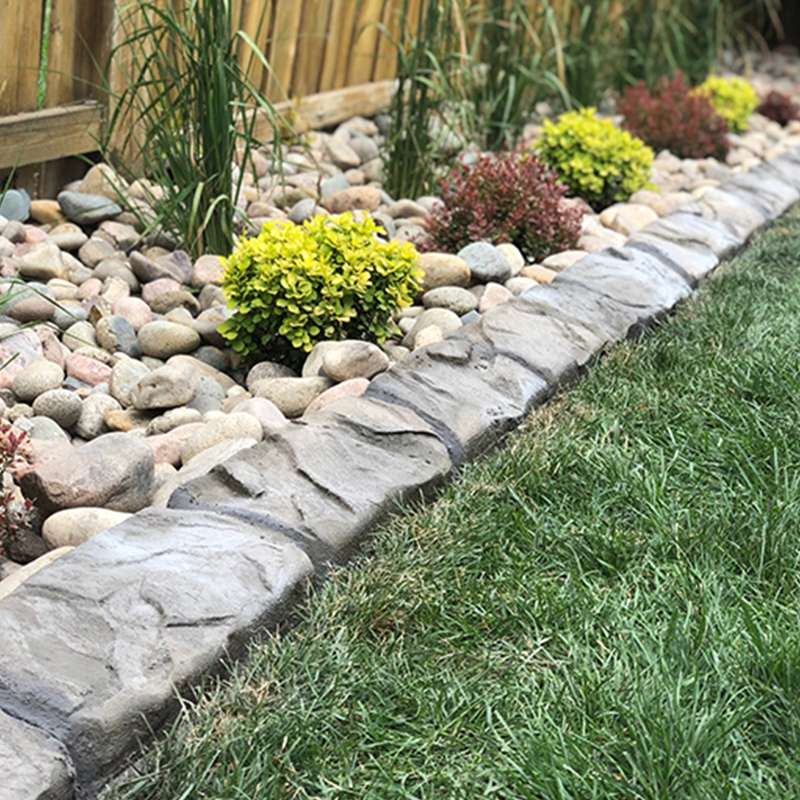
Extruded concrete curbing is installed as a single continuous pour. There are no joints that can erode, no individual stones that need resetting. With a natural stone roller and integral color, the profile reads as fieldstone, cultured stone, or limestone depending on the texture selected. Natural stone jobs run around $14 per linear foot compared to $8 for basic curb, with the same install time and material cost on the contractor side.
Do the ten-year math for the homeowner. A 100-foot granite install at $28 per foot is $2,800 up front plus periodic resets. A 100-foot stamped natural-stone curb runs about $1,400, no resets, resealed every three to five years. The debate settles itself once the numbers are on paper.
How to Present the Comparison Without Bashing the Alternative
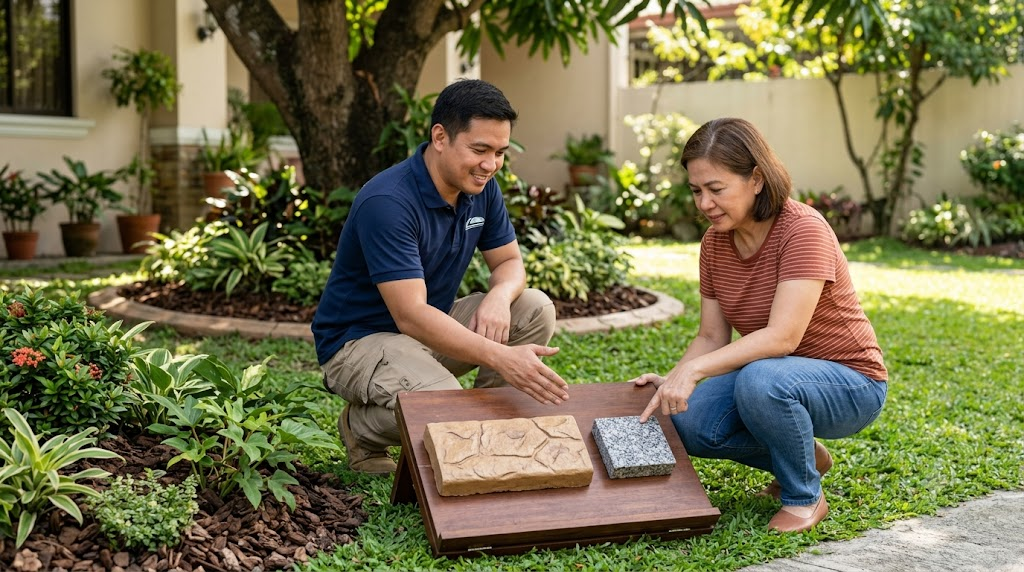
Never talk down real stone. Customers who came in wanting granite will feel corrected, and correction rarely closes deals. Walk them through what they’re actually buying at each price point instead: materials, install time, expected settling, maintenance, resale appeal.
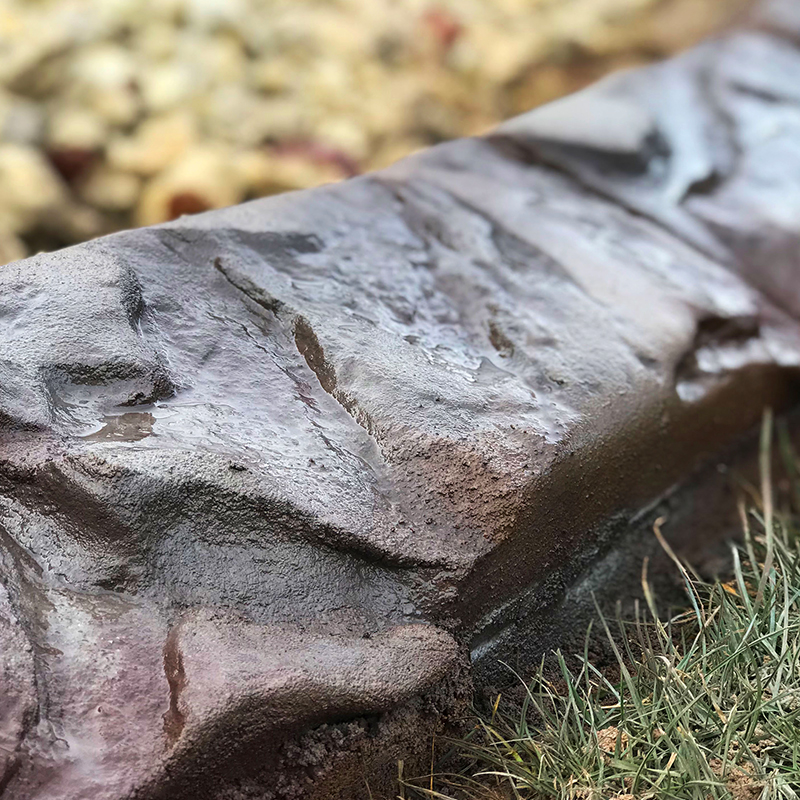
Then, offer and compare stamped concrete curbing and stone pavers side by side. Some customers still choose real stone after the comparison, and that’s a legitimate call for the right property. Most choose stamped concrete once they see a physical sample of the natural stone stamp finish. That physical sample is your best closing tool. Showing a concrete option that convincingly mimics real stone or brick is what actually sells the upgrade.
When Real Stone Is Still the Right Answer
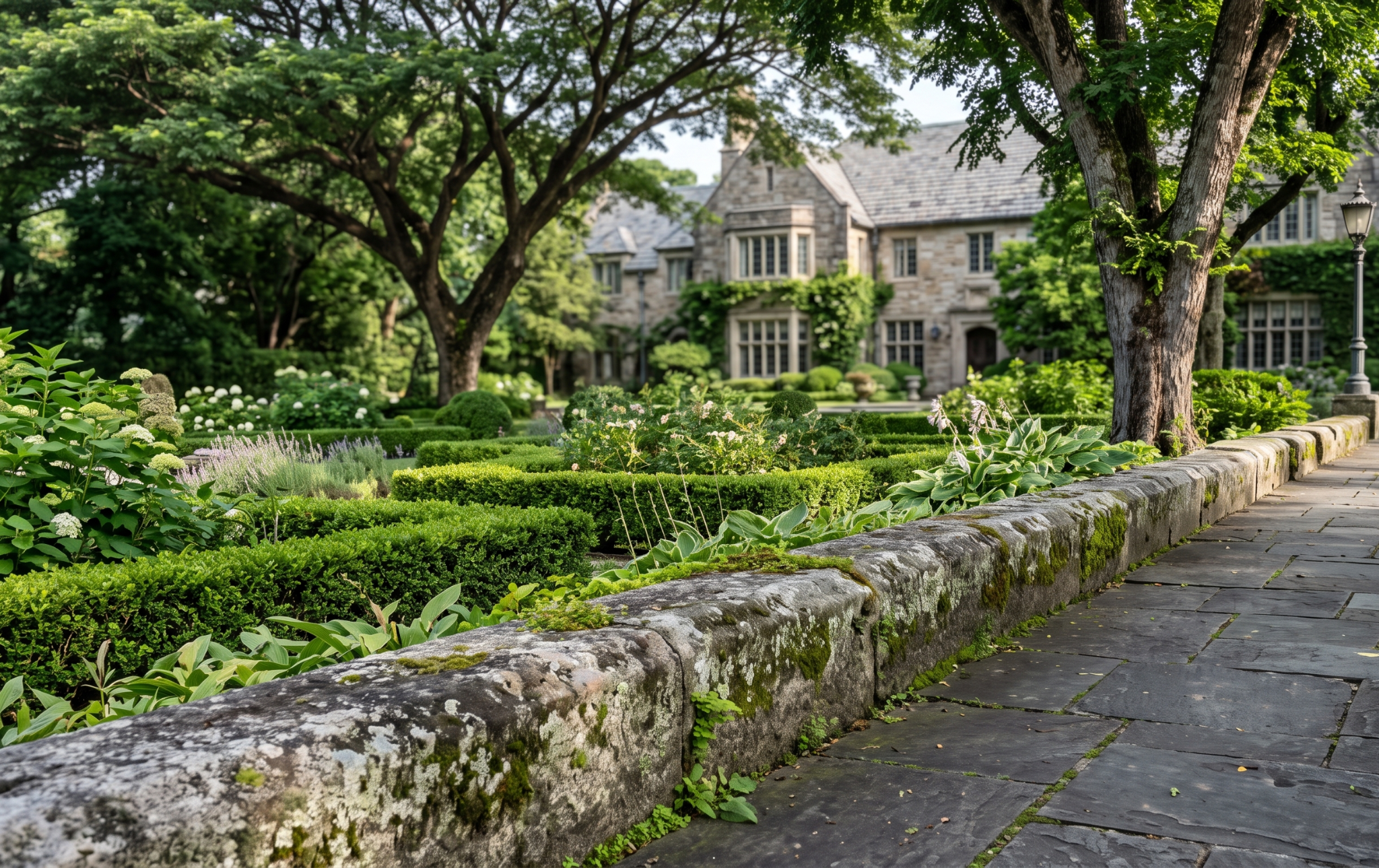
Although stamped concrete is the ideal choice for most yards, there are still times when authentic stone is the correct path forward.
- Save real stone for specific projects: Use it for historic properties, high-budget estates, or designs that must match existing dry-set stonework.
- Refer clients out if necessary: If you don’t install real stone, refer the job to a specialty mason to protect your relationship with the client for future projects.
- Recommend stamped concrete for everything else: For most standard yards, concrete curbing is the best and most practical recommendation.
- Carry realistic stone stamps: Having a high-quality stamp inventory makes your concrete recommendation look like a premium upgrade rather than a cheap alternative.
By matching the right material to the specific property, you build long-term trust with your clients. Presenting concrete as a premium, durable solution rather than a budget compromise is what ultimately wins the job.
Frequently Asked Questions
Which stamps look most like real granite or fieldstone?
Natural stone stamps and rollers like Random Rock, Fractured Limestone, Granite Peak, and Fox River Valley deliver the closest visual match to real stone at typical viewing distances. Combined with integral color and a post-cure sealer, the finished curb reads as stone from more than a few feet away. Most homeowners cannot distinguish the two once the run is complete.
Does stamped concrete curbing hold color as long as natural stone?
Integral color in concrete holds its base tone for the life of the curb, but the hue softens over five to ten years without resealing. Natural stone weathers too, just differently. Mortared joints stain and loose stones develop moss. A sealer refresh every three to five years keeps stamped concrete visually consistent through the same window.
Can a natural stone curb be poured on a curve?
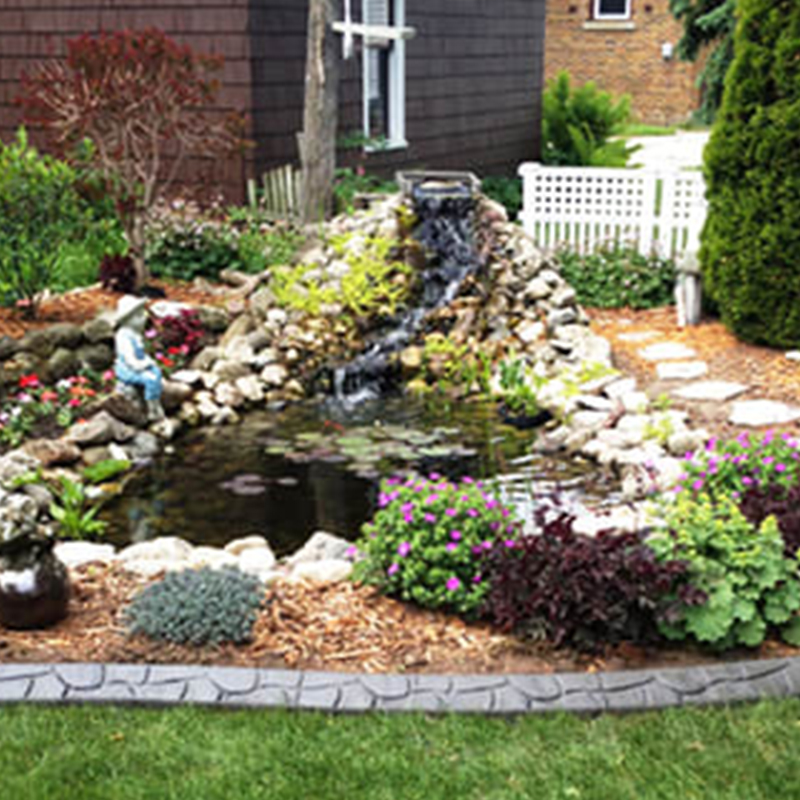
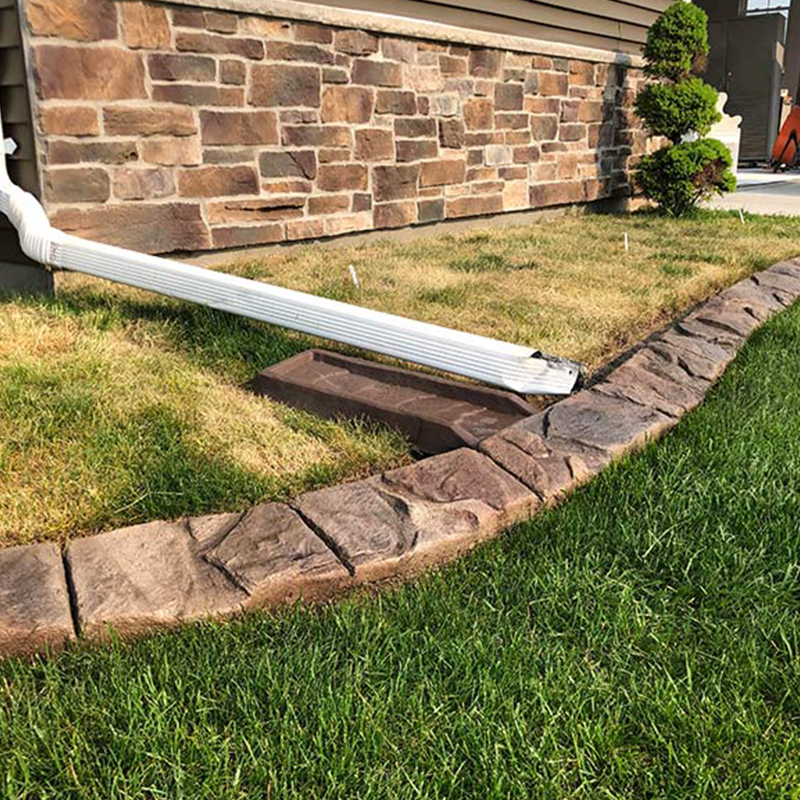
Yes. Extruded concrete curbing follows any radius the ground supports because it’s poured continuously rather than assembled from individual pieces. Contractors regularly install stamped natural stone profiles around trees, curved bed edges, and irregular property lines that would take significantly more labor and material with cut stone.
Turn a Stone Inquiry Into a Signed Curbing Job
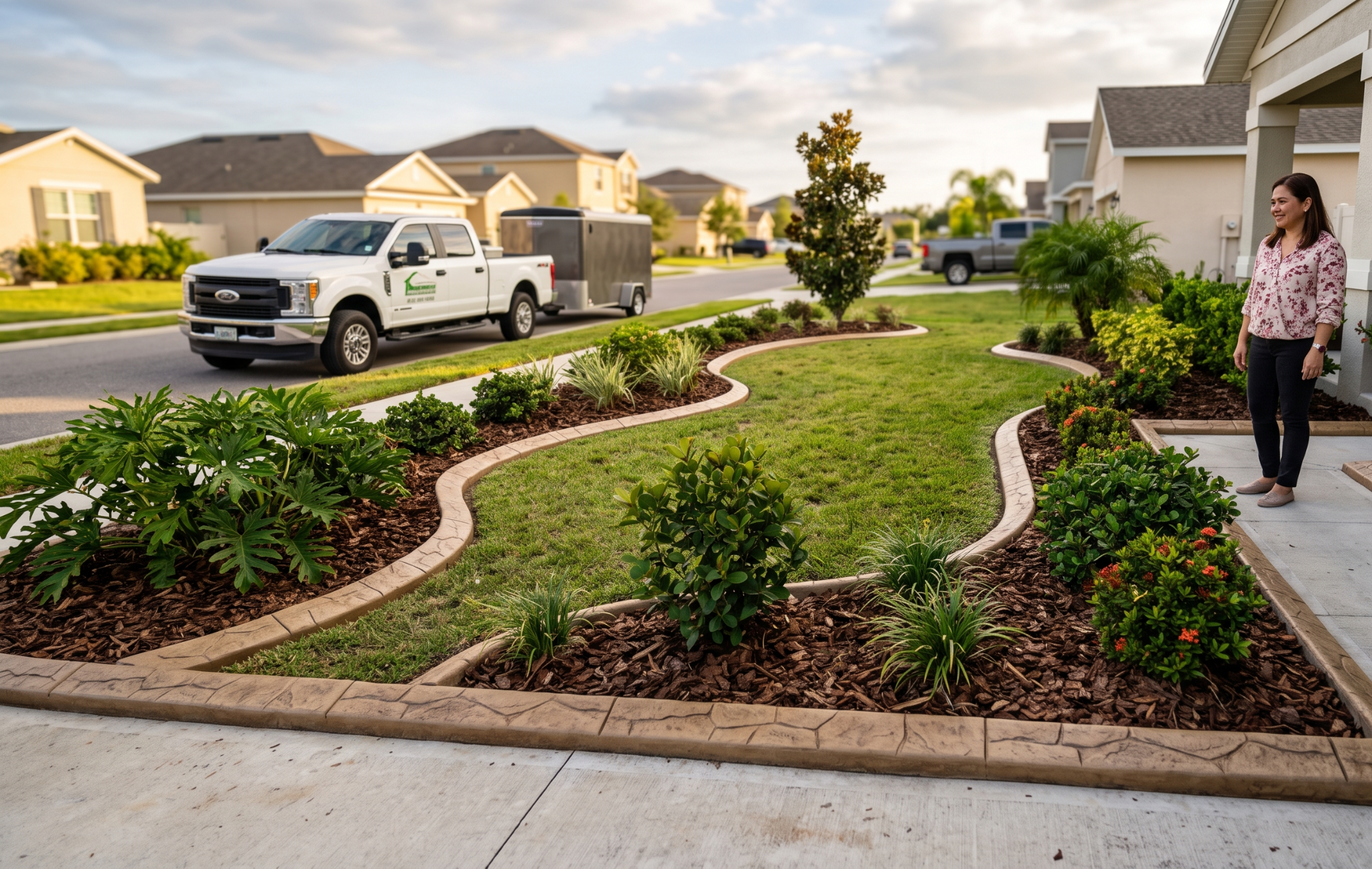
When homeowners ask for stone, they’re looking for premium, high-end curb appeal. You can deliver that exact aesthetic at a fraction of the cost with none of the headaches of shifting, loose stone. By showing them a realistic stamped concrete sample next to a real stone quote, you make their choice simple and obvious.
Adding stamped natural stone finishes to your service line-up is one of the easiest ways to capture high-ticket leads and boost your average job size.
Contact Curb Depot today at (920) 740-2218 for the stamps, tools, and training you need to close more premium jobs.
Earn More With Natural Stone.

Click to Register

Create beautiful curb with unique stamps.
Looking to sell your equipment?
Let us help.



Ready to Order Your New Curbing Trailer? Request More Info.
Give us a call at (920) 740-2218 or simply fill out the form below to learn more about getting all the tools and training to get started. We make the process easy to start earning money in landscape curbing.