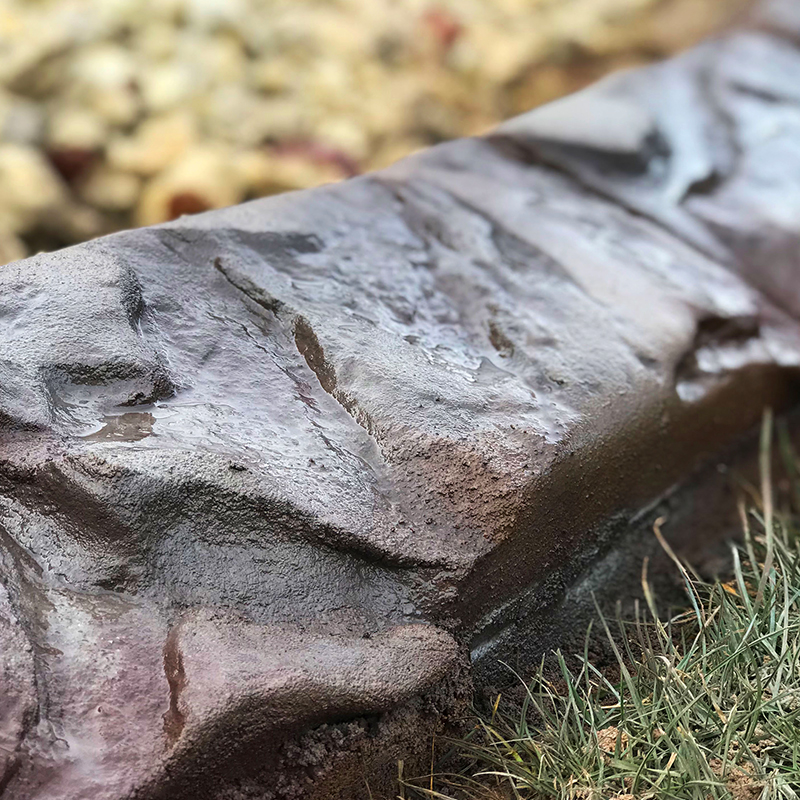
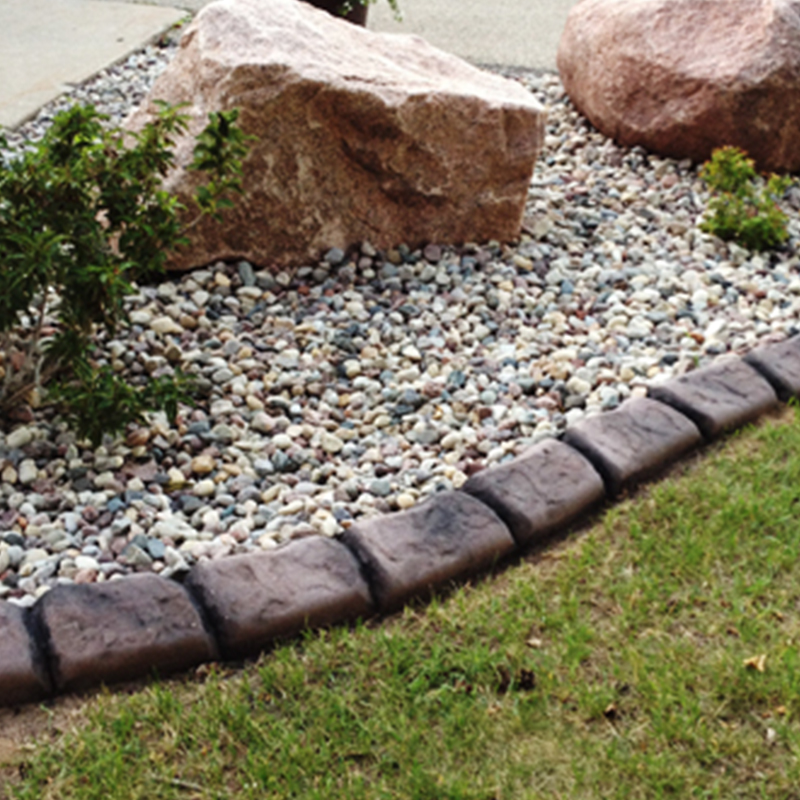
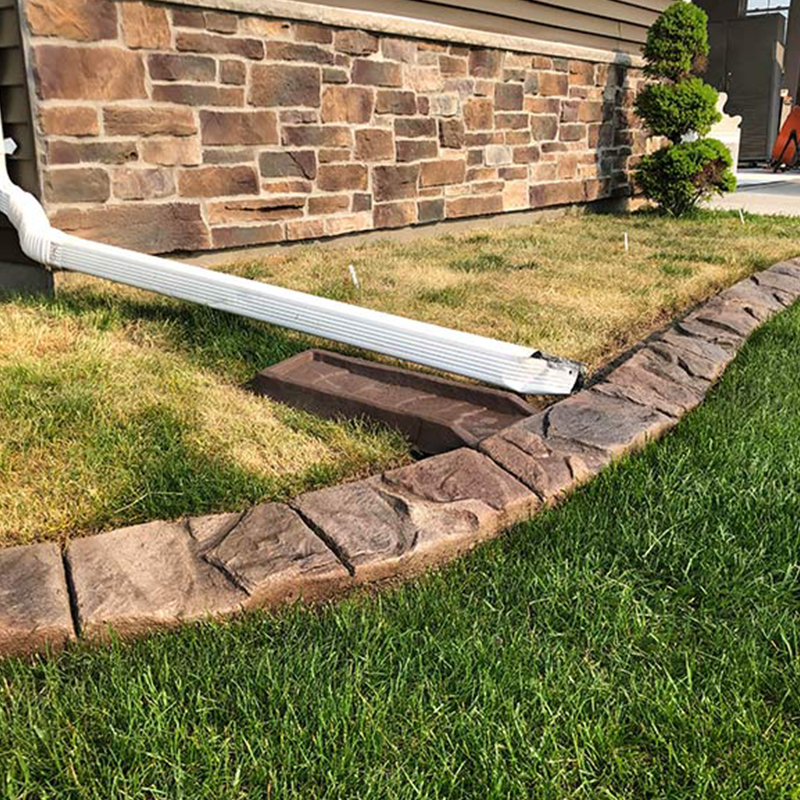
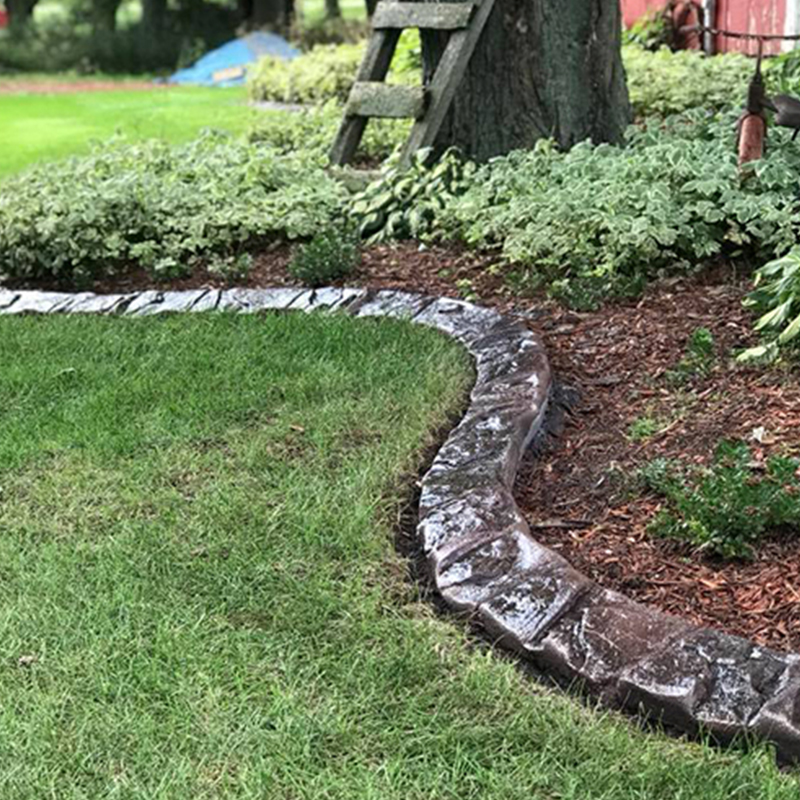
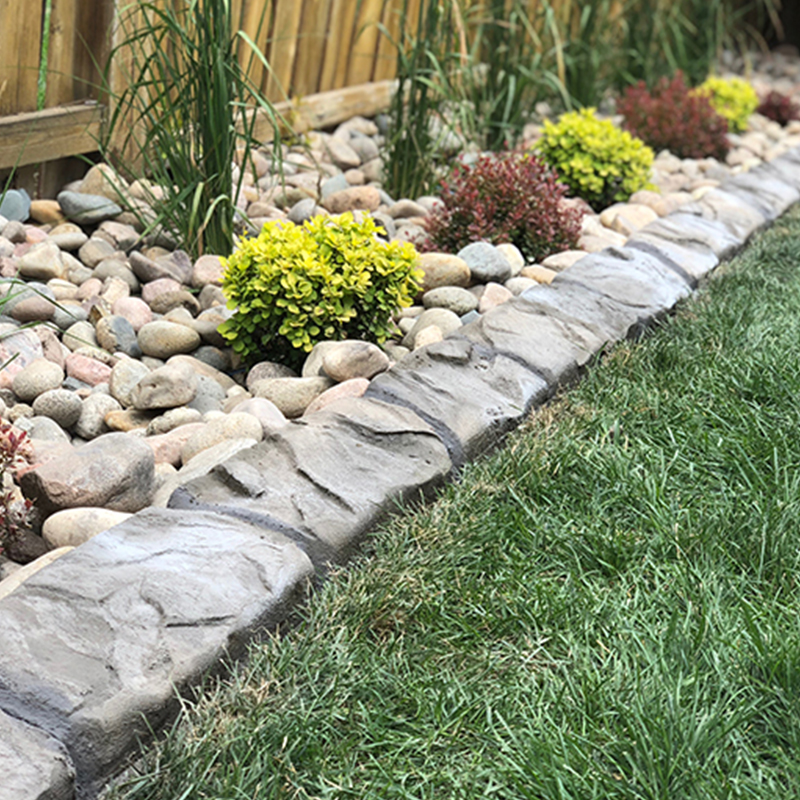
Texture tools are one of the biggest investments a curbing business makes in the look of its finished work, and how they are cleaned and stored between jobs has a direct effect on how long they last. Whether you are working with stamp sets or texture rollers like Slate Texture, Random Rock, Limestone, Flagstone, Woodgrain, and Cobblestone, the same basic principles apply: clean promptly, avoid harsh methods, store tools properly based on how they are built, and inspect them before the next pour.
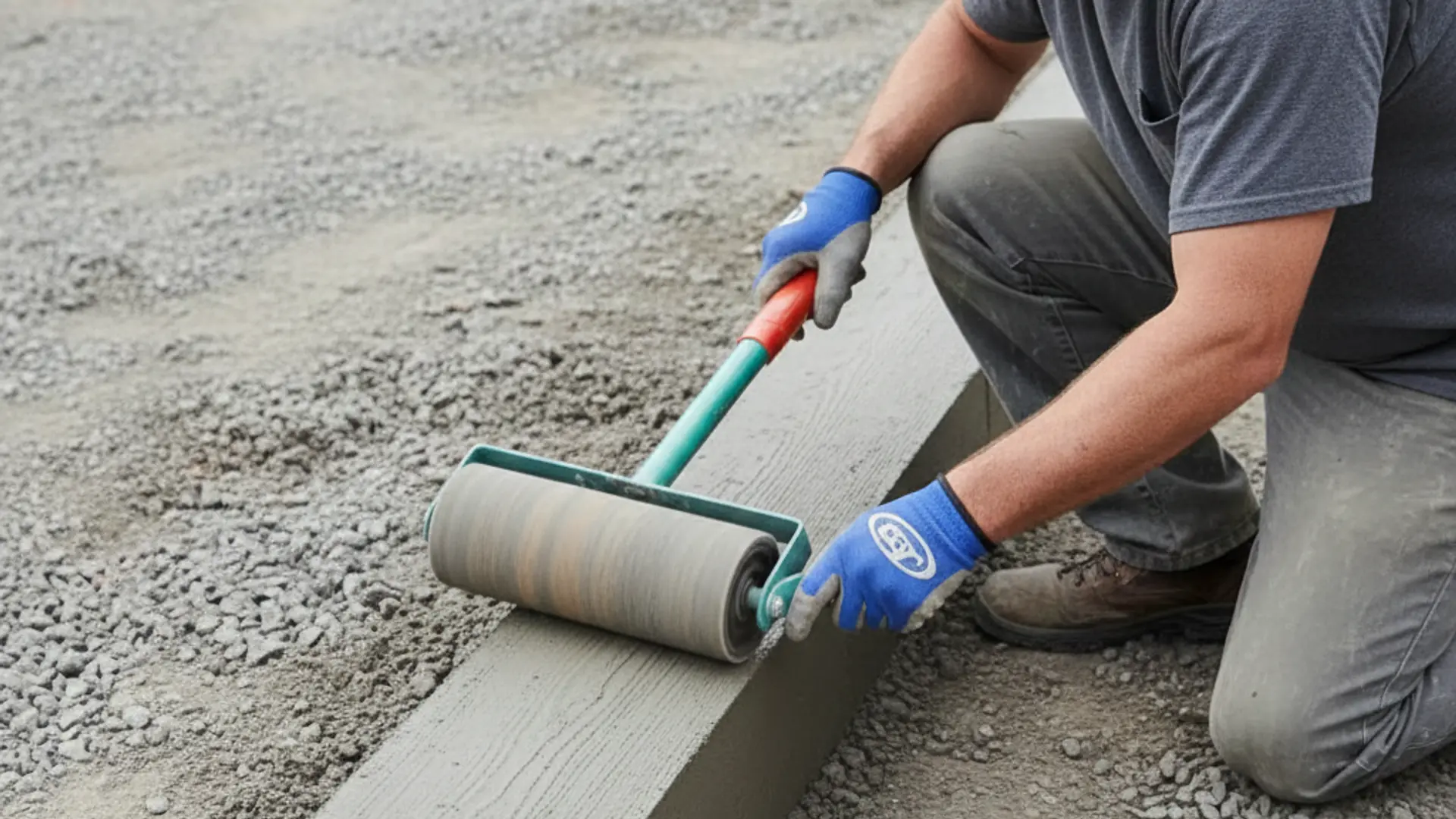
Clean Tools Right After the Job
Cement residue and powdered release agents are much easier to remove while they are still fresh. Once residue hardens on a stamp face or roller texture, it becomes harder to clean and can transfer unwanted color onto the next job (Brickform, Cleaning, Care & Storage Tips). Making cleanup part of the end-of-job routine, rather than a task for later, protects both the tools and the quality of future texture work.
For most jobs, dishwashing soap, water, and a soft brush are enough to lift residue without damaging the texture pattern. Let tools dry fully before putting them away, since trapping moisture against a stamp mat or roller sleeve can cause problems during storage.
Know the Limits of Cleaning Methods
Not every cleaning method is safe for every tool. Acetone, xylene, lacquer thinner, wire brushes, and abrasive pads can damage polyurethane stamps and should be avoided (Brickform, Cleaning, Care & Storage Tips).
If soap and water alone are not cutting through buildup, light pressure washing with a wide-angle tip can be used cautiously as a last resort on tools whose manufacturers permit it, rather than as a routine cleaning step. Excessive pressure can damage polyurethane textures, and this approach is not appropriate for every tool or material.
If release agents are used on a tool, that does not replace the need for cleanup afterward. Buddy Rhodes, for example, specifically directs soap-and-water cleaning after its release product is used, particularly on polyurethane tools (Buddy Rhodes, Stamp and Roller Release).
When in doubt about whether a cleaning method is safe for a specific tool, check the manufacturer’s guidance before applying anything stronger than soap and water.
Storing Stamp Mats and Texture Rollers Differently
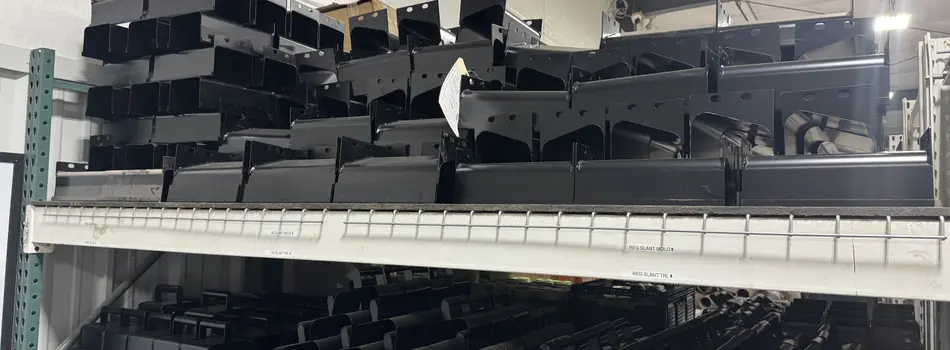
Stamp mats and texture rollers are built differently, and that affects how they should be stored.
- Store stamp mats flat, away from direct heat and sunlight, which can warp or degrade the material over time.
- Keep heavy equipment or other tools off stored mats and thin skins, since added pressure during storage can distort the texture.
- Rollers with removable texture sleeves may need to be handled differently than solid-frame rollers. Some manufacturer instructions call for removing the sleeve from its frame, storing it on end in its original packaging, and keeping it away from sharp objects (Bon Tool, Texture Roller Instructions).
That approach applies to that specific roller system, so it is worth checking what your particular roller’s construction calls for rather than assuming one storage method fits every tool.
Conditioning Is Tool and Brand Specific
Conditioning recommendations vary by manufacturer. Some suppliers suggest occasional treatment with a product like Armor All, while others note that routine conditioning is unnecessary when tools are cleaned properly and a liquid release is used during the pour (Bon Tool, Texture Roller Instructions; Brickform, Cleaning, Care & Storage Tips).
There is no single conditioning rule that applies across every brand, so it is worth following the guidance that matches the specific tool you own rather than treating one product’s recommendation as universal.
Inspect Before the Next Use
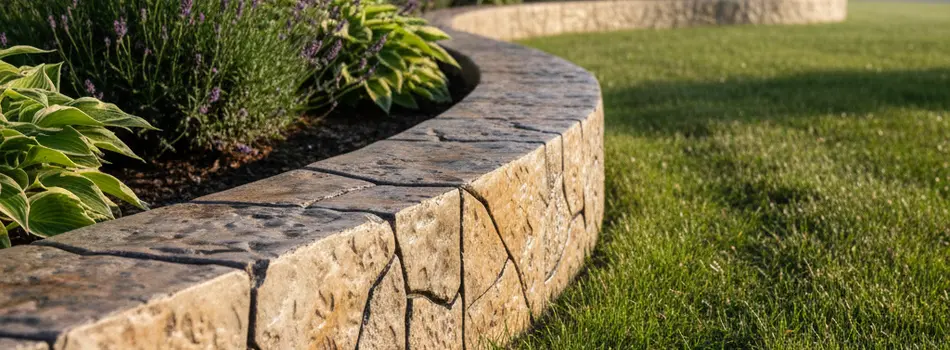
Once a tool is clean and dry, take a moment to check it over before storing it or sending it back out on a job. Look for worn texture detail, warping, brittle edges, and handles that are starting to fail (Brickform, Cleaning, Care & Storage Tips).
Catching this kind of wear early helps you decide whether a tool is still giving you a clean impression or whether it is time to address the issue before it shows up in a client’s finished curbing.
If you are working with a range of texture rollers and stamps, including options like the curbing texture rollers used for Slate Texture, Random Rock, Limestone, Flagstone, Woodgrain, and Cobblestone finishes, or natural stone stamp options like the Organic Stamp Complete Kit, Fractured Limestone, Pacific Basalt, and Subtle Slate, keeping a consistent cleanup and inspection routine helps protect the investment across your whole tool set.
Curb Depot’s curbing training also covers equipment maintenance, stamping, and cleanup. Hands-on training and online instruction are available for curbers who want a more structured walkthrough of professional installation and maintenance practices.

Get the Right Tools and Training for Your Curbing Business
Curb Depot supplies the texture rollers, stamps, and equipment that professional curbers rely on, along with training that covers the maintenance habits that keep those tools performing job after job.
If you have questions about choosing the right texture tools or want to learn more about our training options, call us at (920) 740-2218.
Based in Appleton, Wisconsin, Curb Depot works with curbing professionals in the Fox Valley, throughout Wisconsin, and beyond.
Earn More With Natural Stone.

Click to Register
Create beautiful curb with unique stamps.
Looking to sell your equipment?
Let us help.