
As a landscape curbing business picks up more jobs and more complexity, it is tempting to chase the next big equipment purchase. The better question is not what looks impressive in the trailer, it is what is actually holding back finished jobs. Fix the real constraint first, whether that is downtime, ground preparation, mixing capacity, or trailer organization, and only add a full second rig once booking data shows demand has outgrown your current setup.
Start With the Bottleneck, Not the Shiny Equipment
Before adding anything new, it helps to identify what is actually slowing jobs down. According to Curb Depot’s guide to reducing recurring curbing job downtime, the fix usually points in a specific direction depending on the symptom:
- Repeated machine stoppages: points toward maintenance or replacement components rather than a whole new unit.
- Slow path preparation: points toward ground-preparation equipment such as a bed edger or sod cutter.
- Inconsistent batch supply: points toward added mixing capacity, since an extruder is only as reliable as the mix feeding it.
- Lost setup or loading time: points toward a more organized trailer setup rather than more machines.
Curb Depot carries equipment across each of these categories, including the Harpten Curbing Machine, curbing trailers, concrete and mortar mixers, powered wheelbarrows, bed edgers, sod cutters, ground-preparation equipment, and replacement components, so the upgrade decision can be matched to the actual constraint rather than a general sense that it is time to buy something.
Why More Equipment Doesn’t Fix a Weak System
A larger or more expensive purchase will not solve a weak operating system underneath it. Rushed ground prep, an inconsistent low-slump mix, an empty hopper, skipped pre-job inspections, and gaps in end-of-day cleanup can all create downtime or rework, regardless of how much new equipment sits in the trailer. These are process issues, not capacity issues, and they are worth ruling out before any purchase.
Capacity vs Consistency: What Actually Limits Output
A curbing extruder depends on a low- or zero-slump mix that holds its shape after extrusion. A mix that is too wet can slump, while a mix that is too stiff or dry can stall the plunger, leave voids, or crumble. That means added mixing capacity only helps once batch consistency is under control. It is worth separating buying capacity from buying consistency: a bigger mixer or trailer cannot make up for an unprepared path, a poorly batched mix, or an operator who has not yet learned the equipment system.
When the upgrade in question is the extruder itself, Curb Depot describes the Harpten Curbing Machine as built around easier operation, tight compaction, reduced maintenance, and a bolt-free mold system, qualities that support consistent output rather than just added output.
Comparing Equipment and Considering a Package
When comparing curbing equipment, useful criteria go beyond price or production claims alone:
- Quick mold-change system
- Available profiles
- Maintenance needs
- Parts availability
- Setup requirements
- Training and support
If several bottlenecks are connected, for example a worn machine, no ground-prep equipment, and an undersized mixer, a package approach can make sense. Curb Depot’s packages can combine a Harpten machine, molds, trowels, roller stamps, ground-prep equipment, a mixer, trailer, admixture, reinforcement, and training in one setup. Package contents and pricing can change, so it is worth reviewing the current complete curbing equipment packages before deciding. Curb Depot also provides both in-person and online training covering equipment maintenance, ground preparation, concrete mixture, extruder setup, mixing, extrusion, finishing, pricing, estimating, and jobsite systems, which is worth factoring in any time a new machine, an additional crew member, or more advanced work exposes a skills gap.
Knowing When You’re Ready for a Second Crew
A full second-crew setup, meaning a second machine, trailer, mixer, molds, and tools, is a bigger decision than any single equipment upgrade and deserves a clearer test than “we’re busy.” Per Curb Depot’s guidance on signs you’re ready for a second curbing crew, it becomes worth evaluating when a business is consistently booked three or more weeks out, is turning away at least two qualified leads per week, and sees 60 days of declined-job value exceed the monthly cost of running another unit. If your numbers don’t clear that bar yet, the better move is usually fixing the bottleneck in your current setup first, including ground-prep equipment for faster job setup where path preparation is the slowdown.
Expanding Your Offering Later
Once core production is dependable, decorative and finishing upgrades become a reasonable next step rather than a first purchase. Curb Depot carries molds, profiles, trowels, rollers, stamps, integral color, release agents, and cable reinforcement that can expand the range of profiles and finishes a curbing business offers. These are expansion upgrades for a business that already has reliable production, not a substitute for solving a downtime, prep, or mixing bottleneck.
Frequently Asked Questions
How do I know whether I need a second curbing crew or just a better setup for my current crew?
Check your booking lead time, how many qualified leads you are turning away weekly, and whether 60 days of declined-job value exceeds the monthly cost of another unit. If those thresholds aren’t met, a better setup for your current crew is usually the right move.
What equipment upgrade helps most when a curbing crew keeps losing time between batches?
Inconsistent batch supply typically points toward added mixing capacity rather than a new extruder or trailer.
Should training come before or after buying a new curbing machine or adding a crew member?
Training is worth building into the same decision as a new machine or crew member, since it closes the skills gap that comes with new equipment or added complexity.
Talk to Curb Depot About Your Next Upgrade
If you’re weighing which piece of equipment to upgrade first, Curb Depot’s team can walk through your setup and the equipment categories built for growing curbing businesses, from the Harpten Curbing Machine and trailers to mixers, ground-prep equipment, and replacement components. Call (920) 212-2872 to talk through your options. Curb Depot is based in Appleton, Wisconsin and works with curbing businesses throughout Appleton, Neenah, Menasha, Kaukauna, and the greater Fox Valley area.
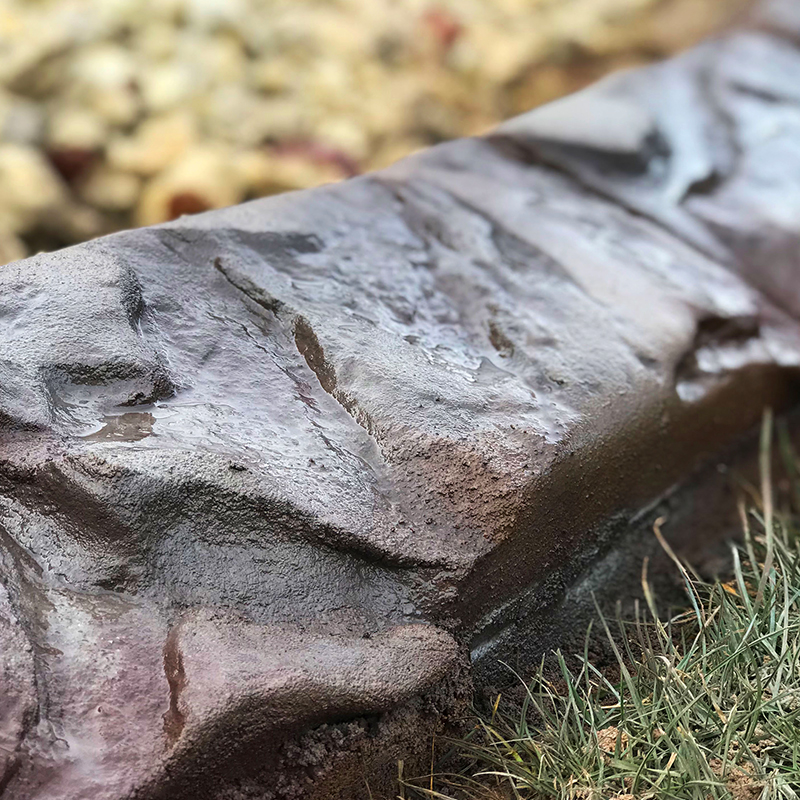
Earn More With Natural Stone.

Click to Register
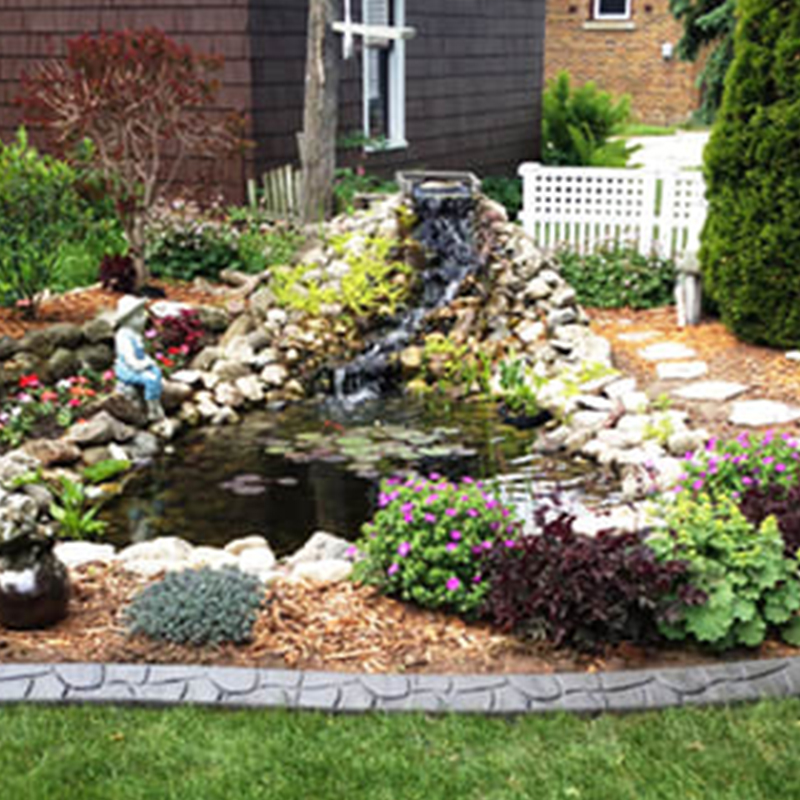
Create beautiful curb with unique stamps.

Looking to sell your equipment?
Let us help.



Ready to Order Your New Curbing Trailer? Request More Info.
Give us a call at (920) 740-2218 or simply fill out the form below to learn more about getting all the tools and training to get started. We make the process easy to start earning money in landscape curbing.