
After helping more than 500 operators launch curbing businesses, one pattern stands out: the best first hires aren’t experienced concrete workers. They’re dependable people who show up on time and follow instructions without cutting corners. Each hiring decision below traces back to one number: profit per linear foot.
What to Look For in a Curbing Helper
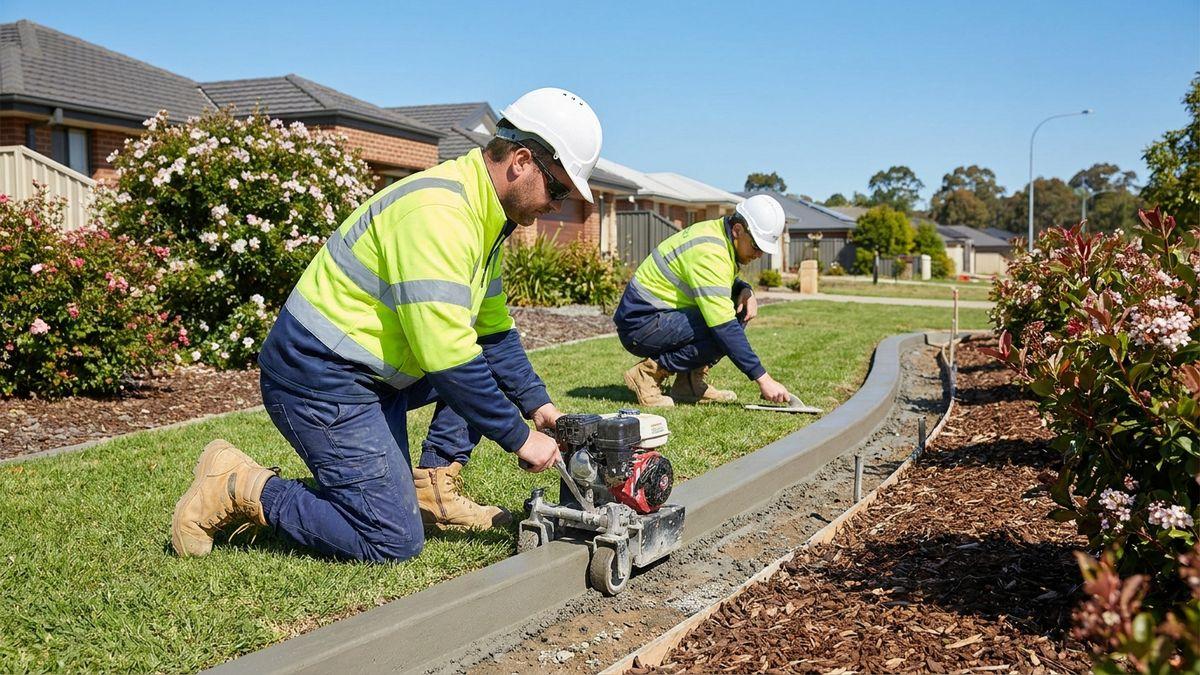
Curbing doesn’t require a construction background. In many cases, someone with a blank slate is easier to train than someone who’s been doing things differently for years.
Physical Stamina and Reliability
Your helper will be mixing concrete, pushing a wheelbarrow, and working on their feet for eight hours under direct sun. Stamina matters more than skill at this stage. A helper who shows up late or misses days costs you an entire job’s revenue. Look for candidates with a history of physically demanding work, even if it’s outside construction.
Willingness to Learn Over Prior Experience
Curbing has a specific machine-driven workflow that doesn’t match general concrete work. An experienced flatwork finisher may resist doing things your way. A helper with no concrete background but a strong work ethic will absorb your process faster and won’t bring bad habits from another trade.
How to Structure Pay and Expectations

Start with a flat hourly rate between $15 and $22 per hour, depending on your market and the helper’s experience level. Budget an additional 25% to 40% above the hourly wage for payroll taxes, workers’ compensation insurance, and general liability coverage increases.
A helper earning $18 per hour on a 200-foot job that takes eight hours costs you $144 in direct wages. On a $2,400 natural stone job, that still leaves over $1,280 in profit after materials and the helper’s pay. Track your curbing business income before and after adding help to see the real impact on your bottom line.
Set clear expectations on day one. Establish a start time, dress code, phone policy, and what “done” looks like at the end of a job. Most turnover in small crews happens because expectations were never explicitly communicated.
Training Your First Employee on the Job
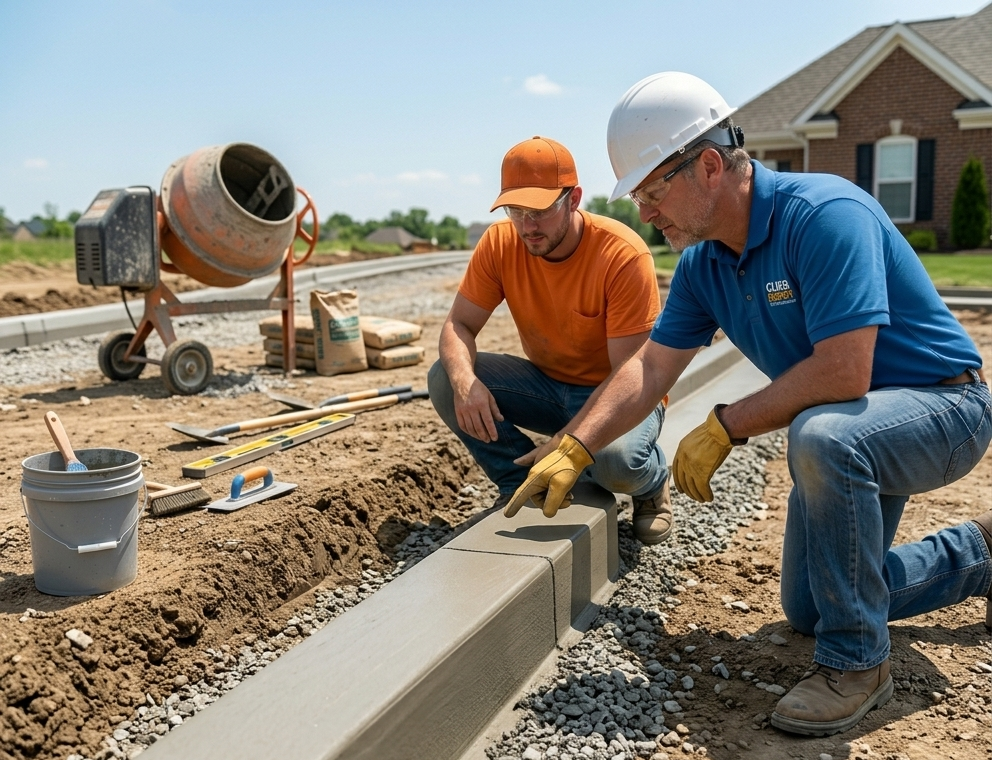
The most effective training structure for a curbing helper is job shadowing followed by the gradual handoff of production tasks.
Weeks One Through Four
Your helper watches and assists. They mix concrete, prep the ground, handle cleanup, and hand you tools. By the end of week two, they should be able to prep a site without supervision.
Weeks Four Through Eight
Start handing off the troweling and finishing work. Let them run the concrete curbing installation process on straight sections while you handle curves and corners. Correct their technique in real time rather than after the job.
Most helpers achieve baseline competence within six to eight weeks. Natural stone finishing takes longer because the stamping and grouting require a feel that only comes with repetition.
Frequently Asked Questions
How much does it cost to hire a curbing employee?
Hiring a curbing employee typically costs $15 to $22 per hour in base wages, plus 25% to 40% more for payroll taxes, workers’ compensation, and insurance. On a $2,400 natural stone job, a helper’s full-day wage of $144 still leaves over $1,280 in profit after all costs. The net gain is more jobs per week, not lower margins per job.
Should I hire someone with concrete experience for curbing work?
Prior concrete experience isn’t necessary and can sometimes slow training for curbing work. Curbing has a specific machine-driven workflow that differs from flatwork, forming, or finishing. A dependable helper with no concrete background often absorbs the Curb Depot training process faster because they don’t carry conflicting habits from other trades.
When is the right time to hire a first curbing employee?
The right time to hire a curbing employee is when you’re consistently turning down jobs or booking more than two per week. At that volume, the revenue lost from declined work exceeds the cost of a helper. Most operators find that adding one employee doubles their weekly capacity without their doubling overhead expenses.
Build Your Crew the Right Way
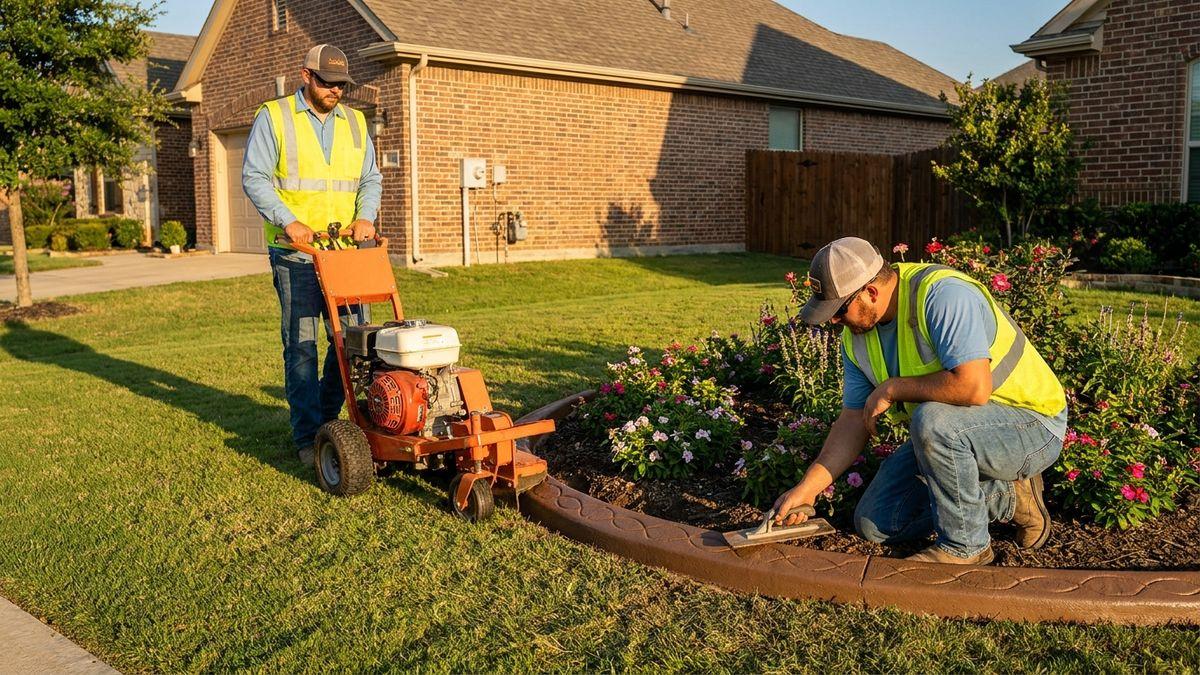
Your first hire changes the math of your entire operation. The right helper can double your weekly capacity, frees you to handle estimates and customer conversations, and often pays for themselves within the first month of full production.
Contact Curb Depot at (920) 740-2218 or send us a message to learn how training programs prepare both you and your first employee for profitable production.
Earn More With Natural Stone.

Click to Register

Create beautiful curb with unique stamps.

Looking to sell your equipment?
Let us help.









Ready to Order Your New Curbing Trailer? Request More Info.
Give us a call at (920) 740-2218 or simply fill out the form below to learn more about getting all the tools and training to get started. We make the process easy to start earning money in landscape curbing.