With proper installation and regular sealing, concrete curbing can last 20 to 30 years or more. The key variables are concrete mix quality, reinforcement, and how consistently the curbing is sealed over time. Curb Depot has helped 500+ curbing business owners across the U.S. and Canada install curbing that holds up for decades. The difference always comes down to a few decisions made at the start.
Two curbing jobs. Same neighborhood, same week. Ten years later, one is still holding its color, its edge is clean, and you could run a chalk line along it without a single deviation. The other has gone chalky gray, with spalling and hairline cracks. Same climate. Different outcomes.
What separated them wasn’t luck. It was mix design, reinforcement, and whether anyone picked up a sealer within the first two years of installation. As a curbing contractor, those are decisions entirely within your control.
What Factors Determine How Long Concrete Curbing Lasts?
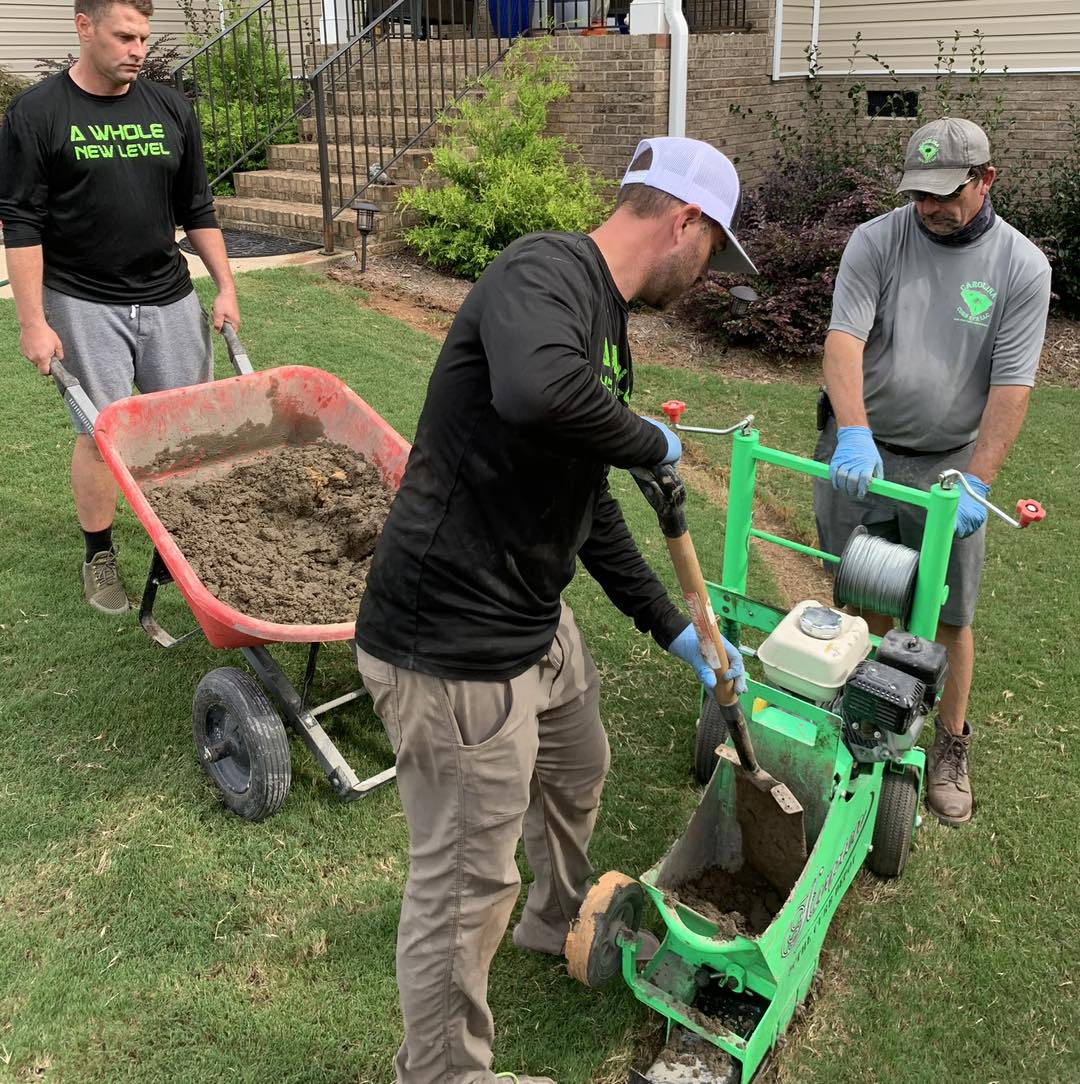
Several factors influence whether an installation survives a decade or starts showing trouble in three to five years.
Concrete Mix Quality
A mix that’s too wet produces concrete with higher porosity, meaning water gets in more easily. In climates with freeze-thaw cycles, that porosity becomes the mechanism for early cracking and spalling.
Curb Depot’s Assurance Curbing Admixture is specifically formulated for extruded curbing, improving workability and density without sacrificing strength. The right admixture from the start means jobs that still look good ten years later.
Reinforcement Cable
Steel cable running through the curbing holds sections together despite:
- Soil movement
- Tree root pressure
- Seasonal ground shifting
Without it, an unsupported run of curbing is working against itself every time the ground beneath it moves. Curbing installed with proper cable as the foundation tends to outlast installations that cut corners on reinforcement.
Ground Preparation
Soft or poorly compacted soil shifts, and curbing shifts with it. That movement introduces stress that can eventually crack sections of concrete even if they were properly mixed. It’s a variable that’s easy to underestimate in a job estimate—and expensive for the customer when it isn’t accounted for.
How Sealing Makes or Breaks Longevity
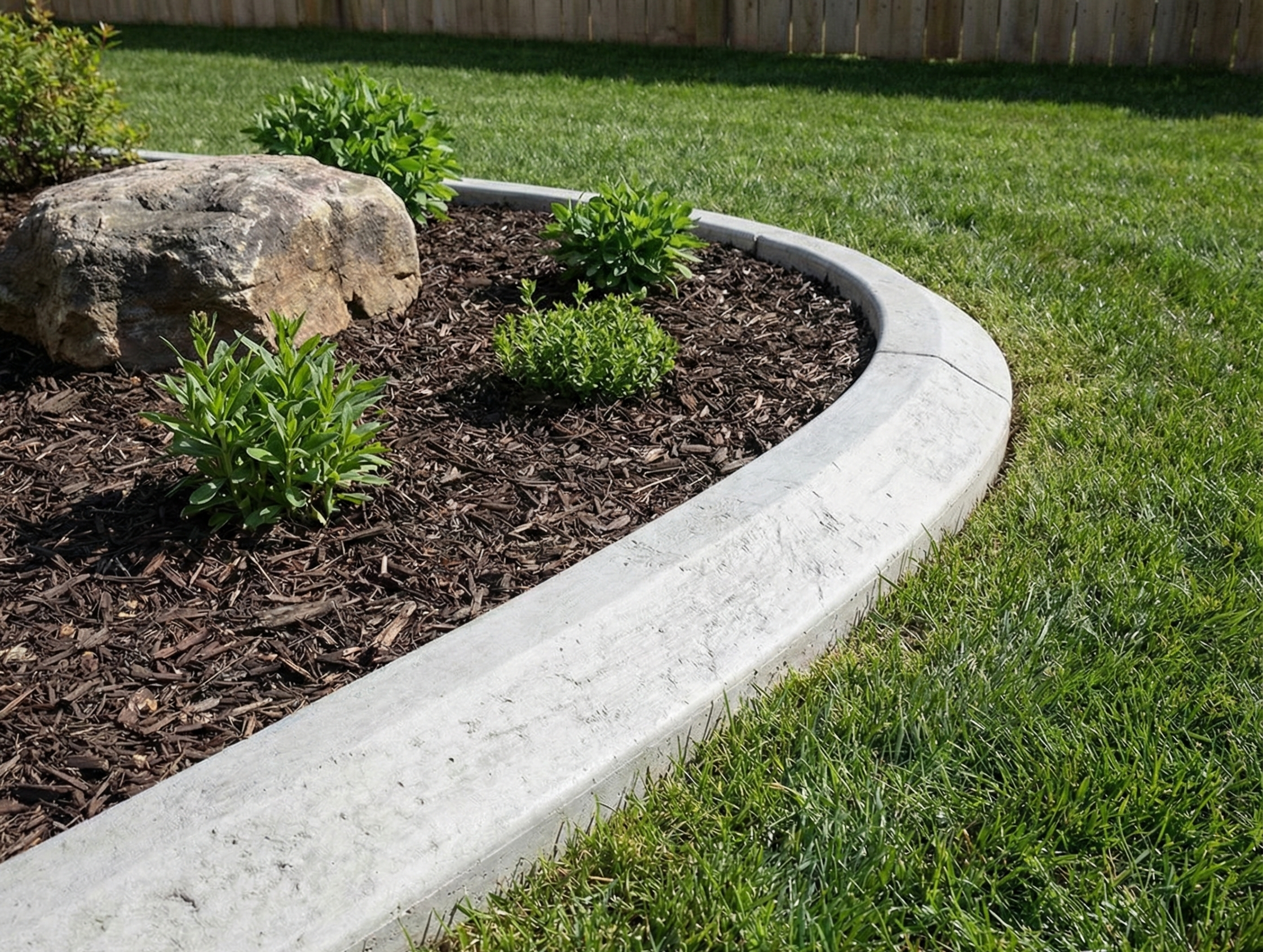
Here’s the number that tells the real story: unsealed concrete curbing can start showing visible wear—fading, surface roughness, minor cracking—within a few years in harsher climates. Properly sealed curbing, resealed every two to three years, can maintain its appearance and structural integrity well beyond what unsealed curbing typically achieves.
Why Sealing Works
Concrete is porous. Without a sealer, two things happen simultaneously:
- UV exposure bleaches integral color from the surface and degrades the binder in the concrete paste
- Water infiltration works its way into the curbing. In northern states and Canada, that water expands as it freezes, creating internal pressure that breaks the concrete apart from the inside out
A quality sealer closes those pores, protects the color, and acts as a barrier against freeze-thaw damage.
The Contractor Angle
Sealing is worth building into every quote. Customers get better results, and you get a recurring revenue stream—the same customer, every two to three years, no sales call required. The math is simple: a job that still looks sharp at year eight sends you referrals. One that’s faded and cracking at year four sends you callbacks.
Choosing the Right Sealer
Not every sealer is designed for the narrow profile and textured surface of extruded curbing. The two main types, film-forming and penetrating, behave differently. Choosing the wrong one creates problems that show up months after the job is done. Here’s how they compare:
| Sealer Type | How It Works | Risk to Watch |
|---|---|---|
| Film-forming | Bonds to surface, creates protective layer | Can trap moisture if applied before full cure — causes adhesion failure |
| Penetrating | Works from within the concrete surface | Slower visible result, but more reliable in high-traffic, high-exposure environments |
One thing to flag for customers: rock salt and calcium chloride-based de-icers applied near curbing accelerate surface degradation and can reach the concrete even when the target is the driveway or sidewalk nearby.
Signs Curbing Is Aging Faster Than It Should
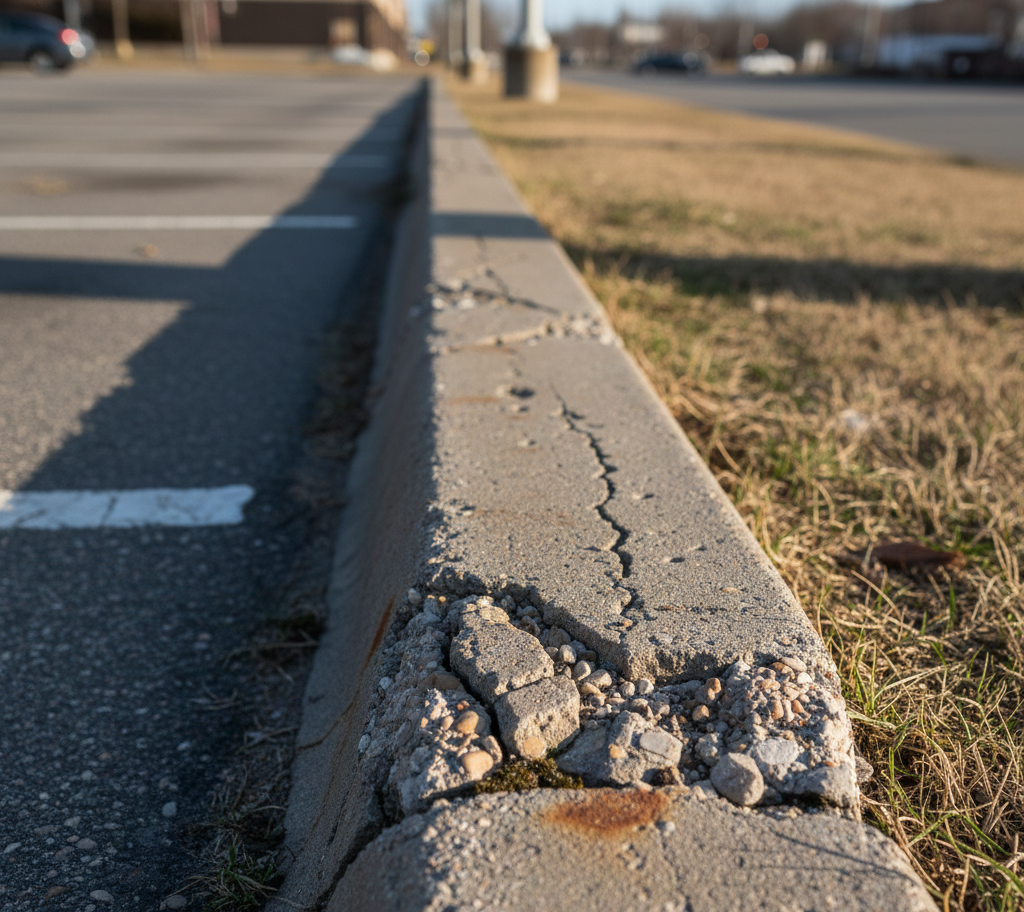
Before you quote a repair, replacement, or maintenance visit, you need to know what you’re actually dealing with. Here’s what each sign means and what to do about it:
| Sign | What It Means | Recommended Action |
|---|---|---|
| Fading color | First visible sign; usually cosmetic | Clean and reseal — easy upsell, high customer satisfaction |
| Hairline cracks | Surface cracks, not deeply penetrating | Reseal to stop water infiltration and slow progression |
| Spalling | Freeze-thaw damage or mix was too wet at installation | Resealing buys time but doesn’t reverse damage; replacement is often the honest call |
| Full-depth cracks with displacement | Significant soil movement beneath the curbing | Replacement; use cost per linear foot to set accurate expectations |
Curbing Longevity Starts With Installation
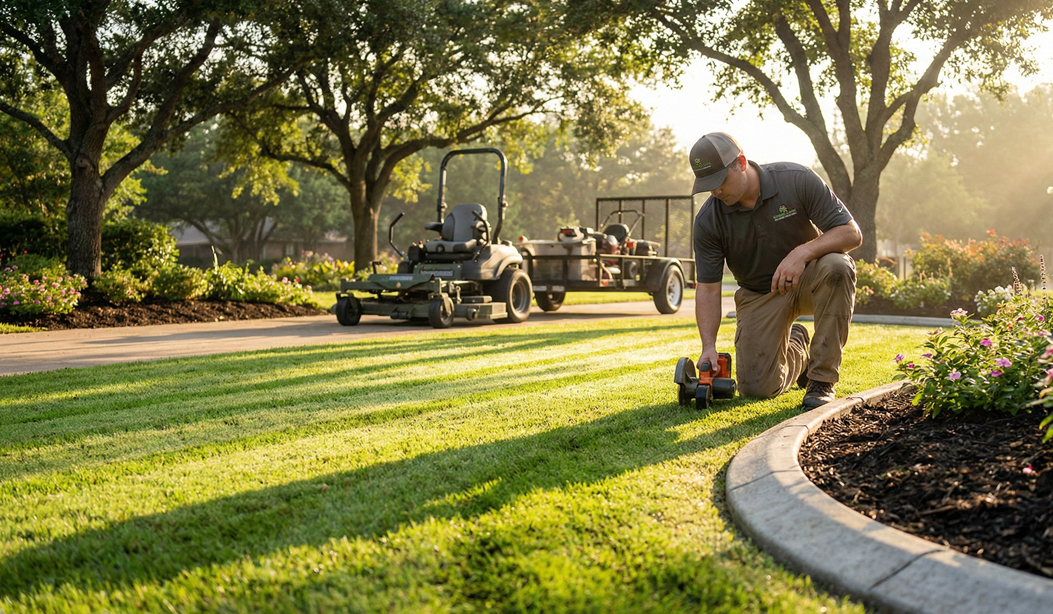
No amount of maintenance can fully compensate for a poor installation. Installation quality sets the ceiling on how long any curbing job lasts. Maintenance just determines how close you get to that ceiling.
Profile Selection
- Slant-style curbing sheds water off the face more effectively than a square profile, reducing the pooling that accelerates surface wear
- Square-profile curbing holds more water at the face, a meaningful difference in wet climates or low-drainage areas
- Getting the profile right for the specific application—garden border, driveway edge, commercial property—is part of installation quality, not just a design choice
Expansion Joint Placement
Joints cut at regular intervals give the concrete somewhere to expand and contract without cracking unpredictably. Skip the joints, and the curbing creates its own cracks—usually in the least convenient locations.
Curb Depot has equipped and trained curbing business owners across North America since 1993 so they get these decisions right from the first job. That training investment pays off in every installation that’s still holding up a decade later.
Frequently Asked Questions
Can concrete curbing be repaired instead of replaced?
Yes, depending on the type and extent of the damage:
- Hairline cracks and minor spalling: Typically manageable with cleaning, crack filler, and resealing
- Deep cracking, displacement, or widespread spalling: Usually better candidates for full replacement
Repair is cost-effective when the damage is isolated. When it isn’t, replacement is the more honest recommendation and the one that protects your reputation.
Does the curbing profile style affect how long the curbing lasts?
Profile style does affect durability in practical ways. Profiles with angled faces, like slant-style designs, direct water away from the surface and reduce moisture pooling at the base. Square-profile curbing holds more water at the face. The differences in how curbing profiles manage water become meaningful in wet climates or areas with poor drainage.
How does climate affect concrete curbing lifespan in northern states?
Climate is one of the most significant variables for concrete curbing’s lifespan. In northern states and Canada, curbing endures repeated freeze-thaw cycles. Water enters the concrete, freezes, expands, and creates internal pressure that fractures the surface over time. A dense, low-water mix design and consistent sealing every two to three years are the most effective defenses against freeze-thaw damage in cold-climate installations.
What 30-Year Curbing Actually Takes

Concrete curbing that reaches 20 to 30 years doesn’t happen by accident. It requires:
- A quality, purpose-built mix
- Proper cable reinforcement
- Correct installation technique and ground prep
- A consistent sealing schedule maintained every two to three years
Skip any one of those, and the lifespan shortens measurably. As a contractor, every one of those variables is within your control—and each one is something Curb Depot’s equipment, consumables, and training are built around.
The jobs that hold up longest are also the jobs that generate referrals, repeat maintenance visits, and the kind of reputation that makes you the only curbing company a homeowner ever calls. Whether you’re just getting started or looking to sharpen an existing operation, that foundation starts with the right equipment and training. Reach out through our contact page or explore our landscape curbing equipment packages to get started.
Earn More With Natural Stone.

Click to Register

Create beautiful curb with unique stamps.
Looking to sell your equipment?
Let us help.


Ready to Order Your New Curbing Trailer? Request More Info.
Give us a call at (920) 740-2218 or simply fill out the form below to learn more about getting all the tools and training to get started. We make the process easy to start earning money in landscape curbing.