Tree ring edging ideas are one of the most common requests curbing contractors field from residential clients. Knowing every option helps you sell the one that actually makes you money. From stamped concrete to loose river rock, homeowners browse Pinterest and show up with different ideas. Your job is to guide them toward the material that delivers lasting results and a strong profit margin.
Curb Depot has trained curbing contractors across North America, and we’ve tracked which tree ring styles generate repeat business and referrals versus which ones lead to callbacks. The six options below are what your prospects are comparing. Understanding the strengths and weaknesses of each one lets you position concrete curbing as the premium solution with confidence. Here are the six styles, ranked from highest-margin to lowest.
1. Stamped Concrete Curbing
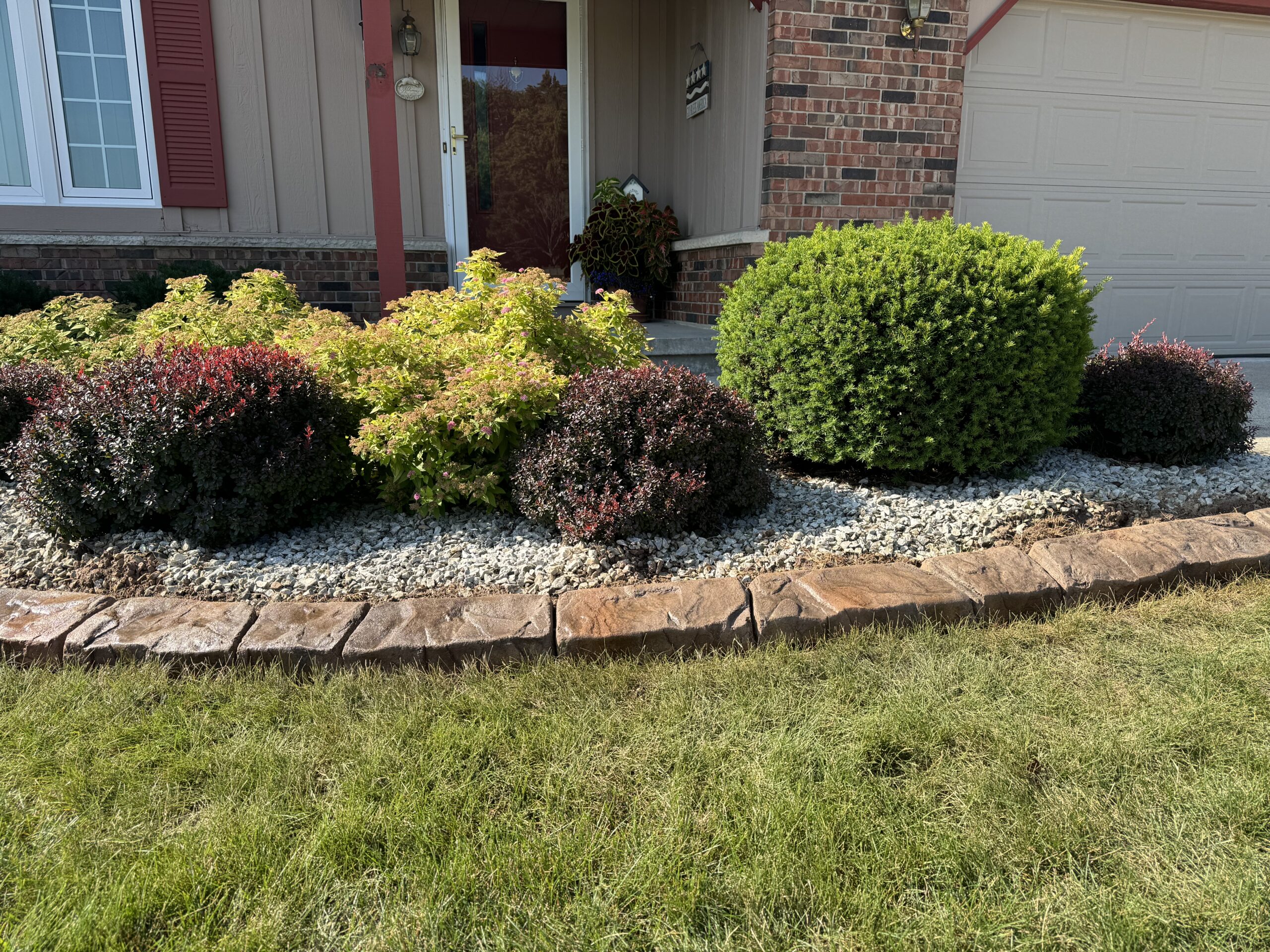
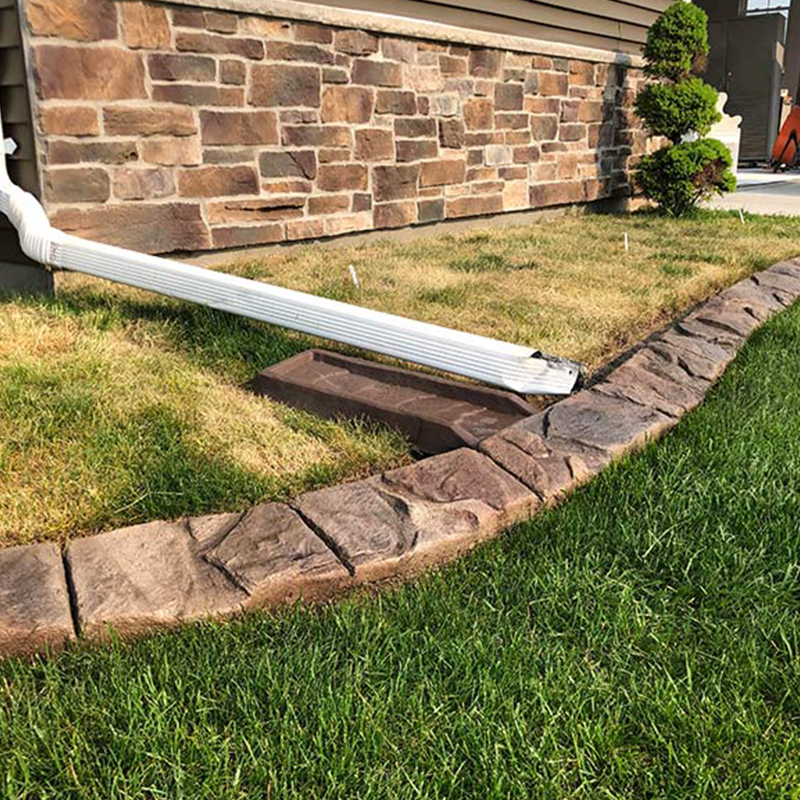
This is your bread and butter. Stamped concrete tree rings are the highest-margin, lowest-callback option you can offer. You extrude a continuous ribbon of concrete on-site, forming a seamless ring with no joints where moisture can infiltrate and cause freeze-thaw damage. No gaps means no heaving, which means no angry phone calls in April.
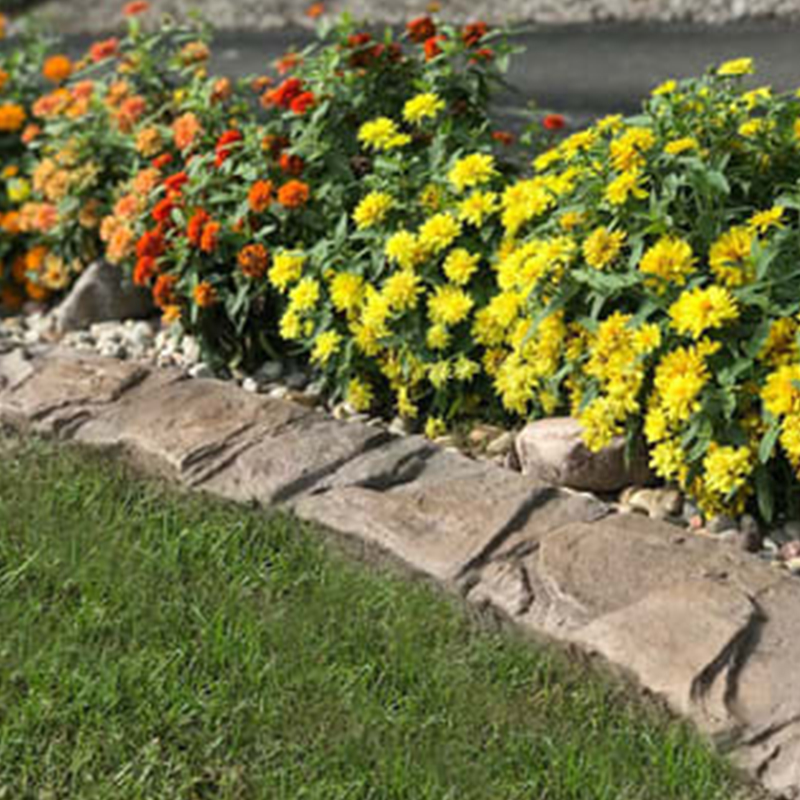
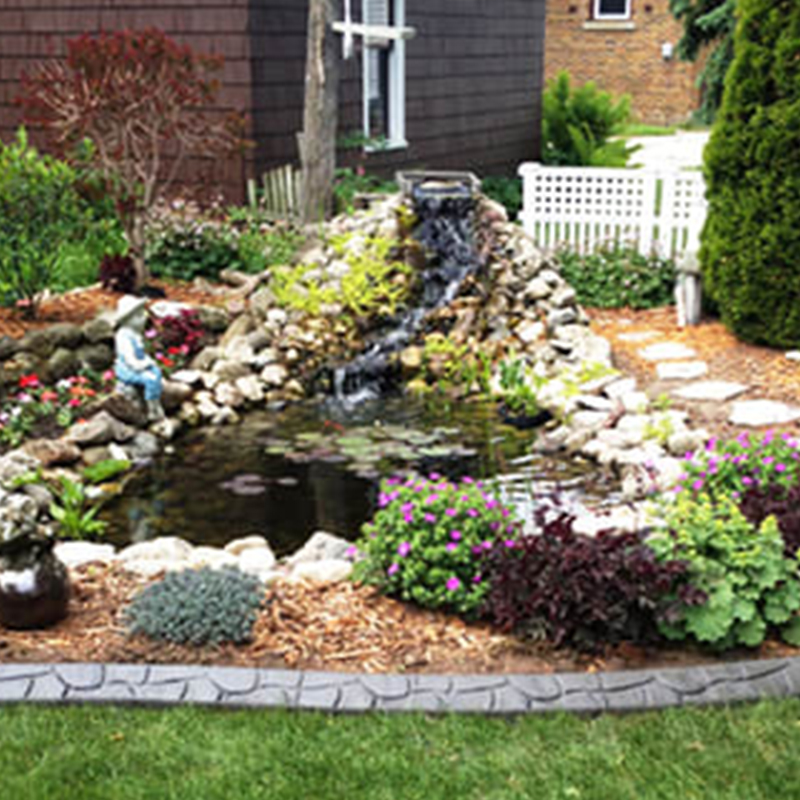
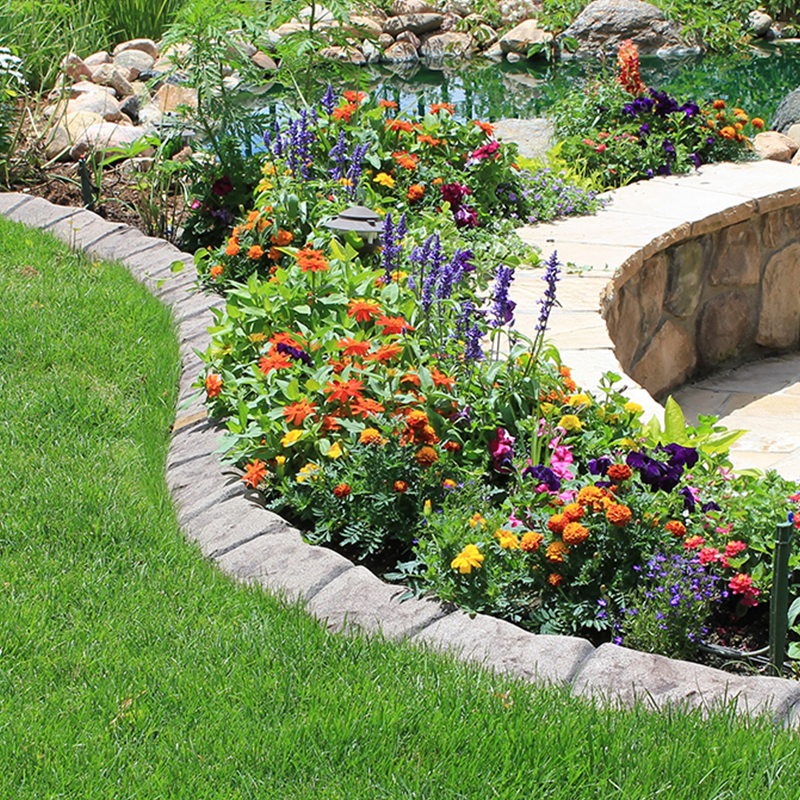
The upsell opportunity here is real. Once a customer sees your curbing stamps (flagstone, cobblestone, brick, slate), a basic tree ring turns into a premium job. You’re pressing texture into wet concrete that mimics hand-laid stone, and customers will pay significantly more for a stamped finish over a plain mow strip.
A stamped concrete tree ring can last over 20 years with periodic sealing, so you’re selling a product you can stand behind without worrying about warranty issues down the road.
2. Natural Stone Stamped Curbing
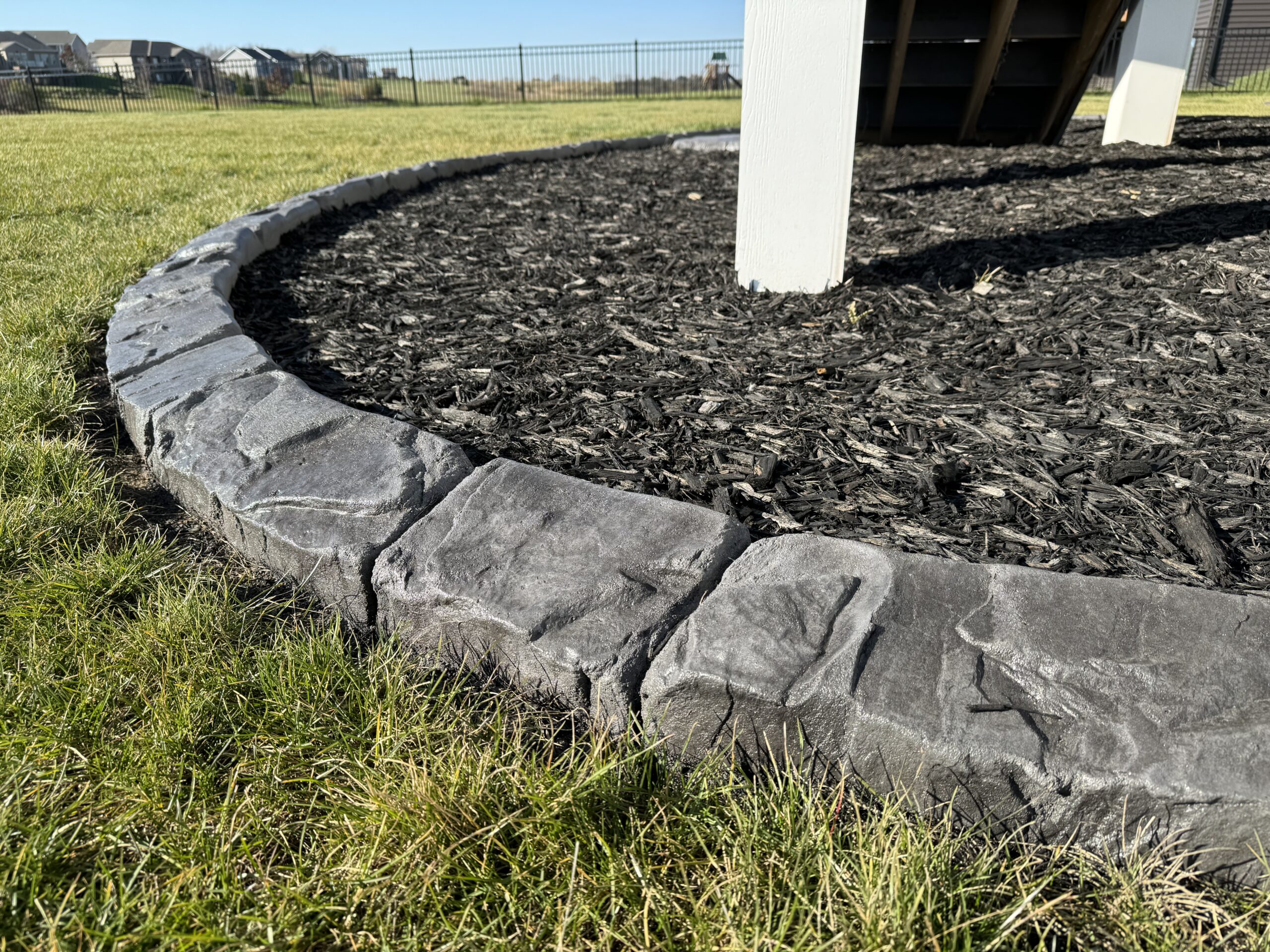
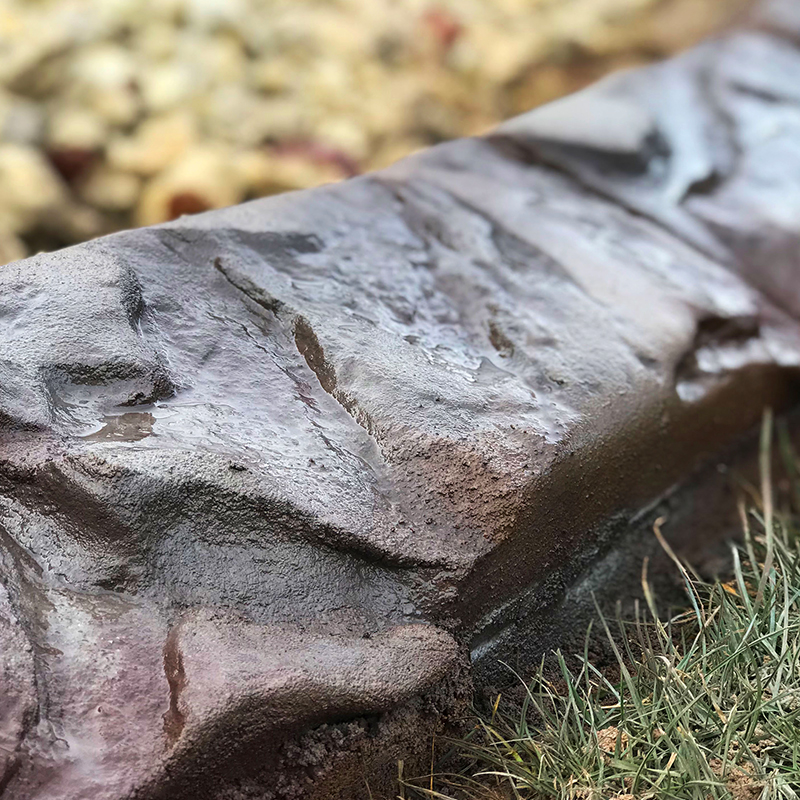
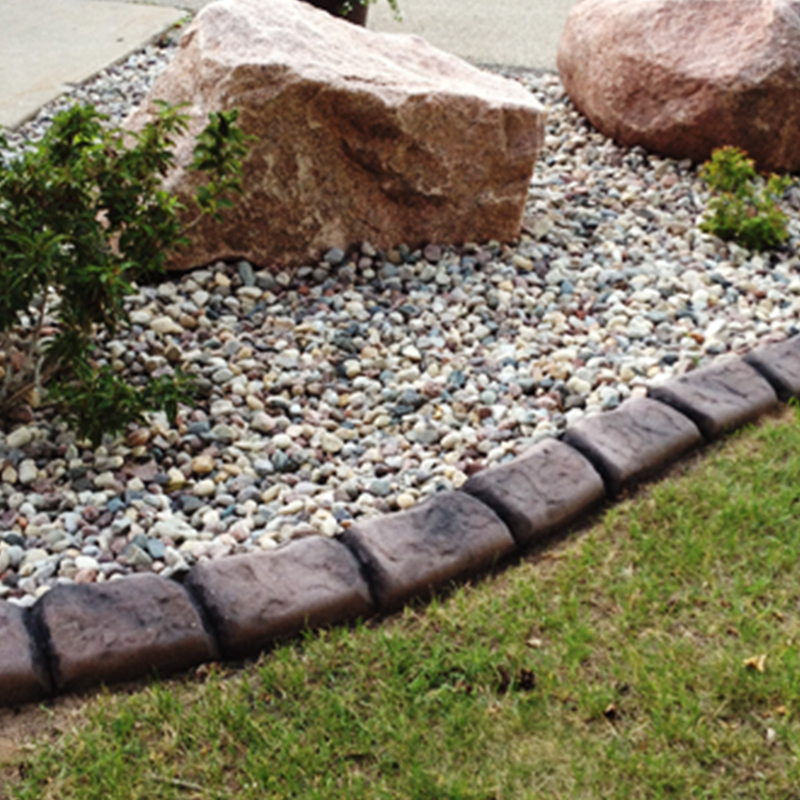
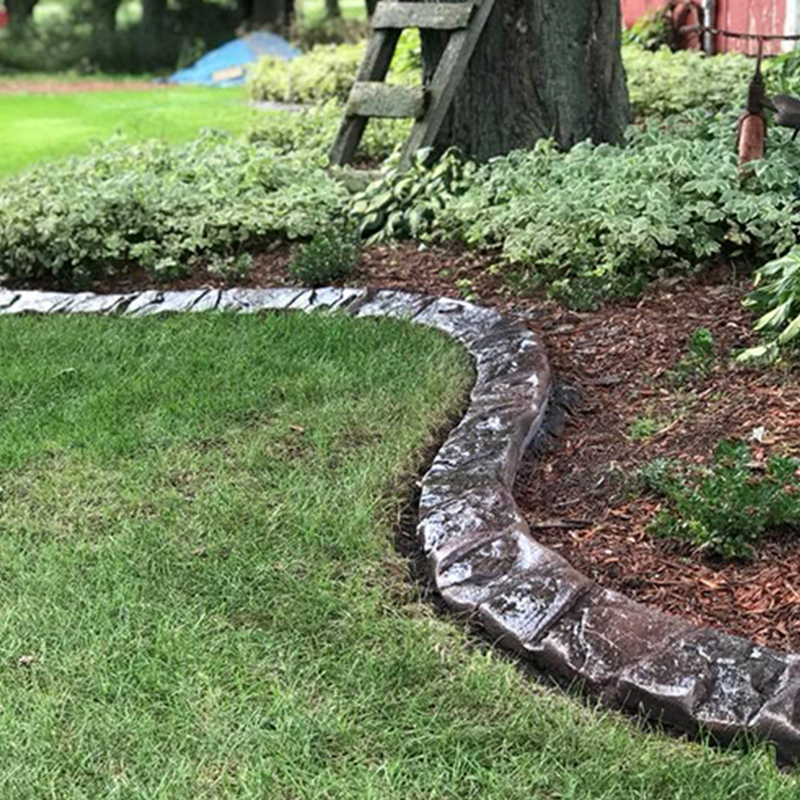
Natural stone stamped curbing is poured concrete finished with a stone texture stamp, not actual fieldstone or stacked rock. That distinction is important when you’re talking to customers, because the performance gap is enormous. They get the warmth and organic look of real stone with the structural integrity of a continuous pour underneath.
This is a strong upsell from standard stamped curbing. Curb Depot offers dedicated natural stone training that covers the specialized tooling and finishing technique. Customers who own older homes or have mature trees in their front yard often gravitate toward this look. Your pitch is simple: “You get the stone aesthetic without the stone maintenance.”
In northern climates, this option sells itself once you explain that individual stones heave and shift while a continuous pour stays put. Higher perceived value, higher ticket price, same equipment.
3. Brick or Paver Rings
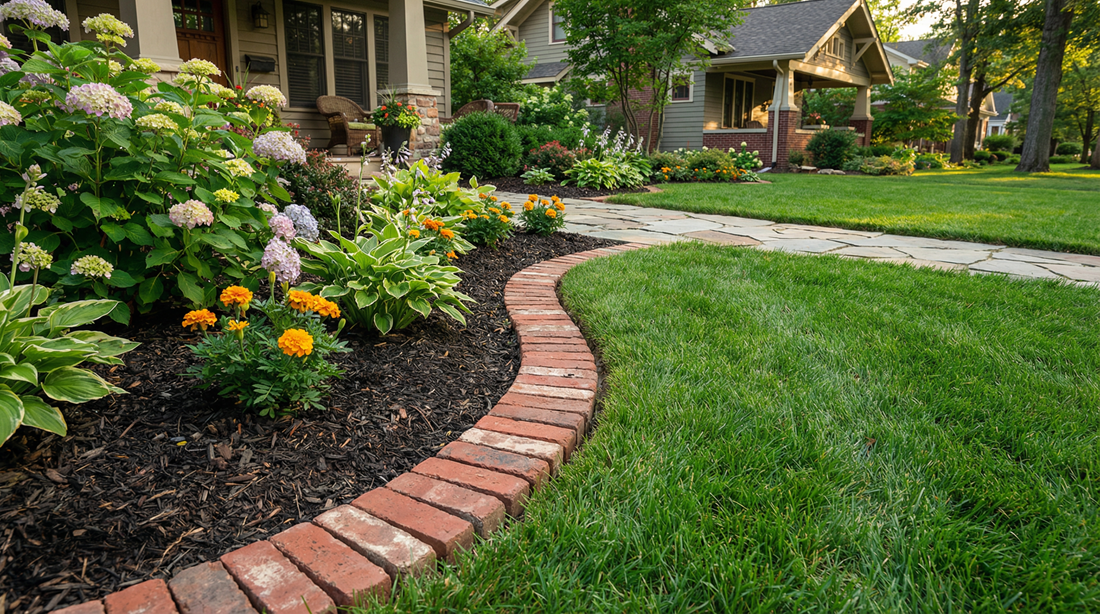
You’ll hear about these constantly from customers who watch home improvement shows. Brick and paver tree rings have a classic look, they’re DIY-friendly, and that’s exactly the objection you’ll face: “Why would I pay you when I can do it myself?” Here’s how you handle it.
Acknowledge the look: it is attractive. Then talk about what happens after the first winter. Individual bricks and pavers shift, tip, and pop when soil freezes and expands. A ring that looks sharp in September needs re-leveling by May, and most homeowners won’t do it. That’s your opening. You’re not trashing brick. You’re explaining the maintenance reality and offering a better-performing alternative.
For customers who still lean toward brick, the guide on best bricks for landscape edging is a useful resource you can share. It keeps them in your sales funnel even if they don’t convert immediately.
4. Metal Edging Rings
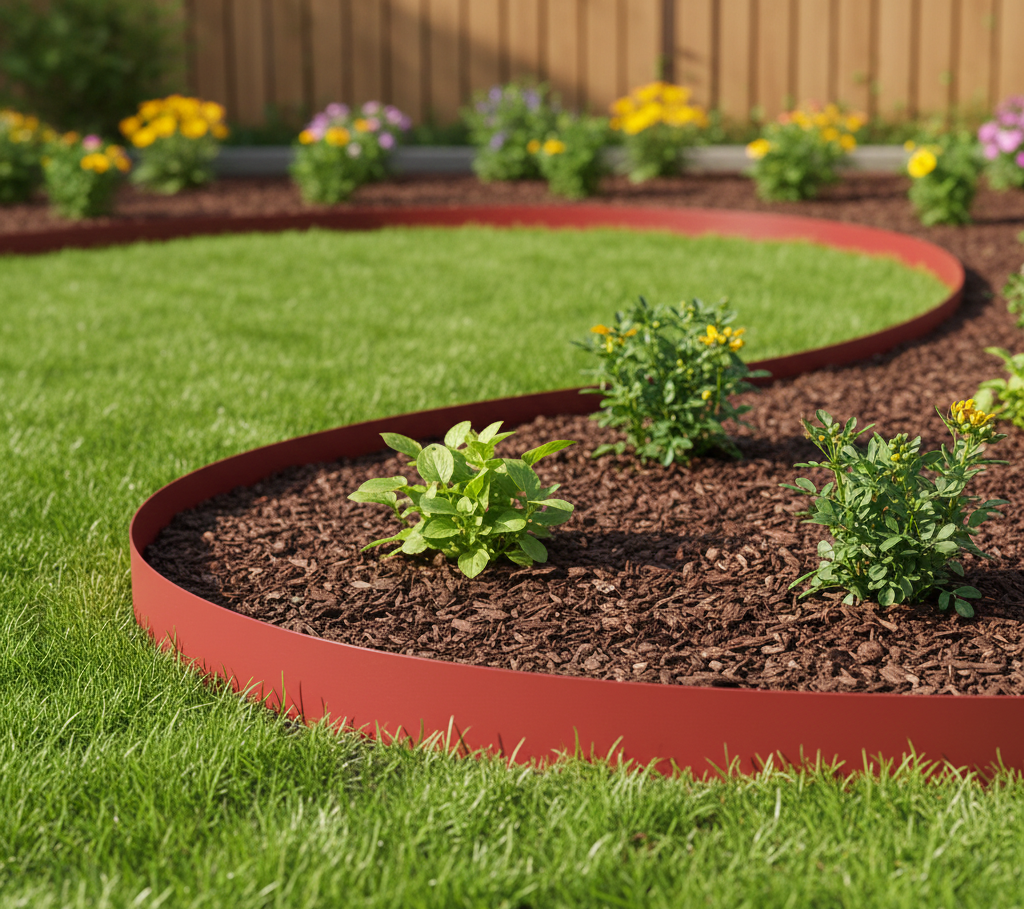
Steel and aluminum edging strips bent into a circle are the minimalist option your customers might bring up. The look is clean and modern: a thin, barely-visible border that holds mulch in place. Galvanized steel and powder-coated aluminum resist rust reasonably well, and the material cost is low.
From a business standpoint, metal edging isn’t your competitor. It’s a different category. Customers who want metal edging are usually price-shopping for a quick fix, not investing in curb appeal. The profit margin on installing metal rings is thin, and the product doesn’t showcase your skills or equipment.
If a prospect mentions metal edging, use it as a comparison point: show them what stamped concrete looks like next to a metal strip, and let the visual do the selling.
5. River Rock Border
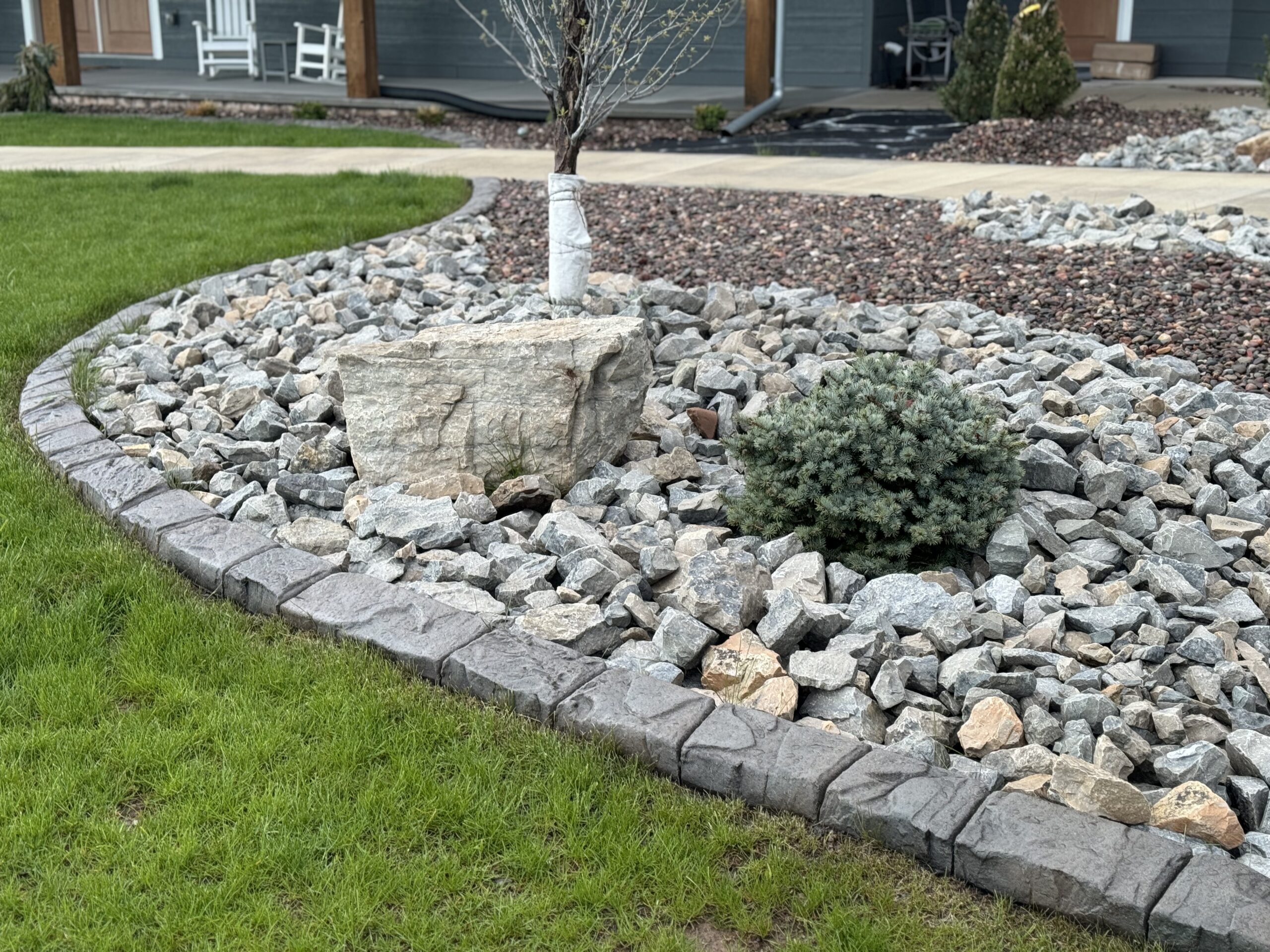
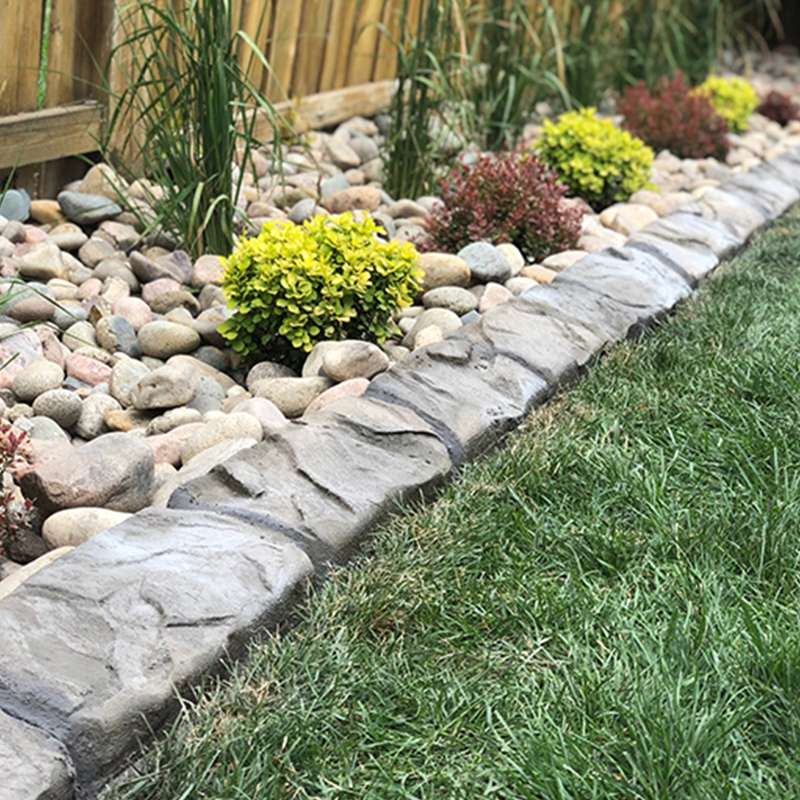
Loose river rock borders come up often because they look good in photos and the material is cheap. Rounded stones, typically 1 to 3 inches, sit in a ring around the tree, creating a natural, low-key look that appeals to cottage-style and woodland properties.
The reality you can share with customers: river rock migrates. Foot traffic, mowing, and freeze-thaw cycles push stones out of the ring over time. Annual raking and top-ups are part of the deal, and weeds grow through unless there’s a barrier underneath. This isn’t a product you’d install, but knowing its weaknesses helps you redirect conversations.
Comparing natural stone vs. concrete pavers gives customers a clear look at how loose materials stack up against poured options over time—another resource that supports your concrete curbing pitch.
6. Timber or Railroad Tie Rings

Timber rings and railroad ties are the budget-rustic option. Customers see them at home improvement stores, they’re cheap, and they require zero specialized equipment to install. For farmhouse and craftsman-style homes, they deliver immediate visual impact.
The lifespan conversation is where you win this one. Treated landscape timber lasts 5 to 10 years before rot and insect damage show up. Railroad ties last longer but contain creosote, which raises concerns near garden beds. When a customer mentions timber, you have a natural opening: “That’ll look great for a few years, but here’s what it looks like past year five. Let me show you something that lasts four times as long.” That contrast between a timber ring and a stamped concrete ring that can last over 20 years is one of the easiest closes in the curbing business.
Frequently Asked Questions
How Do I Price Tree Ring Edging Jobs for Maximum Profit?
Tree ring jobs are high-margin add-ons to standard curbing work. Most contractors price per linear foot, with stamped finishes commanding a premium over plain concrete. The key is bundling. Offer the tree ring as part of a full-property curbing package rather than a standalone job. Your material cost per ring is low, the install time is short, and the perceived value to the homeowner is high. Curb Depot’s training programs cover pricing strategy alongside installation technique.
What’s the Best Way to Sell Concrete Curbing Over DIY Brick or Paver Rings?
Lead with maintenance, not materials. Most homeowners don’t realize that brick and paver rings need annual re-leveling in freeze-thaw climates. Show before-and-after photos of heaved paver rings versus stamped concrete rings after a hard winter. The visual comparison does the heavy lifting. Then reinforce the value: one professional installation that can last 20+ years versus a DIY project that needs attention every spring.
Which Curbing Stamps Work Best for Tree Ring Jobs?
Natural stone and flagstone stamps are the top sellers for tree rings because they complement the organic setting around a tree base. Cobblestone and brick stamps also perform well, especially in traditional neighborhoods. Curb Depot carries a full line of curbing stamps designed for tight-radius work, which is exactly what tree rings require. Having three or four stamp options in your trailer gives customers choices on-site and increases your average ticket.
Turn Tree Rings Into a Profit Center
Every residential property with a mature tree is a potential tree ring job, and most of your competitors aren’t even offering them. The six options above are what your customers are browsing online. Your advantage is knowing the performance and maintenance reality behind each one so you can confidently steer them toward stamped concrete curbing.
Tree rings are fast to install, high-margin, and they make the rest of your curbing work look even better on the finished property. Curb Depot’s equipment packages and hands-on training give you everything you need to add tree rings to your service menu so you can start closing jobs this season.
Earn More With Natural Stone.

Click to Register
Create beautiful curb with unique stamps.
Looking to sell your equipment?
Let us help.


Ready to Order Your New Curbing Trailer? Request More Info.
Give us a call at (920) 740-2218 or simply fill out the form below to learn more about getting all the tools and training to get started. We make the process easy to start earning money in landscape curbing.