
Learning how to price curbing jobs correctly separates a profitable business from one that stays busy but never gets ahead. Your rate per linear foot determines whether a 200-foot job earns you $1,000 or $1,400 for the same eight hours. Curb Depot has helped over 500 contractors across the U.S. and Canada build pricing that holds up from the first estimate.
Underprice and you work a full day for contractor wages. Overprice without justification and you lose the bid. Curbing pricing isn’t guesswork; it’s arithmetic. Know your cost structure and you can write a defensible quote on the spot, before the customer even asks.
How To Calculate Your Cost Per Linear Foot

Every estimate starts with three numbers: material cost, labor cost, and overhead. Your price per foot has to cover all three and still leave a healthy margin.
Here’s what it looks like on a real job. A 200-linear-foot natural stone curbing job priced at $12 per foot is a $2,400 total. Materials (concrete mix, Assurance Curbing Admixture, cable reinforcement, integral color, and sealer) run around $475. Labor for an 8-hour day including ground prep and cleanup comes in around $500. Total cost: $975. Profit: $1,425.
Track consumable spend across a few jobs and you’ll land on a consistent number, typically in the $2 to $3 range per foot for standard styles, depending on your mix design and material sources. For a full breakdown of what drives material costs, see our guide to concrete curbing cost per linear foot.
Pricing by Curb Style
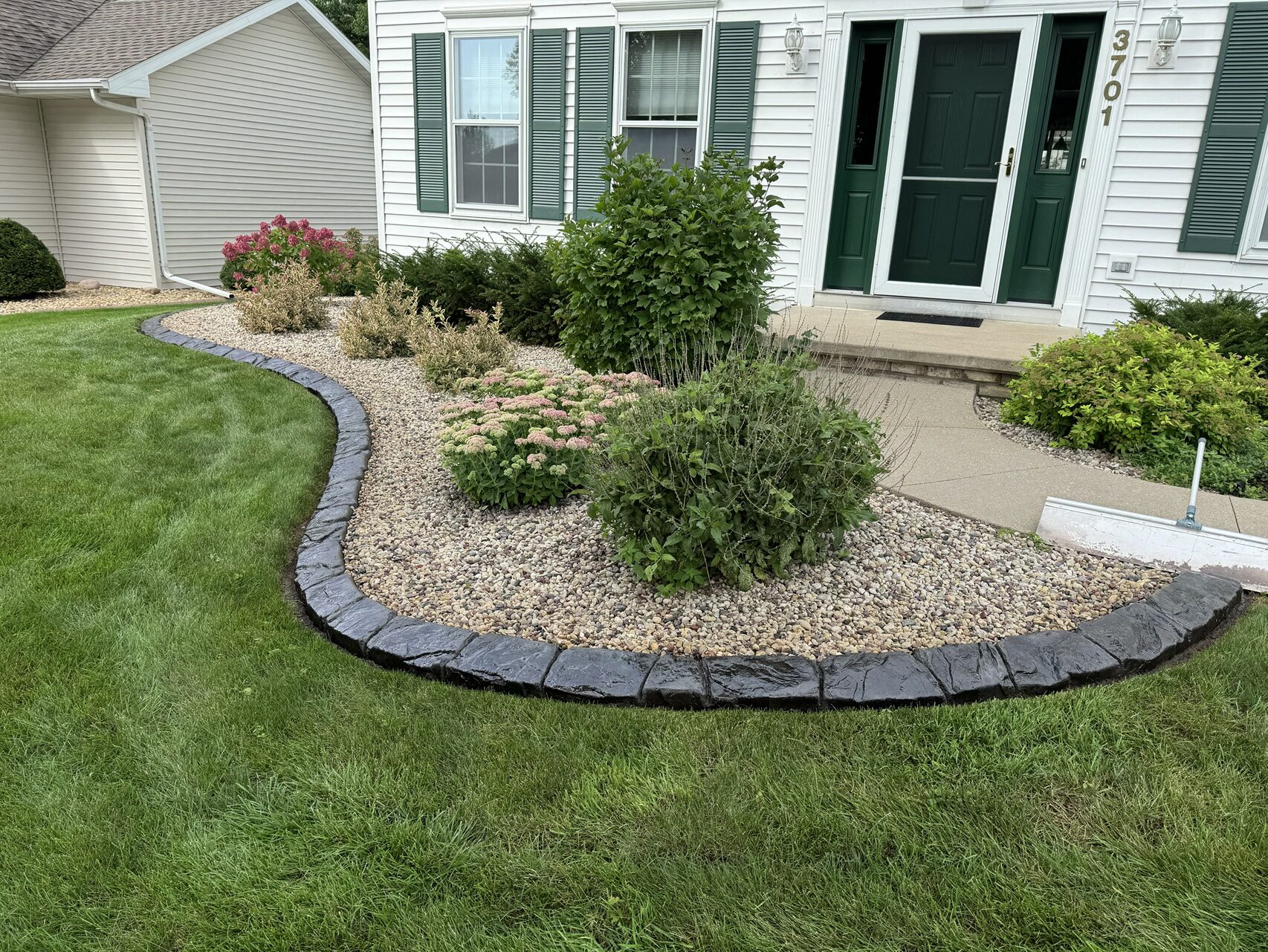
Not every style commands the same rate. Knowing the spread lets you upsell into higher-margin work.
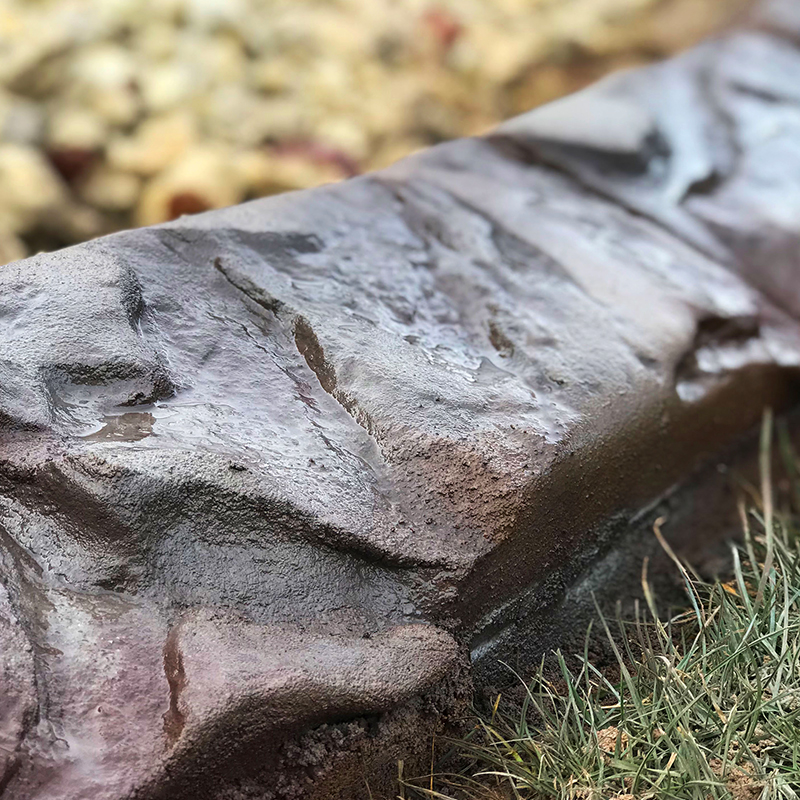
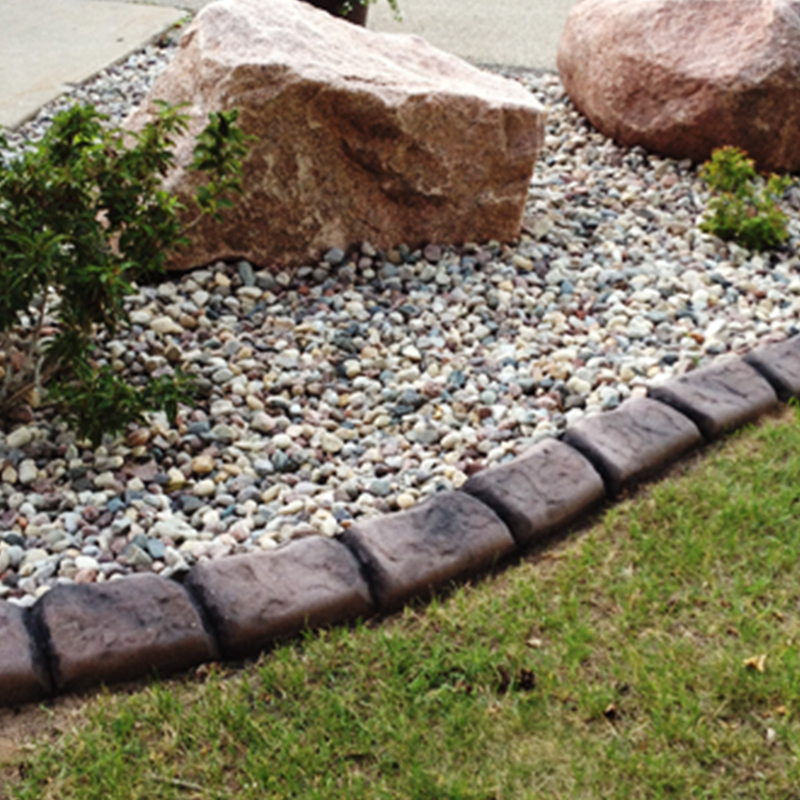
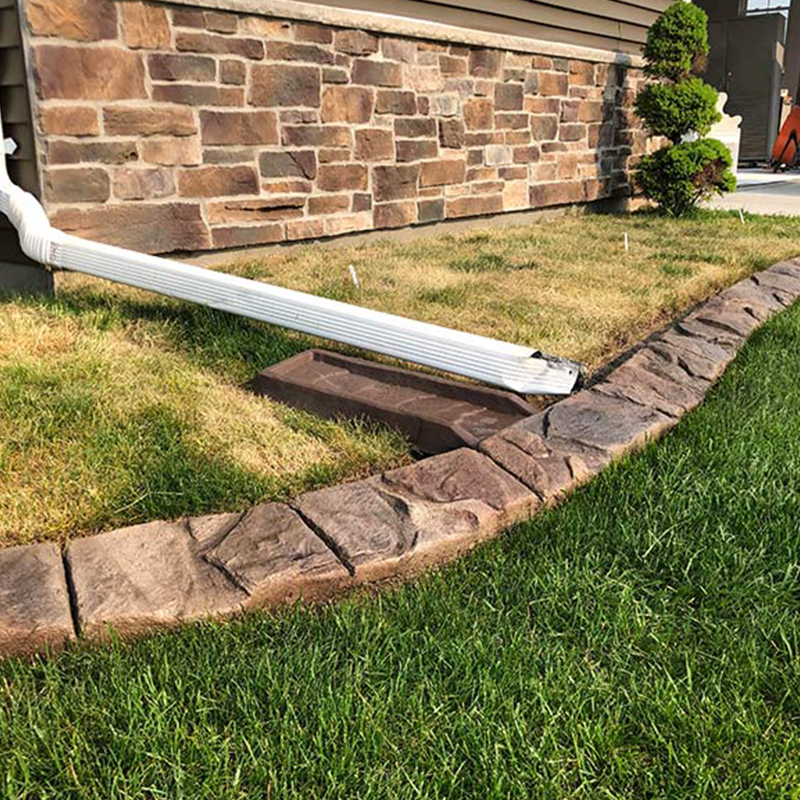
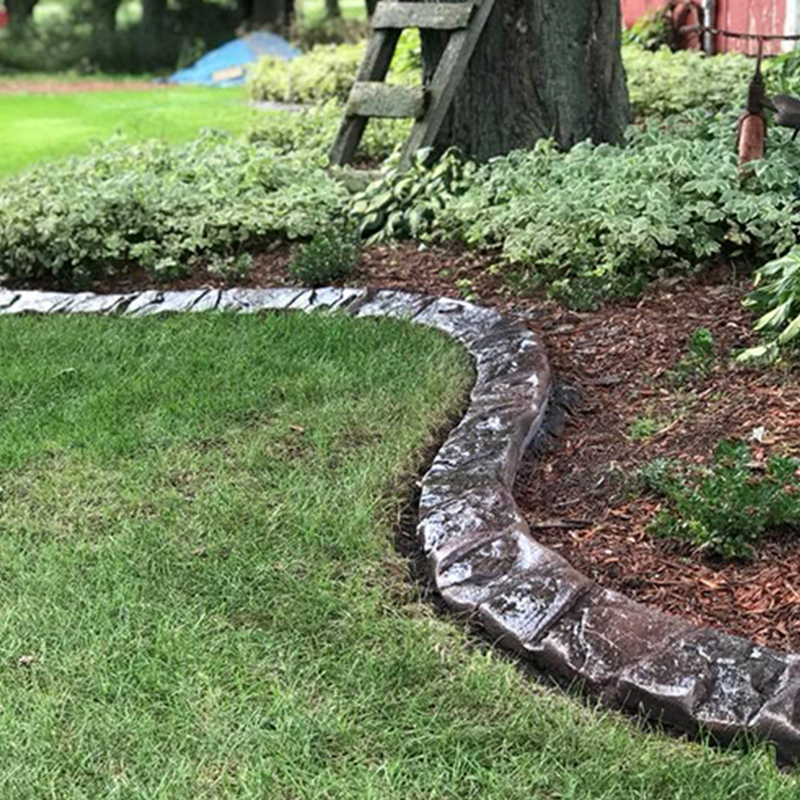
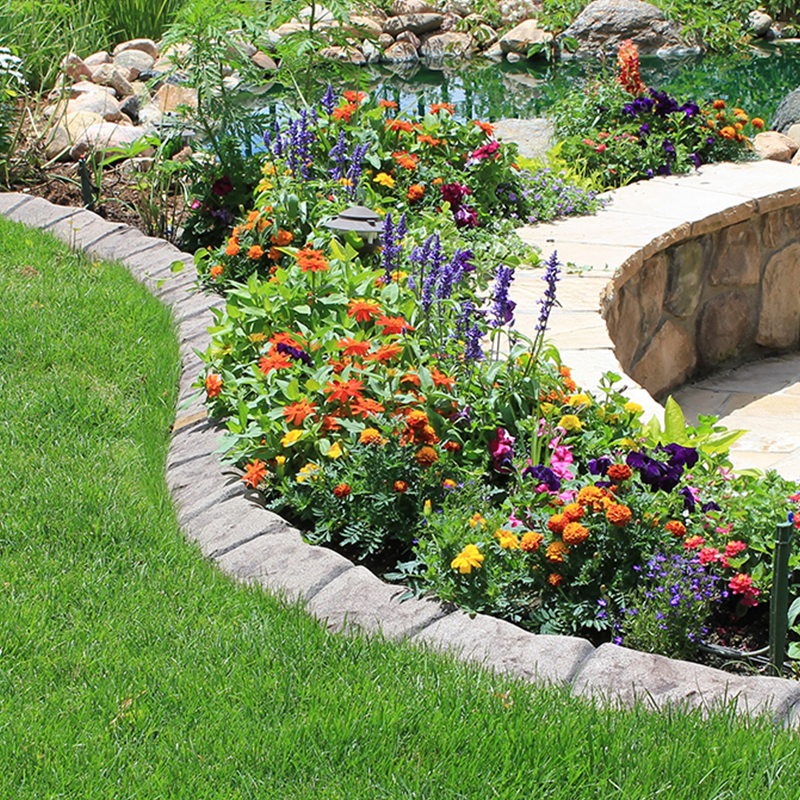
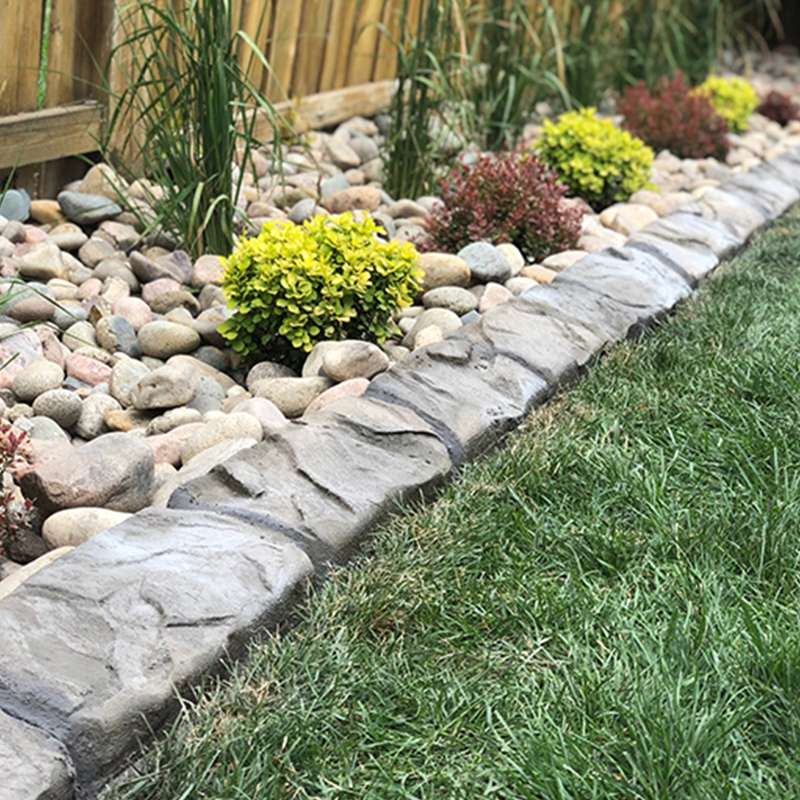
Basic styles (slant-profile, mower-edge, simple roller stamp) typically run $8 to $10 per linear foot in most U.S. markets. Natural stone curbing justifies $12 to $14 per foot. Material and labor costs are comparable, and that extra $4 to $6 per foot goes almost entirely to margin.
Factors That Adjust the Price
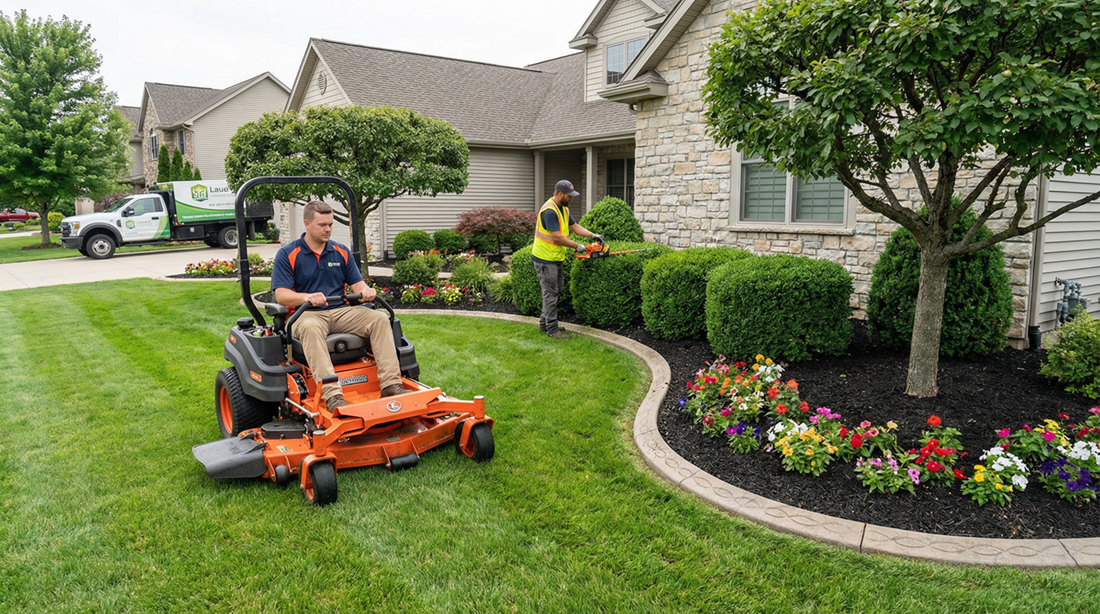
The linear foot rate is your baseline. These variables move it:
- Access difficulty: Gated yards, narrow side yards, or steep grades slow setup. A $1 to $2 per foot surcharge is reasonable.
- Ground prep: Rocky or root-heavy ground requires more time before the machine runs. Build it into the quote.
- Distance: Jobs beyond 45 minutes from your base need a travel surcharge or minimum job charge.
- Small jobs: Setup, teardown, and cleanup are fixed costs regardless of job size. Set a minimum. Most contractors use $400 to $600.
- Complexity: Tight curves, profile transitions, or heavy hand-finishing slow production. Note these during the site walk.
In northern markets like Wisconsin and Minnesota, customers ask about denser mix designs and tighter expansion joint spacing for freeze-thaw durability. It’s a legitimate upsell that adds value without adding much cost.
How To Present the Bid
A one-line quote like “200 linear ft. curbing, $2,400” doesn’t tell the customer what they’re buying. A professional bid breaks the job into components and shows the price reflects real work.
Structure every bid to include linear footage and style, ground preparation scope, color and stamp selection, sealer coat, and care sheet terms. A detailed quote wins comparisons. A vague quote looks like a vague company.
Curb Depot’s Curbing 101 training covers bid presentation in detail, including invoicing templates and care sheets you can hand to every customer after the job.
Frequently Asked Questions
What is a good profit margin for a curbing job?
A well-run curbing job should yield 50% to 60% profit margin after material and labor. On a $2,400 job with $975 in total costs, that’s roughly 59%. Curb Depot’s curbing business program uses real job data from U.S. and Canadian markets to help contractors hit this range consistently.
Should I charge a minimum for small curbing jobs?
Yes. Small jobs carry the same fixed costs (setup, mixing, travel, cleanup) compressed into fewer linear feet. Most curbing contractors set a minimum between $400 and $600. Without one, short jobs often cost more in time than they return in revenue.
How do I know if my prices are competitive in my local market?
Request a few competitor quotes in your area as a homeowner would, or ask recent customers what others charged. In most U.S. markets, curbing runs $8 to $14 per linear foot. Below that range, you’re leaving money behind. Above it, your presentation and reputation need to justify the difference.
Build the Numbers, Win the Jobs
[Image]
Pricing confidence starts with knowing your costs before you walk a job. Get those four numbers right (material cost per linear foot, labor rate, overhead, and a minimum job threshold) and every estimate you write is defensible.
Ready to build a curbing business with pricing that holds? Contact Curb Depot to talk through what the numbers look like in your market.
Earn More With Natural Stone.

Click to Register
Create beautiful curb with unique stamps.
Looking to sell your equipment?
Let us help.


Ready to Order Your New Curbing Trailer? Request More Info.
Give us a call at (920) 740-2218 or simply fill out the form below to learn more about getting all the tools and training to get started. We make the process easy to start earning money in landscape curbing.