When comparing a curbing franchise vs independent business, the core trade-off is structure versus ownership. Franchises offer brand recognition and a ready-made system but charge ongoing royalties and restrict your territory. Going independent means building your own operation and keeping everything you earn. Curb Depot has helped over 500 entrepreneurs launch curbing businesses without franchise fees or royalties.
Here’s something most people researching the curbing industry get wrong: they assume the franchise route is safer because it comes with more support. That’s not always how it plays out. In practice, “support” and “ongoing cost” are often the same line item. The royalty payments that fund that support come out of your revenue whether the phone is ringing or not. Understanding exactly what you’re buying with a franchise fee (and what you’re not) changes the whole comparison.
What a Curbing Franchise Actually Costs You
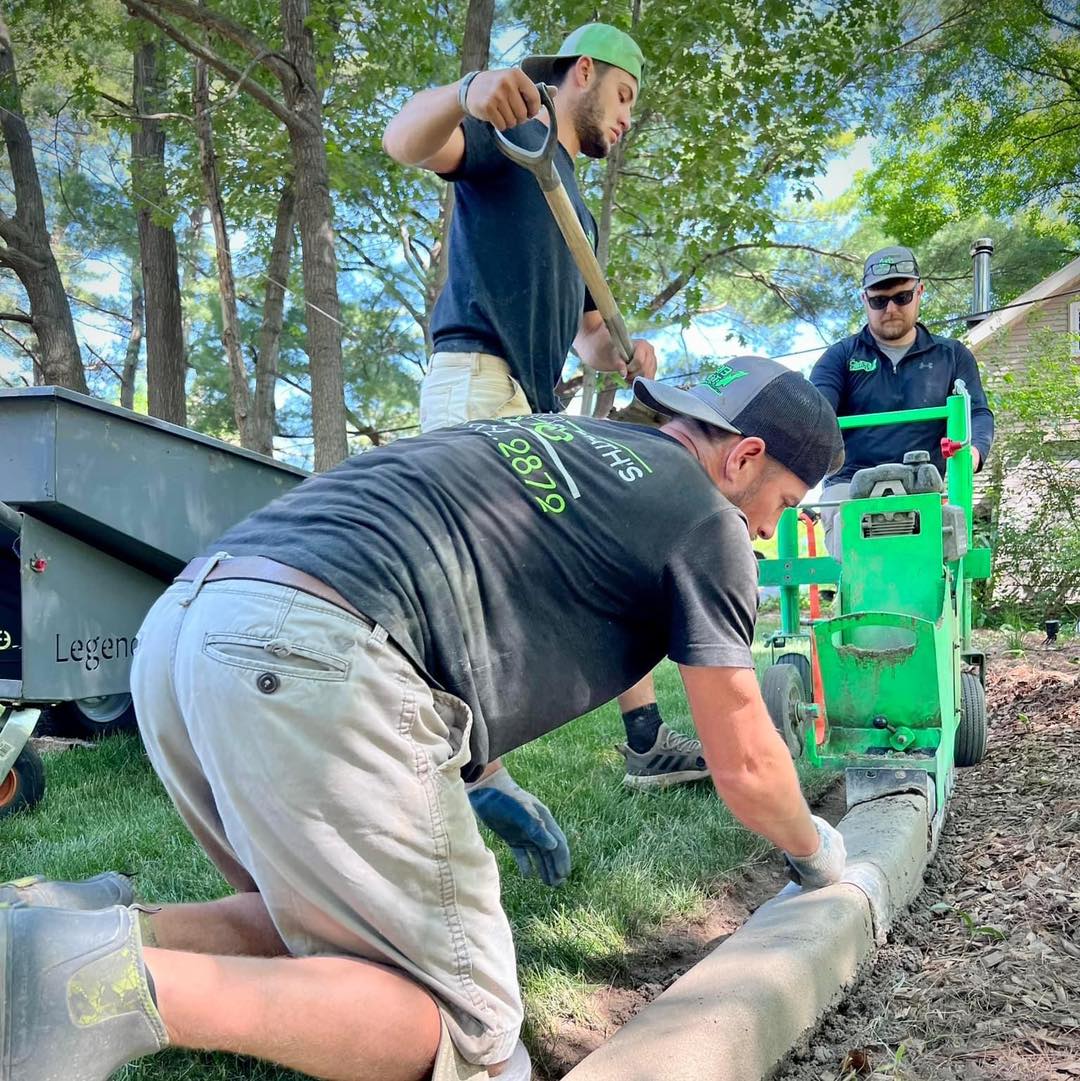
Franchises offer real advantages. You get a recognizable brand, documented systems, and sometimes marketing resources you don’t have to build yourself. For people who have never run a business, that structure has genuine value.
The trade-offs, though, are baked permanently into the model:
- Ongoing royalties can run 6 to 10% of gross revenue, which comes off the top before your labor and material costs
- Territory restrictions cap your growth; you can only work in your assigned area
- Equipment mandates mean you use the franchisor’s approved suppliers, often at higher cost
- Any exit or resale of the business is governed by the franchisor’s terms
On a job that generates $2,400 in revenue, a 7% royalty is $168—and that’s before you’ve bought a bag of sand. Multiply that across 100 jobs a year and you’ve paid roughly $16,800 for the brand. That math is worth running before you sign anything.
For context on what the independent side looks like, our profitability and market analysis lays out what entrepreneurs get without the royalty structure.
What Going Independent Actually Requires

The independent path eliminates royalties and territory restrictions entirely. You set your own prices, work any market you choose, and keep what you earn. But there’s no playbook handed to you on day one. That’s where the honest tradeoff sits, and it’s worth understanding before you commit to either direction.
Making decisions about equipment, training, marketing, pricing, and business systems without a franchise reference is manageable with the right foundation. For some people, building that foundation from scratch is energizing. For others, it’s the thing that stalls them before they complete a single job.
The real risk isn’t the lack of a brand name. It’s starting with the wrong equipment or no working knowledge of how to run a profitable curbing job. Those are fixable problems if you invest in the right curbing business training and purpose-built equipment upfront. They’re expensive problems if you skip those steps early.
The Third Option: Independent With Built-In Support
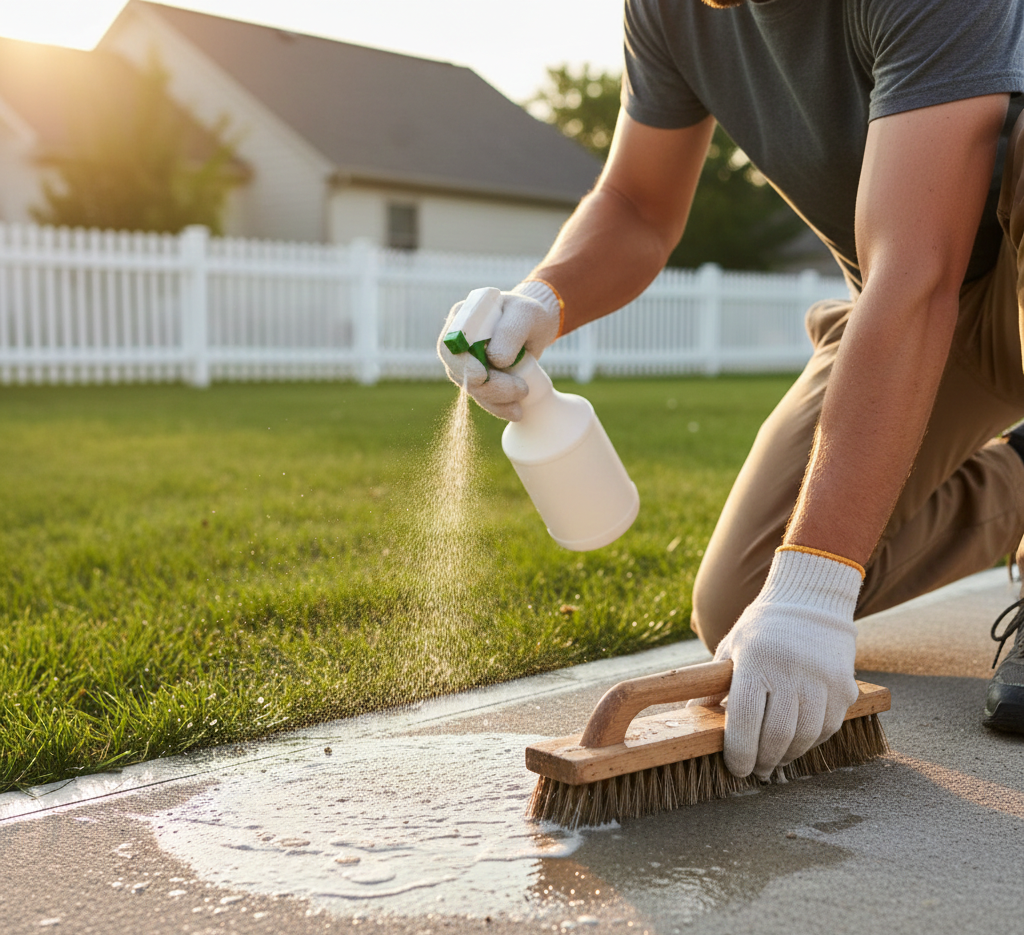
Curb Depot is built specifically for the gap between those two paths. You own your business outright: no royalties, no territory limits, no franchisor approval needed to expand or sell. But you’re not building from nothing.
Curb Depot packages cover equipment, training, consumables, and ongoing support. The Harpten curbing machine, designed and manufactured by Curb Depot, is engineered specifically for extruded landscape curbing work—not a generic machine adapted for the job. Curbing business packages start at $14,000 for a basic setup and scale to a full turnkey trailer operation for contractors ready to work full-time from day one.
Training covers installation technique, ground prep, concrete mixing, pricing, estimating, and marketing. It’s the same curriculum taught to the 500+ business owners Curb Depot has helped launch across North America, including active curbers in markets from Wisconsin to British Columbia.
How To Decide Which Path Is Right for You
The franchise vs. independent decision comes down to what you’re actually paying for. If you need a brand name that homeowners already recognize and you’re willing to pay a percentage of every job indefinitely for that recognition, a franchise has a case. If you’d rather put that money into equipment and training you own permanently, the independent path—with the right support behind it—is worth a hard look.
Here’s a quick framework to guide you:
- If ongoing royalties feel manageable and brand recognition matters in your market: franchise may fit
- If keeping full margin and owning your operation outright is the priority: independent is the stronger path
- If you want real support without the royalty model: that’s what Curb Depot is built for
Frequently Asked Questions
How much does a curbing franchise cost to start?
Curbing franchise entry costs typically range from $20,000 to $50,000 upfront, plus ongoing royalties of 6 to 10% of gross revenue. That royalty runs indefinitely, regardless of how the business performs. An independent curbing business with equipment and training can be started for a comparable or lower total investment with no royalty obligation attached.
Can you make good money in a curbing business without a franchise?
Yes. Independent curbing contractors keep 100% of their margin on every job. On a typical 200-linear-foot job priced at $12 per foot, a curbing business can net over $1,400 after labor and materials. Without royalties pulling 6% to 10% off the top of gross revenue, independent operators often keep more per job than franchise owners running the same work.
What ongoing support does Curb Depot provide after purchase?
Curb Depot provides ongoing support to business owners after purchase, including access to training resources, equipment parts, consumables, and direct access to the Curb Depot team. Unlike a franchise, that support isn’t tied to a monthly royalty fee. Reach out to Curb Depot directly to ask about what’s included before investing in any equipment or training.
Making the Right Call for Your Business
The curbing franchise vs. independent debate has a clear answer for most people who run the numbers honestly: independent ownership with the right equipment and training produces better long-term margins and more flexibility than paying royalties on every job for the life of your business. The question isn’t really franchise vs. independent. It’s whether you have the right foundation to go independent successfully. That’s exactly what Curb Depot provides.
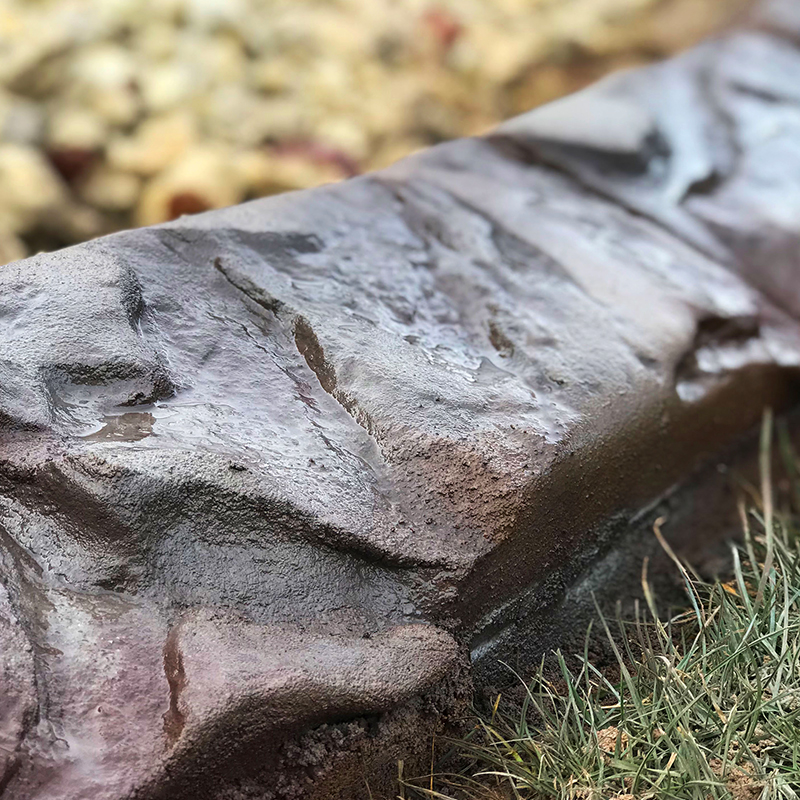
Earn More With Natural Stone.

Click to Register

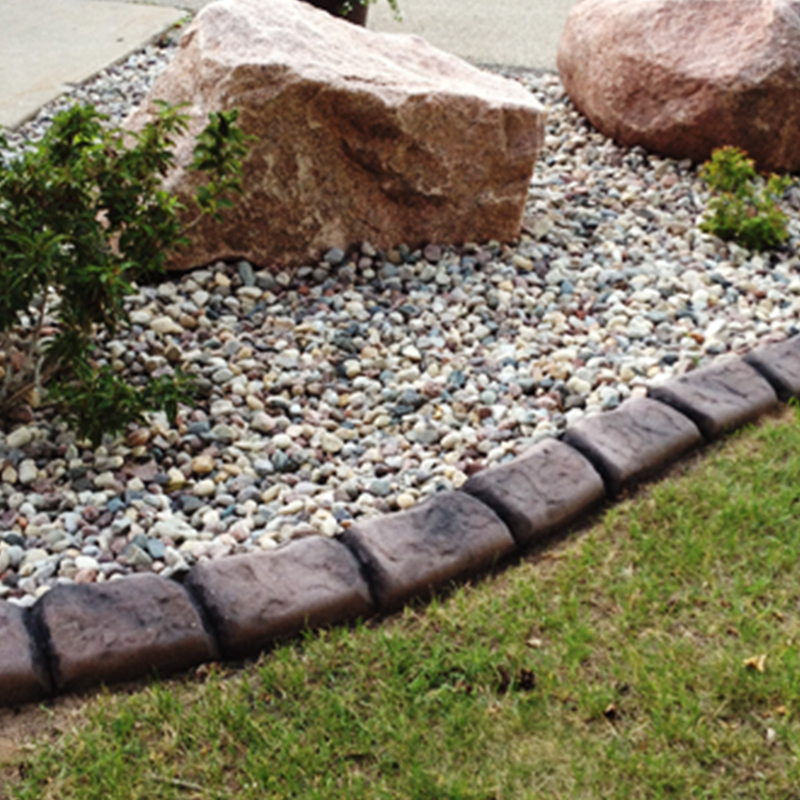
Create beautiful curb with unique stamps.
Looking to sell your equipment?
Let us help.



Ready to Order Your New Curbing Trailer? Request More Info.
Give us a call at (920) 740-2218 or simply fill out the form below to learn more about getting all the tools and training to get started. We make the process easy to start earning money in landscape curbing.