The color of your landscape curbing is arguably the most impactful design decision you will make. It dictates whether the curb will serve as a subtle, natural border or a bold, defining feature. With modern concrete technology, the days of being limited to dull gray are long gone. Today, a spectrum of beautiful, durable colors is available, allowing homeowners and designers to achieve perfect aesthetic harmony with their existing hardscapes, architecture, and plant life.
Choosing the right color is a nuanced process that involves understanding the different coloring methods and how they interact with the environment. Curb Depot understands that color is critical to the final product, which is why we offer guidance on the best materials to ensure your chosen hue lasts for years.
The Science of Concrete Color: Integral vs. Topical
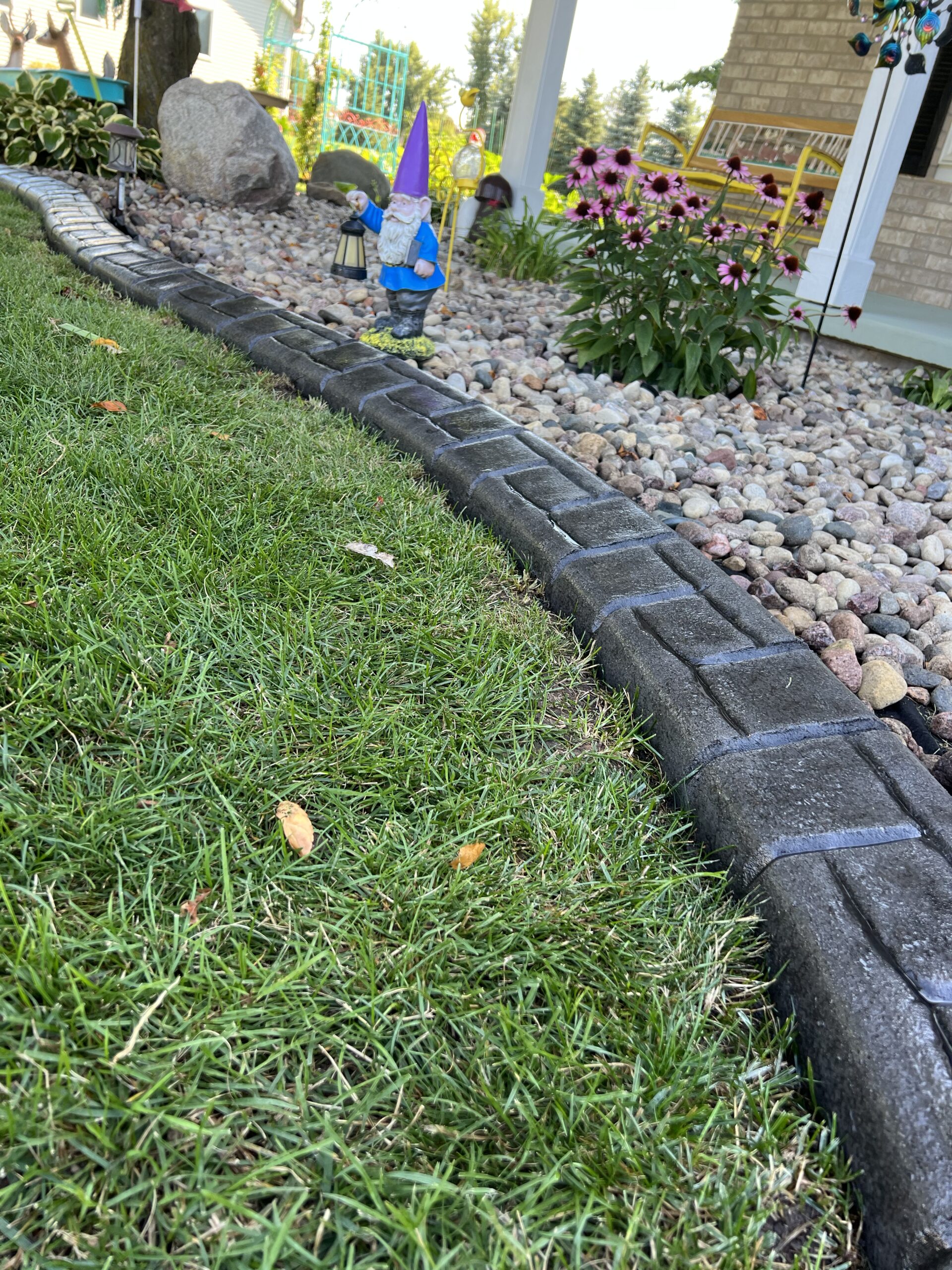
There are two primary methods for introducing color to concrete curbing, each with distinct advantages.
Integral Color: Color Through and Through
Integral color involves adding dry or liquid pigment directly into the concrete mix before extrusion. This method colors the entire concrete mass, so the color will not chip, flake, or wear away over time. It is the most durable and long-lasting color solution.
Topical Stains and Dyes
Topical applications, such as acid or water-based stains, are applied after the concrete has cured. These are excellent for existing, uncolored curbing or for creating unique, mottled, or layered effects. They penetrate the surface but do not color the entire mass.
Earth Tones and Naturals: Blending With the Landscape
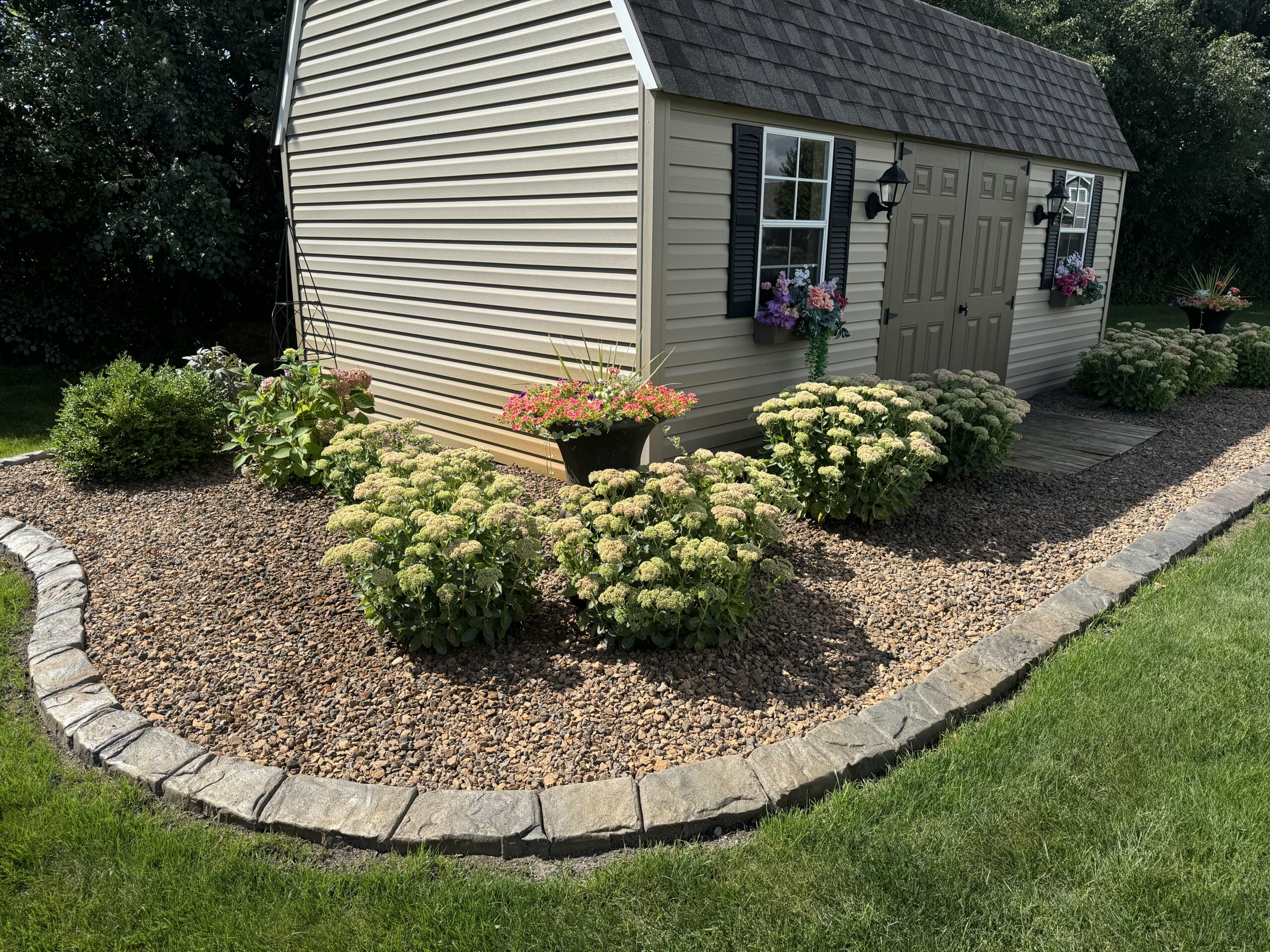
The majority of property owners opt for shades that mimic natural stone and soil, creating a seamless transition between the lawn, garden, and hardscape.
The Gray and Charcoal Family
- Classic Gray: The natural color of concrete, often used as a base.
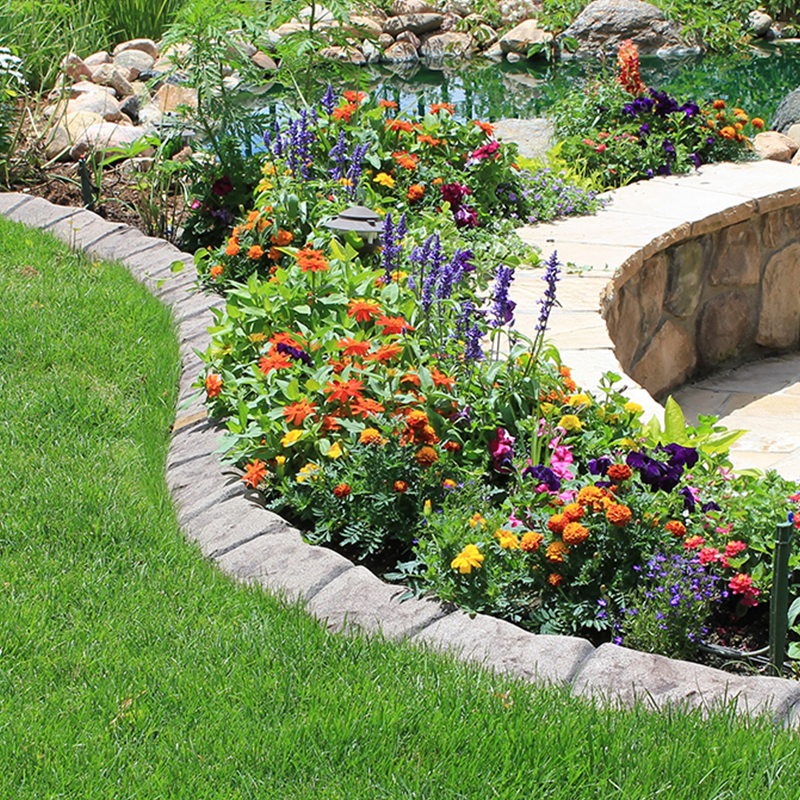
- Light Gray/Silver Smoke: A softer, cooler tone that pairs well with modern architecture.
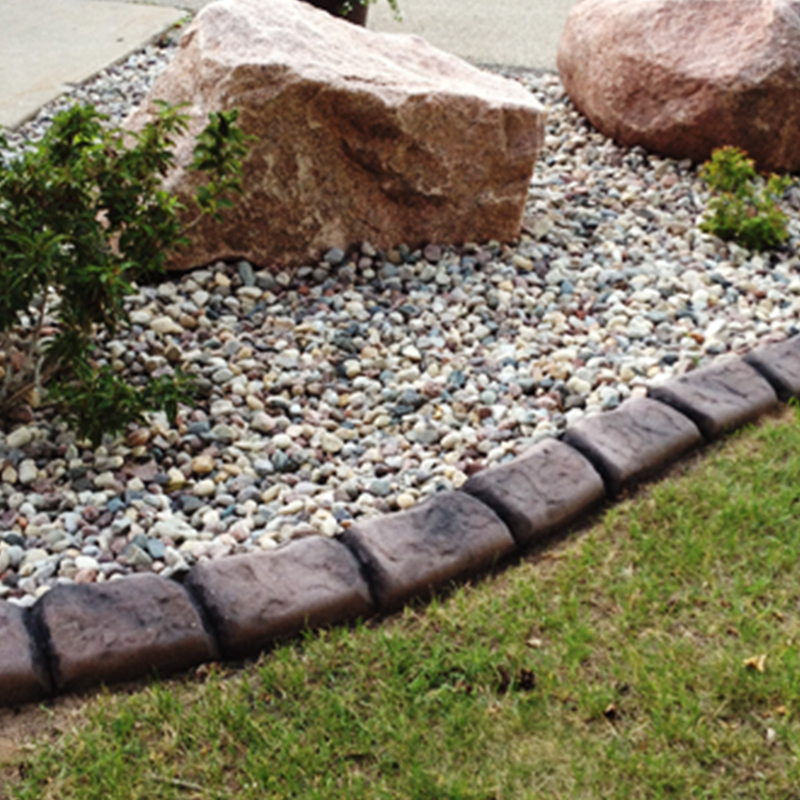
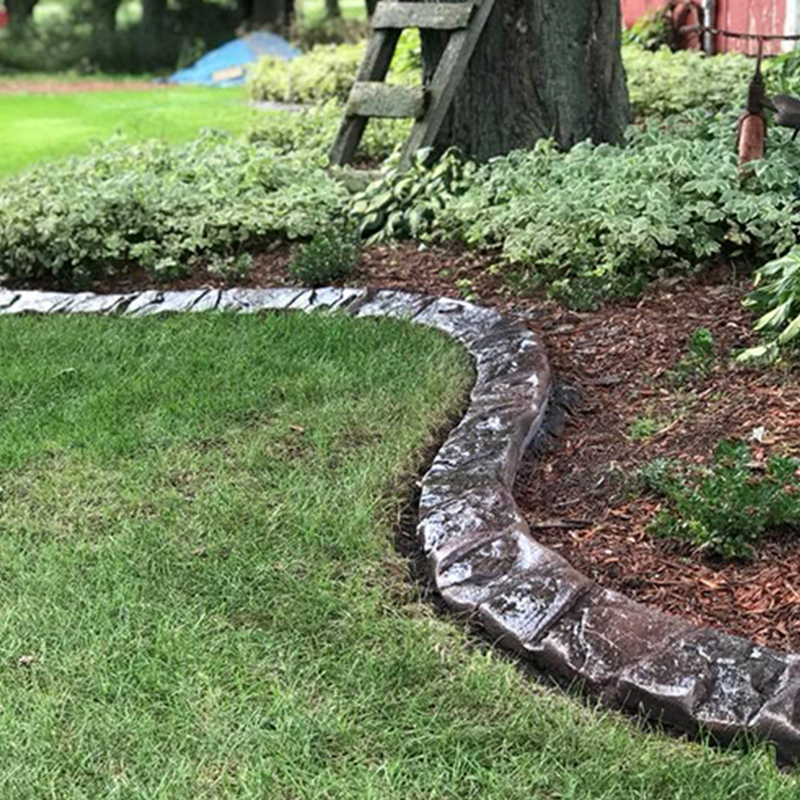
- Charcoal/Slate: A deep, rich gray that provides excellent contrast against green lawns.
- Pewter: A mid-tone gray with subtle blue undertones.
- Dark Gray: A near-black shade that makes surrounding colors pop.
The Sand and Tan Family
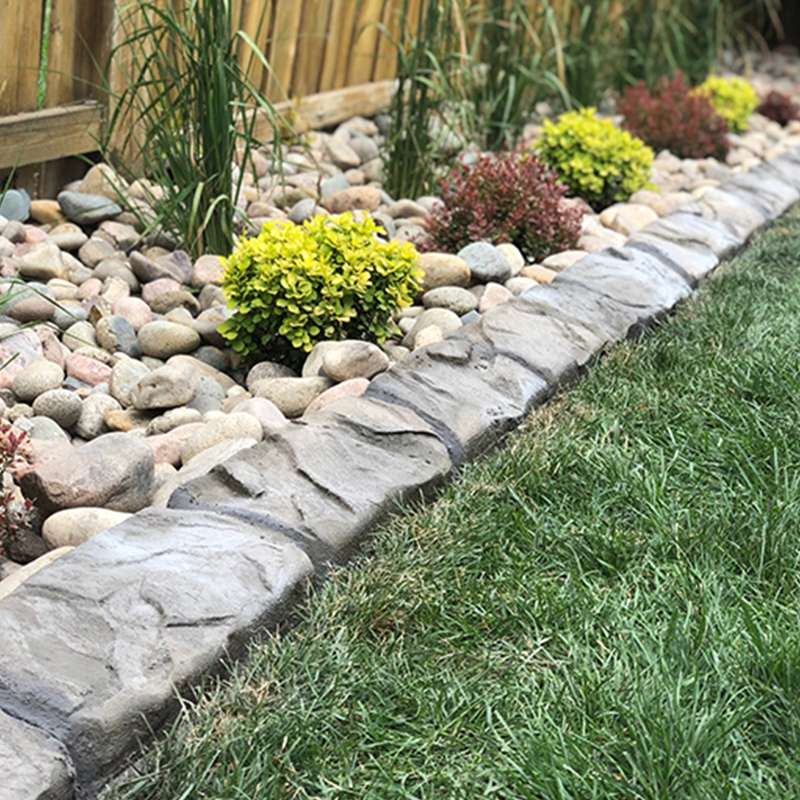
- Sandstone: A warm, light tan that blends beautifully with desert landscapes and light-colored stucco homes.
- Dune/Buff: A neutral, creamy beige that is highly versatile.
- Canyon: A deeper, richer tan with hints of red, often used to mimic natural rock formations.
- Pebble: A light, speckled tan that works well with aggregate finishes.
- Adobe: A warm, earthy brown-red, perfect for Southwestern styles.
Bold and Rich Colors: Making a Statement
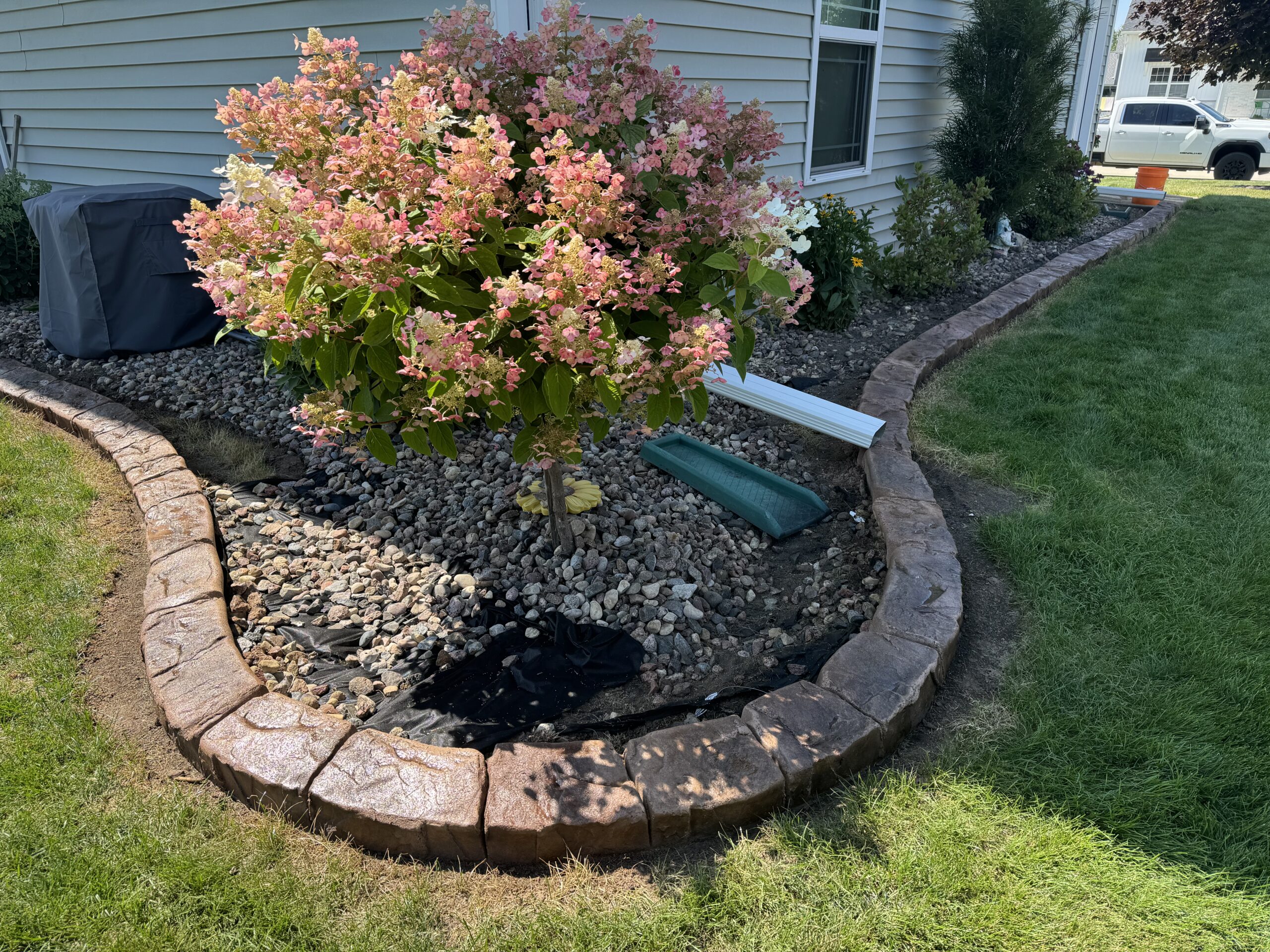
For properties with specific design themes or existing brickwork, richer colors can create a cohesive and striking look.
The Red and Brown Family
- Terracotta: A classic reddish-brown that perfectly complements brick homes and Mediterranean styles.
- Brick Red: A vibrant, true red that mimics the color of new pavers.
- Dark Brown/Mahogany: A deep, wood-like color, ideal for enhancing wood-grain stamped patterns.
- Outback: A rustic, deep brown with a slight reddish cast.
- Cocoa: A rich, dark chocolate brown.
Enhancing Color With Admixtures
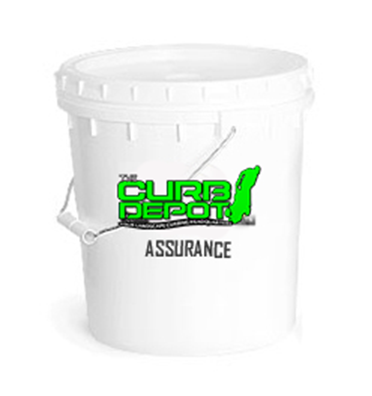
Beyond the pigment itself, the quality of the concrete mix plays a crucial role in the final color’s appearance and longevity. High-performance admixtures are vital for professional results.
Products like Assurance Admixture are often added to the mix. This admixture not only improves concrete’s workability and strength but also helps reduce efflorescence, the white, powdery residue that can form on concrete surfaces and dull its color. By controlling moisture and improving density, the admixture ensures the color remains vibrant and true.
Tips for Choosing the Perfect Curbing Color
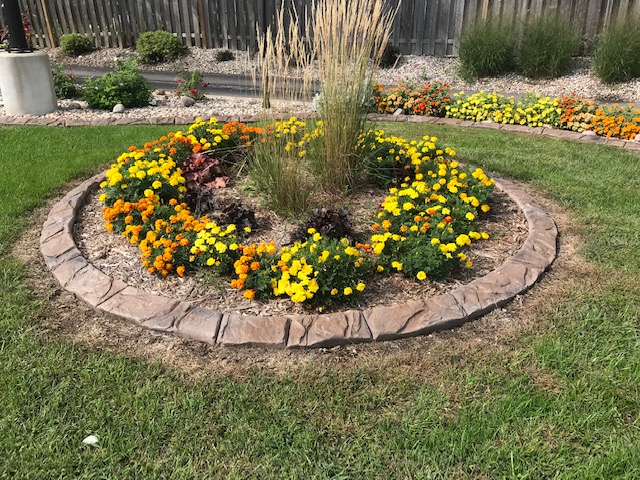
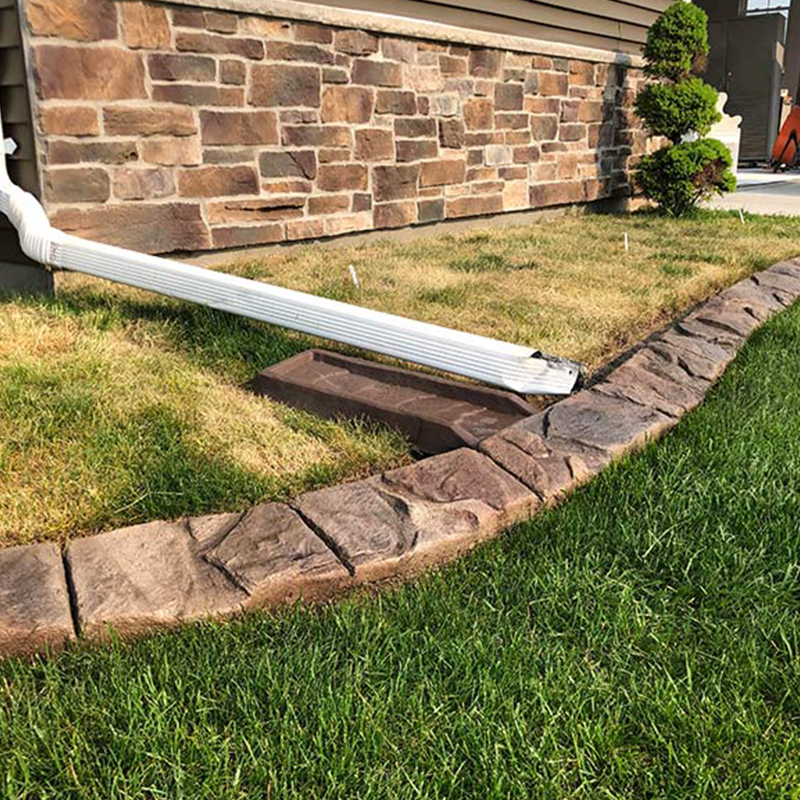
- Match the Hardscape: Select a color that is a shade lighter or darker than the home’s trim, patio, or walkway to create contrast without clashing.
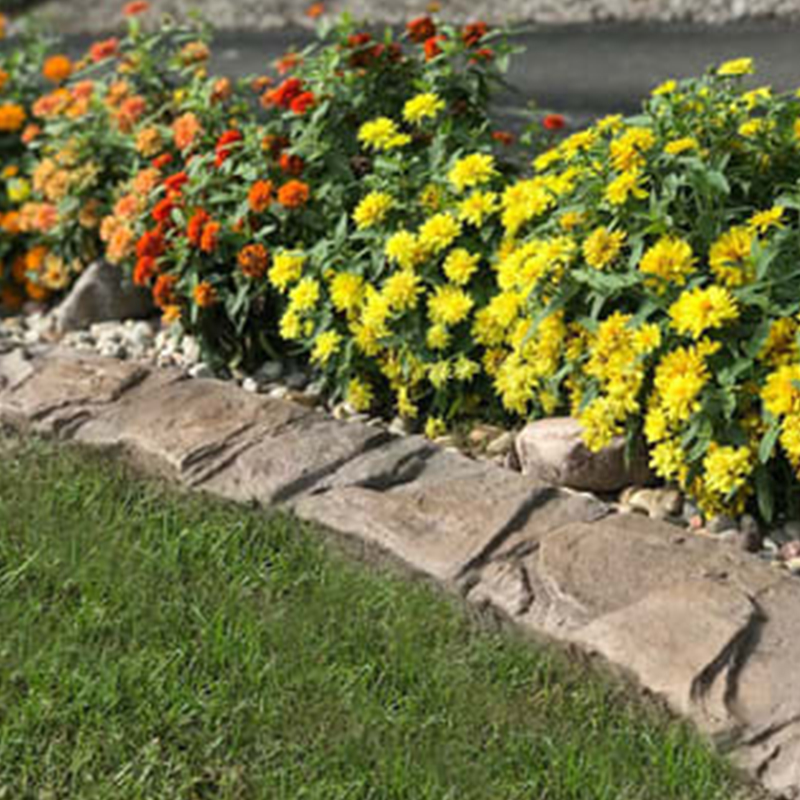
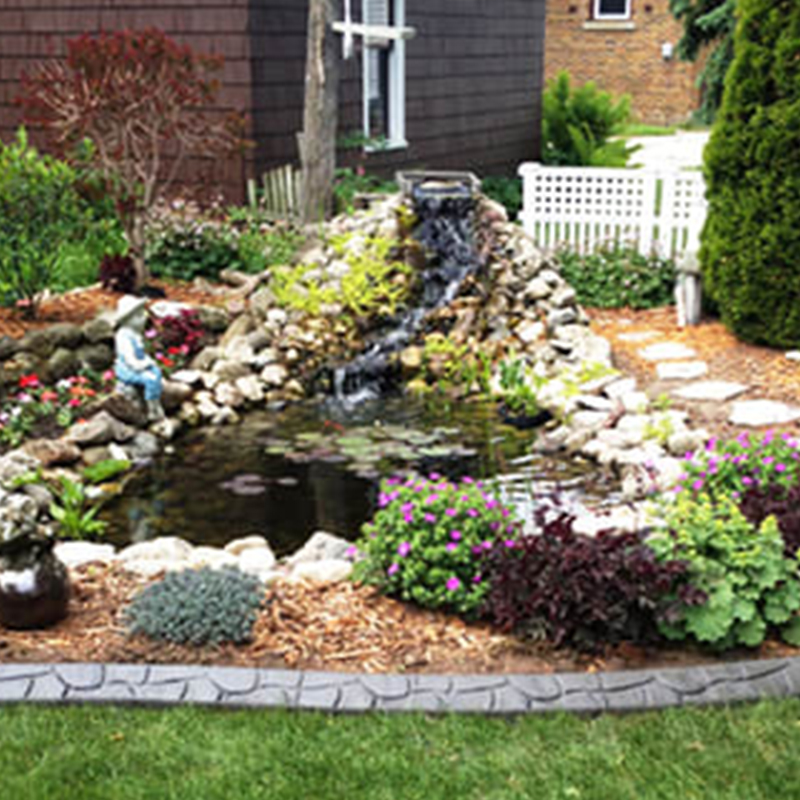
- Consider the Mulch: If the curb borders a garden bed, choose a color that complements the mulch (e.g., a dark charcoal for red mulch, or sandstone for light wood chips).
- Test in Sunlight: Concrete color can look drastically different when wet, dry, or under direct sunlight. Always test a small sample on-site.
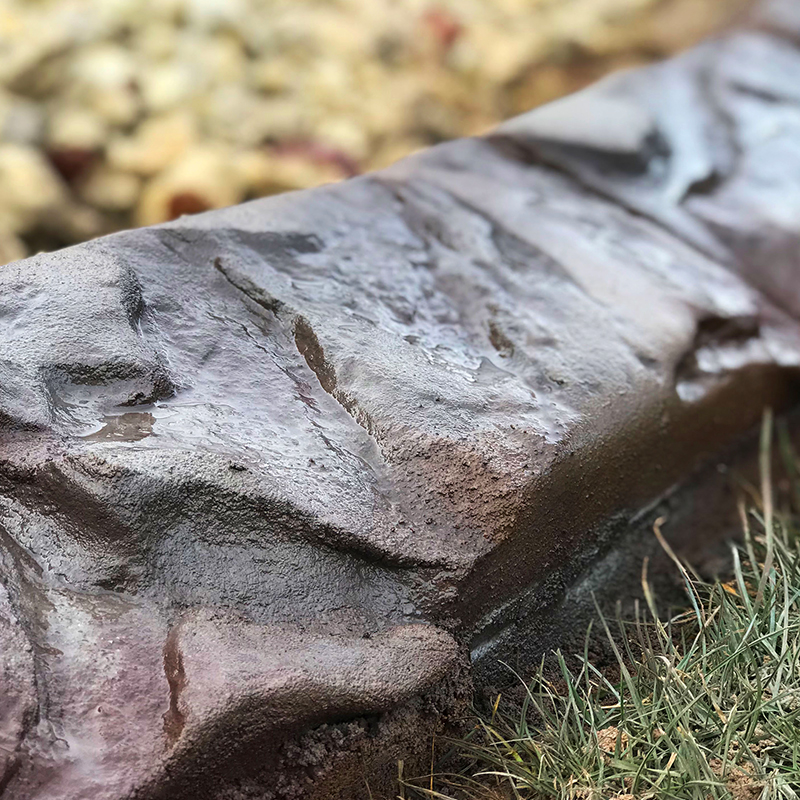
- Enhance Stamping: Darker colors tend to make the texture of stamped patterns, such as fractured limestone, more pronounced by creating shadows in the grooves.
Curb Depot: Unlock Better Color, Better Mixes, Better Curbing
The final color of your curbing is a testament to the quality of the materials and the skill of the installation. Achieving a vibrant, long-lasting color requires more than just pigment; it demands a high-quality mix and professional-grade equipment. Curb Depot provides the industry’s best integral color options, admixtures, and the Harpten Curbing Machine to ensure that every project you undertake is a colorful success. To explore our full range of color options and professional supplies, contact the Curb Depot team today.
Earn More With Natural Stone.

Click to Register
Create beautiful curb with unique stamps.
Looking to sell your equipment?
Let us help.



Ready to Order Your New Curbing Trailer? Request More Info.
Give us a call at (920) 740-2218 or simply fill out the form below to learn more about getting all the tools and training to get started. We make the process easy to start earning money in landscape curbing.