The best landscape edging for mulch is a continuous, gap-free physical barrier between mulched beds and the lawn. Plastic and rubber edging work in mild climates; metal edging holds a cleaner line; brick and stone look sharp but leave gaps. Poured concrete curbing is the most durable option for sealing the border long-term. Curb Depot’s equipment and training let contractors offer that permanent solution to every frustrated homeowner in their market.
Your best residential leads have something in common: they’ve already tried fixing their mulch problem themselves. They bought plastic strips from the hardware store, hammered in some stakes, and watched the whole thing fail within a season or two. By the time they search for a professional curbing contractor, they’ve spent money on solutions that didn’t last and they’re ready to pay for one that will. Understanding what they’ve already tried and why it failed makes you a sharper salesperson and a more credible expert on the job.
Here are the five edging options your prospects have likely tried, ranked from cheapest to most effective, so you can speak to each one with authority.
1. Plastic Edging
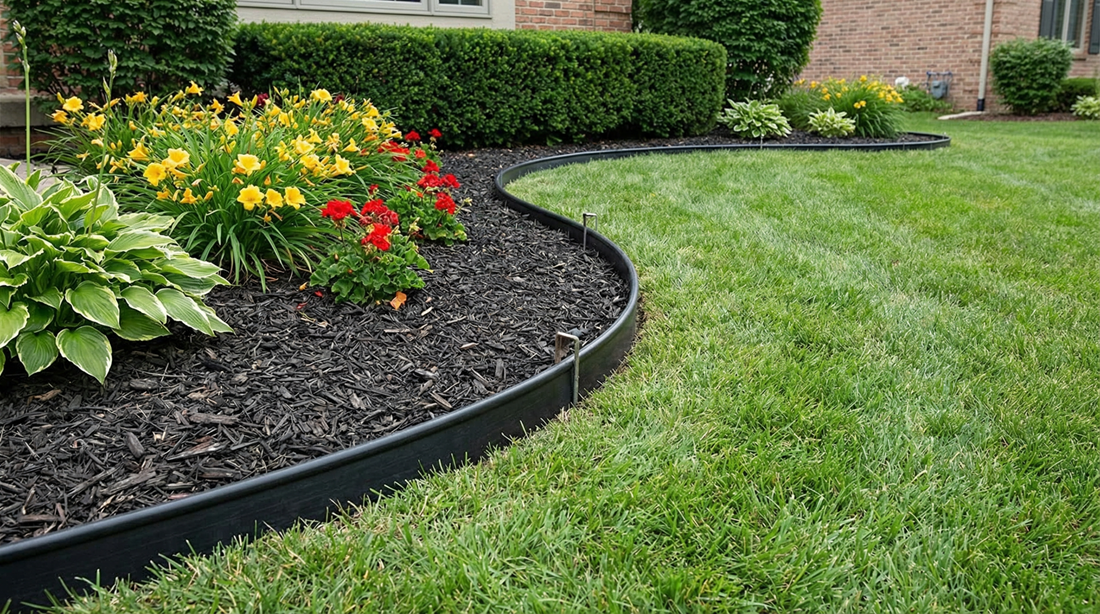
Plastic garden edging is the first thing most homeowners grab off the shelf. It’s cheap, it’s available everywhere, and it looks like it should work. For your business, that’s actually good news because it almost always fails, and that failure is what drives the phone call to you.
Plastic is vulnerable to freeze-thaw cycles. Soil expands when it freezes, then contracts when it thaws, and that repeated movement pushes plastic strips right out of the ground. In USDA zones 6 and colder, heaving is practically guaranteed within one or two winters. Even in milder climates, UV degradation makes the material brittle over time. The homeowner ends up with gaps at the soil line, mulch on their lawn, and a growing suspicion that the DIY approach was a mistake.
When a prospect mentions they’ve “already tried edging,” this is almost always what they mean. Acknowledge it, explain why it failed, and you’ve already built trust before you quote the job.
2. Rubber Edging
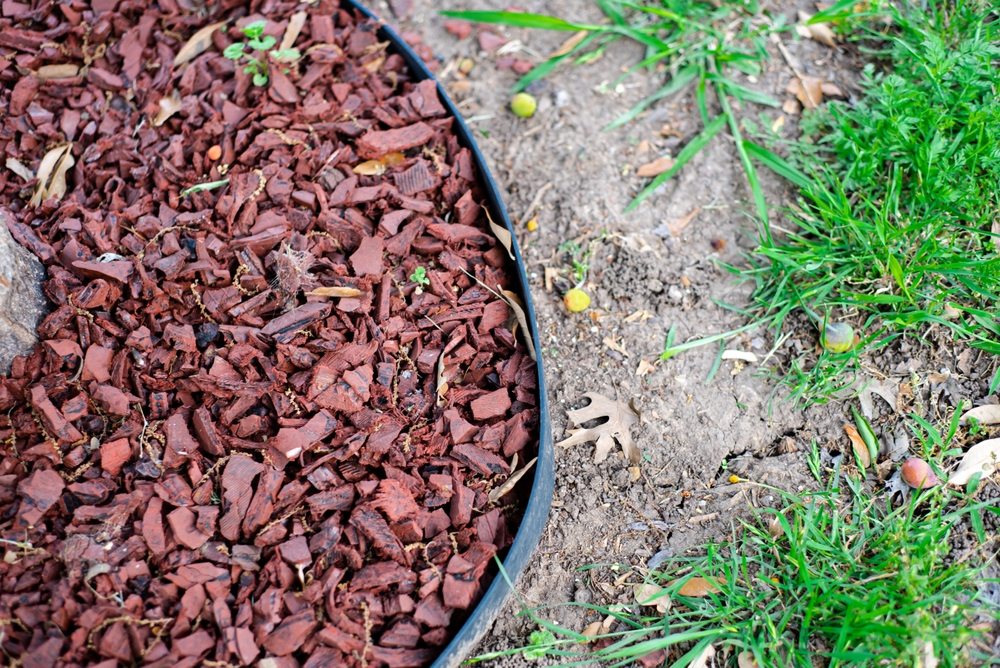
Rubber edging is the upgrade homeowners find after plastic disappoints them. It flexes instead of cracking, handles freeze-thaw movement better, and stays seated longer. It costs a bit more but still falls squarely in DIY territory.
The failure timeline is slower but just as certain. UV exposure and temperature cycling make rubber brittle over several years. It cracks, gaps open, and mulch escapes again. Homeowners who installed rubber edging often feel like they already spent “good money” on the problem, which makes them more receptive to a permanent fix, not less.
From a sales perspective, these are warmer leads than the plastic crowd. They’ve already proven they’re willing to spend more for a better result. Your job is to show them there’s one more step up that actually lasts.
3. Metal Edging (Steel or Aluminum)
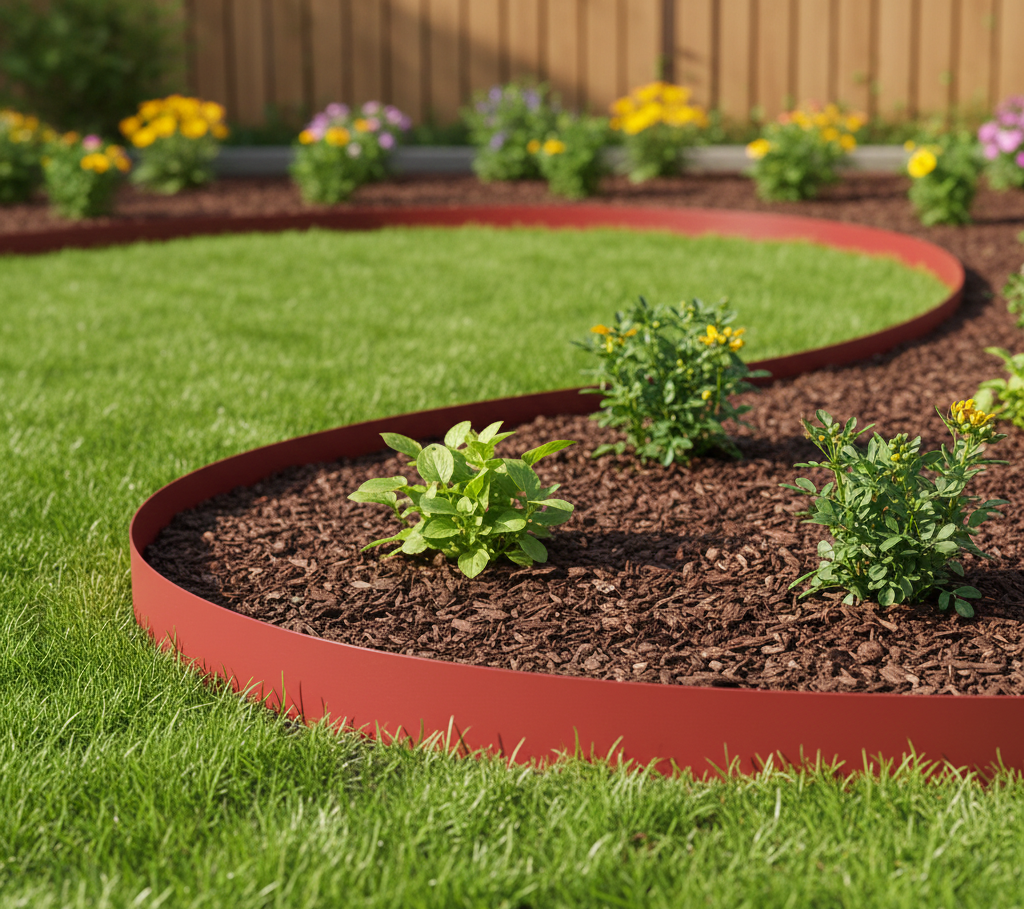
Metal edging is the first option on this list that functions as real containment. Steel strips driven into the ground with stakes create a firm, flush barrier that doesn’t shift the way lighter materials do. Aluminum resists corrosion better in wet climates. Both create a clean visual line between bed and lawn.
For contractors, metal edging is your most credible competitor. It works reasonably well, it looks professional, and it doesn’t fail as dramatically as plastic or rubber. The weakness is labor and longevity. Steel rusts without protective coating, aluminum bends, and neither option is truly permanent. Compared to brick edging alternatives, metal wins on containment but still can’t match a continuous pour.
When you’re quoting against a homeowner who’s considering metal edging, focus on the long game: your concrete curbing can outlast metal by decades and eliminates the maintenance cycle entirely.
4. Brick or Stone Edging
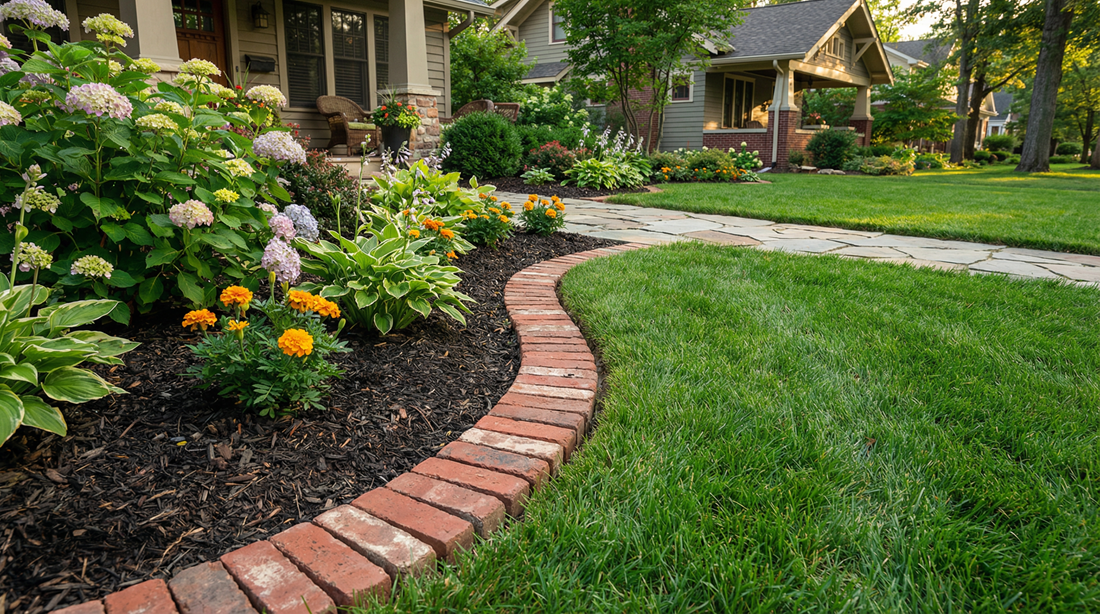
Brick and stone edging appeals to homeowners who care about aesthetics first. It photographs well, suits traditional home exteriors, and has real visual weight. Homeowners tend to love how it looks—right up until the mulch starts leaking through the seams.
The containment problem is structural. Individual pieces mean individual gaps, and those gaps widen with every frost cycle. Maintaining brick edging means resetting pieces each spring, repacking the base, and rechecking after hard rains. Most homeowners don’t sign up for that level of ongoing work.
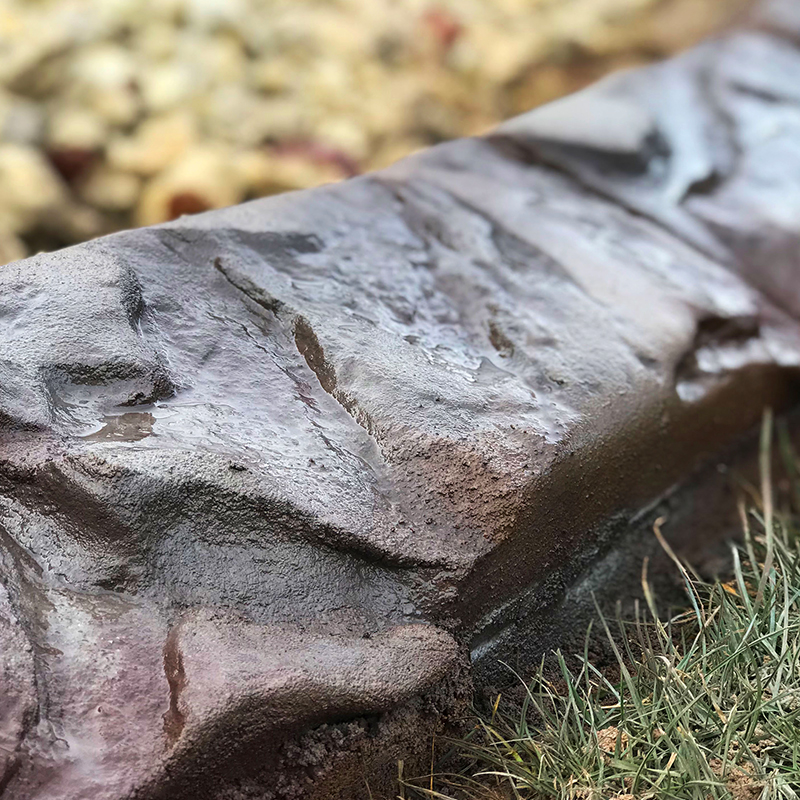
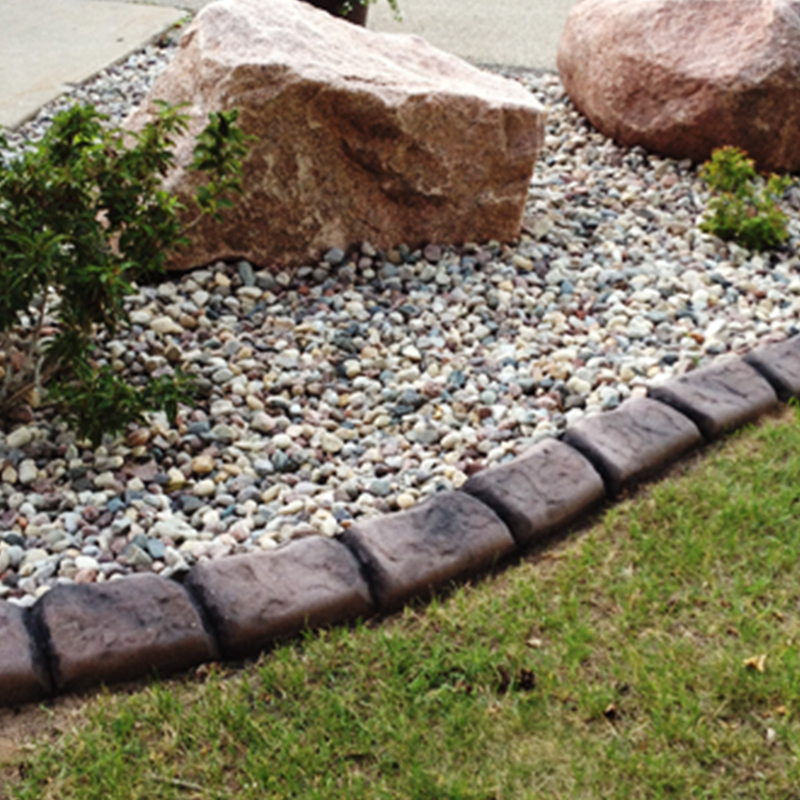
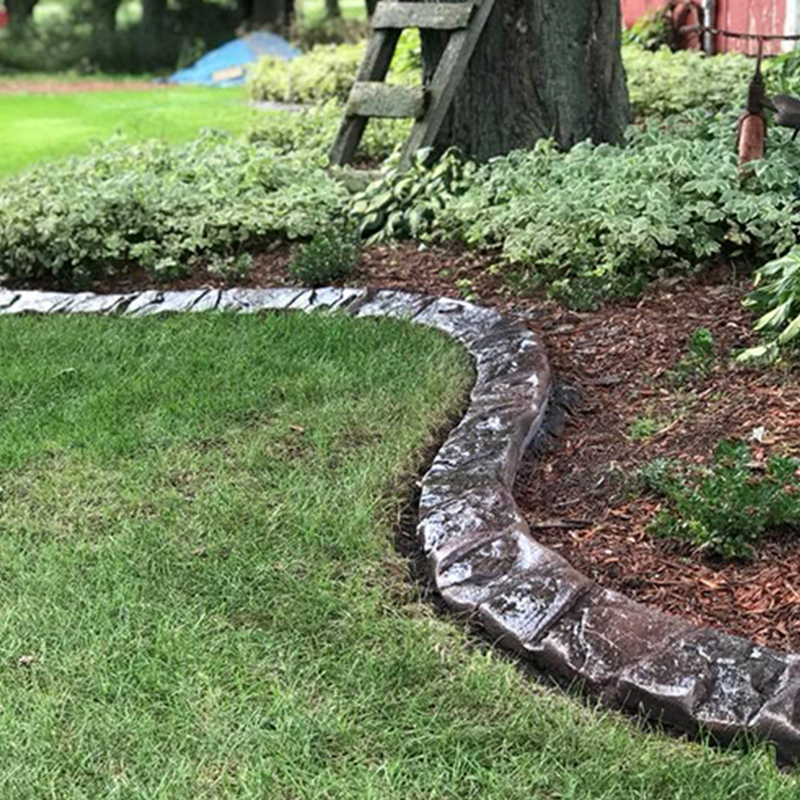
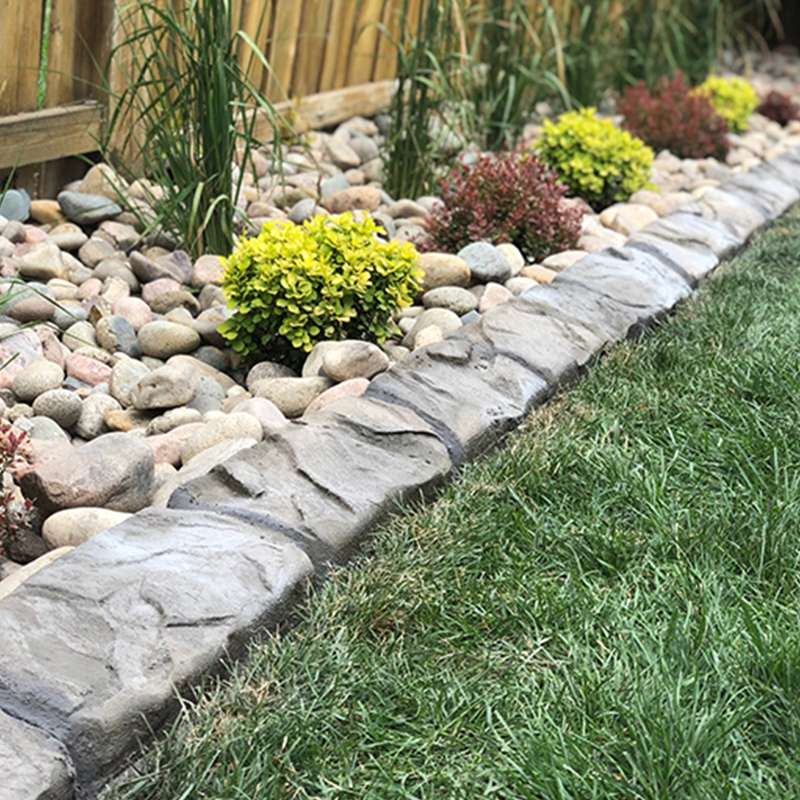
This is a strong selling point for your curbing business. Concrete curbing can be stamped and colored to mimic the stone aesthetic your customer wants, but without the seams that make stone edging fail as a mulch barrier. You’re offering the look they love with the performance they need.
5. Concrete Curbing

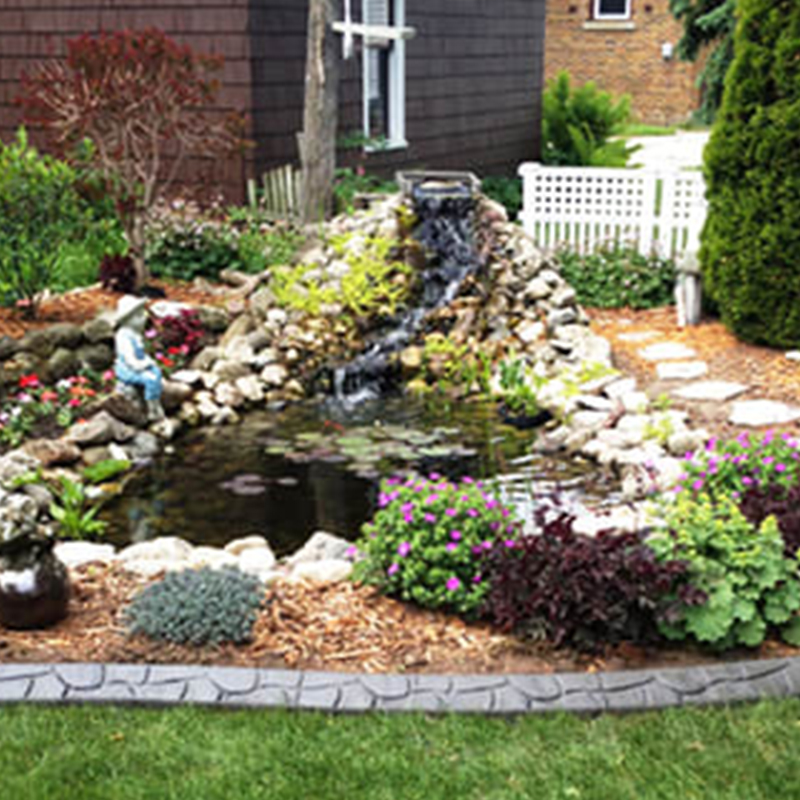
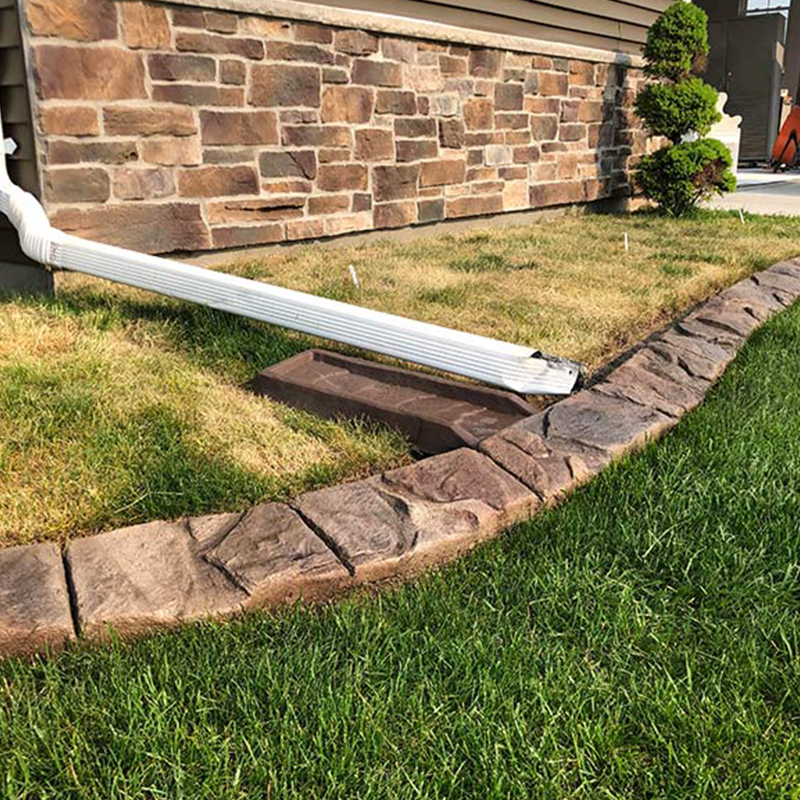
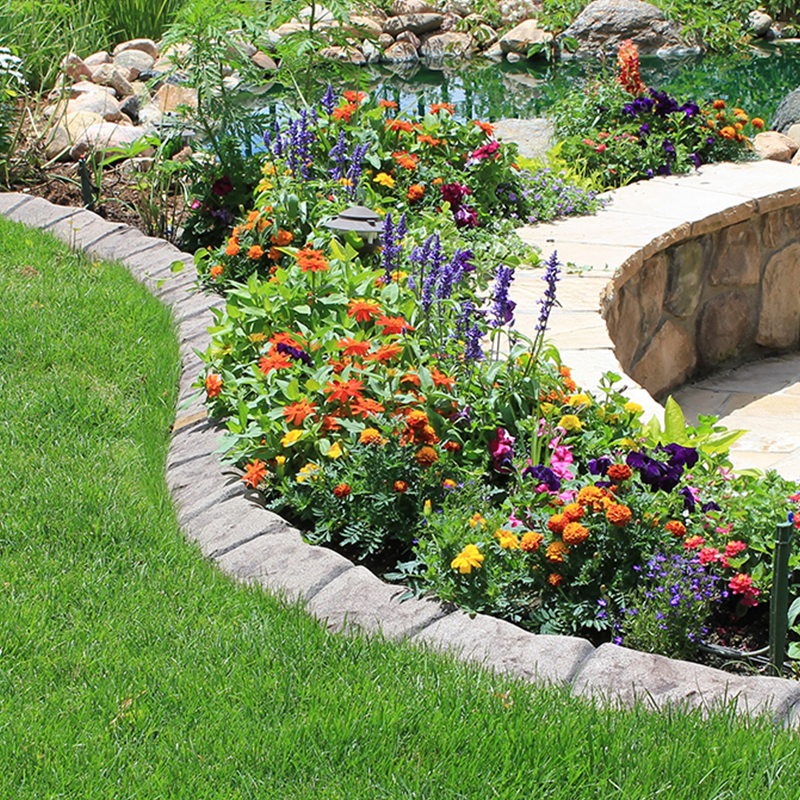
This is what you’re selling, and it’s the only option on this list that eliminates the gap problem entirely. Poured concrete curbing is extruded as a single continuous border: no seams, no joints, no places for mulch to escape. It doesn’t heave. It holds its color far longer than plastic or rubber, especially with periodic sealing. Once it cures, it’s there for decades.
For your business, mulch control is one of the strongest entry points into residential work. Every homeowner with failing edging is a potential curbing customer, and “mulch keeps spreading” is a problem they already understand. You don’t have to educate them on why they need you; they’ve already lived through the frustration. Residential mulch-control jobs frequently convert into repeat customers who come back for driveways, patios, and full-yard borders. You can see the kind of work that builds those relationships in contractor success stories from across the country.
Frequently Asked Questions
Why Is Mulch Control a Good Entry Point for a New Curbing Business?
Mulch containment is a problem homeowners already recognize and have already tried to solve with DIY products. By the time they contact a curbing contractor, they’ve spent money on failed solutions and are motivated to pay for something permanent. The jobs are relatively quick, the results are immediately visible, and satisfied customers frequently refer neighbors and come back for larger projects.
How Do I Sell Concrete Curbing Against Cheaper DIY Edging Options?
Walk the customer through the failure cycle they’ve already experienced. Most prospects have tried plastic or rubber edging and watched it fail. Acknowledge what they’ve spent, explain why those materials can’t hold up long-term, and position your curbing as the last time they’ll ever deal with the problem. Focusing on lifetime cost versus replacement cost reframes the conversation from “expensive” to “permanent.”
What Equipment Do I Need to Start Offering Residential Curbing Services?
Curb Depot offers complete curbing equipment packages that include the extruding machine, molds, and training to get you running jobs quickly. The startup investment pays for itself within the first handful of residential projects, especially in markets where mulch control and bed edging are common pain points for homeowners.
Your Competitive Advantage
Every failed plastic strip and cracked rubber border in your service area is a lead waiting to convert. Homeowners searching for the best landscape edging for mulch have already identified the problem. They just haven’t found the permanent answer yet. That’s where you come in.
Curb Depot gives you the equipment, training, and support so you can be that answer. Call (920) 740-2218 or browse through our curbing packages to see what it takes to start turning failed edging into your next curbing job.
Earn More With Natural Stone.

Click to Register
Create beautiful curb with unique stamps.

Looking to sell your equipment?
Let us help.



Ready to Order Your New Curbing Trailer? Request More Info.
Give us a call at (920) 740-2218 or simply fill out the form below to learn more about getting all the tools and training to get started. We make the process easy to start earning money in landscape curbing.