Commercial concrete curbing is one of the highest-revenue service categories available to landscape curbing contractors. Single parking lot jobs often run 2,000 to 10,000+ linear feet at $10 to $20 per foot depending on the scope and complexity. Most markets are still underserved, meaning contractors who position themselves for commercial work now face far less competition than they would in residential landscaping. Curb Depot has equipped and trained hundreds of curbing business owners across North America to pursue exactly this kind of growth.
March through May is the window that matters. Property managers and facilities directors at strip malls, office complexes, and retail centers approved their landscaping and maintenance budgets in Q1. This means they’re actively scheduling installations before summer heat sets in and parking lot traffic peaks. Contractors who reach out to commercial property managers in early spring land the best jobs at the best pricing. Wait until July, and those contracts are already signed.
Why Commercial Accounts Are Worth Pursuing
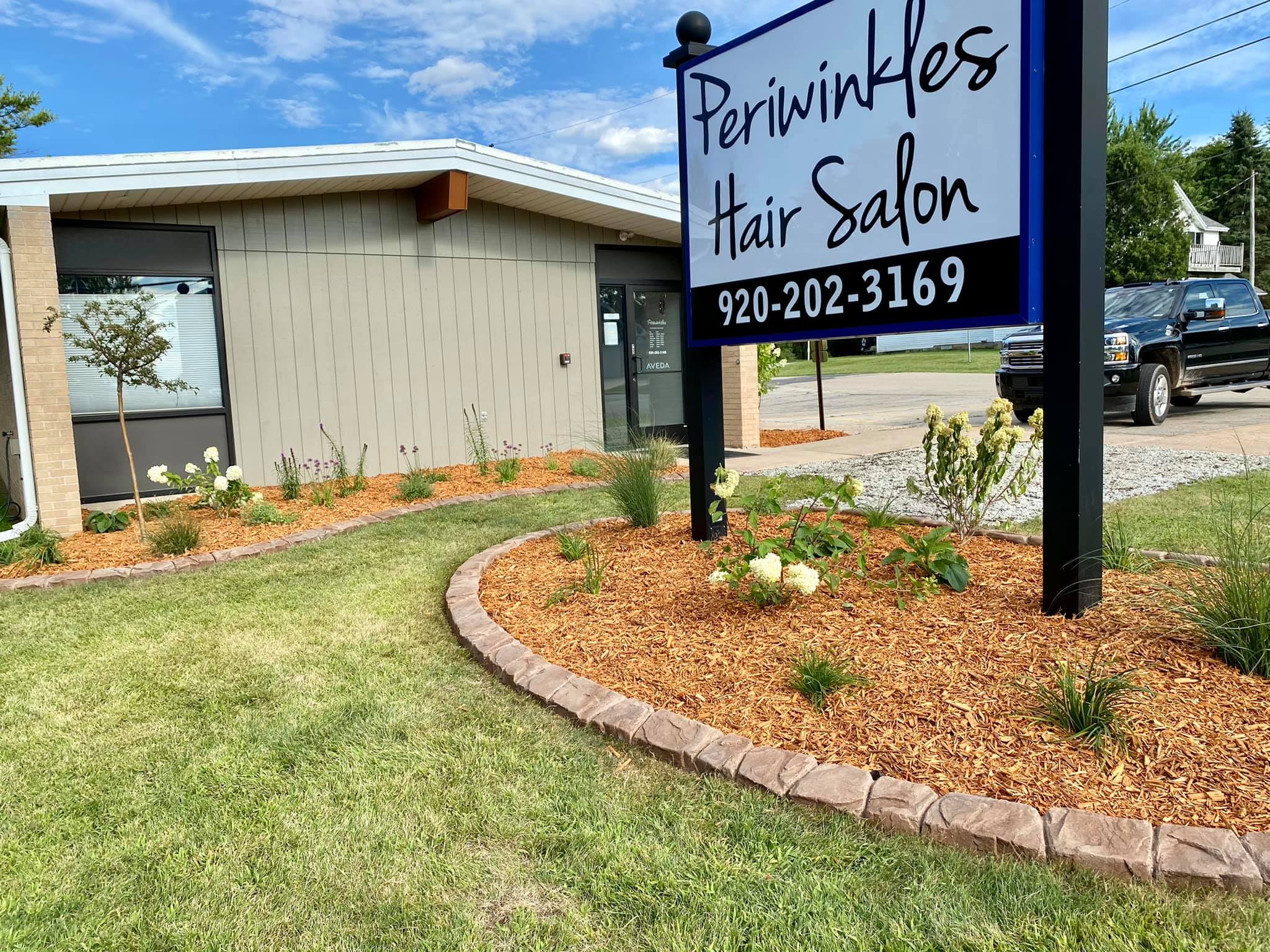
The math on commercial curbing looks different from residential, and in a good way. A typical residential job might be 150 to 300 linear feet. A single strip mall parking lot can run 3,000 to 8,000 linear feet, and a large retail center or office complex can push past 10,000. At $12 to $18 per linear foot, one commercial account can generate more revenue in a week than a full month of residential jobs.
Repeat Business and Maintenance Needs
Beyond individual job size, commercial clients offer something residential jobs almost never do: repeat business and maintenance contracts. Once a property management company trusts your crew and your work, they’ll call you for every property in their portfolio, and they often manage dozens. That kind of recurring relationship is how curbing businesses scale without constantly chasing new leads. Exploring curbing business opportunities in commercial markets starts with understanding why this segment is so consistently underserved.
HOA and Municipal Contracts
The market segment that gets overlooked most often is HOA (Homeowners Association) common areas and municipal contracts. These associations typically manage large shared landscapes with curbing needs that renew on a multi-year maintenance cycle. Municipalities regularly bid out curbing work for parks, medians, and public facilities. These accounts are less obvious than a strip mall, but they’re steady and they’re out there.
What Property Managers Actually Want From a Curbing Contractor
Commercial property managers think differently than homeowners. A homeowner hires based on price and aesthetics. A property manager hires based on reliability, professionalism, and whether you can document your work and communicate clearly.
Before contacting a property manager, understand what they evaluate:
- ADA compliance awareness: Curbing near accessible parking and pathways must meet Americans with Disabilities Act requirements for slope and transition. Expect them to ask about your familiarity with ADA guidelines.
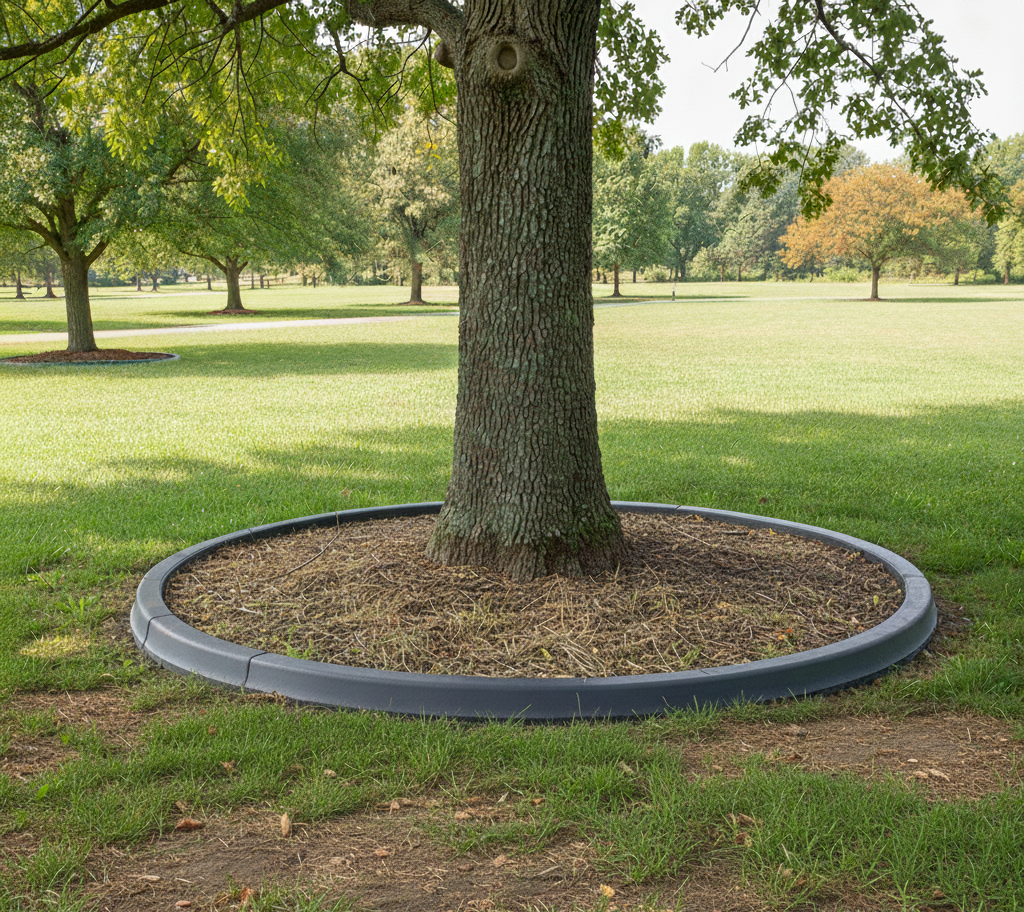
- Drainage performance: Curbing that redirects water away from building foundations and paved surfaces is a functional selling point, not just aesthetics.
- Durability specs: Commercial properties see heavy vehicle traffic. They need to know your concrete mix and installation process holds up.
- Scheduling flexibility: Many commercial installations need to happen during off-hours or in phases so business operations aren’t disrupted.
Review the cost of concrete curbing per linear foot before walking into any commercial bid. Property managers appreciate contractors who can speak about pricing with confidence.
Where To Find Commercial Curbing Work
Most commercial curbing work isn’t advertised publicly. It gets awarded to contractors who show up, introduce themselves, and leave behind a professional proposal.
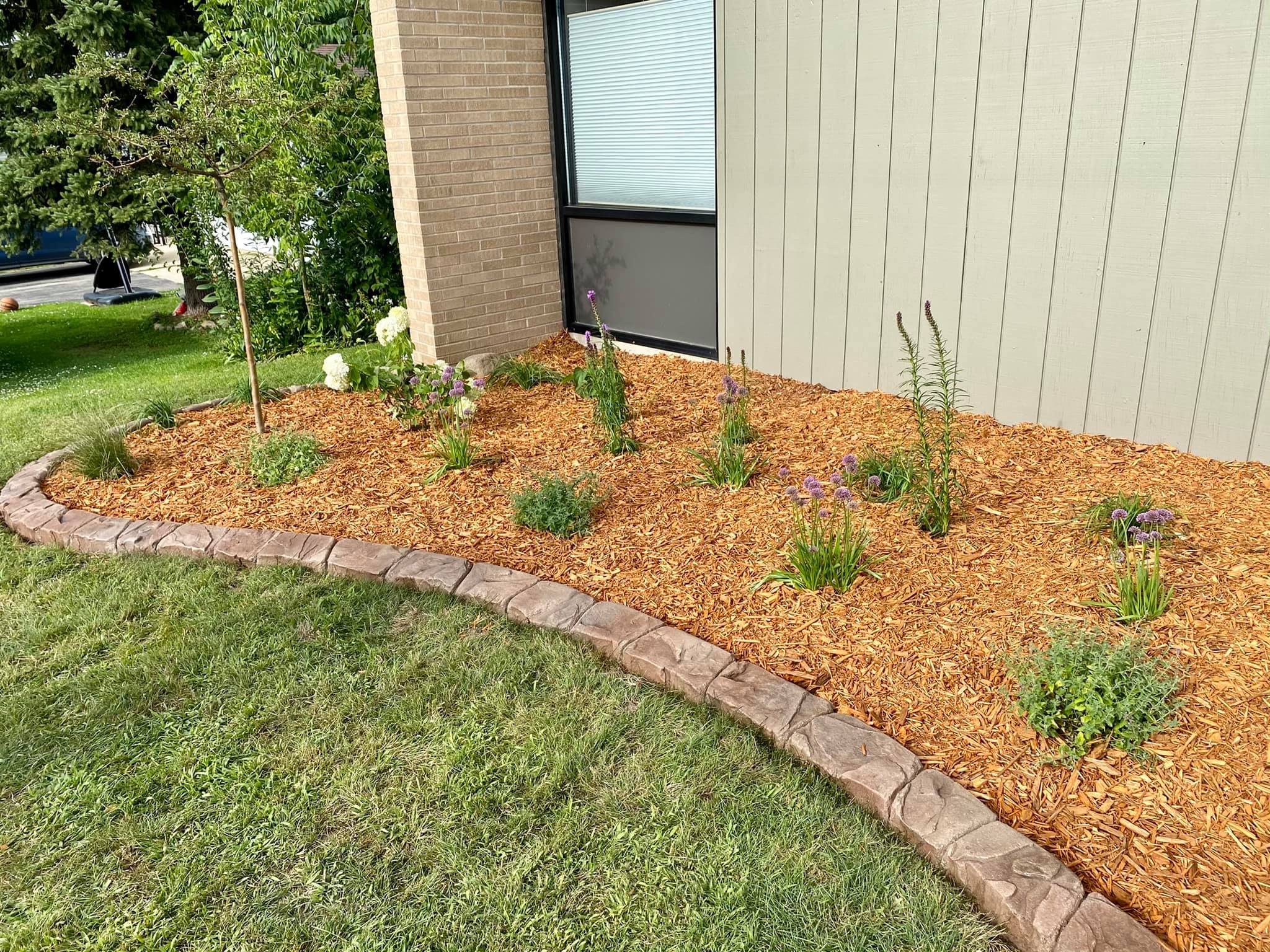
Start by driving through commercial corridors in your area and noting properties with deteriorating or absent curbing. Strip malls built in the 1990s are particularly common candidates. Their original concrete curbing is reaching end of life, and property owners often haven’t thought about replacement yet. You’re identifying a real problem and offering a solution before a competitor does.
Property management companies are your best long-term target. A single management firm may oversee 15 to 40 properties across a region. Adding landscape maintenance cost savings to your pitch (explaining how concrete curbing reduces ongoing mowing and edging costs) gives property managers a practical ROI that they can take to building owners.
How To Bid on Commercial Jobs and Win Them
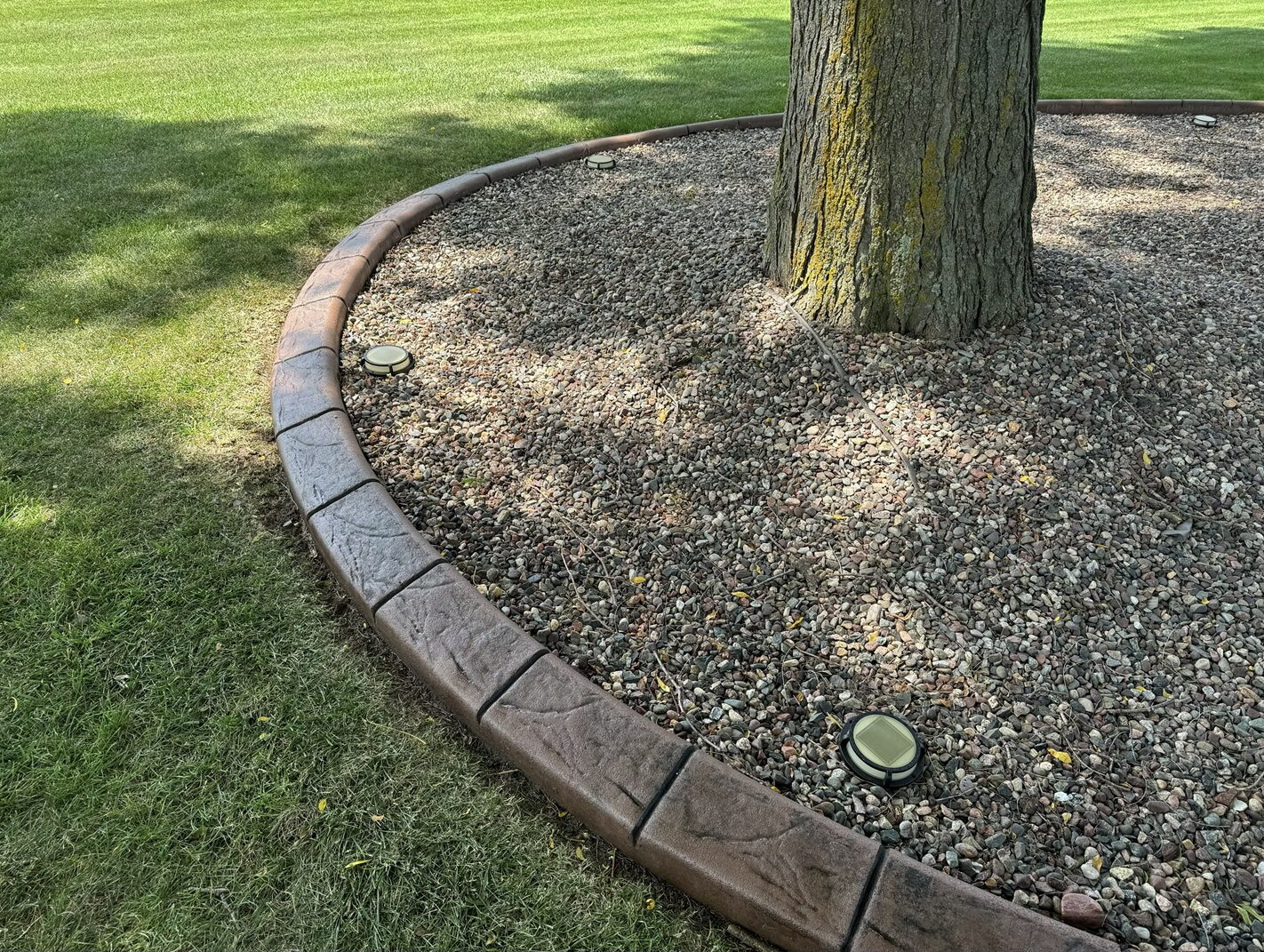
A written proposal is non-negotiable for commercial work. Property managers deal with multiple vendors and need documentation for internal approvals. Your proposal should include linear footage by zone, material specs, installation timeline, and total cost broken down clearly.
Permits may be required depending on your municipality and scope of work. Verify local requirements before submitting any bid. Larger jobs may also call for a larger concrete mixer or a second crew member to maintain efficient output across a full parking lot in a single day.
This is why curbing training that covers commercial applications pays for itself. Knowing how to sequence a large parking lot job, handle drainage grading, and manage concrete timing on hot pavement isn’t instinct—it’s learned. Contractors who arrive prepared win more bids and build better client relationships.
Frequently Asked Questions
How much does commercial concrete curbing cost per linear foot?
Commercial concrete curbing typically runs $10 to $20 per linear foot installed, depending on job size, curbing profile, site complexity, and regional labor costs. Larger jobs often come in at the lower end of that range per foot, but total contract values are significantly higher—a 5,000-linear-foot parking lot job at $14/ft generates $70,000 in gross revenue.
Do commercial curbing jobs require permits?
Permit requirements for commercial curbing vary by municipality and project scope. Many standard parking lot curbing replacements do not require permits, but projects that alter drainage patterns, impact ADA-accessible areas, or are located in jurisdictions with strict commercial landscaping codes may need one. Always verify with your local building department before submitting a bid.
How does Curb Depot’s training prepare contractors for commercial curbing work?
Curb Depot’s training covers commercial applications, including large-volume job sequencing, concrete timing on hot surfaces, drainage grading, and the business development side of landing commercial accounts. Ryan Wolfrath has been running a curbing business since 1993 and built his own commercial client base. The training reflects real-world experience, not classroom theory.
One Commercial Relationship Can Fill Your Schedule for Years
A single property management firm can keep your crew busy across an entire portfolio. If you’re ready to position your business for commercial accounts, reach out to Curb Depot or explore the training programs that cover everything from installation techniques to the business side of running a curbing company.
Earn More With Natural Stone.

Click to Register

Create beautiful curb with unique stamps.

Looking to sell your equipment?
Let us help.





Ready to Order Your New Curbing Trailer? Request More Info.
Give us a call at (920) 740-2218 or simply fill out the form below to learn more about getting all the tools and training to get started. We make the process easy to start earning money in landscape curbing.