Commercial concrete curbing contracts are a major growth opportunity for curbing business owners who are ready to move beyond residential jobs. HOA communities, retail centers, and parking lots mean larger linear footage, repeat maintenance agreements, and multi-stakeholder sales. Curb Depot has equipped and trained over 500 curbing business owners across the U.S. and Canada so they can pursue this kind of work.
Most curbing contractors hit this decision point: stay residential or go after commercial accounts. Both paths work, but commercial isn’t just a bigger version of residential. The sales cycle, client relationships, and revenue model are all different. Knowing that before you start is what separates contractors who land commercial work from those who keep chasing it.
Residential vs. Commercial: What Actually Changes
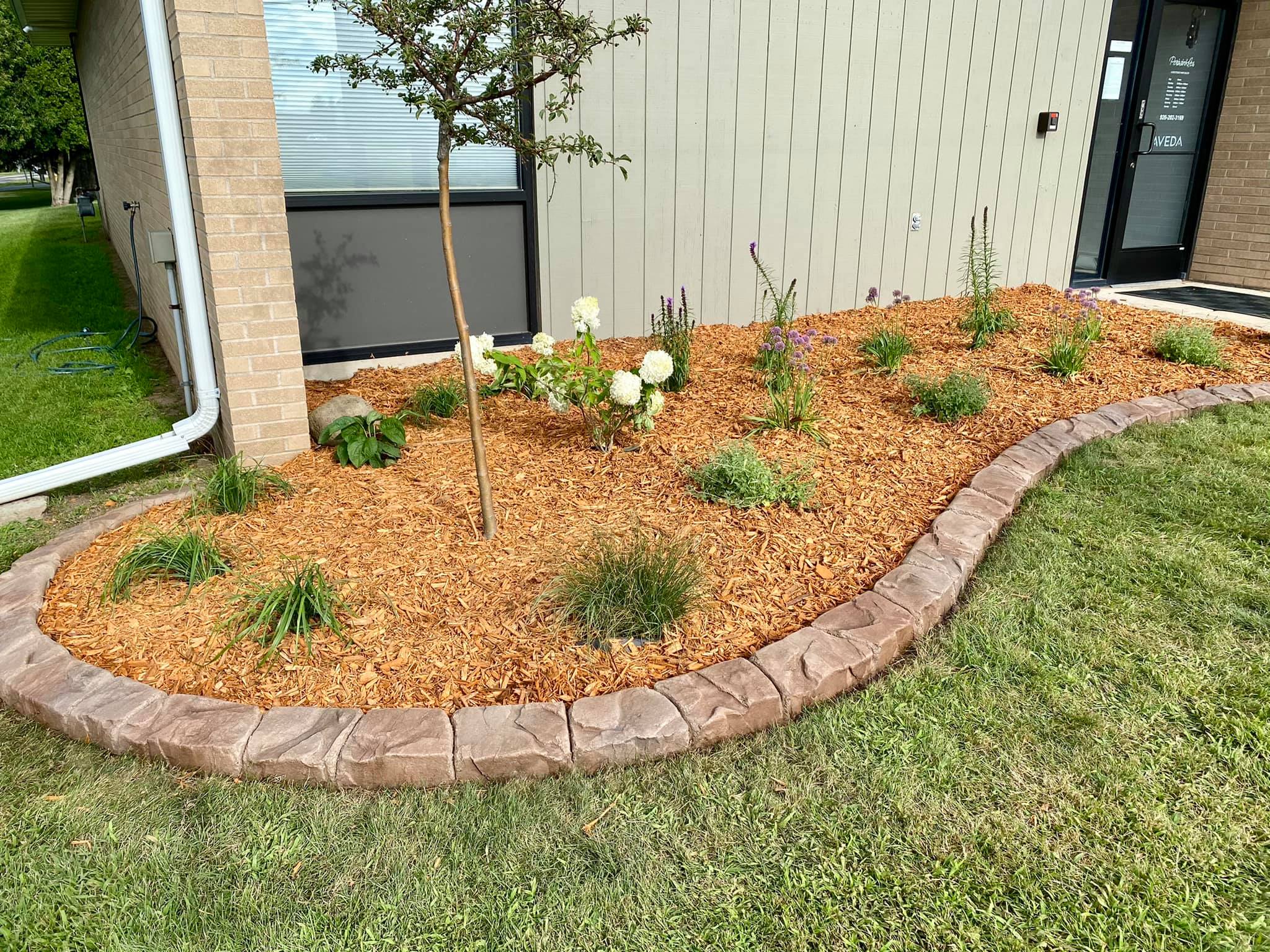
The Harpten curbing machine runs the same profiles whether you’re doing 80 linear feet around a flower bed or 800 feet along a parking island. What changes is everything around the installation.
Commercial clients work on approval timelines and budget cycles. A homeowner decides in a week. A commercial property manager can take weeks or months with multiple stakeholders—that requires a deeper pipeline. But the volume offsets it: a single HOA development can run several thousand linear feet of curbing. A retail parking lot refresh often exceeds a thousand. A typical residential job is 150 to 250.
The Three Commercial Markets Worth Targeting
Not every commercial prospect is worth the same effort. These three markets have regular demand and clear decision-makers.
HOA Communities
HOA curbing is repeat business. Common areas and entry features get refreshed periodically as they weather and age. Get onto the approved vendor list and you’re invited to bid every project with no prospecting required.
Retail Centers and Commercial Plazas
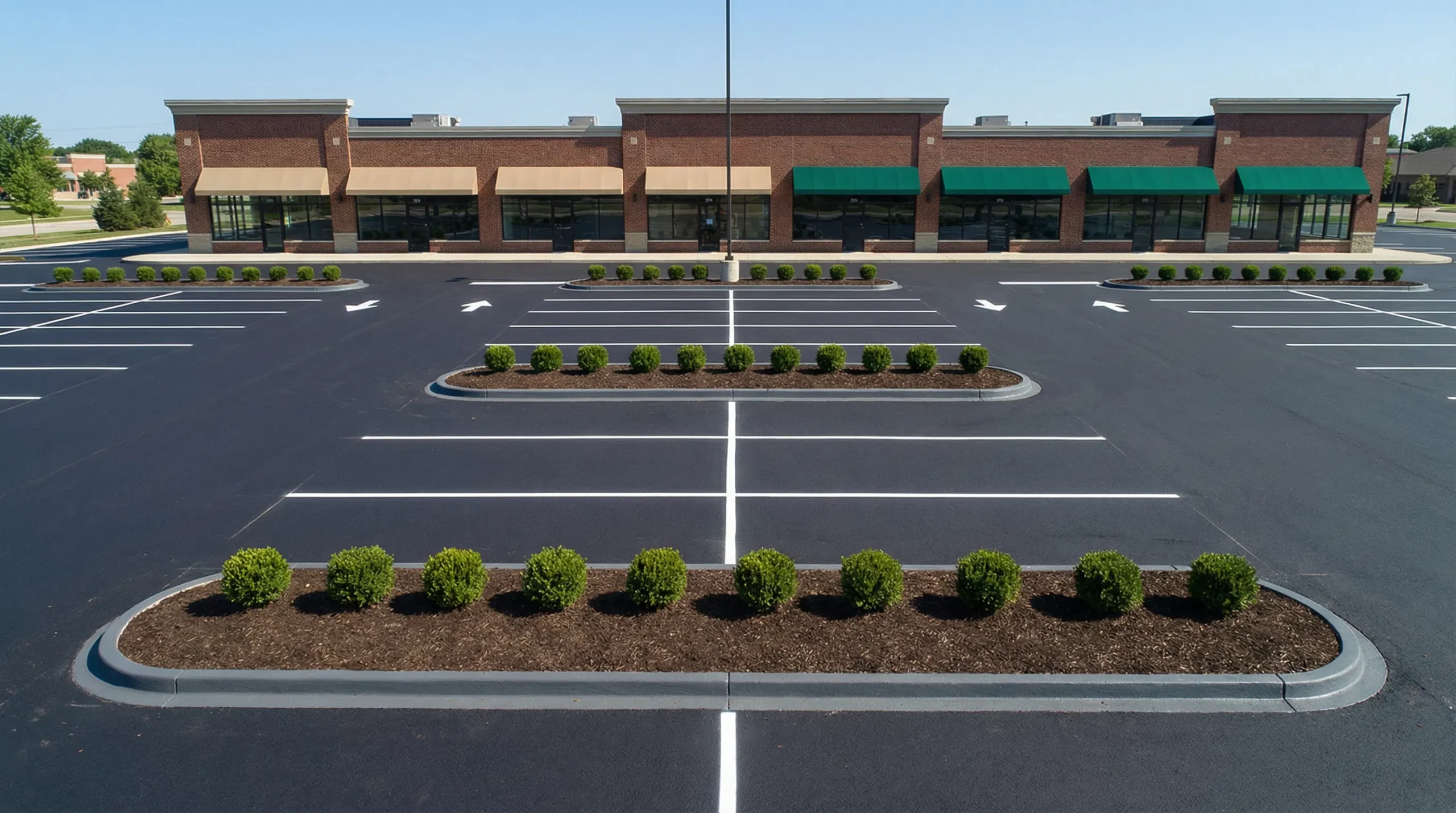
Retail lot curbing is driven by ADA compliance and aesthetics. When a property is up for lease or sale, owners often refresh curbing to meet updated accessibility requirements. Property managers make these calls, so your pitch should speak to liability reduction and property value.
Municipal Projects
Municipalities replace lot and pathway curbing according to scheduled maintenance cycles. Contracts require a formal bid process, but jobs are large and paid reliably. A park district or utility corridor is a practical starting point.
How To Land Your First Commercial Contract
The fastest path in is through relationships you already have. A homeowner who manages properties or sits on an HOA board is warmer than a cold call. Ask every residential customer about their professional life.
For direct outreach, contact property managers and lead with the problem you solve: cracking curbing, tired parking islands before a major tenant moves in. You’re solving a maintenance issue. Curb Depot’s business training covers commercial bidding alongside installation technique. Contractors who’ve been through it say that’s where they got the most value.
What To Charge and How To Structure Commercial Bids
Commercial bids use the same cost foundation as residential (materials, labor, footage) but need more line items. Factor in site mobilization, traffic control near active parking, and a contingency for subsurface conditions in older lots.
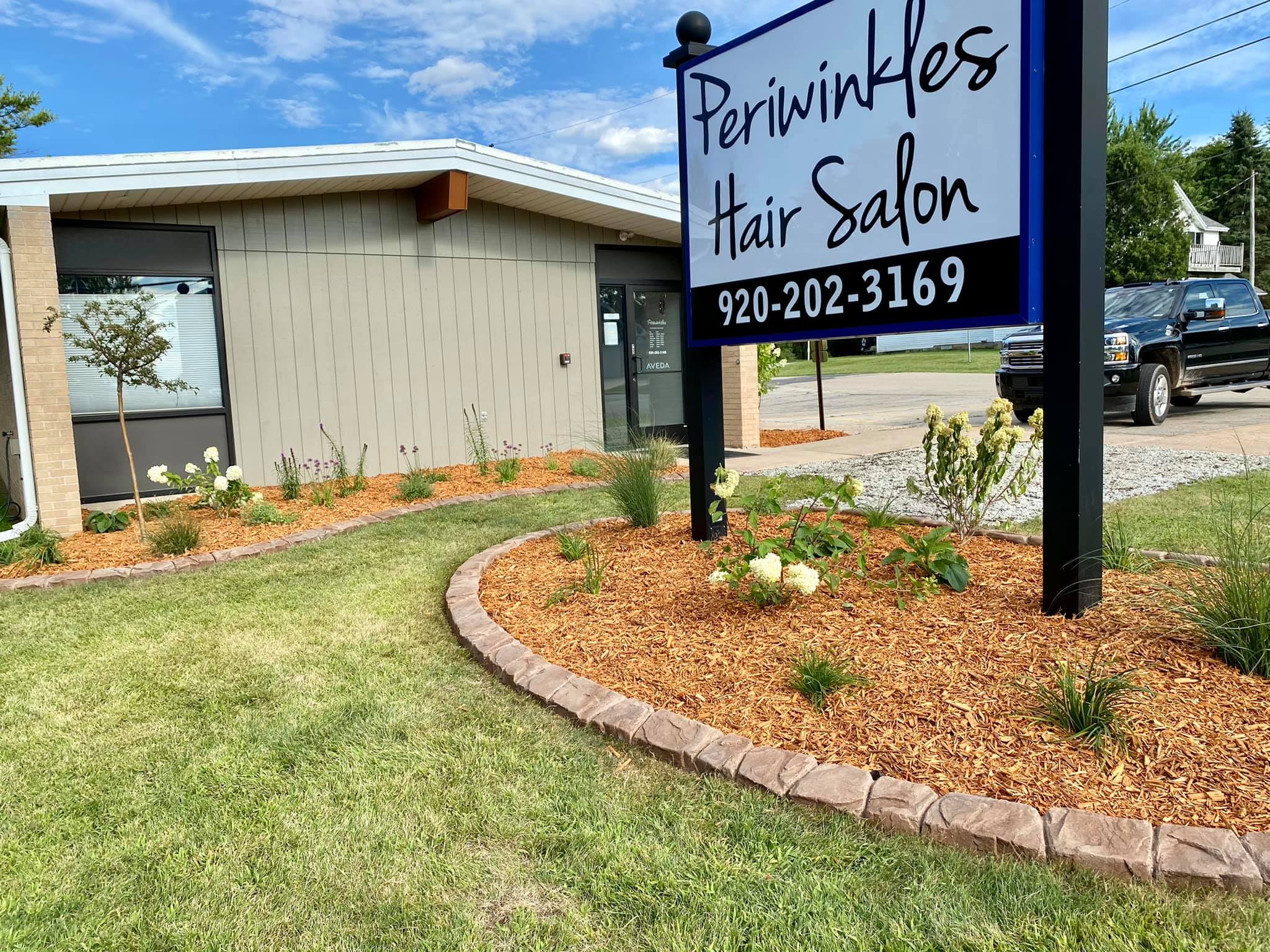
Commercial pricing varies by market, but many contractors charge in the $12 to $16 per linear foot range depending on profile, finish, and site conditions. Natural stone curbing for HOA entries and retail facades commands stronger margins (roughly $14 per foot based on Curb Depot’s project data) and few contractors in any given area offer it.
Structure quotes with a deposit, a midpoint payment, and a final on completion. Commercial clients expect this; it signals a professional operation. The Curb Depot business packages include the trailer capacity and stamp inventory to handle commercial-scale runs without multiple truck trips.
Frequently Asked Questions
Do I need a commercial license to do HOA or parking lot curbing?
Licensing requirements vary by state and municipality. Curbing typically falls under general concrete or landscaping contractor licensing, but some municipalities require a separate commercial registration or bond. Check your state’s contractor licensing board and the specific municipality before signing your first commercial contract.
What’s the minimum job size that makes commercial work worthwhile?
At roughly 500 linear feet or more, mobilization costs spread across enough footage to hold margins. Below that, the longer sales cycle makes residential work more efficient. Most contractors pursue commercial accounts alongside residential work rather than replacing one with the other.
Can Curb Depot help me land commercial curbing contracts?
Yes. Curb Depot’s business opportunity program covers commercial sales and bidding, not just residential installation. Contractors who complete the training land their first commercial accounts faster because they know how to price and structure bids for commercial-specific costs. Reach out through the contact page to get started.
Take Your Curbing Business Into Commercial Work
Commercial concrete curbing contracts reward contractors who are ready to scale their business operations. HOA communities, retail centers, and parking lots are high-volume markets most curbers in any given area aren’t pursuing. That gap is yours. Contact us to talk through where you want to take your curbing business.
Earn More With Natural Stone.

Click to Register

Create beautiful curb with unique stamps.

Looking to sell your equipment?
Let us help.




Ready to Order Your New Curbing Trailer? Request More Info.
Give us a call at (920) 740-2218 or simply fill out the form below to learn more about getting all the tools and training to get started. We make the process easy to start earning money in landscape curbing.